
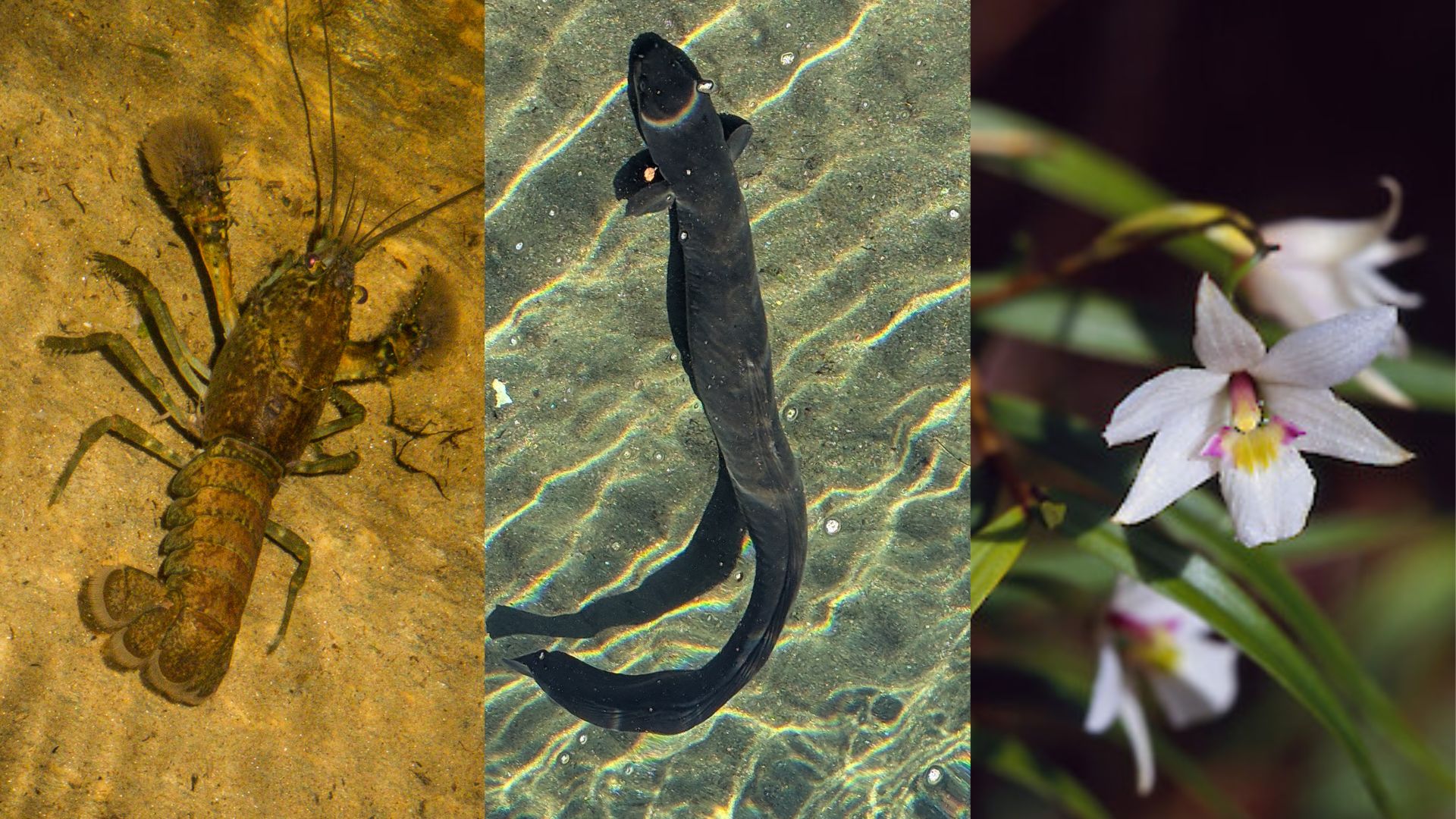
Crayfish, eels and orchids: the surprising diets of New Zealand’s predators
DNA analysis of introduced predator stomachs shows their broad diets include native mosses, orchids, plus freshwater crayfish, eels and fish.
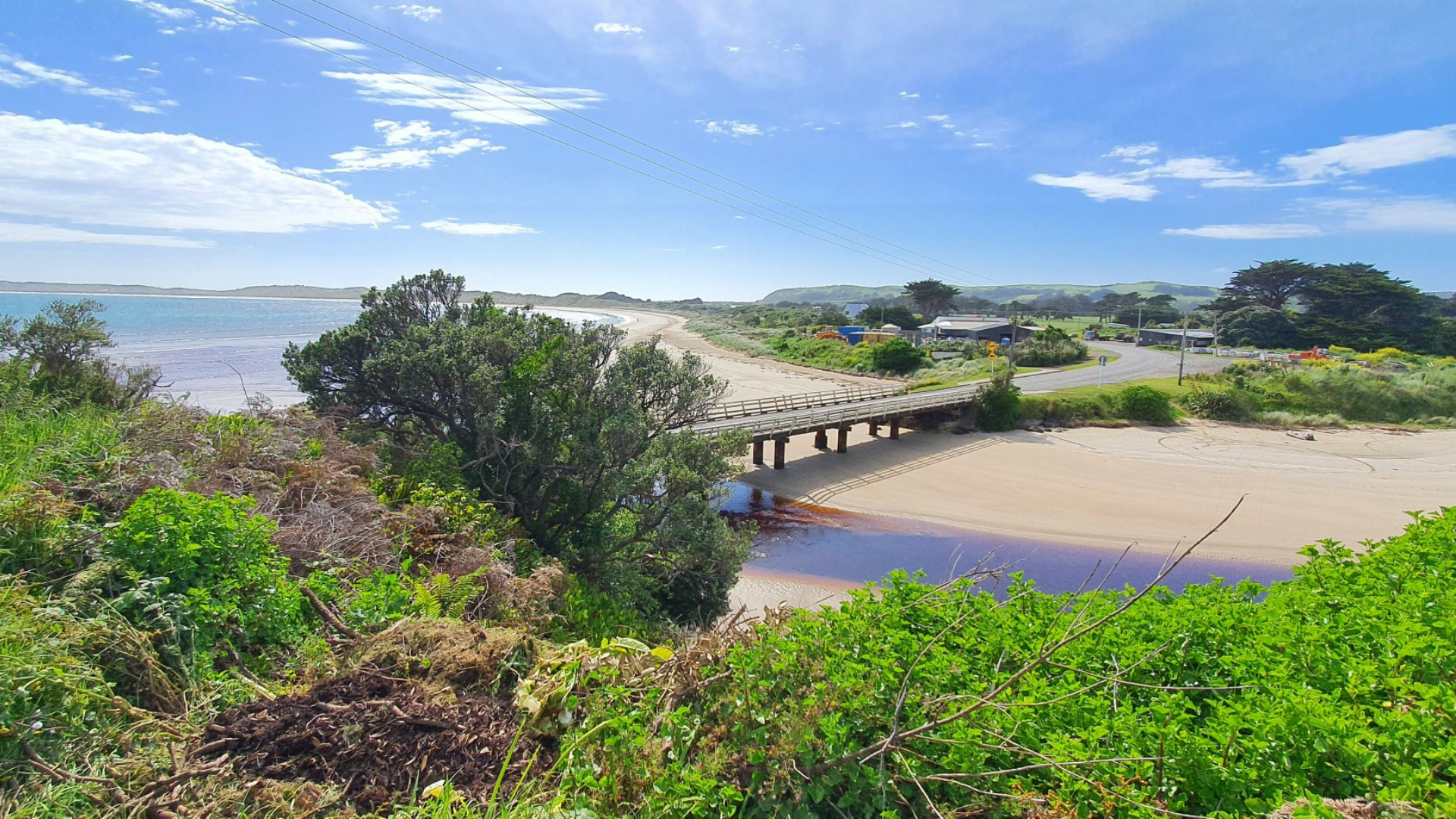
Introduced predators threaten Chatham Islanders’ way of life
Living 800 kilometres offshore brings some unique challenges. For one thing, controlling introduced predators isn’t only about protecting native species.
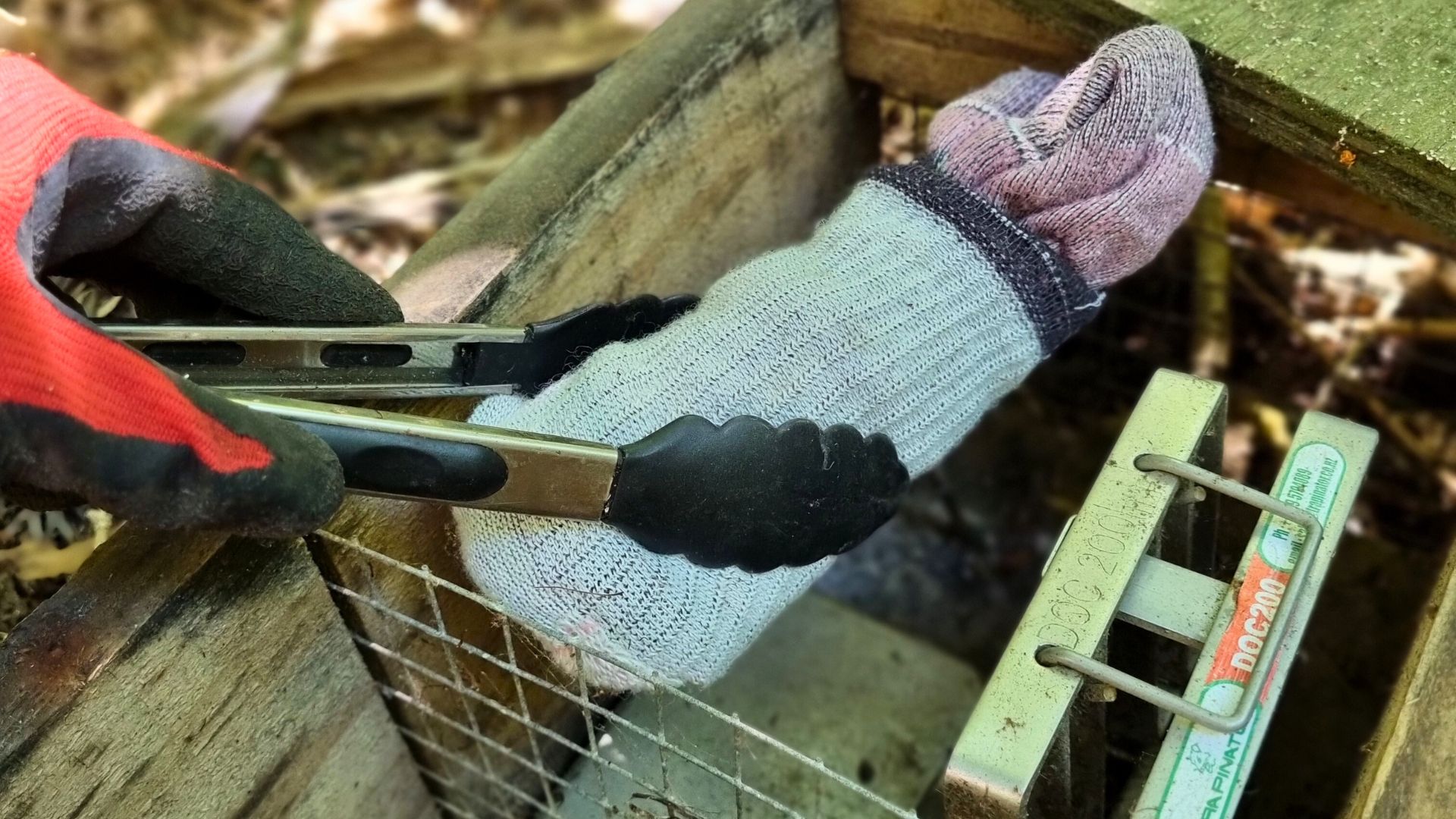
Old socks and kitchen tongs: 7 tools to elevate your trapping kit
Beyond the usual gloves, lure, and screwdriver, these trap accessories will help keep your traps rust-free, your gear easier to carry, and your lure safe.
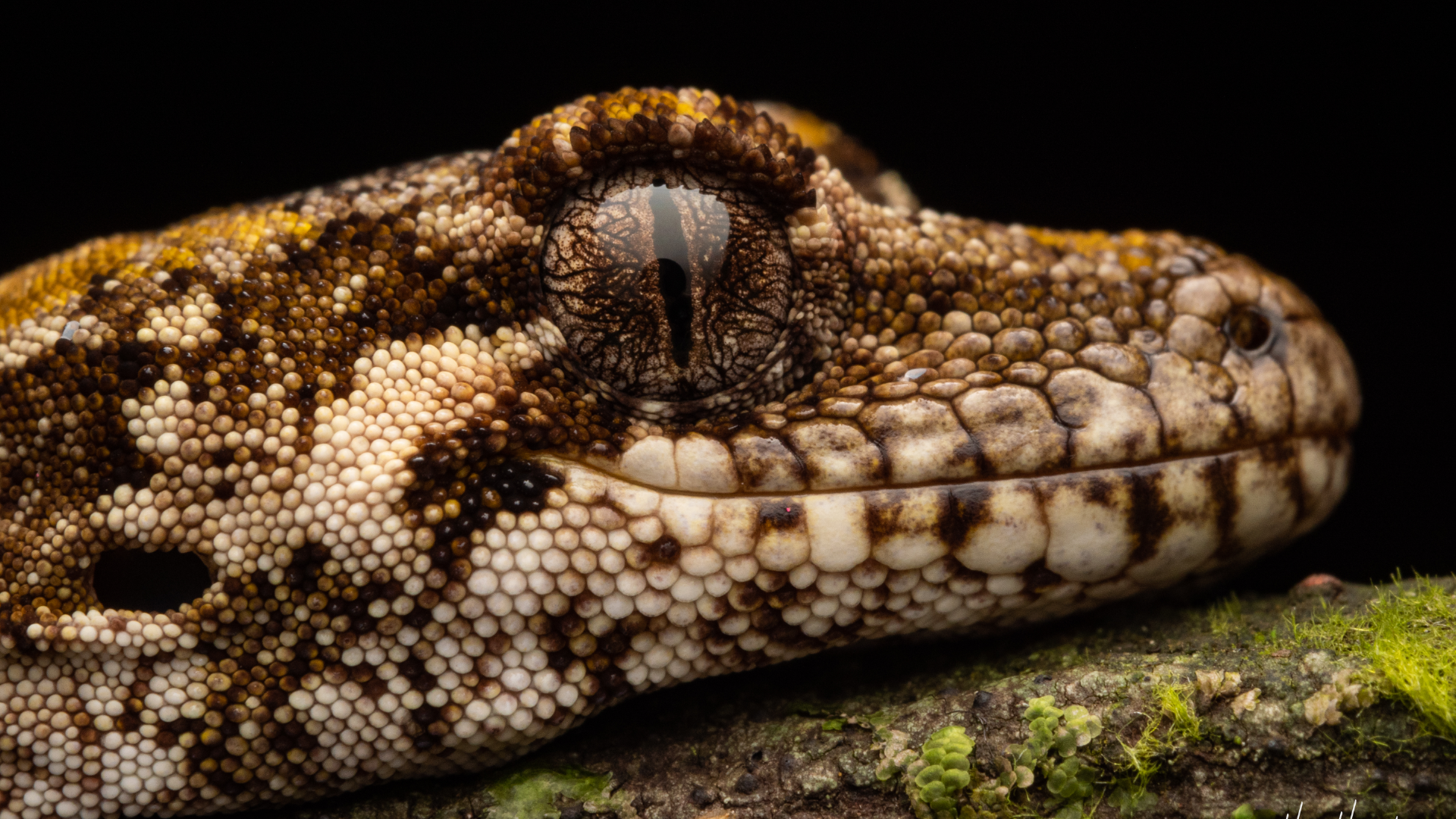
New Zealand’s lizards are disappearing: 97% of lizards need help
Of Aotearoa’s 147 native gecko and skink species, 96.6% are Threatened, At Risk or Data Deficient, with some reduced to just a few hundred.

Gene technologies could reshape conservation – but not overnight
Are we closer to cloning endangered species, improving resilience with gene editing, and using gene drives to control pests?
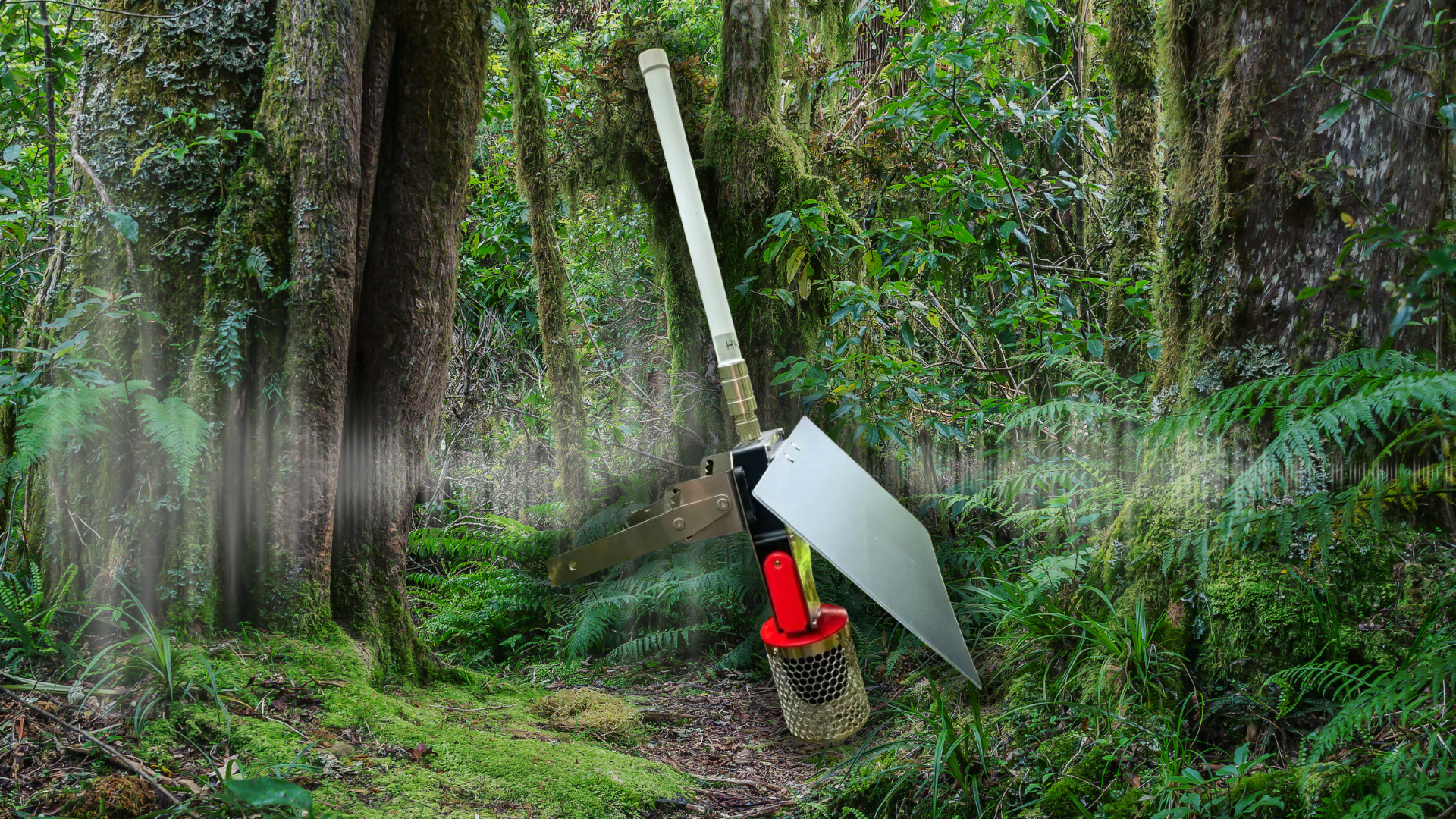
24/7 monitoring device listens for birds, possums and bats
Monitoring birds can be hard. So a new acoustic device that “listens” to the forest 24/7 and provides conservationists the real-time info they need.
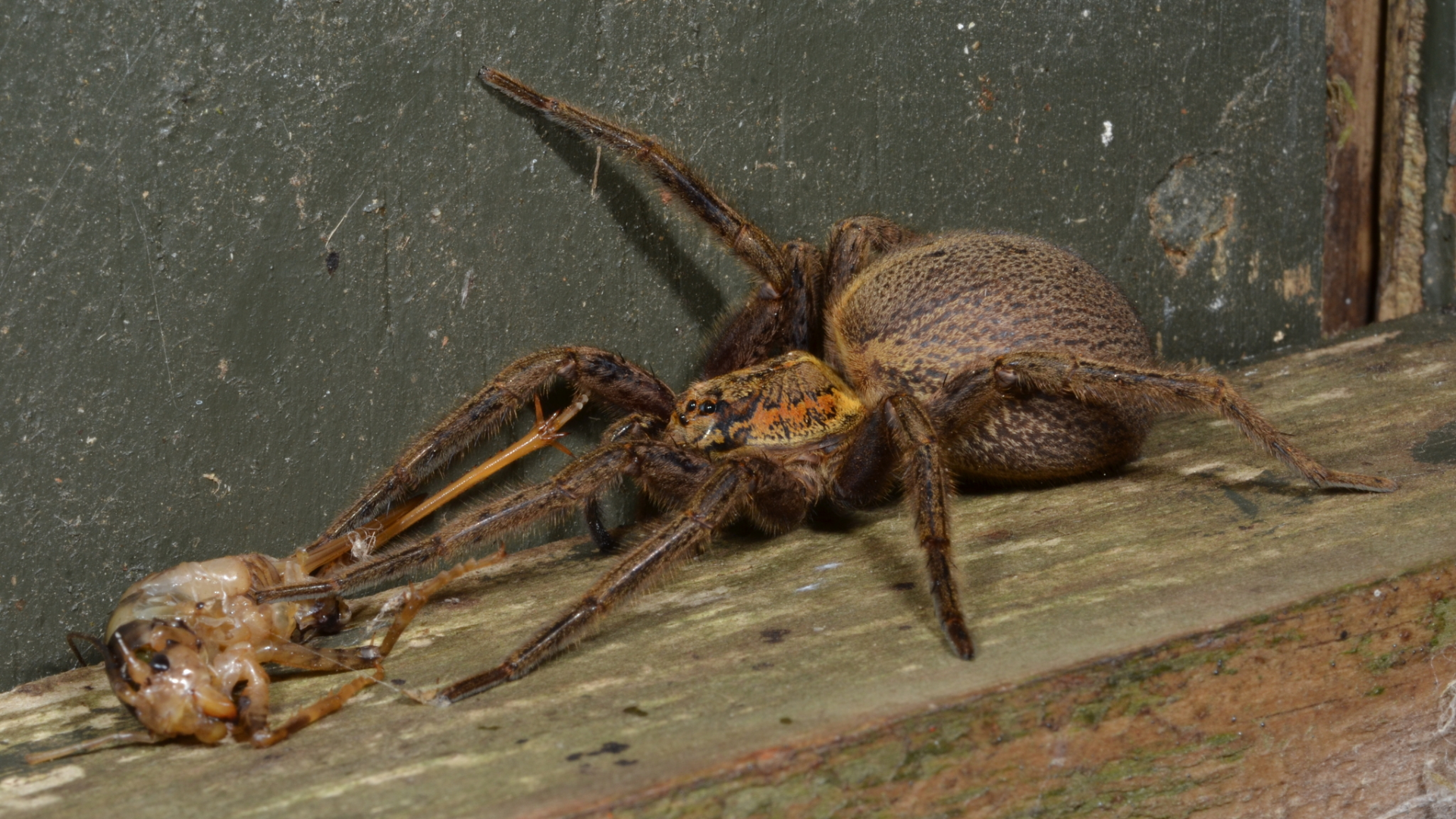
These huge, heavy, hunting spiders were forced from their home by rodents
Meet the Rangatira spider, Aotearoa’s largest spider. Endemic to two offshore reserves, this skilled hunter is profiled by scientist Zita Roithmair.
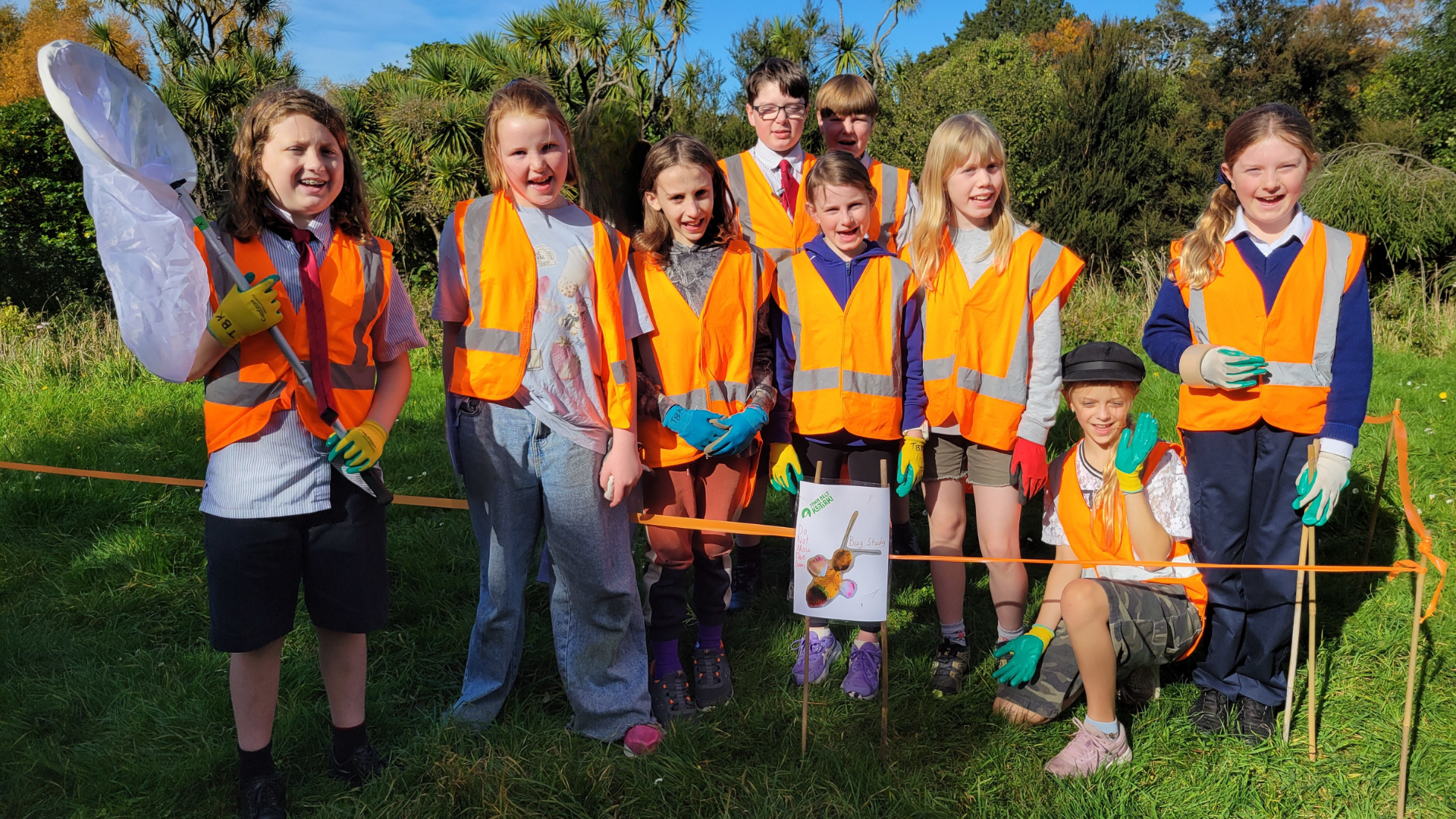
It’s cool to care: Dunedin’s youth get trapping
Year 12 student Mathew Campbell is teaching younger students how to check traps in the Ōtepoti (Dunedin) town belt.
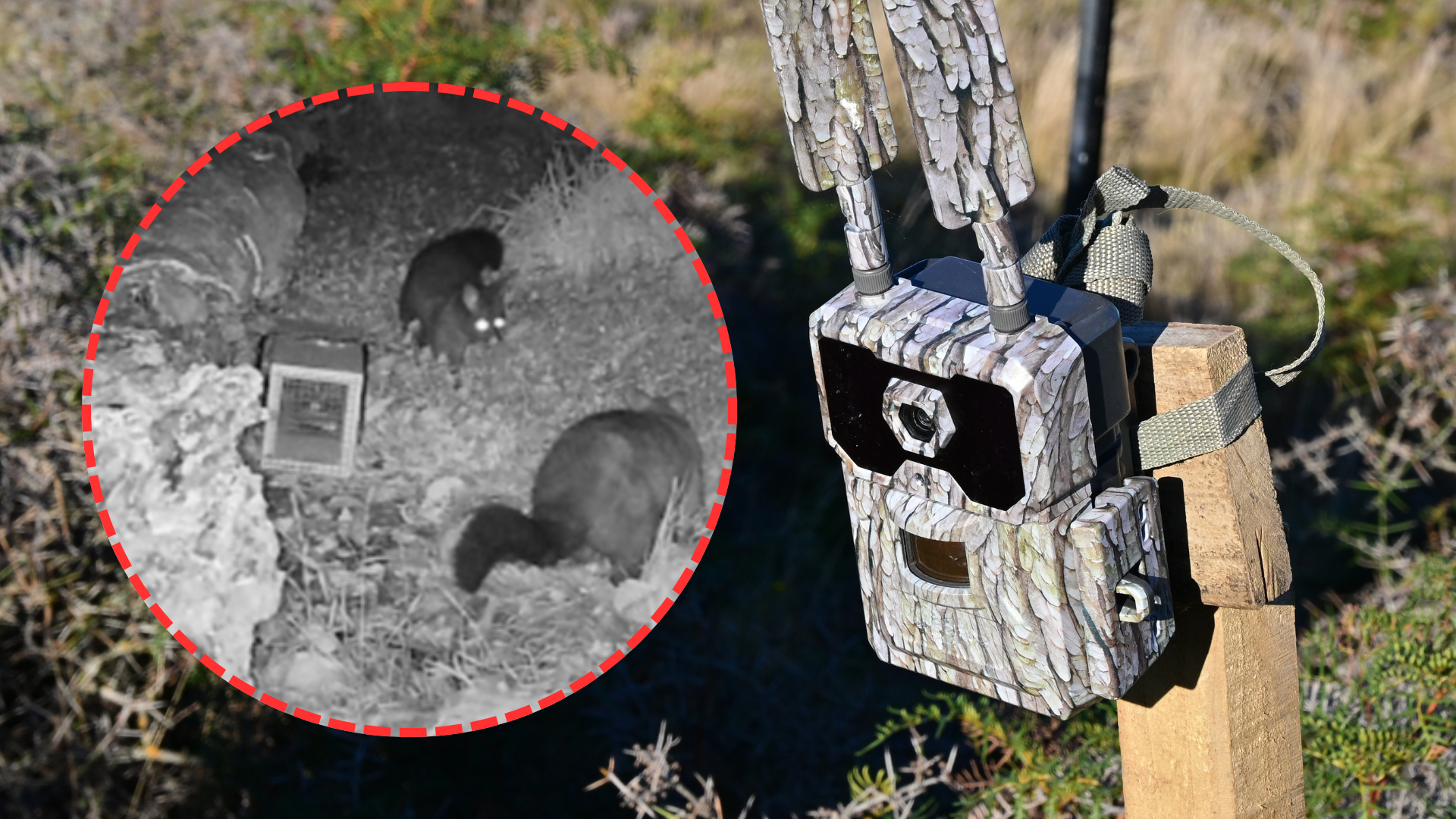
What trail cameras can teach you about catching more predators
Trail cameras show you what’s happening around your traps when you’re not there. Here are some of the things community groups have learned from using them.
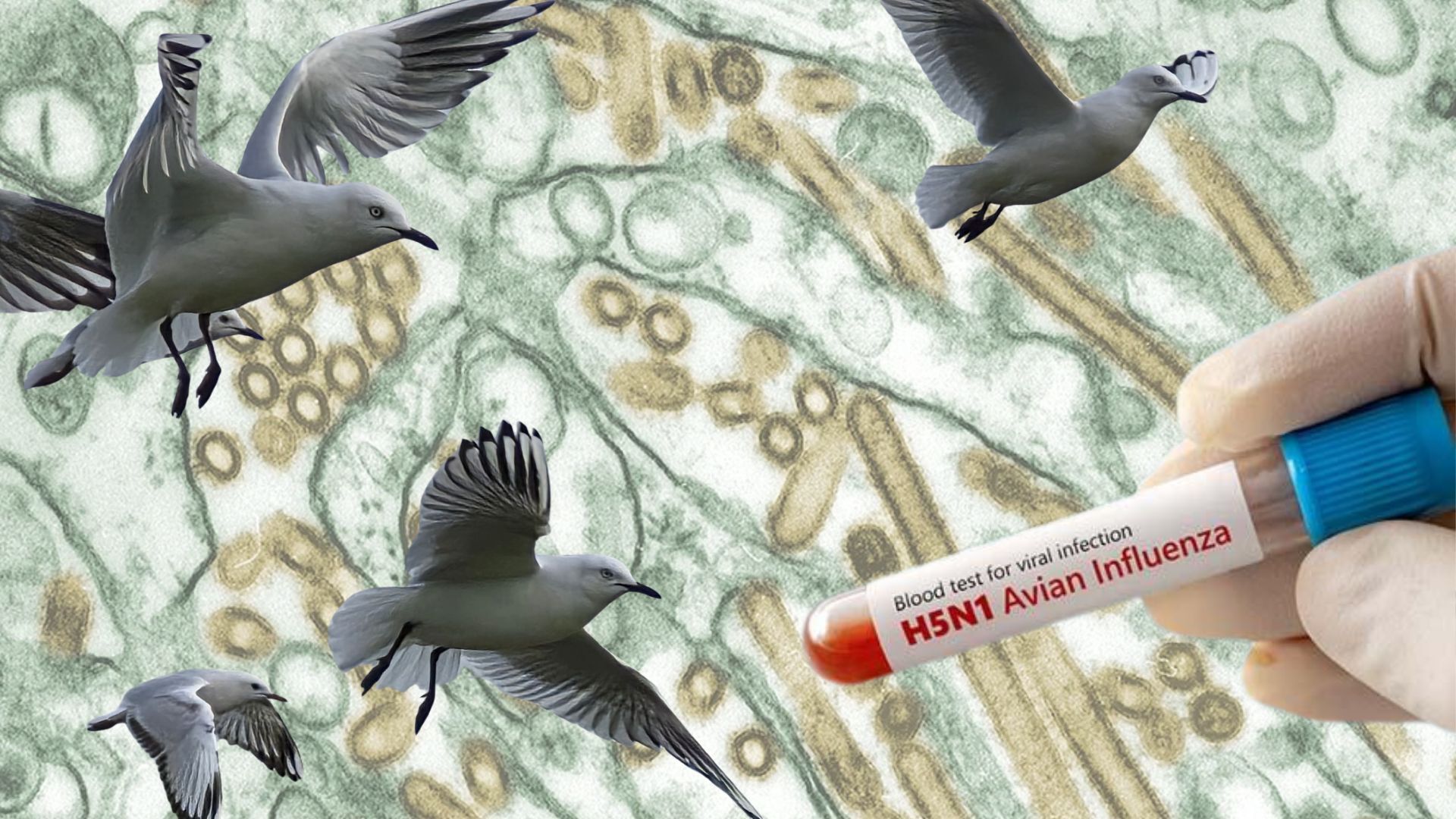
Five things to do now that bird flu is here: updated advice
Avian influenza has arrived in Aotearoa New Zealand. The risk to human health is low, but here’s what you can do on the trapline or in your backyard to minimise the risk of spreading the disease.
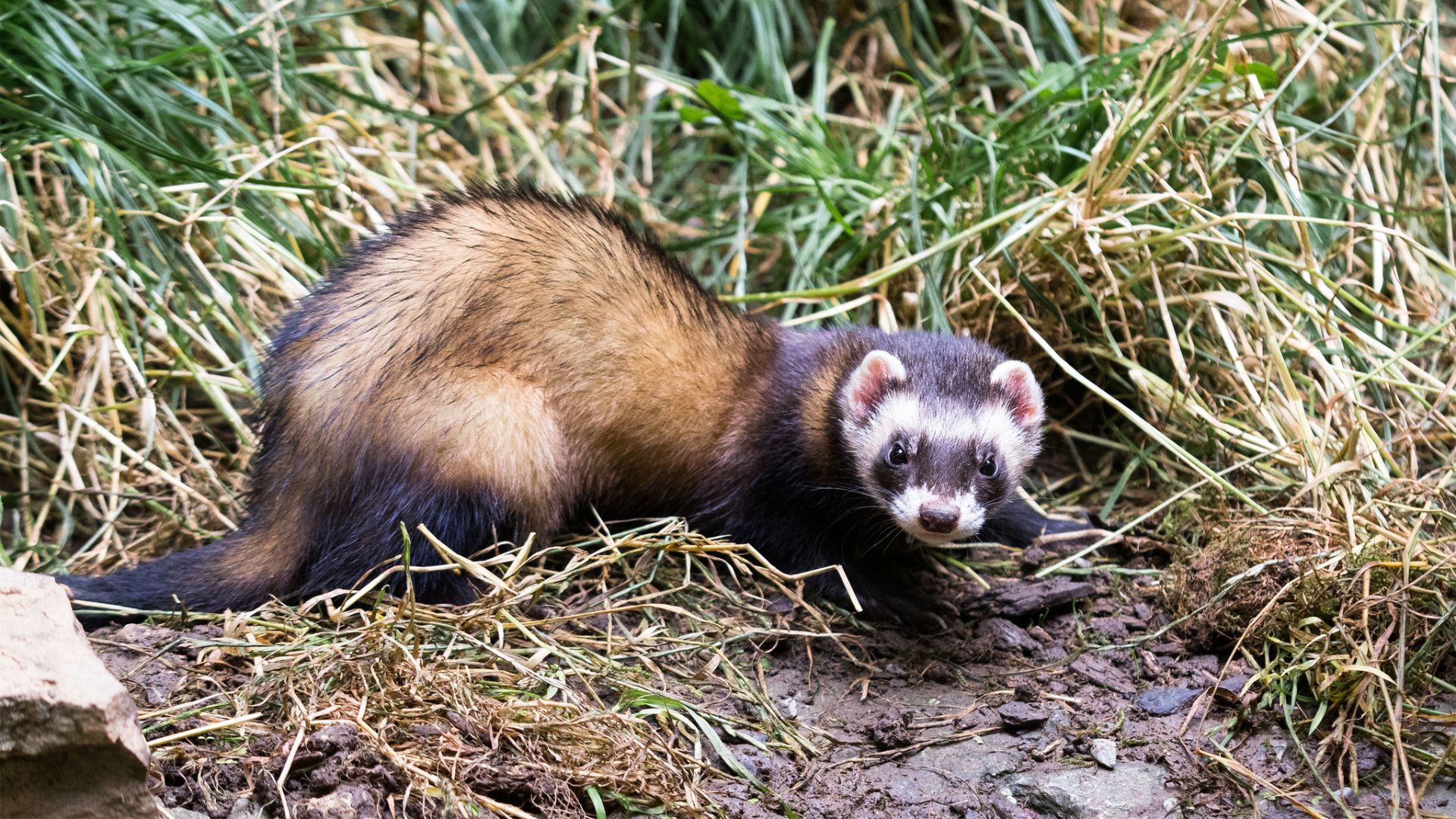
Short-sighted surplus hunters: five fast facts about ferrets
Ferrets are the largest mustelid in New Zealand. These introduced predators have a devastating effect on our native wildlife.
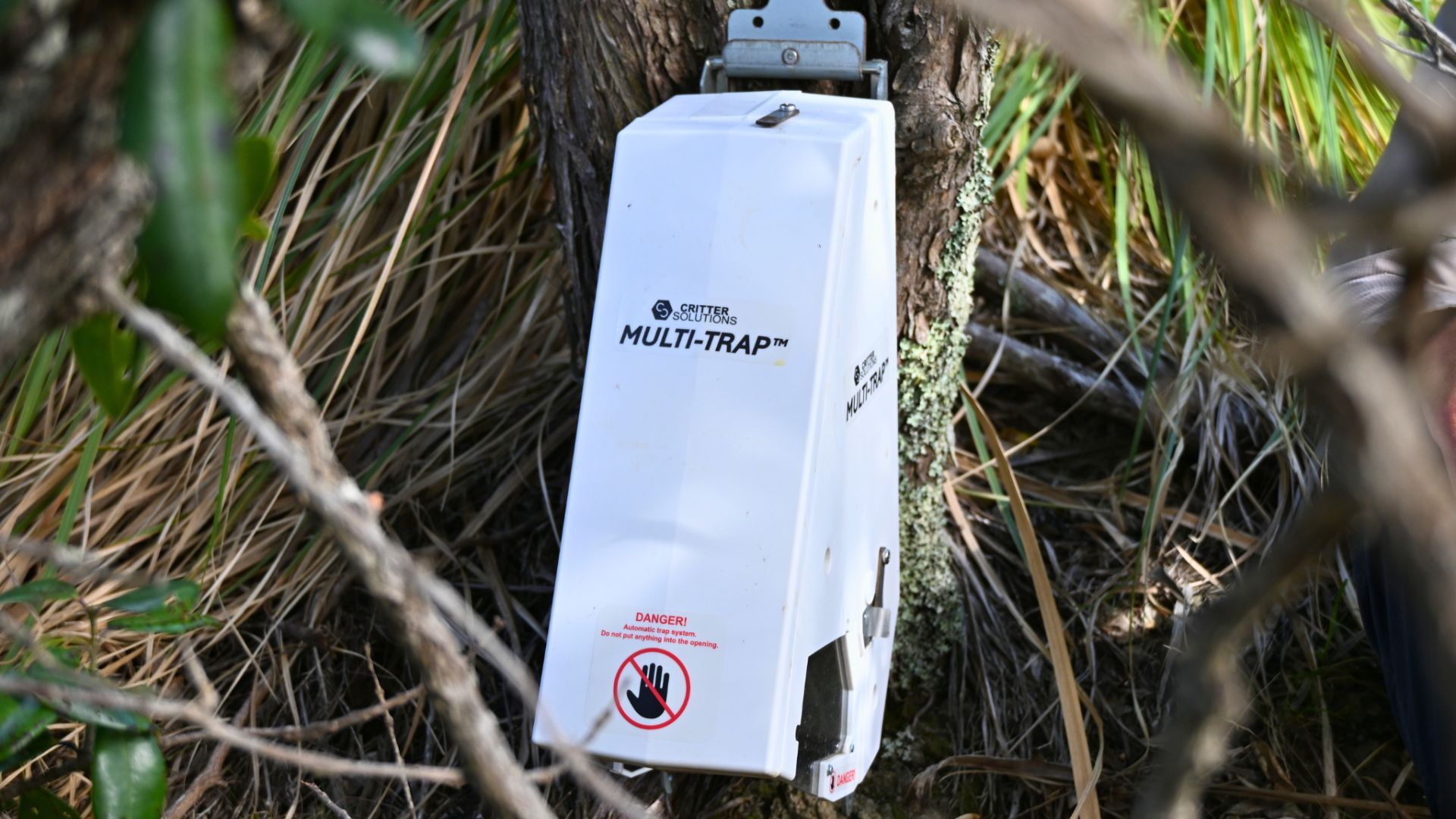
Can AI help catch the last stoat?
Smart traps that identify predators in real time and decide whether to trigger are being tested by conservation projects around New Zealand.
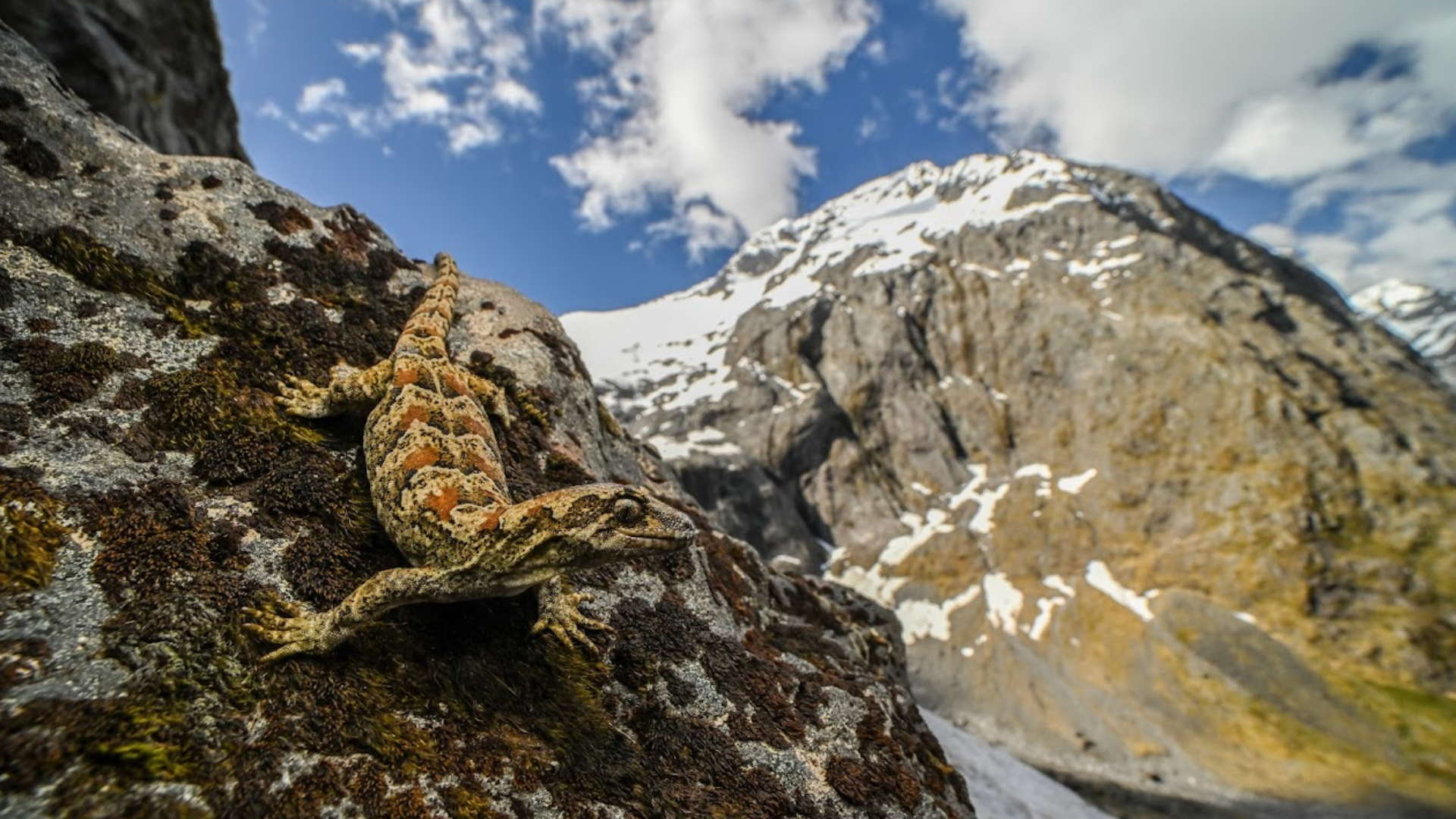
A lens into lizards: capturing New Zealand’s overlooked wildlife
In Fiordland, herpetologist Dave Laux braves cold hands and damp boots while searching for tiny cold-blooded creatures.
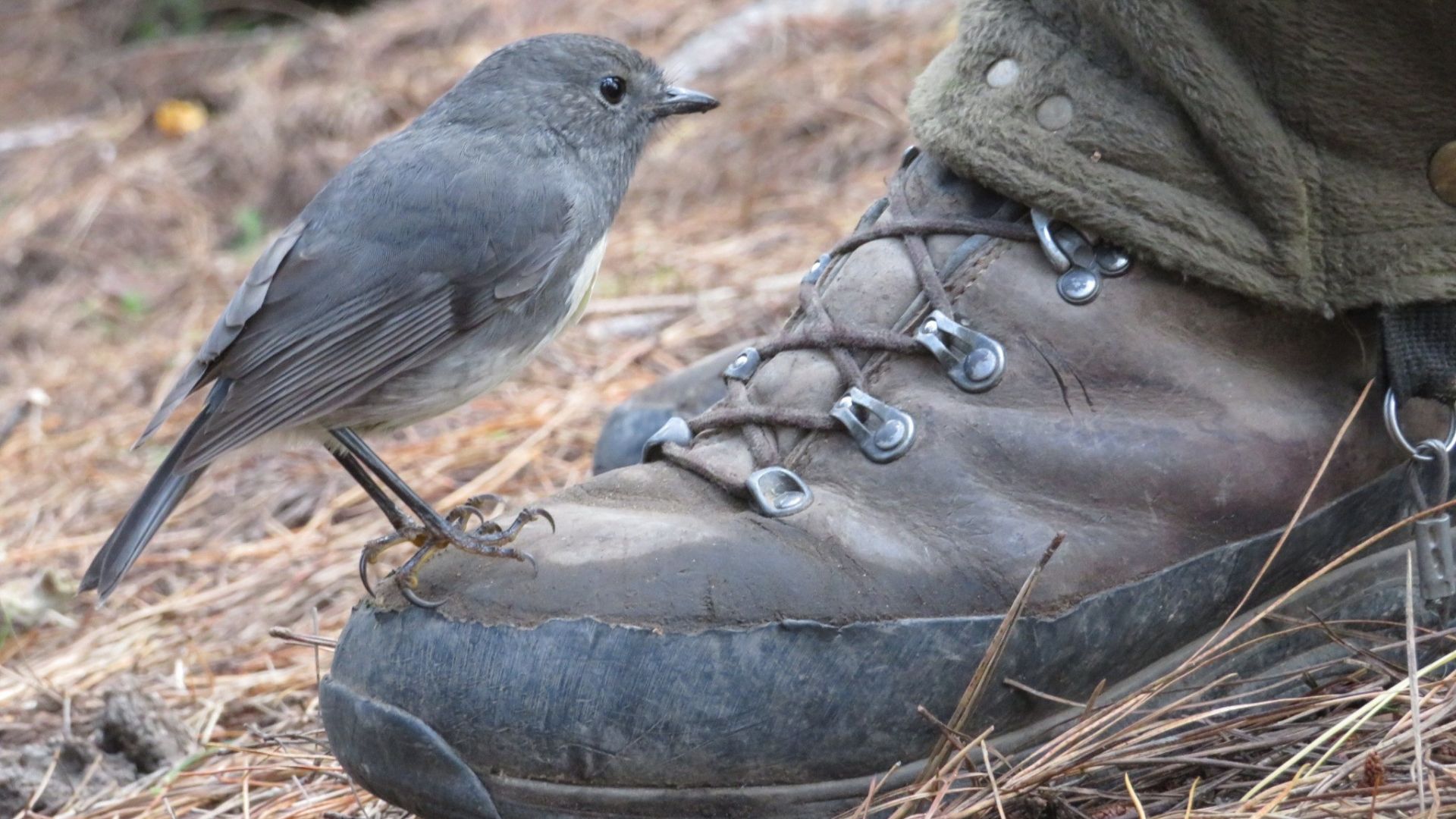
Are New Zealand’s curious robins losing their charm to predators?
Research suggests our friendly and curious kakaruwai (South Island robin) might be losing their bold personalities in the presence of introduced predators.
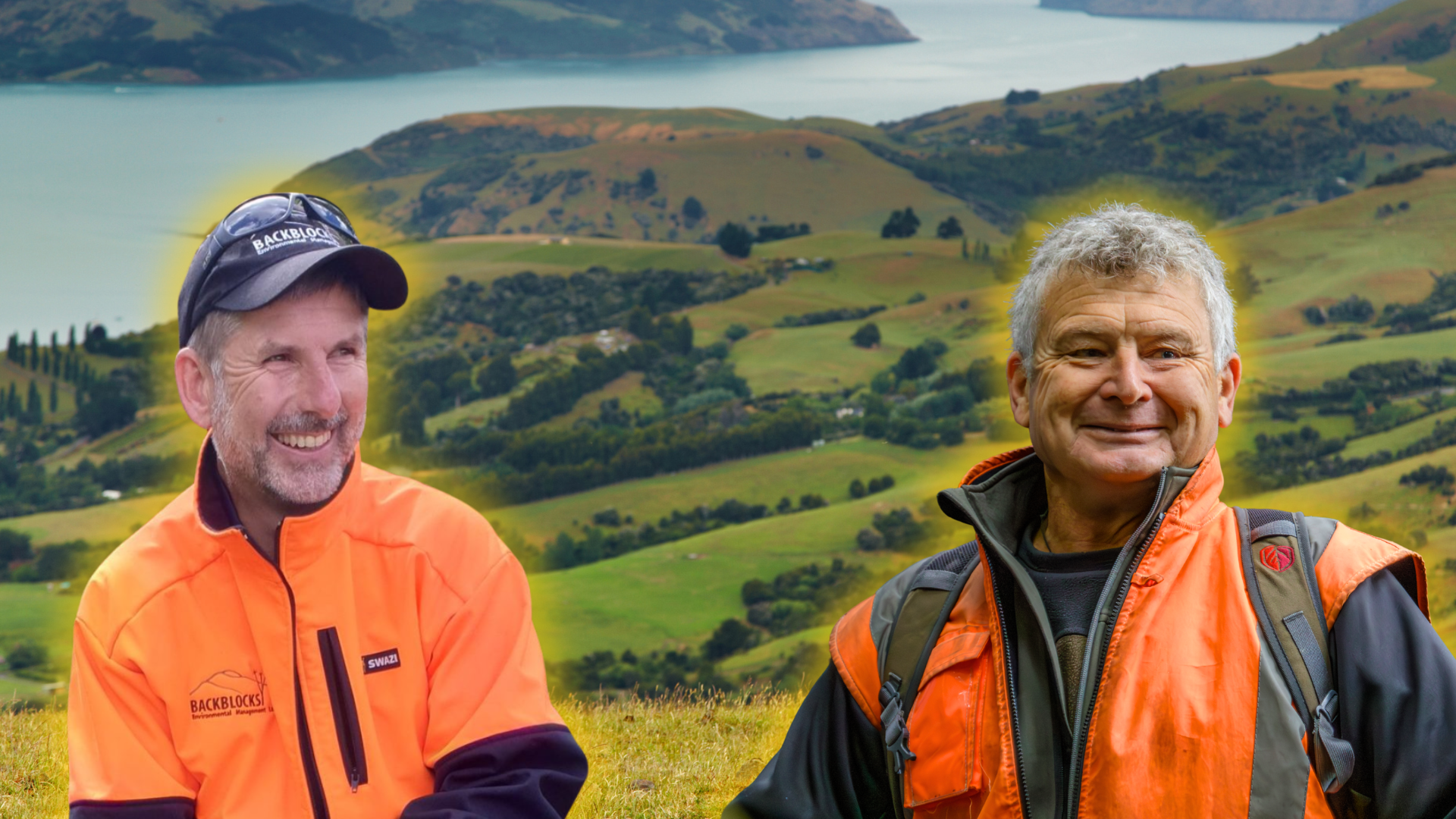
Golden tips for predator control on farms: expert advice from Cam Speedy and John Bissell
When it comes to predator control on New Zealand farms, few know their stuff better than experts Cam Speedy and John Bissell.