
Of the 147 native gecko and skink species found across Aotearoa, 96.6 per cent are classified as Threatened, At Risk or Data Deficient. Behind that statistic are species hanging on in tiny pockets of habitat, some numbering only a few hundred individuals.
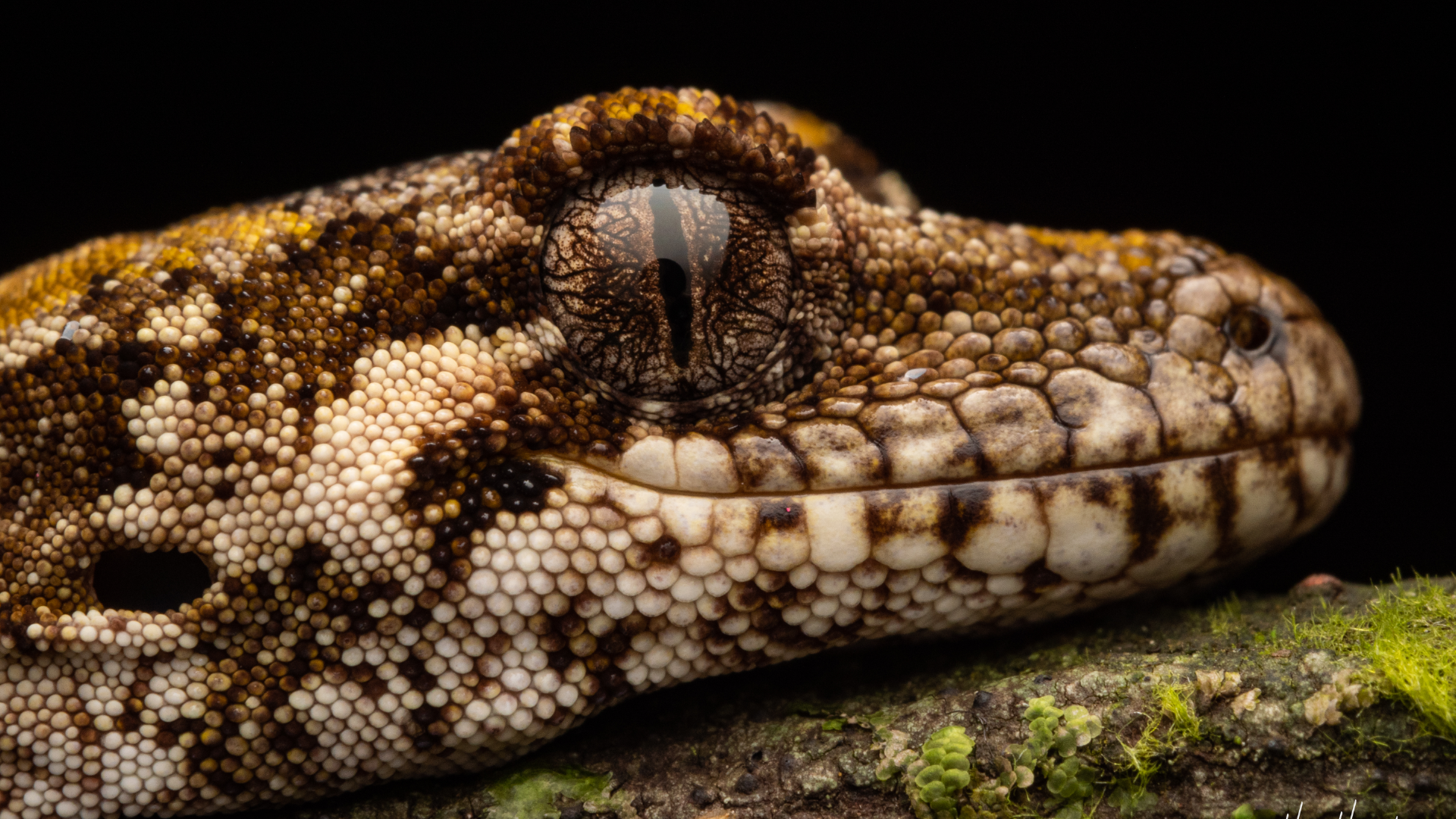
With an estimated population of just 30 individuals remaining, the Alborn skink is one of New Zealand’s rarest reptiles.
A newly built predator-proof sanctuary near Reefton is designed to give the critically threatened species a fighting chance – and conservationists hope it can become a blueprint for protecting many of Aotearoa’s struggling native lizards.
It comes as a 2026 Department of Conservation threat assessment (PDF, 2.2 MB) shows the precarious situation most of our native lizards are in. Of NZ’s 147 native gecko and skink species, 96.6 per cent are now classified as Threatened, At Risk or Data Deficient, leaving just four species considered Not Threatened.
While the figures are alarming, senior herpetologist Carey Knox says they also highlight an important reality about New Zealand’s reptiles and how conservation decisions are made.
What do the threat classifications actually mean?
“Few people understand the difference between ‘At Risk’ and ‘Threatened’, but it is actually a massive difference,” Carey says.
New Zealand’s reptiles are slow-growing, long-lived and often reproduce infrequently. That means scientists look at their extinction risk over decades, rather than just a few years, he says.
For some alpine geckos, population trends are projected as far as 75 years into the future because they may only breed every second or third summer.
As a result, species that remain widespread today can still be considered “At Risk” if scientists expect gradual declines over the coming decades.
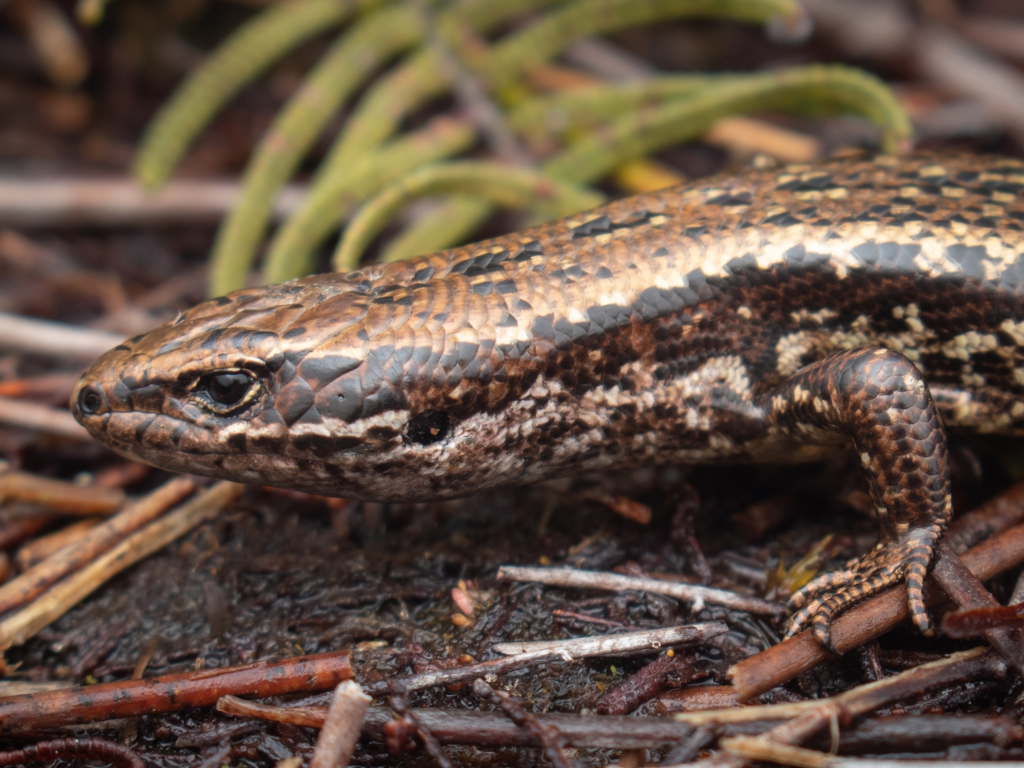
Knox points to the southern grass skink as an example – although the species numbers in the millions, it is classified as “At Risk, Declining”. This is because habitat loss is expected to reduce its population over the next three generations.
That contrasts with New Zealand’s most threatened reptiles, many of which number fewer than 20,000. Some are thought to survive as only a few hundred animals, while several Data Deficient species are known from just a handful of sightings.
Fighting for survival

The latest assessment found eight reptile species have moved into more threatened categories since 2021, although seven of those changes reflect improved scientific understanding rather than sudden population declines.
The Sinbad skink, in Fiordland, is one exception.
Department of Conservation senior science advisor James Reardon says surveys have shown the species has disappeared from parts of the alpine gully where it was previously found, resulting in its status worsening to the highest threat level.
Seventeen lizard species improved in status since the last assessment, although 13 of those changes reflect better knowledge rather than genuine recovery.
Four species, however, have improved because of active conservation work.
Among the success stories are Grand and Otago skinks, which are recovering in predator-managed areas at Macraes Flat and within Alexandra’s Mokomoko Sanctuary. Kapitia skink populations have also increased after being moved into fenced sanctuaries.
The overlooked predator
Predators remain one of the biggest challenges facing New Zealand’s reptiles, but Carey says people are often surprised by which introduced mammal poses one of the greatest threats.
“In many habitats, mice are the most devastating predator of New Zealand lizards,” he says.
While stoats and rats often dominate discussions around predator control, Carey says mice are frequently the greater threat to native lizards. Small enough to reach into rock crevices and other refuges, they prey on juveniles and even adult lizards.
“There are numerous examples in the scientific literature of how devastating mice can be to native lizards,” he says, making effective mouse control one of the biggest challenges facing conservationists.
That creates a difficult challenge for conservation managers because predator control programmes designed primarily for birds can sometimes have unintended consequences.
When rats, stoats and possums are removed, mouse numbers can increase and place greater pressure on vulnerable lizard populations.
Developing better ways to control mice is therefore one of the biggest priorities for improving reptile conservation.
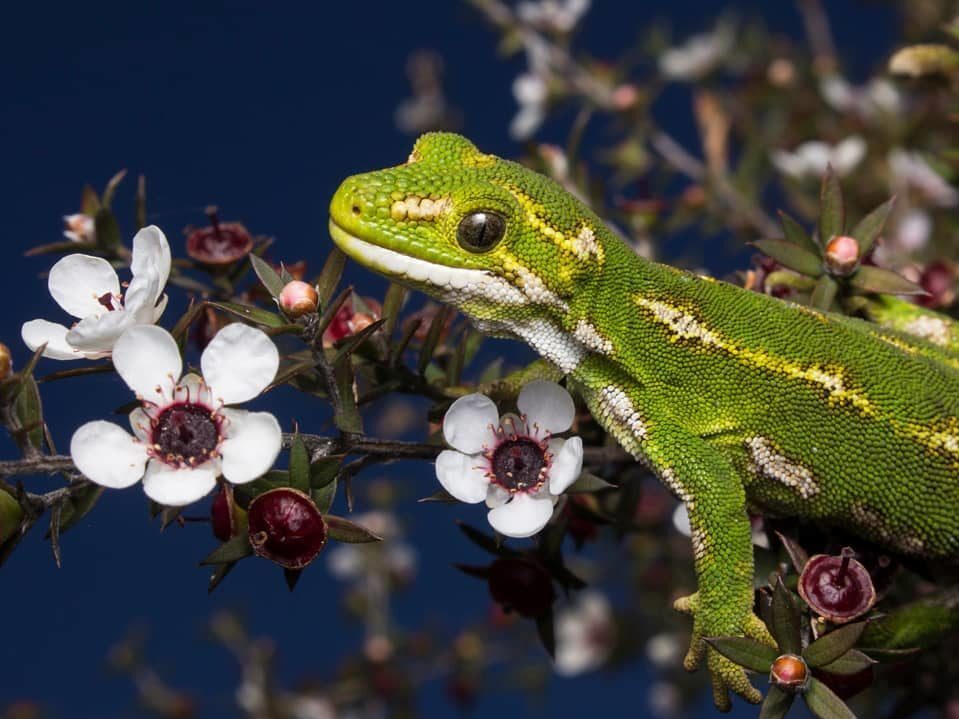
Like with many animals, habitat loss, land-use change and climate change are also increasing pressure on many lizard species. Warming temperatures are allowing mammals to move higher into alpine environments that once acted as natural refuges for rare skinks and geckos.
Carey says protecting New Zealand’s reptiles will also require a shift in public attitudes.
“If our lizards could achieve the same public profile and level of funding as our native birds do, that would be a great start,” he says.
He believes predator-proof sanctuaries, targeted research and continued investment offer genuine hope, but says some species are running out of time.
While the latest assessment highlights how vulnerable New Zealand’s remarkable reptiles have become, it also shows that where sustained conservation effort is applied, recovery is possible.