
Avian influenza has arrived in Aotearoa New Zealand, with the first case being found on Petone Beach in Wellington. The risk to human health is low, but here’s what you can do on the trapline or in your backyard to minimise the risk of spreading the disease.
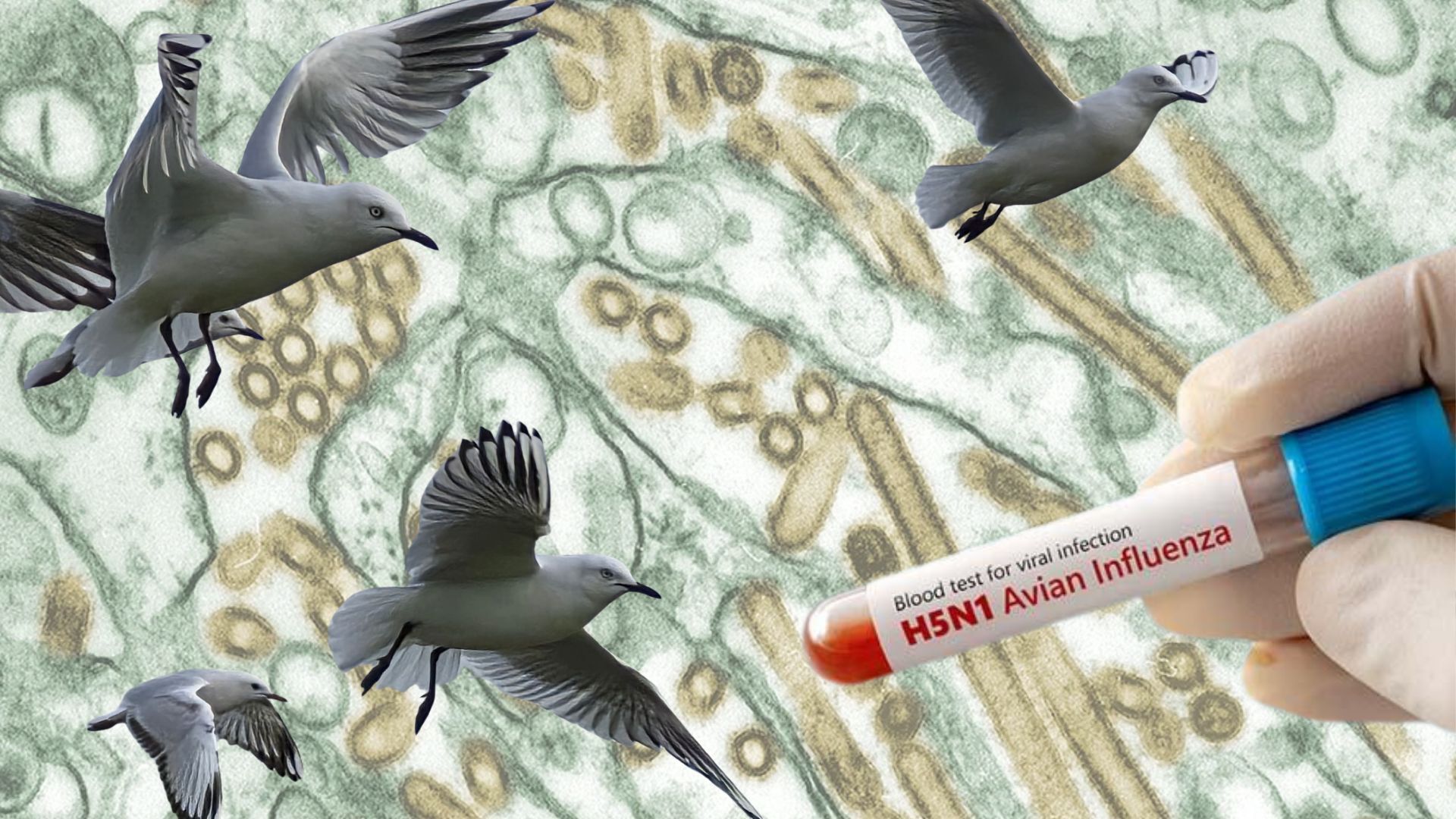
Look out for sick birds
The Ministry for Primary Industries (MPI) is monitoring the disease and is asking the public to help.
If you see three or more sick or dead birds, report this immediately to 0800 80 99 66, with as much detail as possible, including precise location and bird species.
Leave the bird where they are; don’t handle or move the birds, even with gloves on.
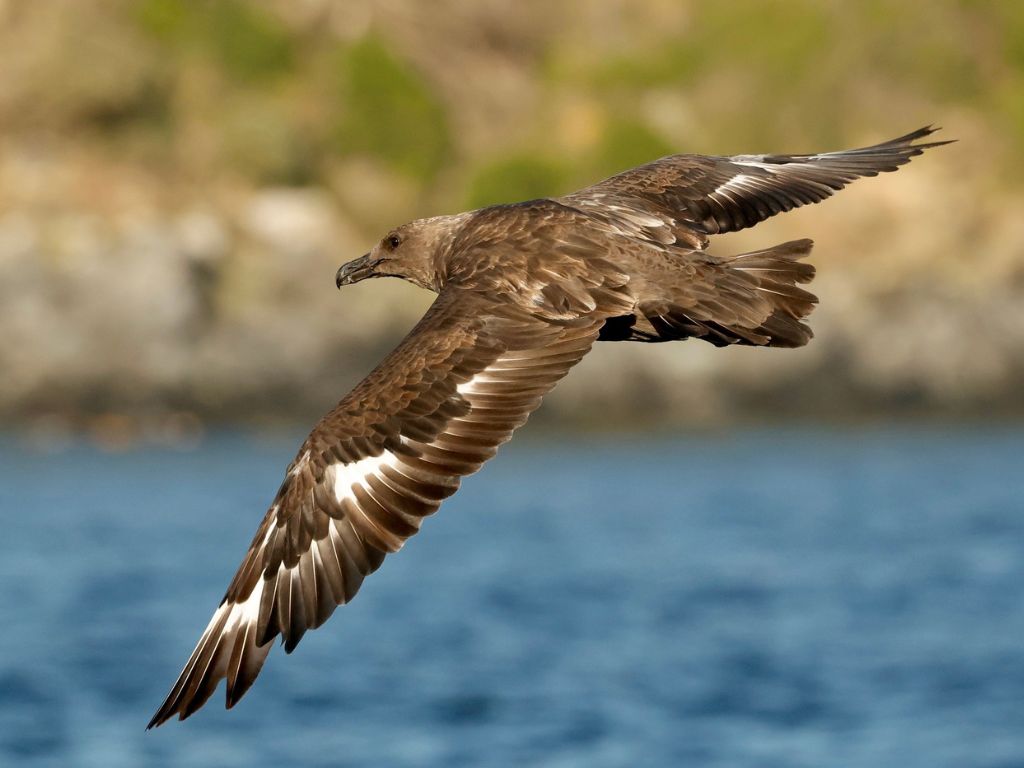
No more bird feeders
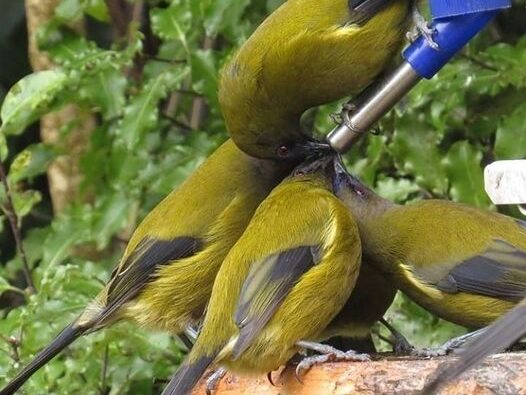
MPI recommends not feeding backyard birds, as it encourages birds to congregate, putting them at increased risk of spreading bird flu.
Feeding birds in your backyard is a loved pastime for many people, so this will be an adjustment. Planting native trees, shrubs, and flowers is a great way to keep native birds visiting your garden safely.
By planting a range of native trees and shrubs, you can provide food sources for a range of different birds. The best time for planting is late winter into spring. Our article ‘If our native birds were gardeners, what would they plant?‘ can help you decide what to plant.
Phase out eggs and raw poultry as lures in your traps
Raw eggs and bird meat could contribute to the spread of disease.
While the risk is very low for now and there is no official recommendation to stop using these lures, consider phasing them out for now or make sure you use shop-bought eggs. Commercial poultry farms have good controls on bird flu, so they have a low risk of carrying the virus.
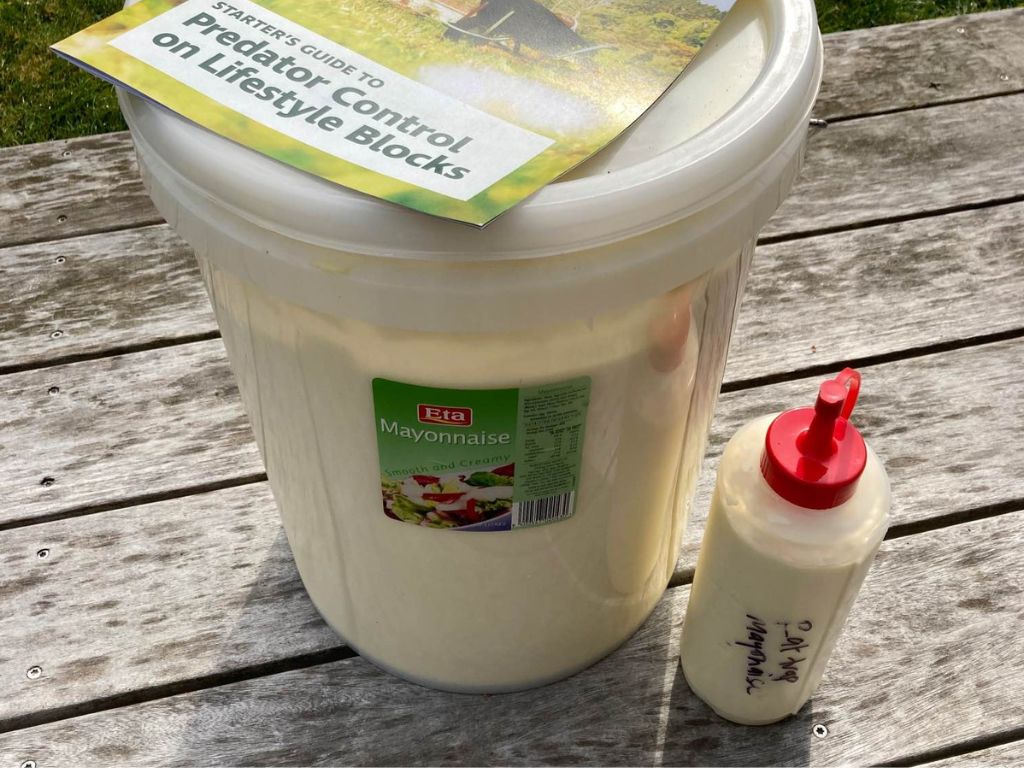
As an egg alternative, we recommend egg-based mayonnaise, which is pasteurised and therefore doesn’t pose the same risks as raw eggs.
Clean your gear thoroughly
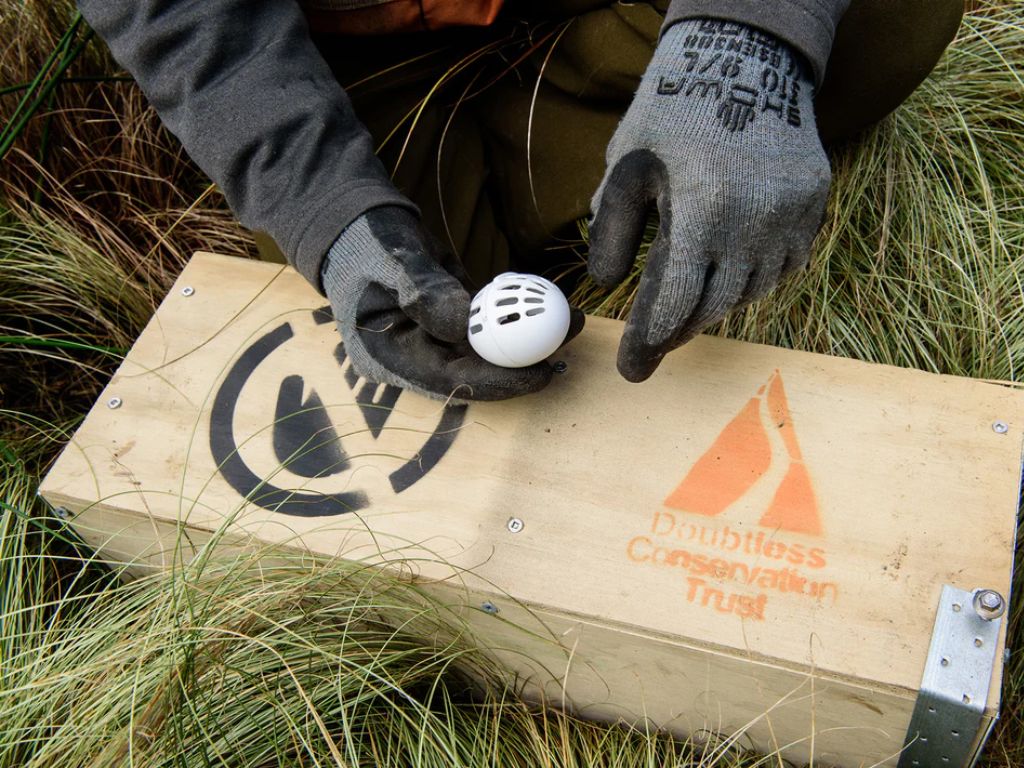
When out doing predator control, the Department of Conservation recommends wearing closed footwear and using gloves, rubber-fingered gardening gloves or disposable gloves.
When you’re done, it is recommended to disinfect your gear, including your hands, phone, clothes, equipment and footwear.
Basically, give everything a good scrub when you get home to keep you safe and prevent transferring the virus between different environments.
Keep pets close
Cats seem to be very susceptible to severe illness from H5N1 and could contract it from exposure to wild birds.
Keeping cats safe and happy at home minimises the risk of being exposed to the disease, and it’s best for our wildlife too.
If you’ve got your dog with you on the beach or in the bush, keep it on a lead.
Off-lead dogs could come into contact with infected wildlife, putting them at risk.

Department of Conservation has created an H5 bird flu wildlife resource kete. It brings together practical guidance, training resources and information to help organisations, community groups and volunteers prepare for and respond to H5 bird flu.
MPI has more information about bird flu and is the official source for up-to-date information.