
Beyond gloves, lure, and a screwdriver, these tools will help you keep your traps rust-free, your gear easier to carry, and your lure safe.
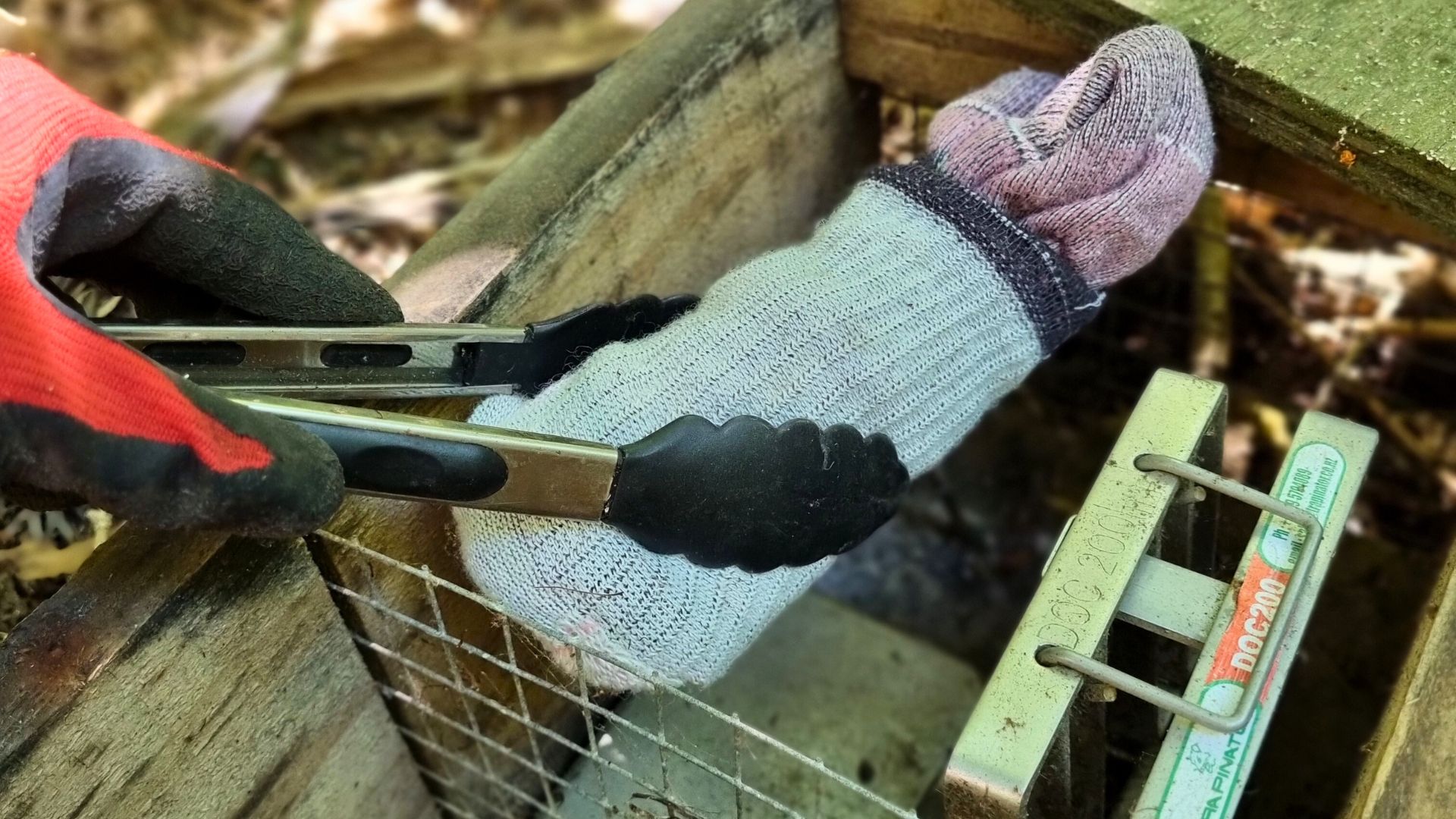
Trapper belt pouch
Where do you stash your gear when you’re hitting the traps? Screwdriver in one pocket, bait in the backpack, DOC 200 safety clip somewhere behind you on the track.
Fiordland Packs has a useful – dare we say stylish – solution. These two-pocket trapping pouches attach to your belt or waist bag, keeping all your tools at arm’s reach. They’re built with durable material, are roomy for essentials, and come in a range of colours to suit your trapping style (it’s not all green and khaki out there).
If you need more storage or something to attach the pouch to, the Te Anau-based company also makes waist bags in custom colours with two pockets and a tongs holster.
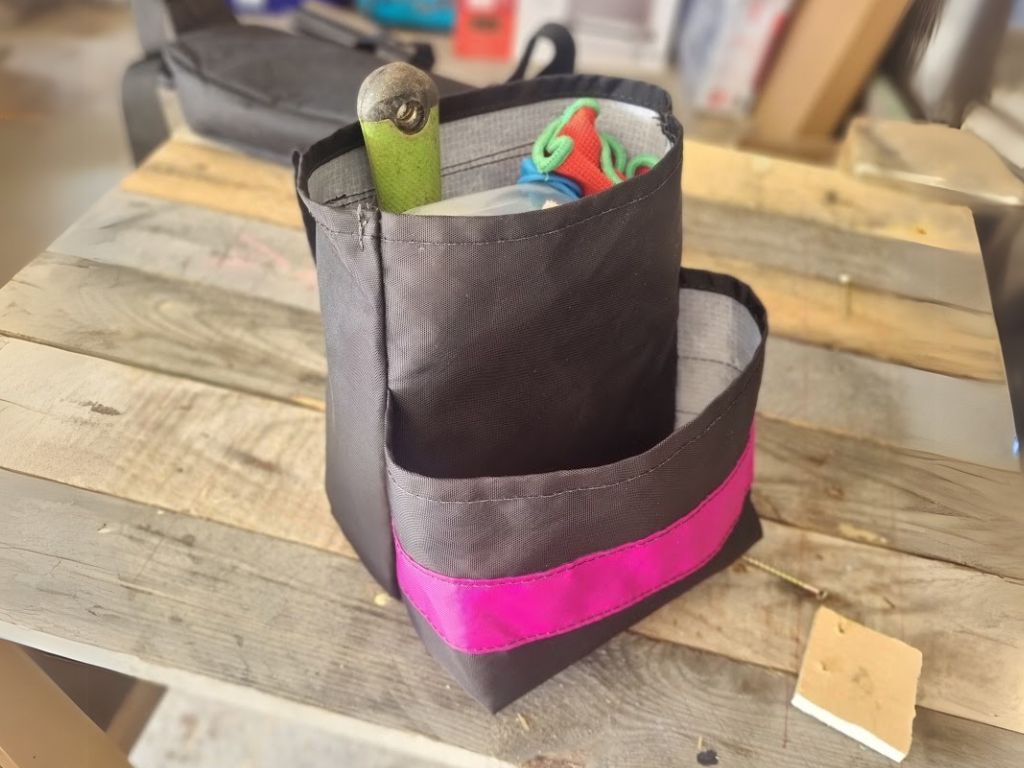
Kitchen tongs
If you’ve wrestled a spiky hedgehog or a decomposing rat out of a trap, you will be interested in the humble kitchen tongs.
It is a simple, cheap tool that keeps your hands clean and safe.
They make removing catches easy and keep your hands away from the unpleasant bits.
Just label them carefully – no one wants to mix up trapping tongs with your BBQ utensils.
LureGard
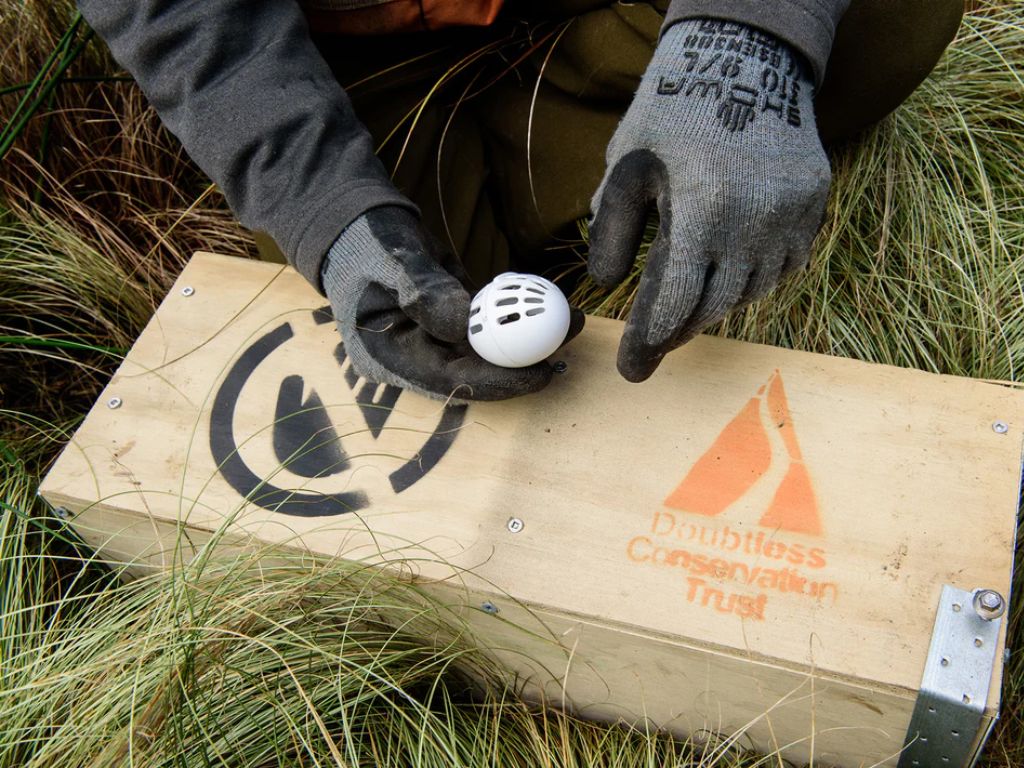
Disappearing lures are a common problem among trappers. This new protection device stops mice from stealing your lure while doubling as a fake egg to attract stoats and rats visually.
The inventor, Marcus King of Trap Tools Ltd, spent years experimenting, even trying peanut butter in hair curlers and cat food in tea infusers.
Using his 3D printer, he combined fake eggs and grilled boxes to create LureGard, which fits in DOC200 and rat trap wooden tunnels. Any baits that fit inside the device can be used (e.g. Erayz, pellets, pieces of fresh meat, or peanut butter).
You can purchase online, starting at a pack of 10 for around $30.00
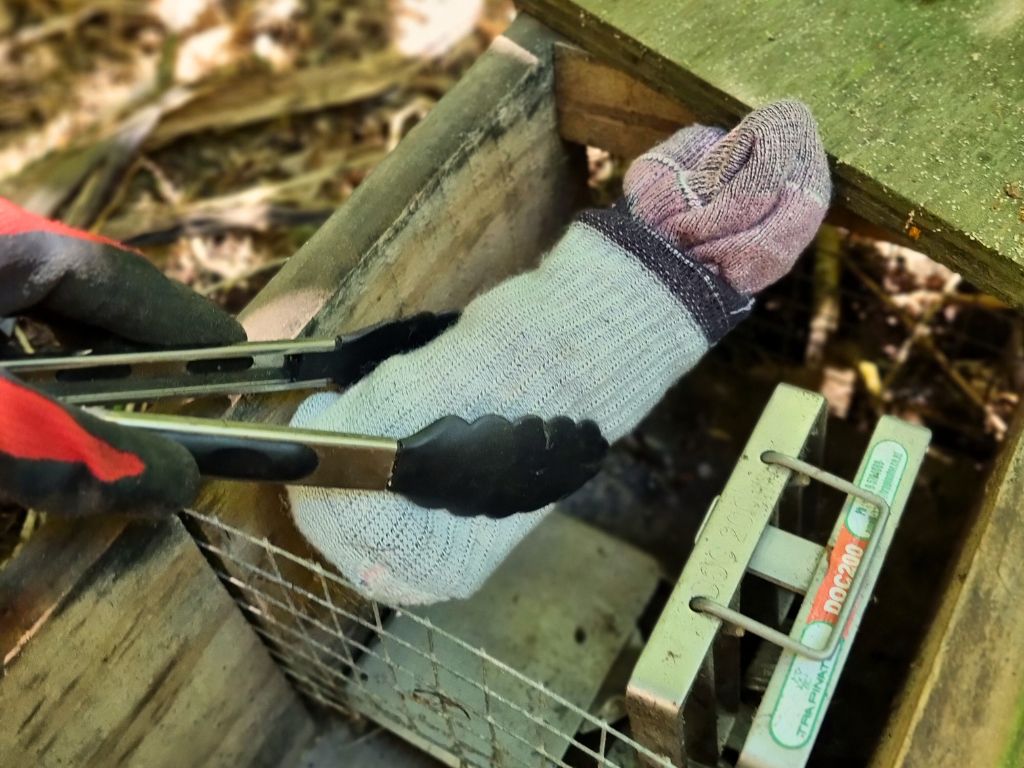
Old pair of socks
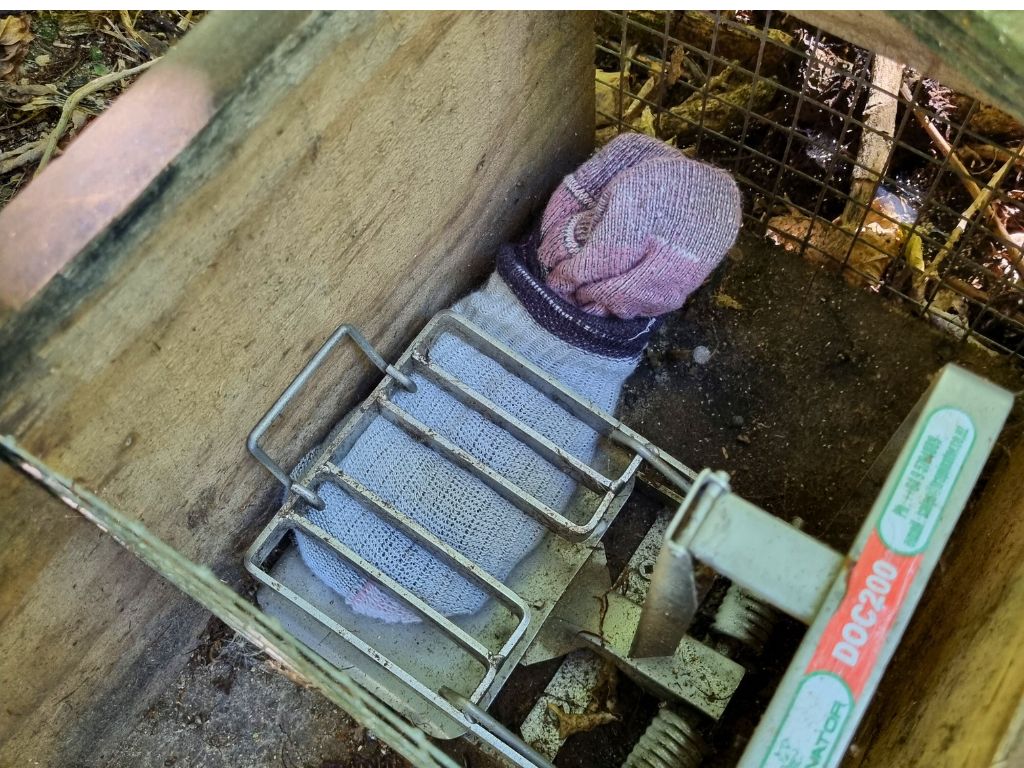
It’s a good idea to test if your trap is actually even working, especially if you haven’t caught anything in a while.
But “dry-firing” risks damaging a trap’s mechanisms – that’s where an old pair of thick socks comes in.
A pair of socks mimics the weight and size of an introduced predator. Chuck them onto the stoat or rat trap to check the trigger.
If it’s not firing correctly, it’s time to calibrate your DOC 200 or Victor Professional (PDF, 465 KB).
Wire “toothbrush”
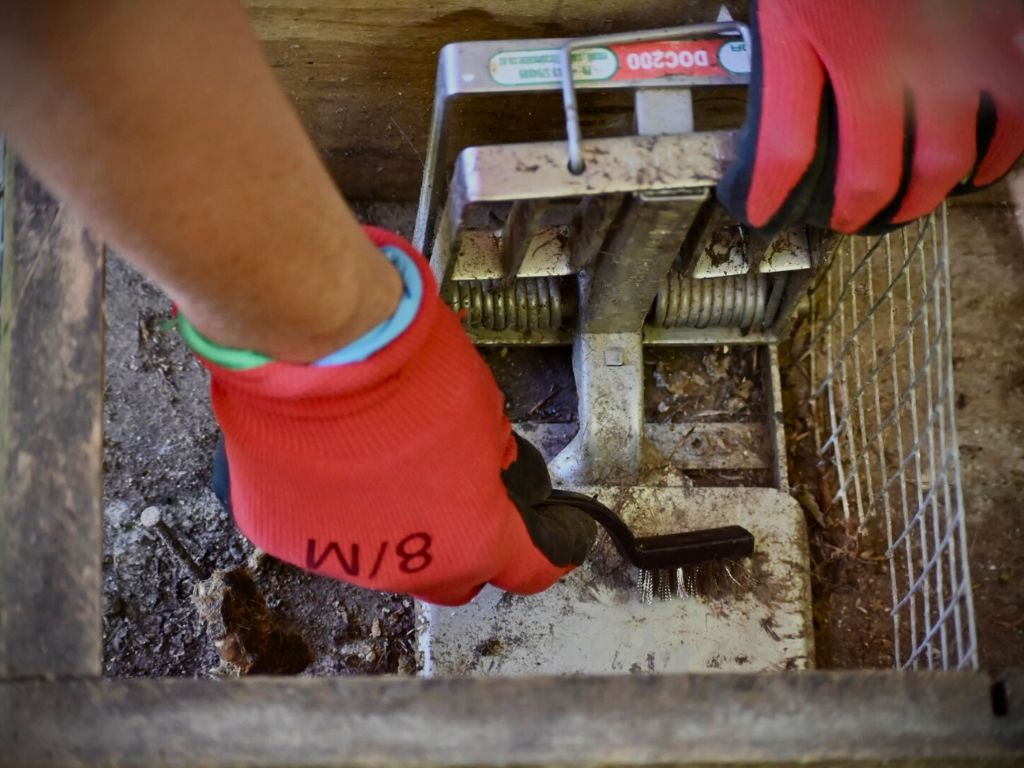
A small wire brush shaped like a toothbrush is perfect for getting into nooks and crannies.
Spend a few seconds at each trap brushing away debris, especially fur caught in a trap’s mechanisms or moving parts, which could cause a misfire.
These brushes can be purchased from your local hardware store, usually in a three-pack with different brush heads.
Feeling fancy? A wire brush wheel fitted to a drill will make quick work of debris and rust.
Canola cooking spray
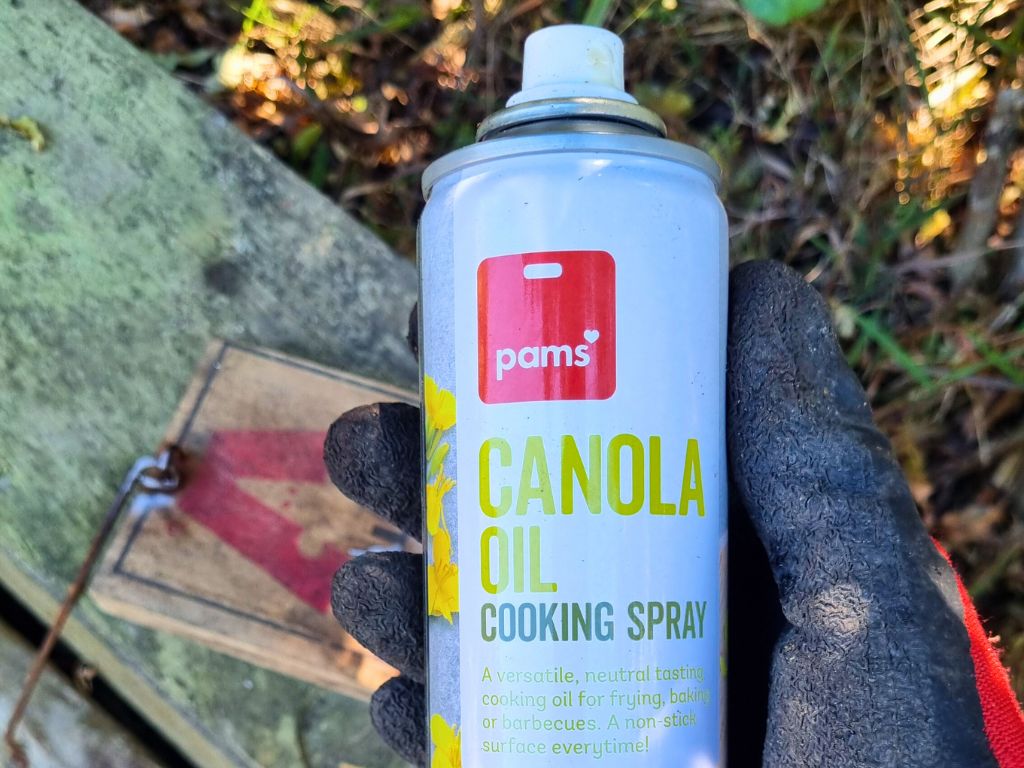
A sprtiz of canola cooking spray every once in a while can help keep rat, stoat and possum traps working smoothly.
One- to two-second bursts of spray on the steel mechanisms of Victor Professionals and the metal parts of DOC 200s or 250s keep things moving and add a bonus scent to entice predators.
This is a good on-the-go tool; for a deeper clean, Victor Professionals can be soaked in oil (canola, soya, peanut or any salad oil) by submerging them overnight then draining them thoroughly before setting.
Speed wrench
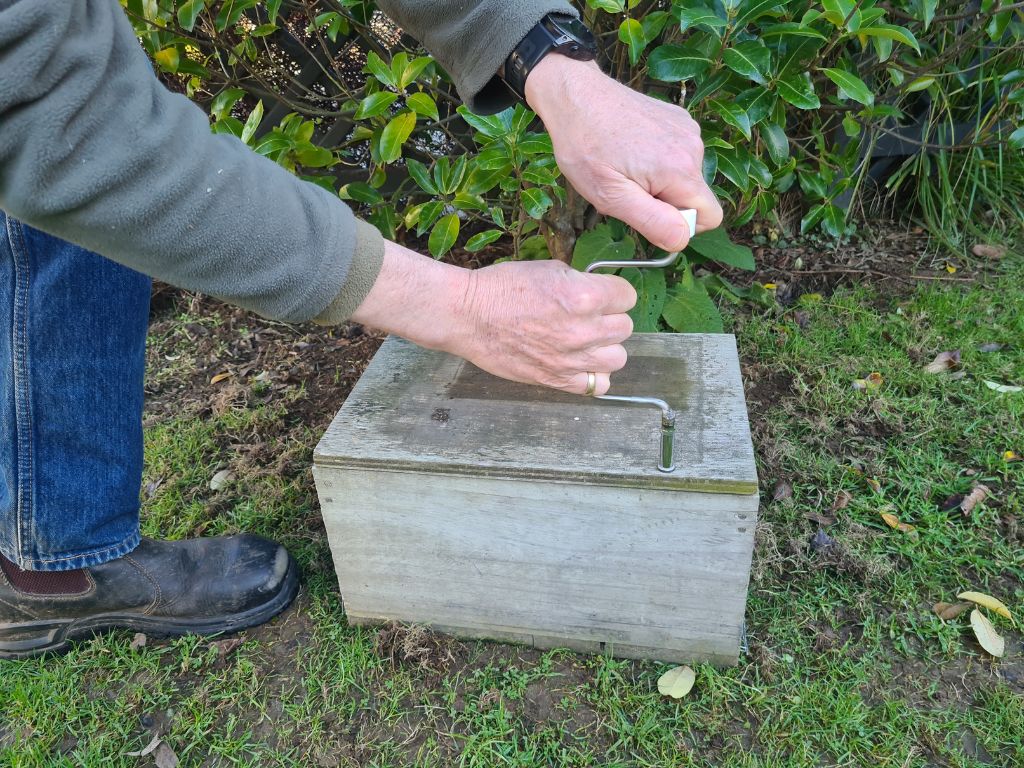
Open DOC series trap boxes faster with this speed wrench.
This tool is a compact, lightweight wrench for opening and closing lids (or anything with a 8mm hex head).
The socket extension used in conjunction with the wrench allows you to remove DOC 150 and 200 traps from inside trap boxes for cleaning or repair.
Tried and beloved by many trappers, this one-man business sells the speed wrench for $75 and the socket extension for $25.
Email Tony to put in an order or ask for more information.
Do you have a favourite hack that isn’t on this list? Share it with us. The best tricks are often the ones learned in the field.