
Living 800 kilometres offshore brings some unique challenges. For one thing, controlling introduced predators isn’t only about protecting native species; it’s also about securing the community’s own food, water, and way of life.
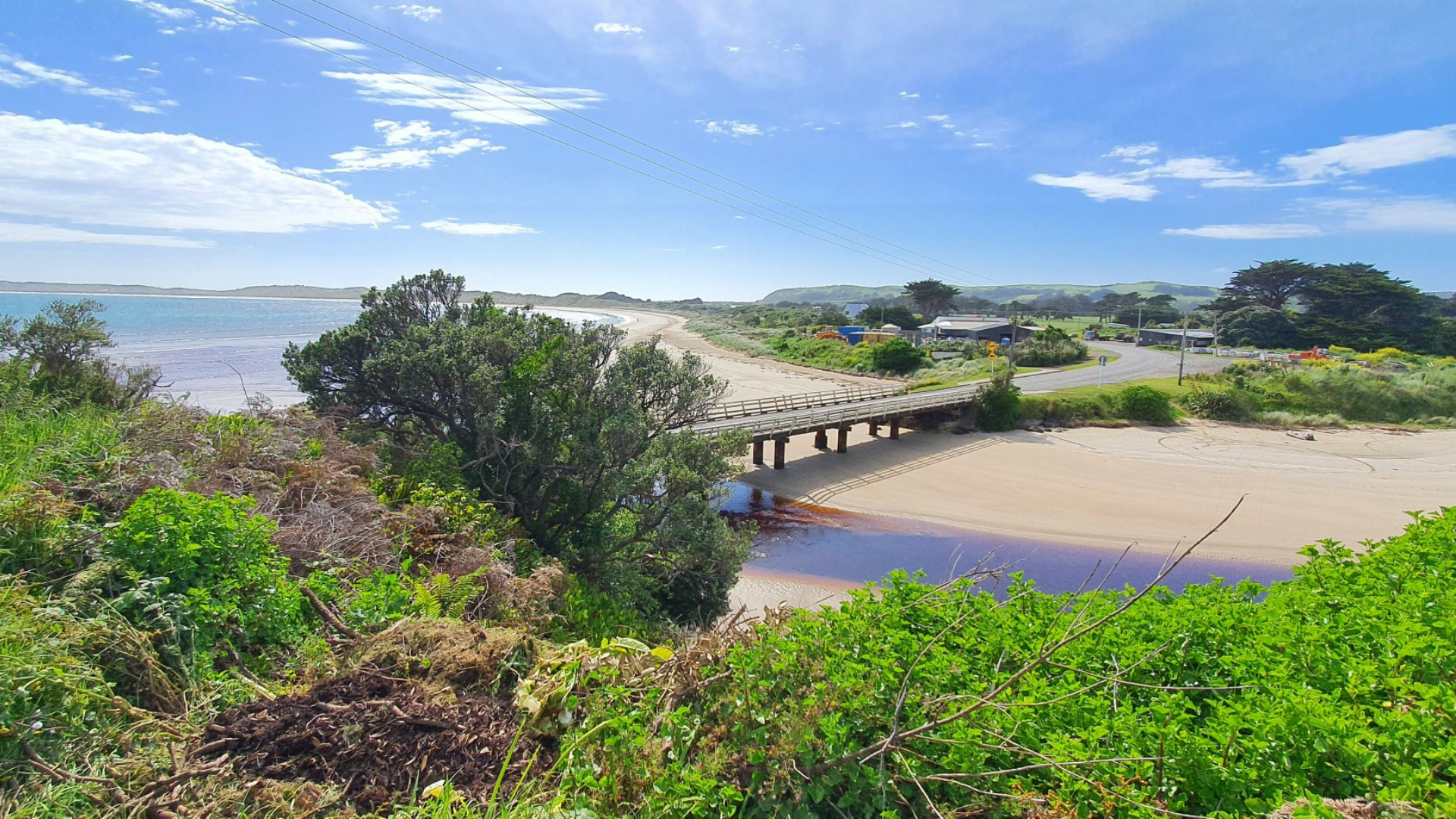
Out here, getting your 5+ a day isn’t as simple as nipping to the supermarket.
Most of the food supply arrives via ships roughly once a month to Rēkohu/Wharekauri (Chatham Island), with some goods flown in by the local airline. For nearby Rangihaute/Rangiuria (Pitt Island), sailings are just four times a year, or even up to six months during severe weather.
Growing a vegetable garden isn’t just a trend driven by inflated food prices or a weekend hobby; it’s how to keep fresh food on the table. So when rats and possums raid a vegetable garden, it can hit hard.
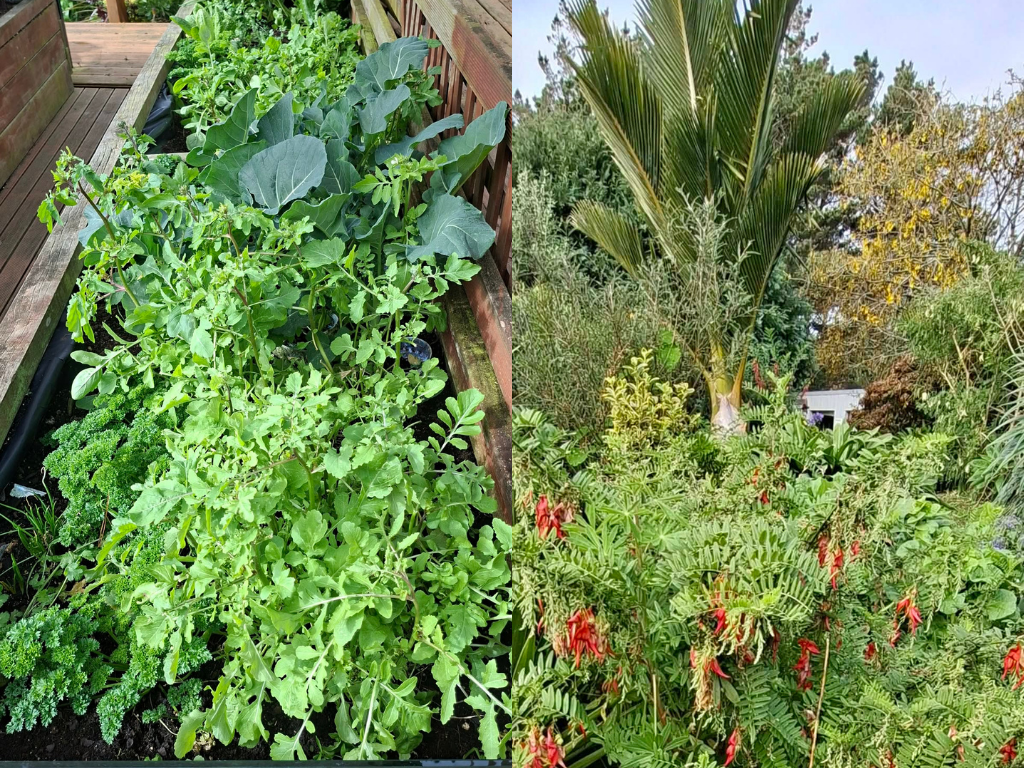
Local Ces Lanauze has an impressive garden with vegetables and native plants, as well as a vendetta against the possums that raid it. She tops the local charts for catch numbers.
“Obviously word got out to the possums that I have peas, but not what happens if you eat my peas,” Ces says.
Glennis Day is another avid trapper, after seeing rat droppings in her garage and for protecting her apple trees. “It’s become a challenge. We’re all thinking the same: if we can get rid of these pests, it’ll be great.”
In Kaingaroa village, a resident set up a community garden pumping out free produce for locals, taking any extra down to the largest settlement, Waitangi, for koha. Trapping possums and rats was key to keeping that food source flowing.
Beyond the vege patches, pests can threaten something even more important: fresh drinking water. Many homes rely on roof-harvested rainwater tanks.
When animals like possums and rats use roofs as highways or hangouts, they leave droppings in gutters that wash into rainwater tanks, creating a risk of waterborne pathogens like giardia, a tiny parasite that causes diarrhoea.
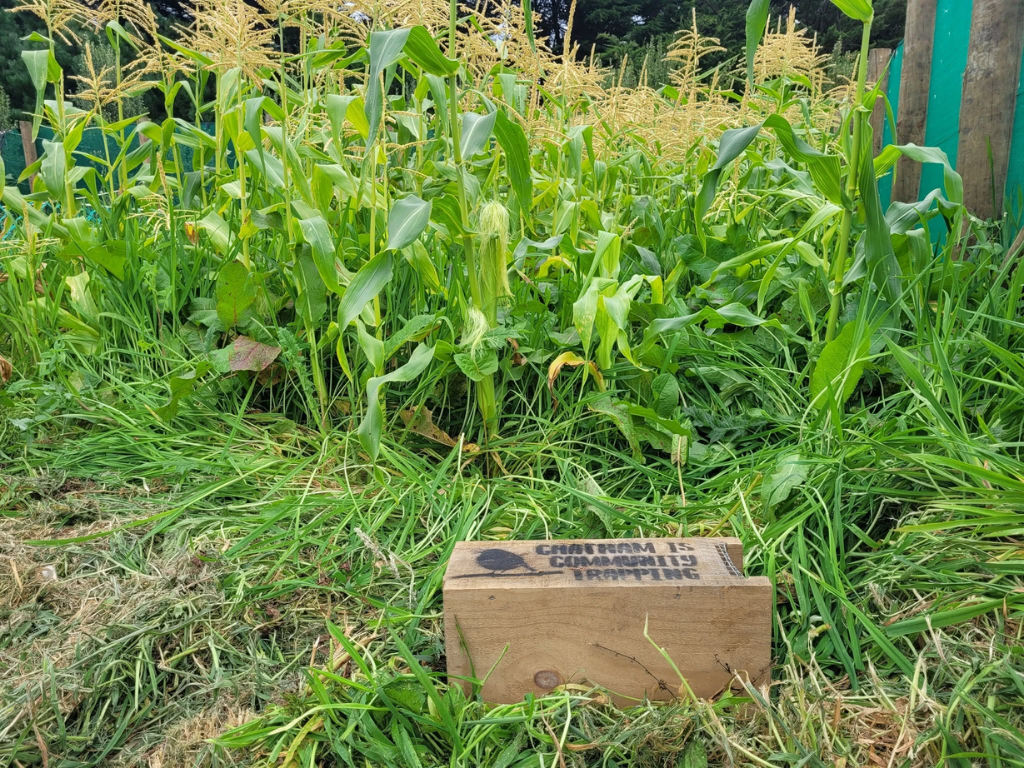
With recent funding from the Predator Free New Zealand Trust and the Simplicity Foundation, new traps are rolling out into more backyards.
Each trap is part of the Chatham Islands Landscape Restoration’s bigger effort to eradicate introduced predators from the entire archipelago.
The stakes are also high for nature
The Chatham Islands are home to 10% of New Zealand’s endangered species, and 20% of the world’s seabirds spend time here. It’s a place that famously brought back the parea (Chatham Island pigeon), the Chatham Island tāiko (magenta petrel), and the iconic karure/kakaruia (black robin) from the edge of extinction.
The islands have one major advantage over much of mainland New Zealand: they have never had mustelids like stoats, ferrets, or weasels, and Pitt Island has the added advantage of having no possums or rats either – leaving feral cats and mice as the only mammalian threats.
But that’s where the advantage ends: trapping in the islands’ harsh coastal environment is no easy task.
The Chatham Islands rank among Earth’s harshest environments, where coastal air corrodes metal up to 22 times faster than on the mainland. The relentless salt spray degrades everything from vehicle chassis and iron roofs to metal traps.
There’s no fully-stocked local hardware store to pop into when gear wears out, or operations expand. Getting traps requires ordering months in advance, waiting for manufacturing, and coordinating sea freight before hauling gear off the Waitangi docks.
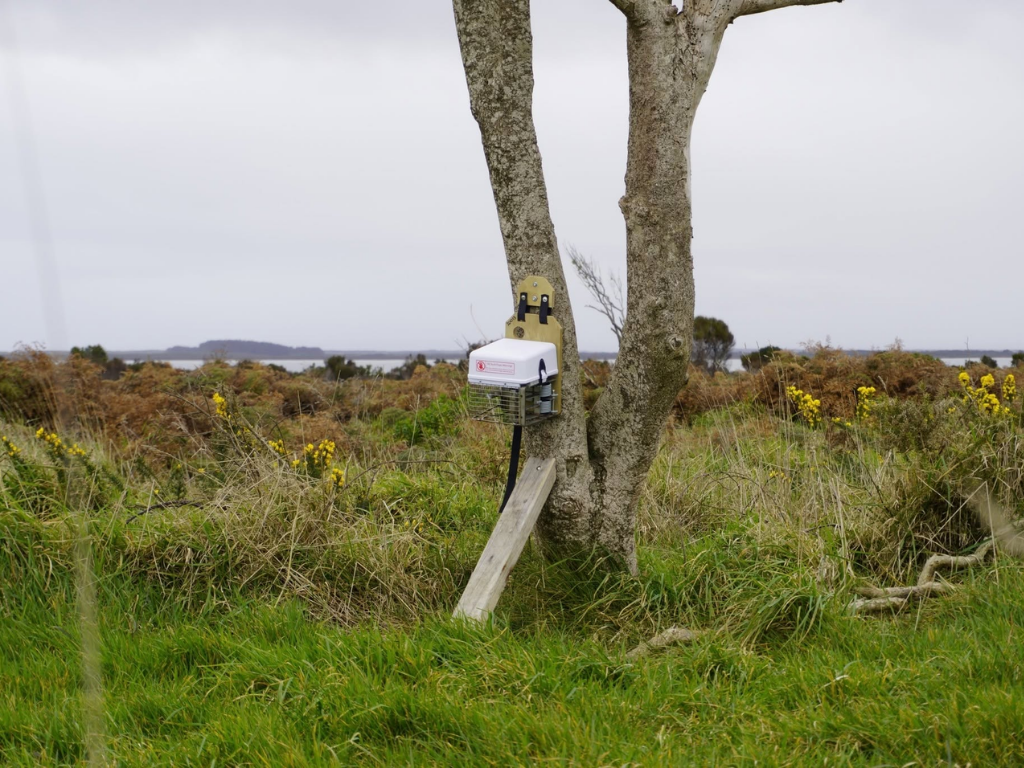
The project has started in the northeast of Chatham Island with around 400 self-resetting AT220 possum traps expected to be needed across 7,500 hectares in the first phase.
A goal built from the ground up
The goal for predator free Chatham Islands started over cuppas at the kitchen table.
A shared purpose runs through every level of the Chatham Islands Landscape Restoration project. Both the Hokotehi Moriori Trust and Ngāti Mutunga o Wharekauri Iwi Trust hold mandated seats on the project’s board, with the first phase launching in the northeast, which includes Hokotehi land.
The local ownership is visible in the day-to-day trapping effort too. On the local private Facebook group, trappers share photos of their latest catches, with a bit of “jokey competitiveness” as they rack up dozens of catches.
Pitt Island in particular shows what a community can achieve when working together. Around 40 people live on the island, and support for feral cat eradication is unanimous.
All pet cats have recently been desexed (some were flown out for the procedure) and feral cats were reduced by 90% by a feral cat control programme a few years ago; the island recently celebrated its first wild tūturuatu (shore plover) fledgling in 150 years.
The Department of Conservation has now awarded more than $1 million to CILRT to eradicate the remaining feral cats.
In a tight-knit community where most residents juggle multiple roles, conservation provides steady work, with more local jobs set to open up as the project expands, fueling a growing nature-based economy.
Backed by local micro-nurseries for restoration plantings and budding ecotourism, trapping is helping turn island kaitiakitanga into a lasting livelihood.