
When it comes to predator control on New Zealand farms, few know their stuff better than experts Cam Speedy and John Bissell. Between them, they’ve spent decades helping farmers and conservation projects across the country make real headway against rats, stoats, possums, feral cats and ferrets.

“Reasons for doing predator control on farms are diverse,” says Cam, a self-employed wildlife biologist and hunter based in Tūrangi.
The obvious motivation is production: protecting crops and feed from possums and rats, as well as infrastructure.
“Possums and ferrets spread bovine TB, rats spread leptospirosis through their urine, and cats carry toxoplasmosis, which causes sheep abortion.”
But increasingly, the motivation is biodiversity. “We all love wildlife on the farm, kererū in the kōwhai trees and waterfowl in the wetlands,” Cam says. “Predator control protects that, our riparian plantings and catchments. It’s about long-term land sustainability as much as production.”
The experts agree: it’s not about setting a few traps or laying out toxins and hoping for the best. It’s about strategy, picking your tools and fieldcraft.
Do less, do it well
“If you get the basics right, I promise you that you will get better results,” says John, director of Backblocks Environmental Management Ltd, based in the Wairarapa.
Having a clear strategy will make doing predator control easier and more cost-effective.
“You’re better to do less, do it well and do it for a long time,” says John.
For the best chance of success, the experts recommend teaming up with neighbours. Predators don’t recognise human-made boundaries.
John says good trapping should be as exciting as opening Christmas presents. “Work towards a point where you can’t wait to check the next trap to see if what you did last time has made a difference.”
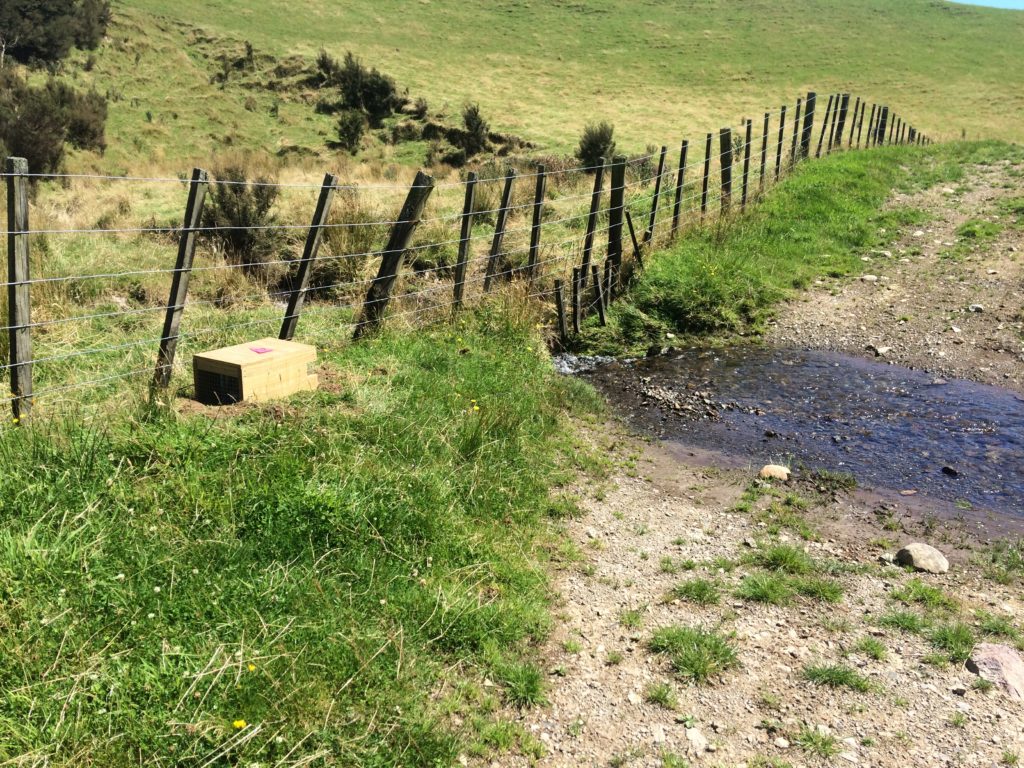
Years in the field have taught him that good trapping isn’t luck; it’s understanding animal behaviour. “Get inside your target species’ head and try to think like them,” John says. “Think about the season, weather and food availability and use them to your advantage.”
Cam and John say all animal behaviour is driven by “the four Fs: fear, food, fornication and fighting”.

Exploiting food, fornication, and fighting is the key to smarter predator control.
For example, the annual possum mating is in March to April. Possums are extremely promiscuous, with both males and females having multiple partners, which can be used to your advantage with what’s called a “possum night club”.
“Find an area where you’ve seen signs of possums. Set up your traps and bait stations, but leave them unset. Put out fresh food every day for at least a week. Think local seasonal produce and a white flour/icing sugar blaze.
“Possums will come for the yummy treats and hot girls and boys. They carry food cues away on their breath, whiskers and fur. These and all the pheromones and hormones tell their friends about this cool new place. Once it’s busy like a nightclub, set your traps.
“It’s about working smarter, not harder,” Cam says.
Choosing your tools and using them wisely
John points out a few things to consider when picking a trap: whether the trap has been approved for humane use (check the National Animal Welfare Advisory Committee for an up-to-date list), if it’s safe around other animals, pets, and children, and how easy it is to use.
“There’s no perfect trap,” Cam says. “ And overused tools will become blunt.”
Cam’s favourites include the Victor Professional snap trap in a wooden tunnel or the D-Rat Supervisor Max for ship rats. For mustelids and bigger Norway rats, the DOC 200 or 250 is humane and sturdy.
Technological advances mean automatic self-resetting traps are available. NZ AutoTraps has developed the AT220, an automatic trap for rats and possums that’s increasingly popular on farms.
Where you put the trap or bait also matters.
“For stoats, ferrets and cats, the best place is at the edge of cover. That is where their prey is most common and where they hunt most often,” says John.
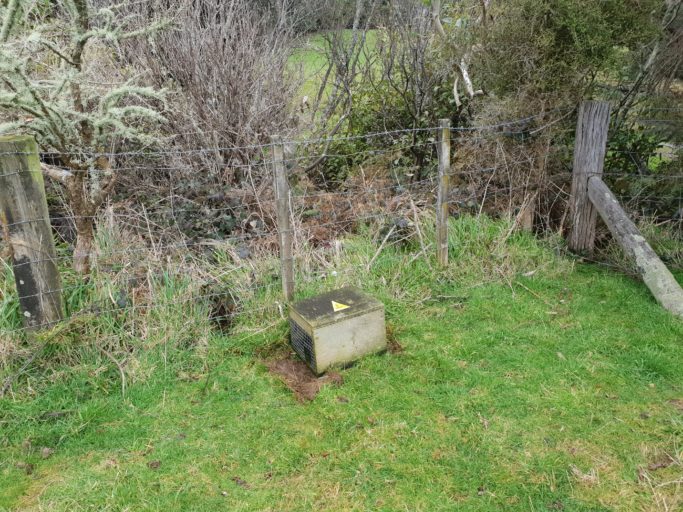
“If you can find a site on a creek where a fence and scrub edge intersect, then you are onto a winner. Think linear.
“This is different to possums, which will target a lone tree in a paddock. For rats, try around the offal pit, compost bin or farm rubbish dump.
“If your trap is out there and not catching anything, and you know the critters are there, then shift it,” John says.
Attract the predators in
Seasons matter, too. For example, toxic bait works best in late winter when food sources are naturally low.
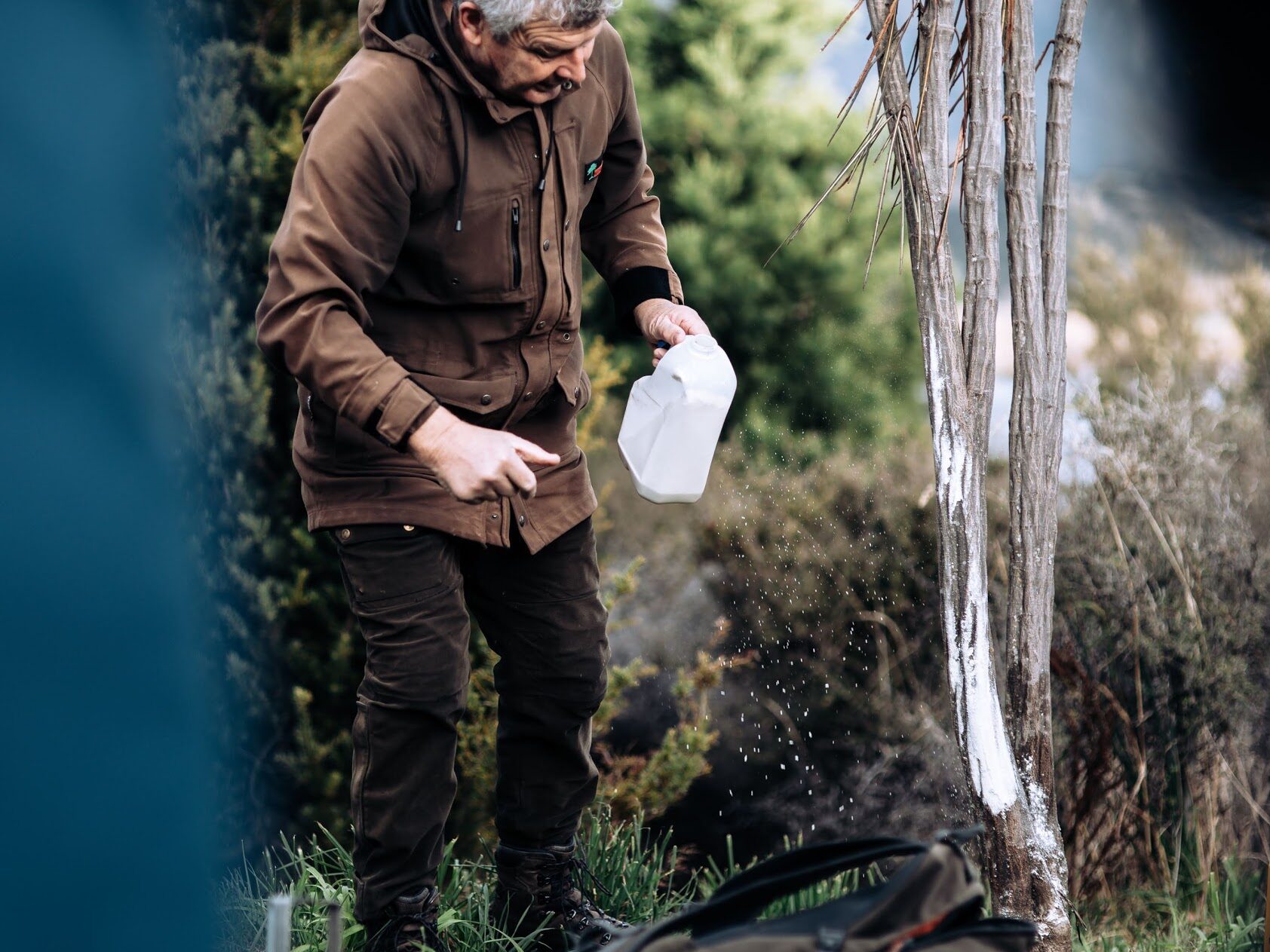
“Kit just plonked out will not effectively control pests,” Cam advises.
“Eighty per cent of device encounters do not result in any interaction with that device whatsoever. A lot of critters will have a look at your trap and go ‘yeah nah I’m not going in there’. You’ve got to win their confidence,” he says.
To do that, try pre-feeding: putting out unset traps with plenty of lure. Fruit for possums and meat or mayonnaise and meat for rats and mustelids, and non-toxic bait in bait stations. Try Cam’s one-third rule – one-third of the lure in the trap, one-third at the entrance, and one-third spread liberally in the vicinity.
“You need to put a big neon sign up saying ‘open, come in and visit’.” Then, once they associate your trap with a food source, set the trap.
John adds: “Freshen the trap site, scuff the ground, use pre-feeding and luring, change the bait types regularly. The key is to be prepared to play a longer game at times, for greater results long term.”
Read more practical advice and guides for predator control on farms.