
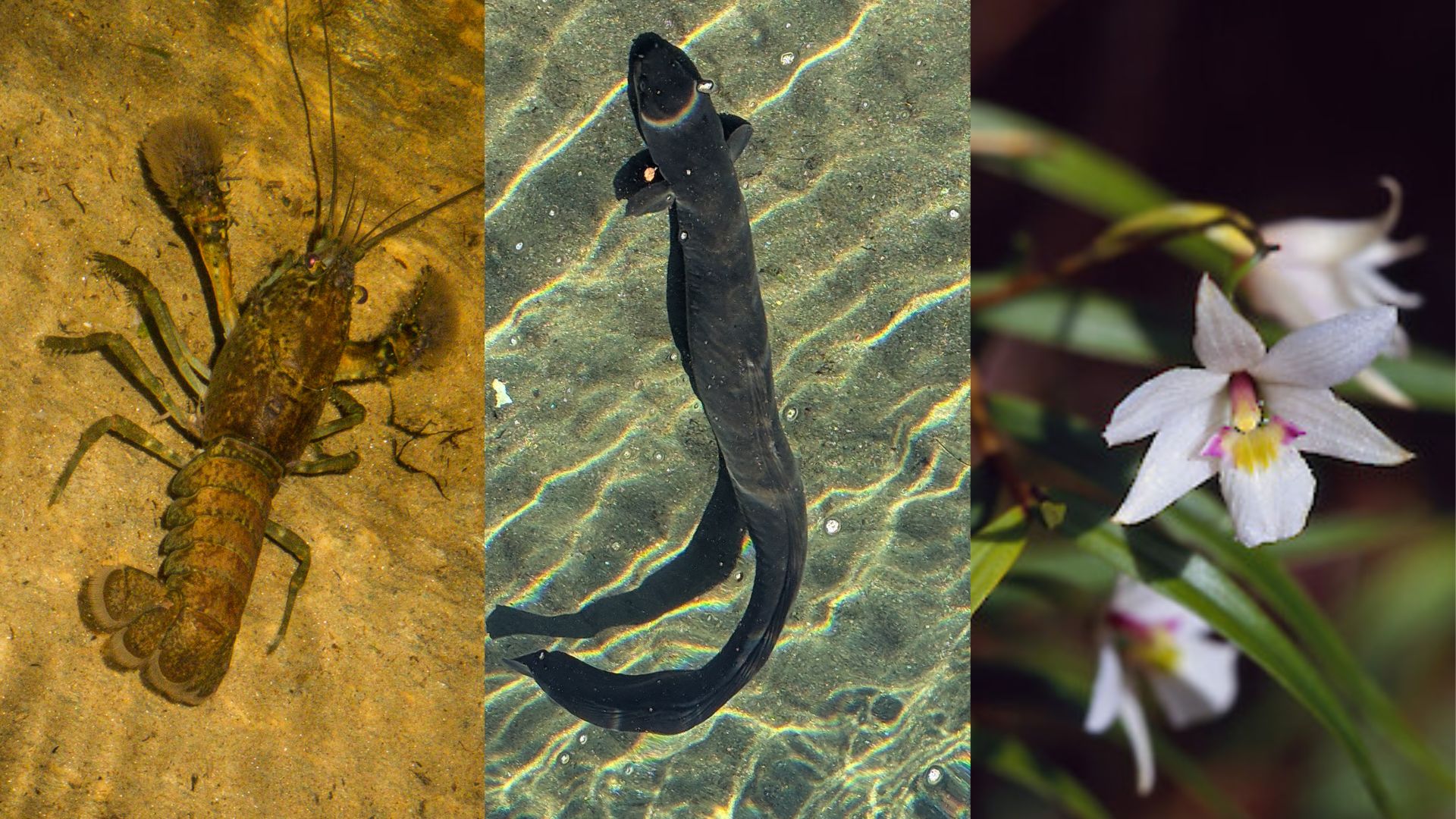
DNA analysis of predator stomachs shows that their appetites are surprisingly broad and include native mosses, orchids, plus freshwater critters such as crayfish, eels and fish.
For many people, picturing a typical meal for a rat, stoat or ferret would likely conjure up a feast of birds, eggs, and invertebrates. But the reality is far more complex and consequential for the wider ecosystems they hunt in.
Inside the stomachs of ship rats in Fiordland’s beech forests, scientists found traces of 15 native and introduced bird species but also 40 plant species, including native mosses, orchids and beech seeds.
For researchers at the Bioeconomy Science Institute (formerly Manaaki Whenua – Landcare Research) and the Department of Conservation, it’s clear evidence that rats don’t just threaten wildlife, but consume large parts of the forest itself.
Meanwhile, at Mahakirau Forest Sanctuary on the Coromandel Peninsula, DNA analysis has revealed stoats, ferrets, rats, and feral pigs eat native frogs, tuna (eels), kōura (freshwater crayfish) and fish, showing their impact extends into freshwater ecosystems.
Together, these studies paint a more complete picture of predator behaviour and diets.
‘If they’re left to it, they’ll eat what you care about’
For Sara Smerdon, the stakes at Mahakirau Forest Estate couldn’t get much higher. The near-600 hectares of native forest is home to extremely rare species, including Archey’s and Hochstetter’s frogs and the newly described Northern striped gecko.
A conservation advocate and one of 24 landowners within the estate, Sara says the remarkable fungi, invertebrates and plants are a key reason she and her husband fell in love with the land when they arrived in 2009.
Sara believes caring for those rare and vulnerable species comes with a weight of responsibility because, as stomach content analysis shows, they’re often on the menu for predators.

She runs an intensive predator control network and began looking more closely at what the predators she was catching were eating.
More than 90% of ferrets and more than half of feral pigs analysed, for example, contained native frog DNA. Feral cats included Hochstetter’s frog in their diet. Tests on stoats also confirmed unexpected prey, including both frogs, northern striped and forest geckos, copper and ornate skinks and freshwater crayfish.
Sara says understanding predator diets is crucial for shaping trapping strategies, and the results appear to upend conventional wisdom.
“[The predators’] ecological footprint is far greater than many people appreciate.
“I was always told ferrets don’t like to get their feet wet, yet our results show otherwise. People tend to think of ferrets as fringe-dwellers, hunting rabbits around paddocks, but that is clearly not the case at Mahakirau.”
For Sara, these kinds of studies provide solid science to back up intuition and gut instinct.
“They’ve changed the way we view every predator we remove. A stoat is no longer one less predator in the forest. It’s also a biological record of what’s been happening across the landscape.”
Predators really are what they eat, and their diets give a clearer picture of ecosystem health, refining how we protect native species and keep forests thriving.
Birds with a side of moss, orchids, plants and seeds on the menu for Fiordland rats
It’s not just Mahakirau Sanctuary where predator behaviour is challenging assumptions.
Much further south in the beech forests of Fiordland, longstanding beliefs about ship rat diets are also being questioned.
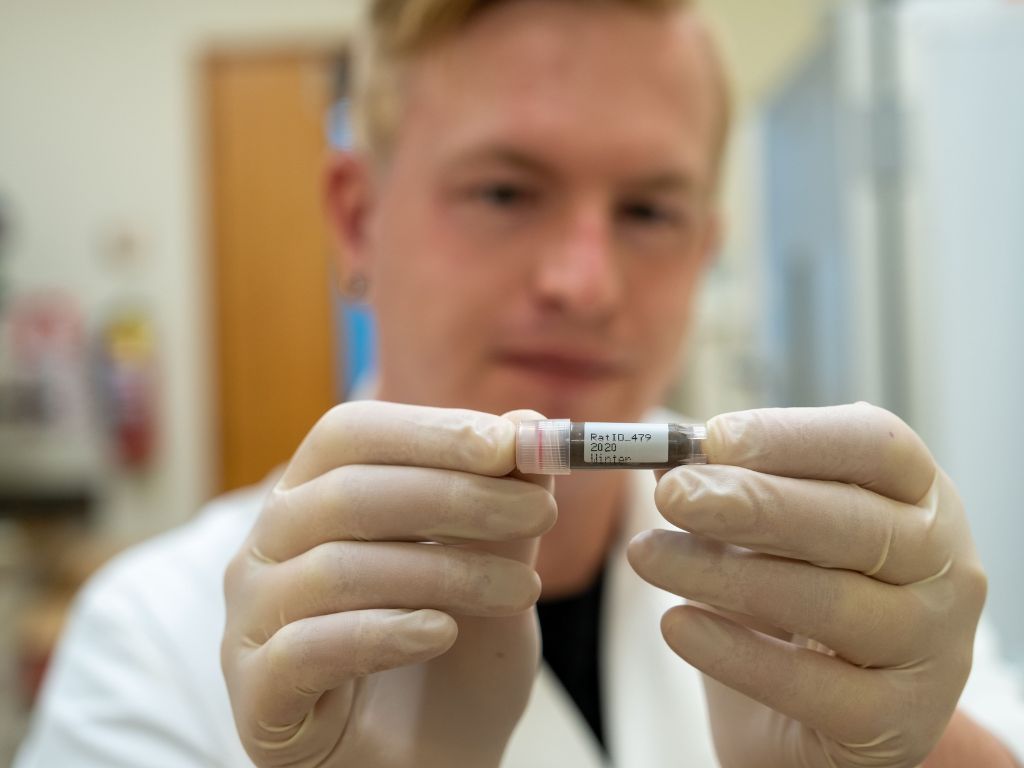
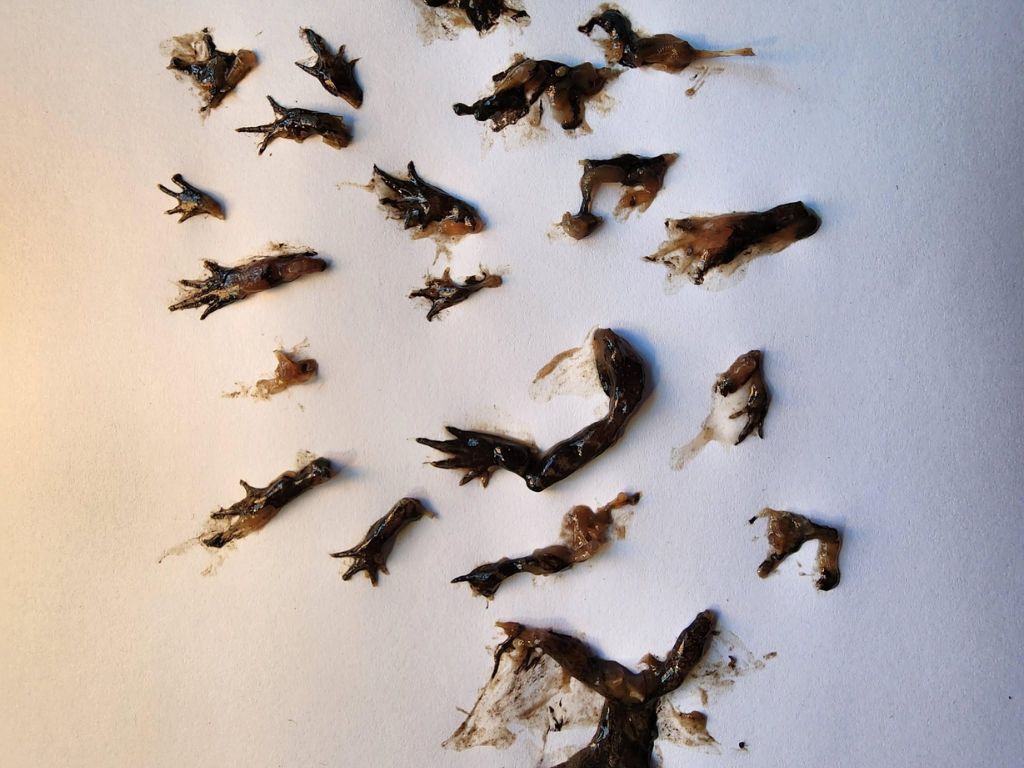
Analysing rat diets has always been difficult, partly because they chew their food so finely. But new DNA techniques can reveal the “ghost of past meals” that conventional stomach analysis struggles to identify.
BIS conservation ecologist Dr Jo Carpenter, who led a joint study with DOC, says it was long assumed that after a beech mast, ship rats turned to hunting birds once the seed bounty had begun to germinate or rot.
“You might get this double whammy at the end of a beech seeding year where you’ve got really high numbers of rats, but you’re also getting increased impact potentially from the rats also eating more birds,” she says.
Over three years of the study, including a beech mast year, DNA from ship rat stomachs showed that alongside a vast array of plant species (including mosses and two species of native orchid), one-in-five had recently eaten a bird. This was surprisingly high compared with previous studies, but other researchers had to pick through rat stomachs to find tiny fragments of eggshell or feathers, so bird consumption may have been underestimated until now.
The findings suggest the “massive effect” ship rats can have on birds in a mast year is more about sheer numbers than a change in diet – a reminder that the rat population needs to be kept low at all times.
“Rats have been so wildly successful as an invasive species, and part of that has to be down to their remarkable ability to eat whatever resources are available,” she says.
Like similar research, the Fiordland study found rats feasting on the fruits, seeds, and leaves of many native plant species. Dr Carpenter says this also puts them in direct competition with native birds and affects plant regeneration. Rats will even eat kōkopu eggs when they’re left exposed on stream banks. Kōkopu are native fish, known widely in their juvenile form as whitebait.
“By eating so much fruit, seed and invertebrates, rats really could be undermining the ability of forests to support our bird species and other native species too,” she says.