
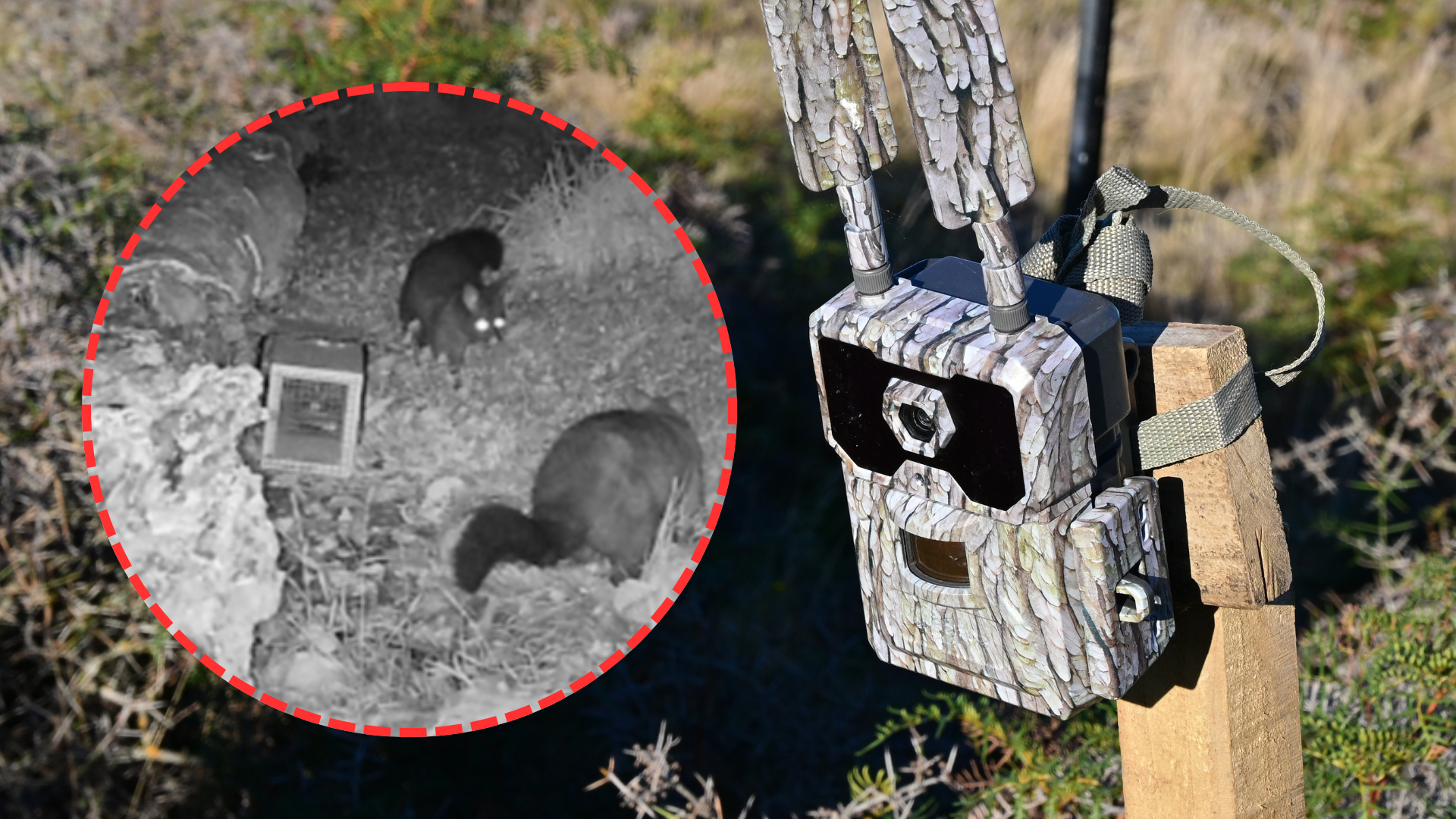
We don’t know what we don’t see. Trail cameras give an eye to what’s happening around traps when you’re not there. Last year, with funding from the TD Mankelow Family Charitable Fund, the Predator Free New Zealand Trust sent trail cameras out to 30 community trapping groups. Here are some of the things they learned.
1. Empty traps don’t mean there are no predators
It can be a long time between catches. In Jollies Bush, on the Port Hills of Christchurch, Predator Free Sumner Bays went for months without seeing or catching any possums.
With no known possums, it’s tempting to think you’ve got them all, but the job wasn’t done.
A trail camera let them spy on what was happening. When the images came back showing possums, they were surprised – and a bit disappointed – but at least they knew possums were there.
Using trail cameras lets you observe possum habits and reposition traps that aren’t catching.
After seeing the footage, the group relocated several traps within the reserve, and added new traps too – things they wouldn’t have known to do without the insight from trail cameras.
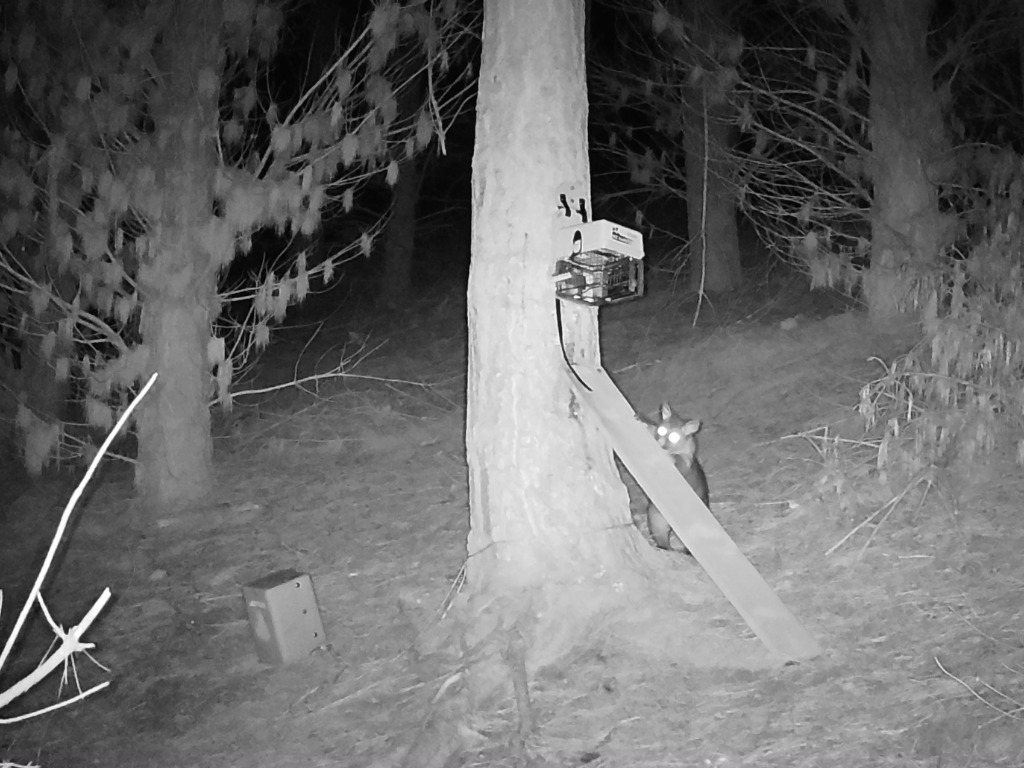
They’ve found the cameras so helpful that they are now rolling some out to a second site to see what is going on there.
2. Change up lures that aren’t working
The lure in a trap should draw pests in, but animals have different taste preferences. They can also get bored; good lures can become ineffective if overused.
In Dunedin, the Brighton Trapping Project set their trail cameras to point at underperforming traps. These traps had caught possums in the past, but now they hadn’t seen success for some time.
Careful perusal of the footage revealed that possums were still there, but were ignoring the traps baited with apples. Switching to plums immediately led to the capture of several possums.
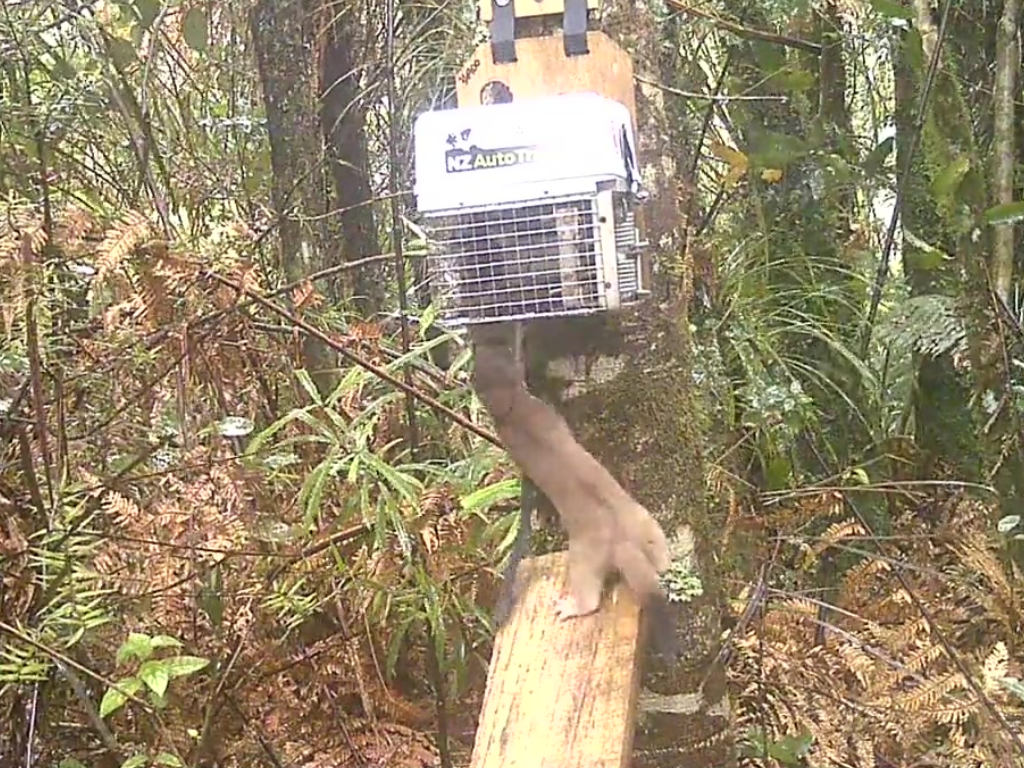
In the Bay of Plenty, Friends of the Blade / Ngā Hoa o Pā Kererū spotted stoats scavenging rat carcasses from under their automatic resetting AT220 traps but ignoring the mayonnaise lure in the traps. Not content to hand out free food to stoats, the group removed the rats before the stoats could get them, and used them as lures in their DOC 200s.
It’s a golden rule of predator control – changing up your lures keeps your traps attractive to introduced predators.
3. Trail cameras keep volunteers motivated
Traplines aren’t easy work. Walking through the bush, checking traps and changing lures can feel repetitive and fruitless, especially when the traps are continually empty.
But trail cameras can inspire volunteers to try new trapping tactics when they see footage of an introduced predator cruising past the camera. They can also bring volunteers closer to what they’re protecting.
On Auckland’s Cornwallis Peninsula, the Petrelheads are monitoring ōi (grey-faced petrel) burrows. Though the birds haven’t yet arrived for the mating season, the volunteers spotted pest activity near the burrows, prompting them to keep trapping before the birds arrive.
Pest Free Greenhithe on the North Shore, spotted a rat with a distinctive kinked tail on their cameras again and again. The kinky-tailed rat became a small-time social media star among their volunteers. There was a celebration when it was caught.
Footage like this helps keep volunteers engaged. Videos of introduced predators near bird nesting sites make trapping feel urgent and real, and seeing predators in action motivates volunteers.
4. Cats are a bigger problem than we realised
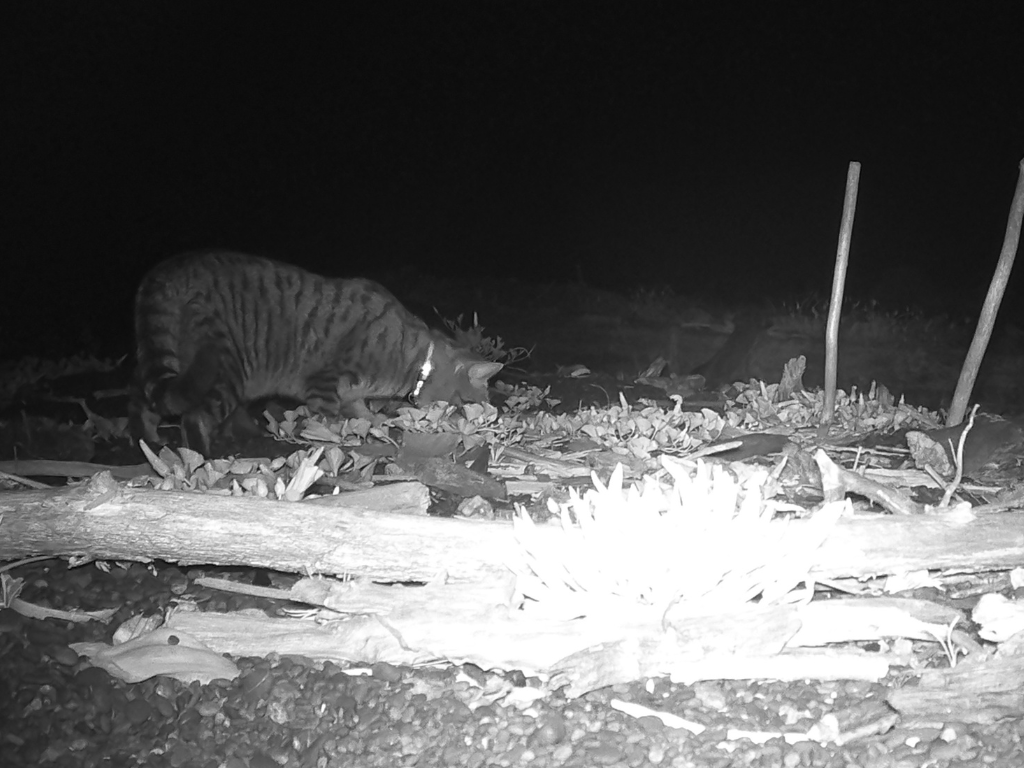
In Hawke’s Bay, Save the Dotterels put their cameras to work monitoring dotterel nests and confirmed a sad reality: pet cats are destroying nests.
They identified four cats in the area responsible for destroying 12 nests. A further six nests showed signs of cat predation, but without trail camera footage to prove it.
Out of 42 monitored nests, only 24 successfully raised chicks. A shocking reminder of the devastating impact introduced predators have on our native wildlife.
Information like this is heartbreaking to volunteers who spend so much time and effort protecting our wildlife, but the footage can help spread the word.
Thankfully, the trail camera footage led to media coverage and a visit from an MP to see the situation firsthand. Photos and videos from trail cameras capture evidence, tell a story and capture the hearts and minds of the public and officials.
5. Cameras help fine-tune your trapping setup
Sometimes you have a trap that isn’t catching, but it’s not clear why. A trail camera spies at night and lets you know what critters are up to.
Pest Free Greenhithe on Auckland’s North Shore uses trail cameras to gather “on-the-ground” intelligence on how animals interact with traps and lures.
They describe it as “a bit like a low-budget wildlife documentary, but far more useful.”
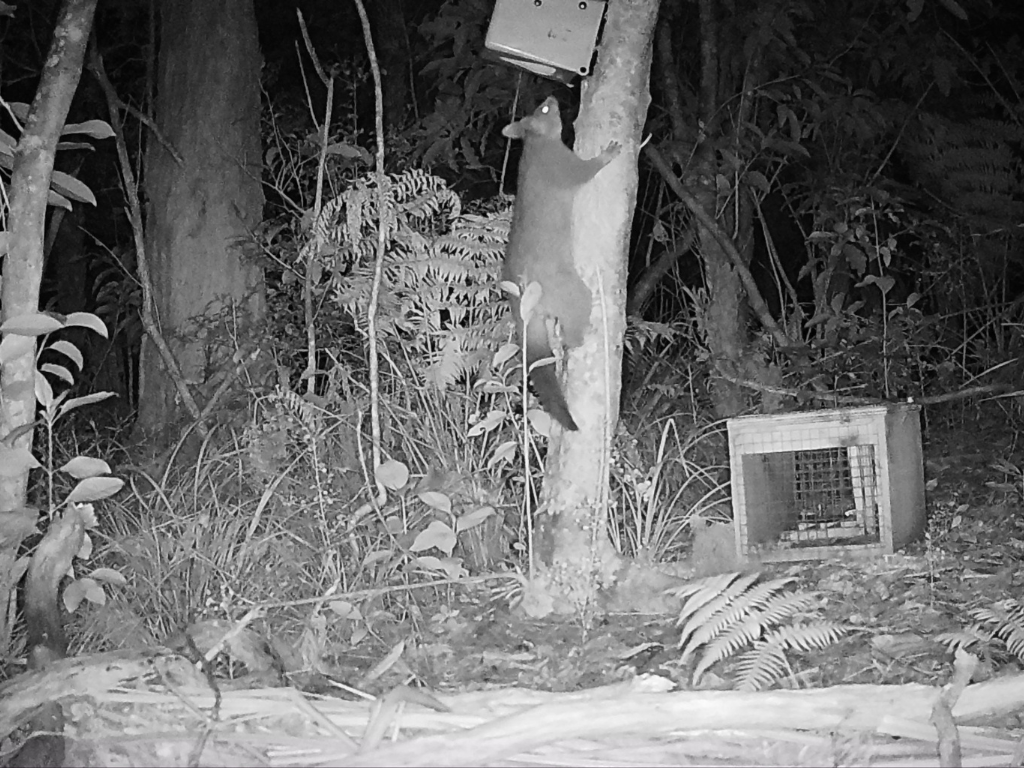
One camera pointed at a self-resetting AT220 trap revealed several possums trying to investigate the trap, but not quite reaching it. The ramp wasn’t close enough to the bottom of the trap. Seeing the possums struggling to reach led volunteers to adjust the ramps on all the traps, increasing catch rates.

Waimahanga Track Action Group in Onerahi, Whangārei, noticed an increase in rat activity on one of their cameras after adding flour blaze around stoat traps. With more rats around, they switched lures and successfully caught a rat.
Trail cameras won’t catch introduced predators, but they take the guesswork out of trapping. Without a camera, you’re hoping for the best. With one, you know what’s going on.
You can download our trail camera guide (PDF, 11 MB) or print it for your group.