
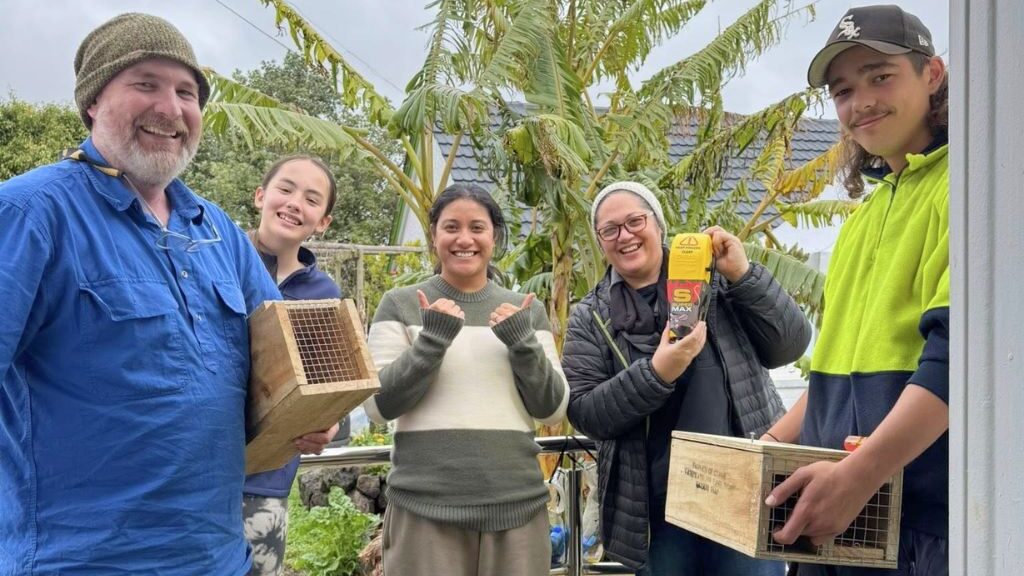
Thousands of dollars invested in backyard trapping
Supported by the Simplicity Foundation, these community groups across Aotearoa have received funding from our Predator Free Communities Funding Programme.

How 10 cm of wood helped bring kiwi back to Wellington
Kiwi are finally back in the hills above Wellington. What got them there was years of controlling stoats – and unexpectedly, a ten-centimetre piece of wood.
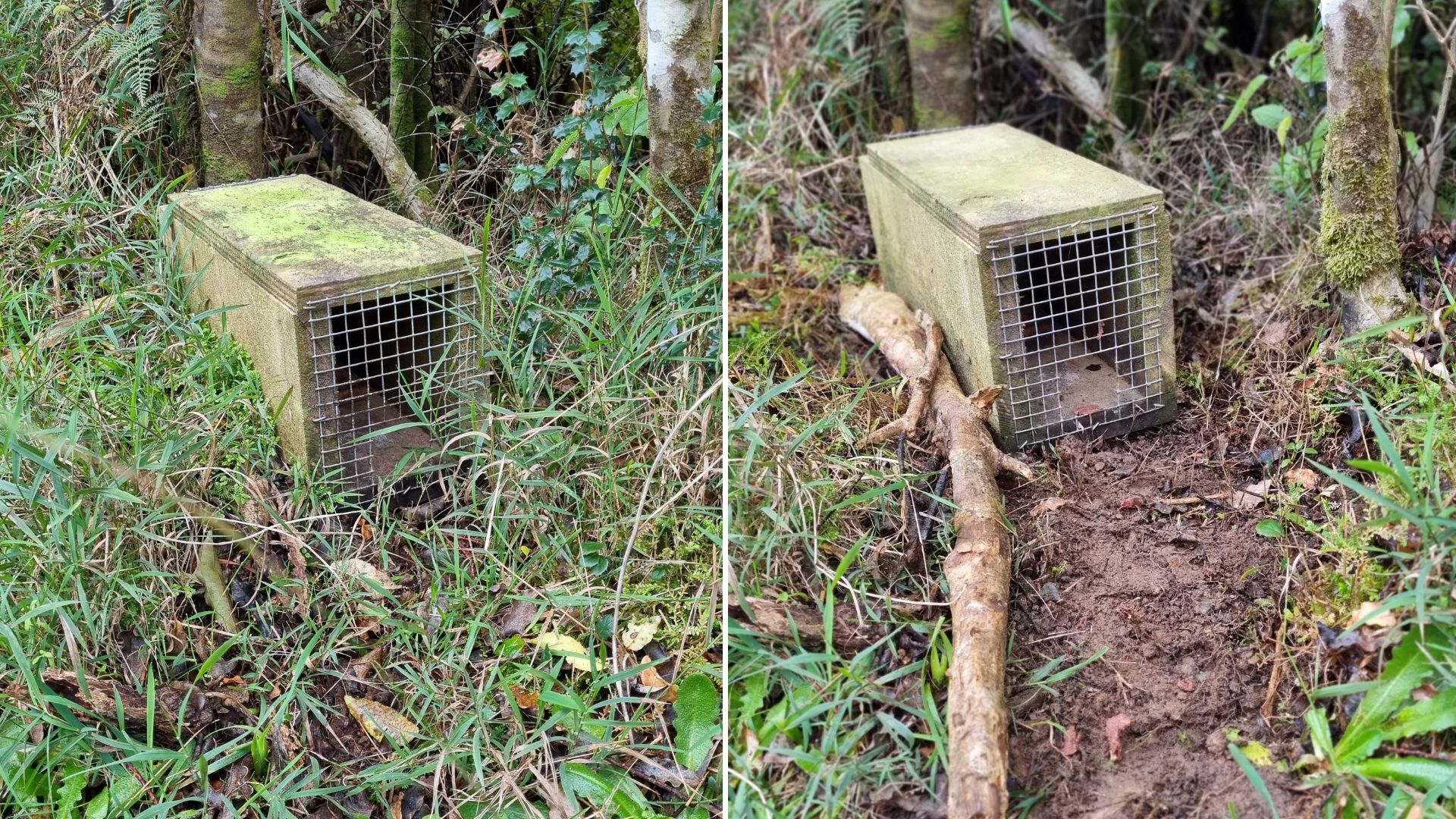
Keep going: five more things to do if your trap isn’t catching rats
Tried some of our troubleshooting tips but still struggle to catch predators? It doesn’t mean there aren’t any left. Here are five *more* things you can do.
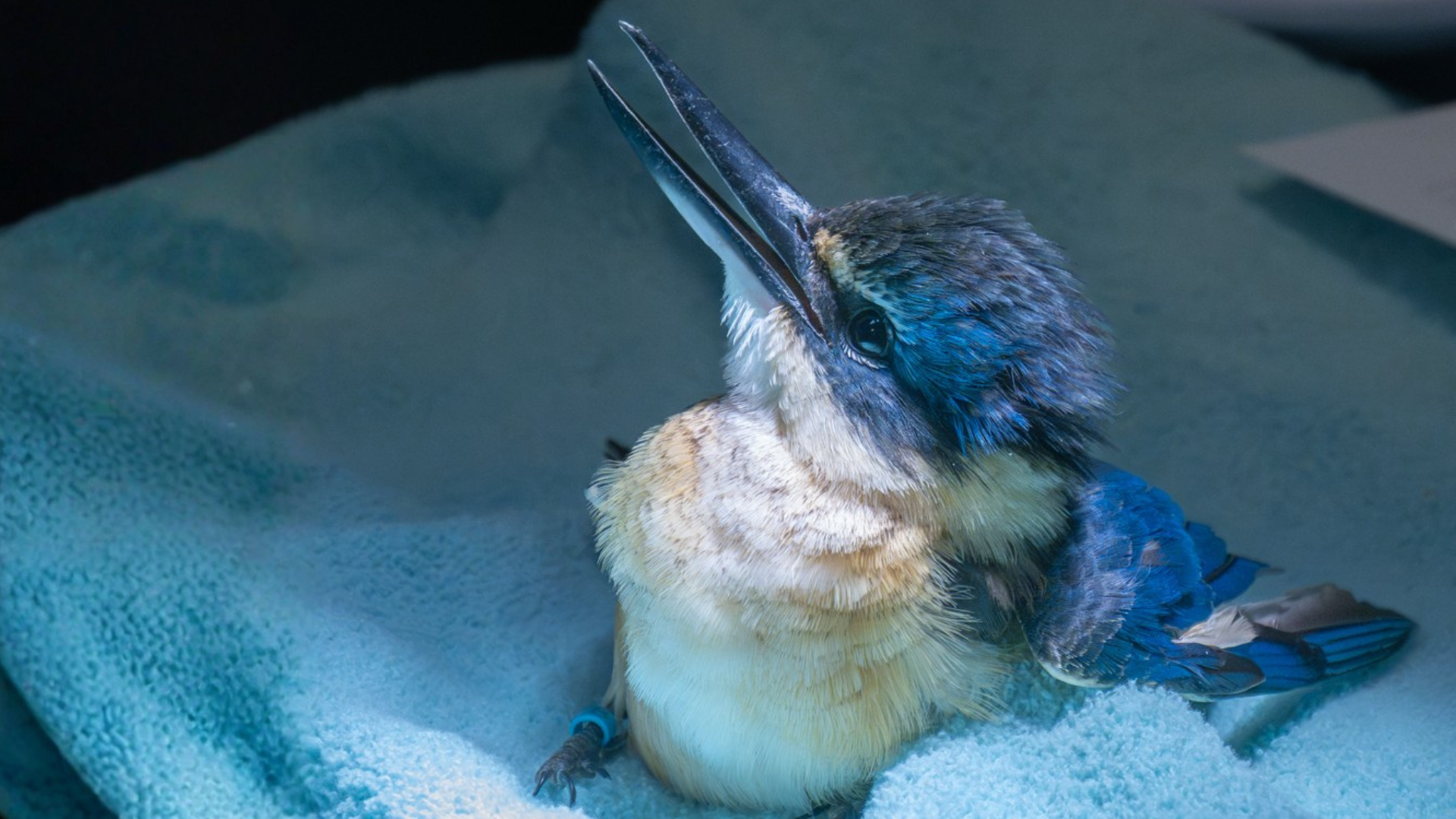
Cats drive 93% of predation admissions at Auckland wildlife hospital
New preliminary research shows cats are responsible for nearly all predation injuries treated at BirdCare Aotearoa.
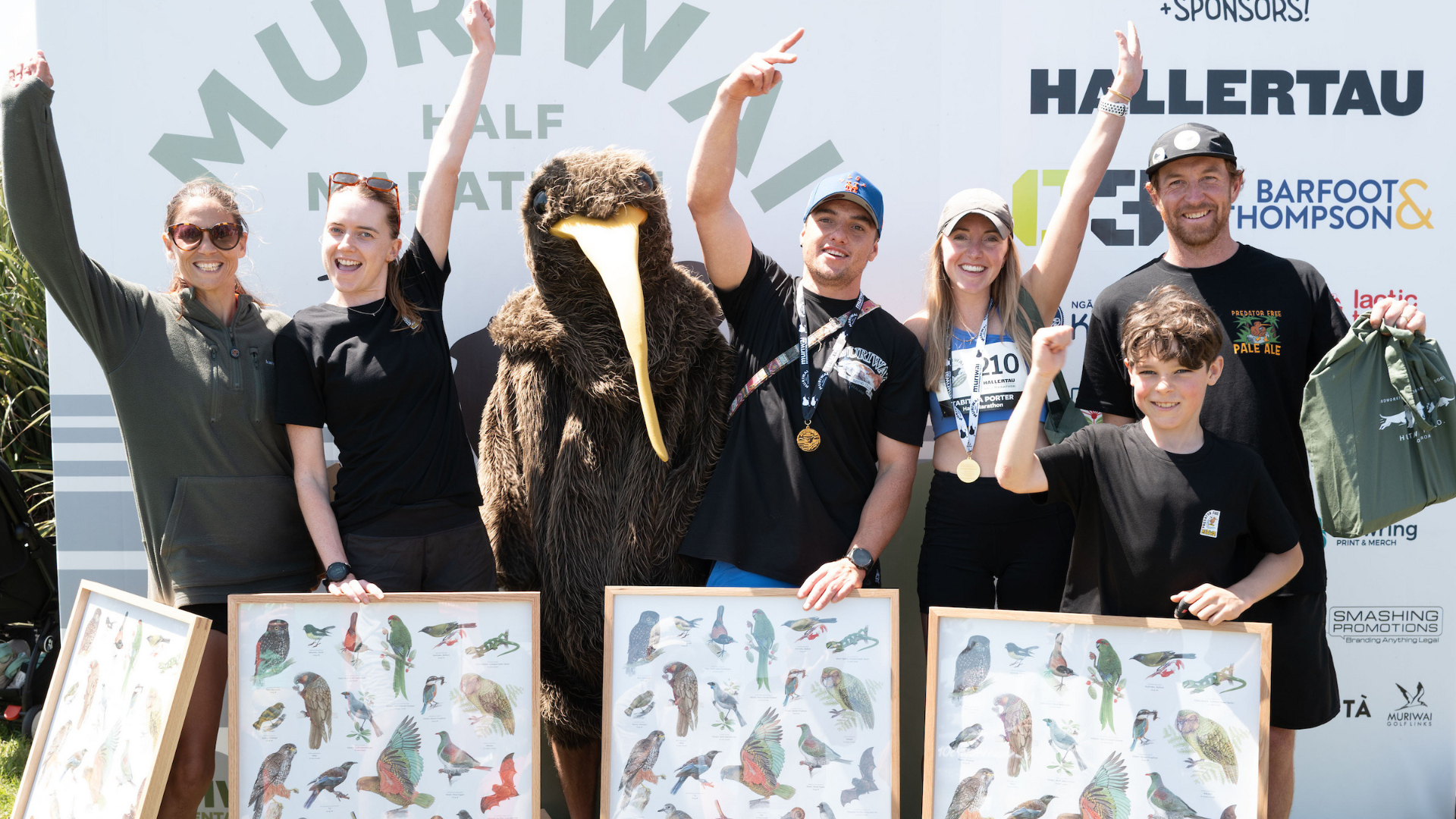
Running for kiwi: 600 people trail run to bring the birds back
A sold-out trail run raised thousands of dollars for predator control to bring kiwi back to Muriwai, an hour northwest of Auckland.
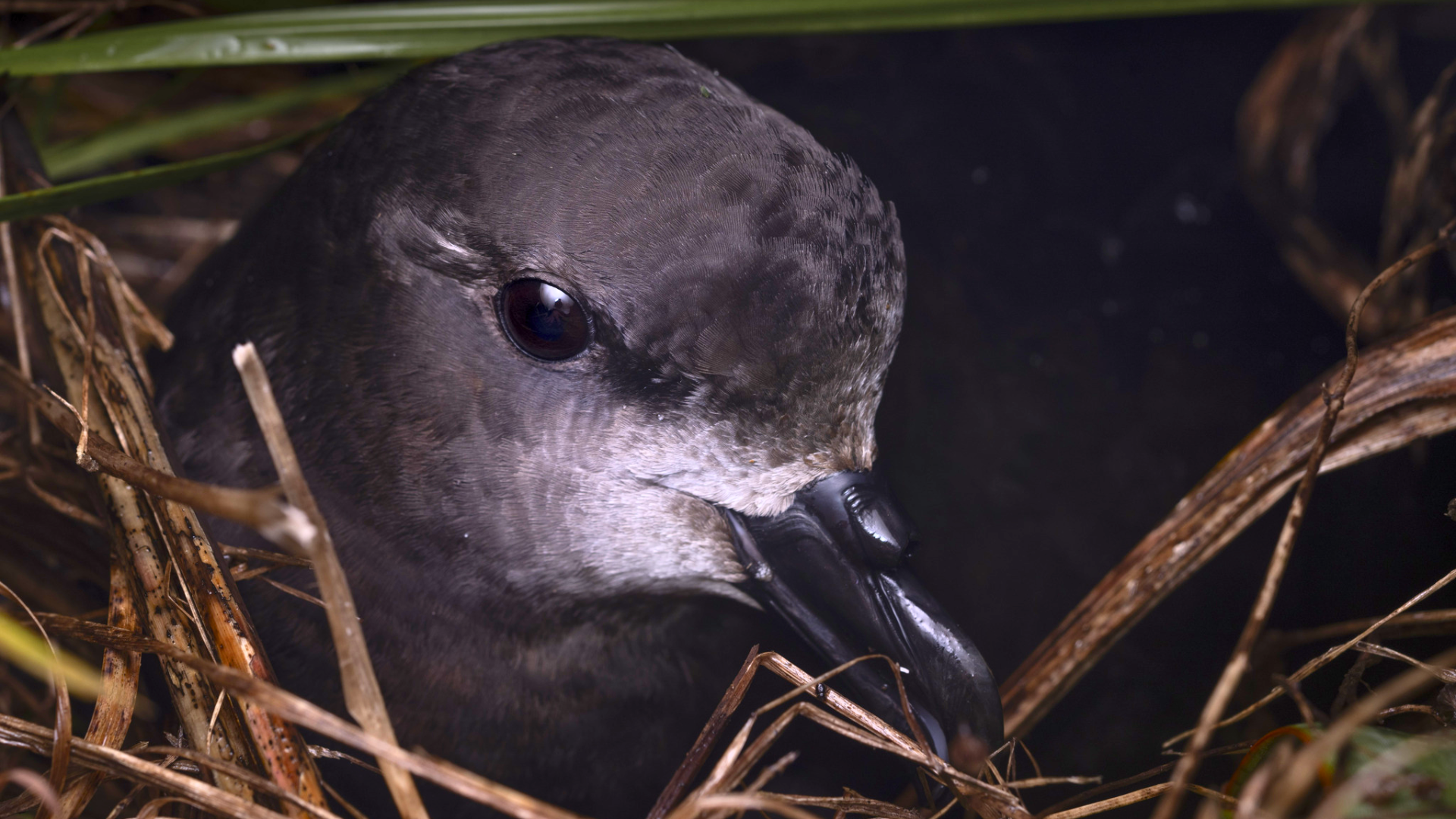
From two burrows to 150: saving seabirds in Auckland
Volunteer traplines have helped grow a mainland colony of ōi (grey-faced petrel) from just two burrows to more than 150 today. Guest writer Mike Fox explains.
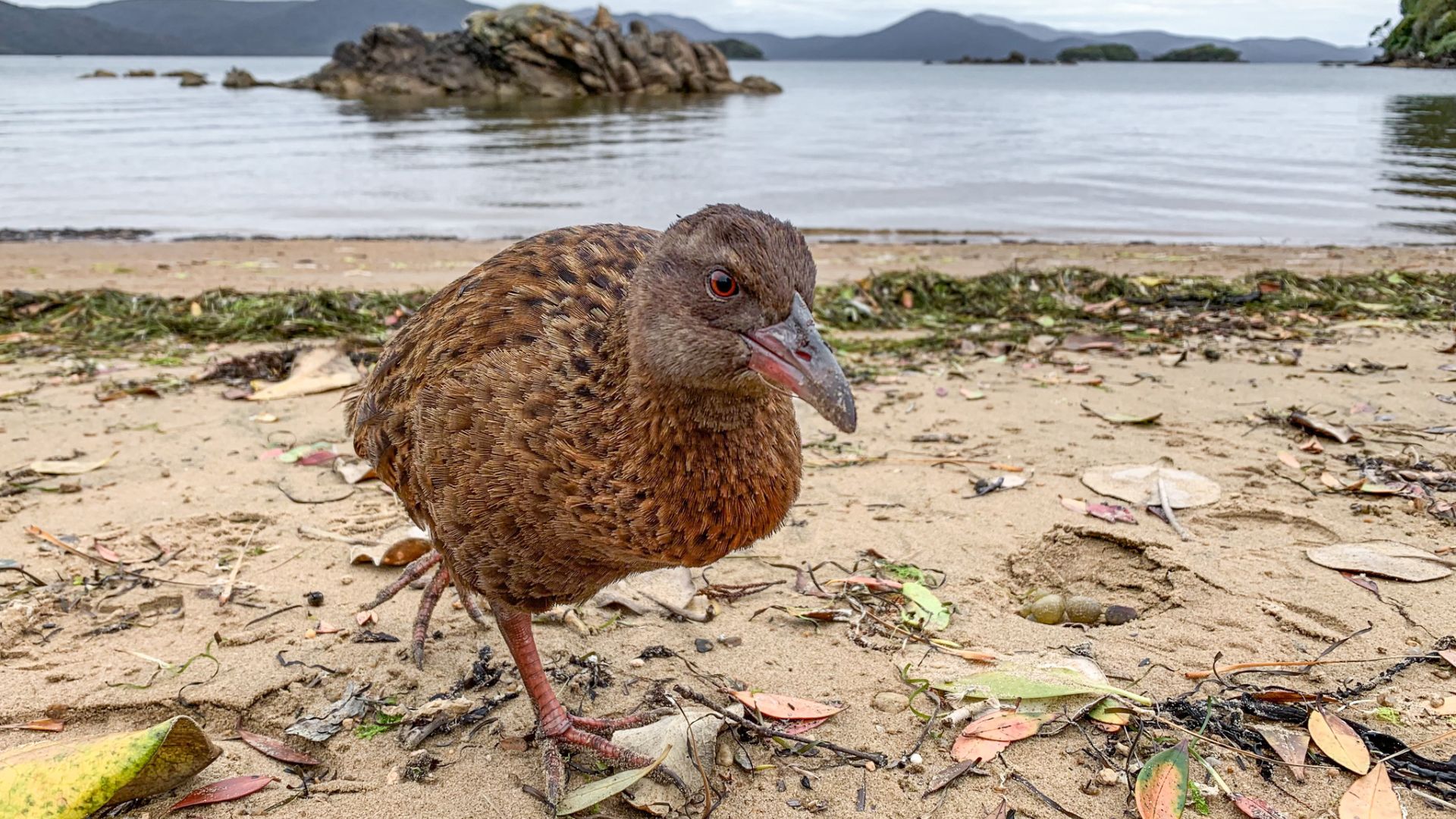
The weka dilemma
Weka can be delightful and entertaining, but their opportunistic appetite for other birds’ eggs and chicks can cop them some controversy.
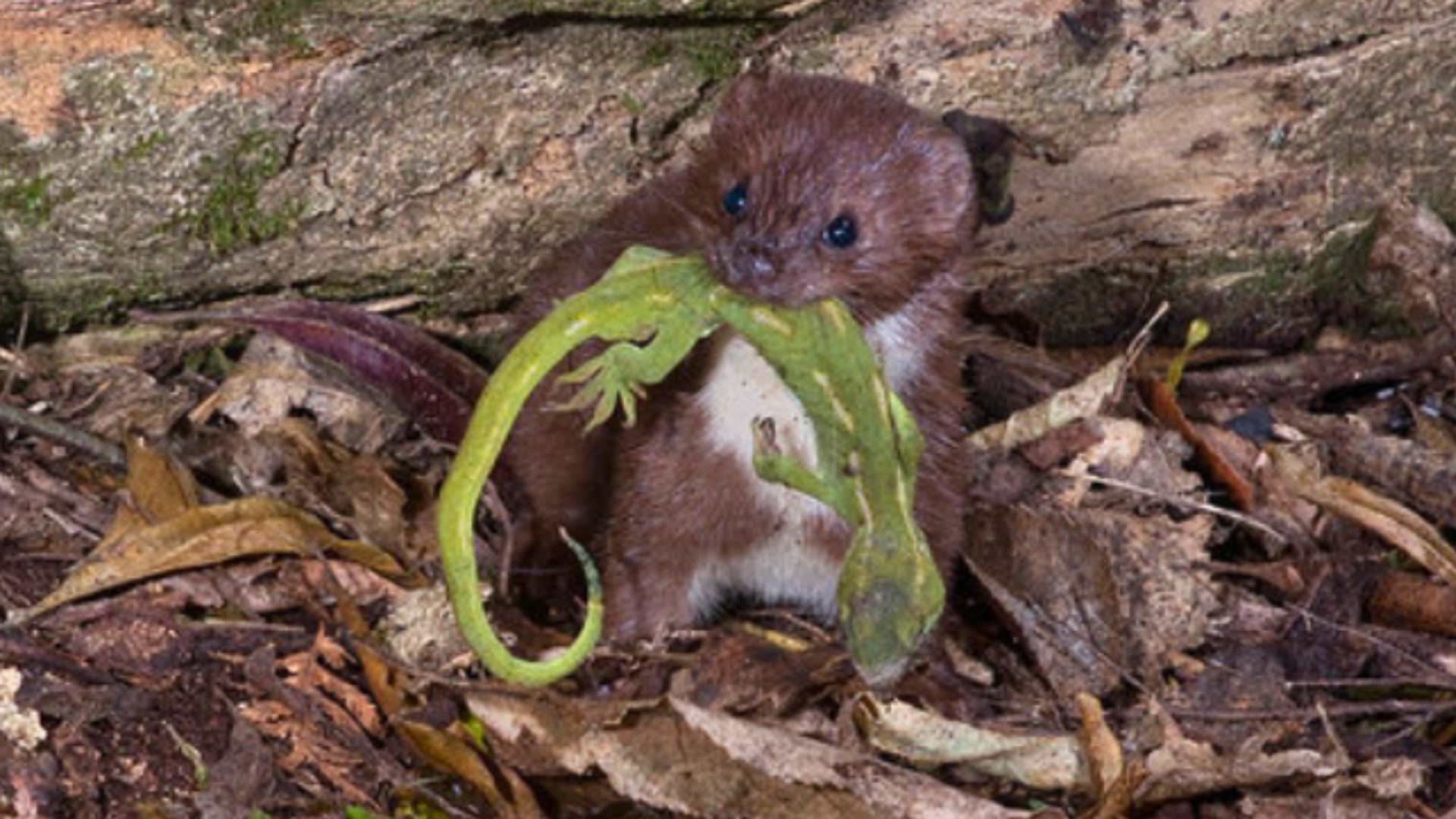
Wee and wily: 5 facts about weasels
Small, swift and secretive, weasels were brought here to control rabbits, which backfired on humans, weasels and native wildlife.
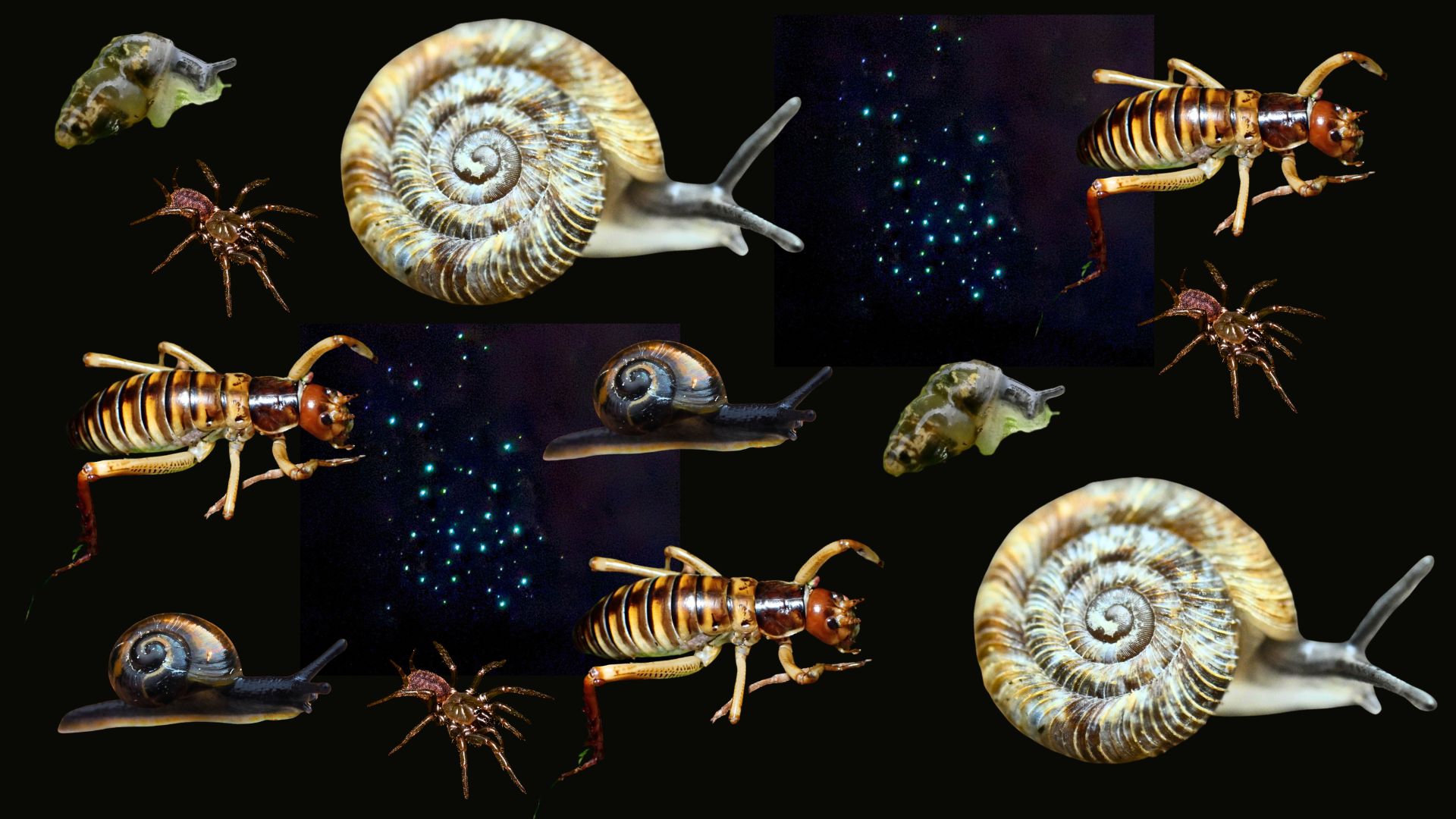
From mess to paradise: this transformed garden comes alive at night
Once choked with weeds, this garden now comes alive on warm wet nights with hunting cave spiders, lichen-feeding snails, and twinkling glowworms.
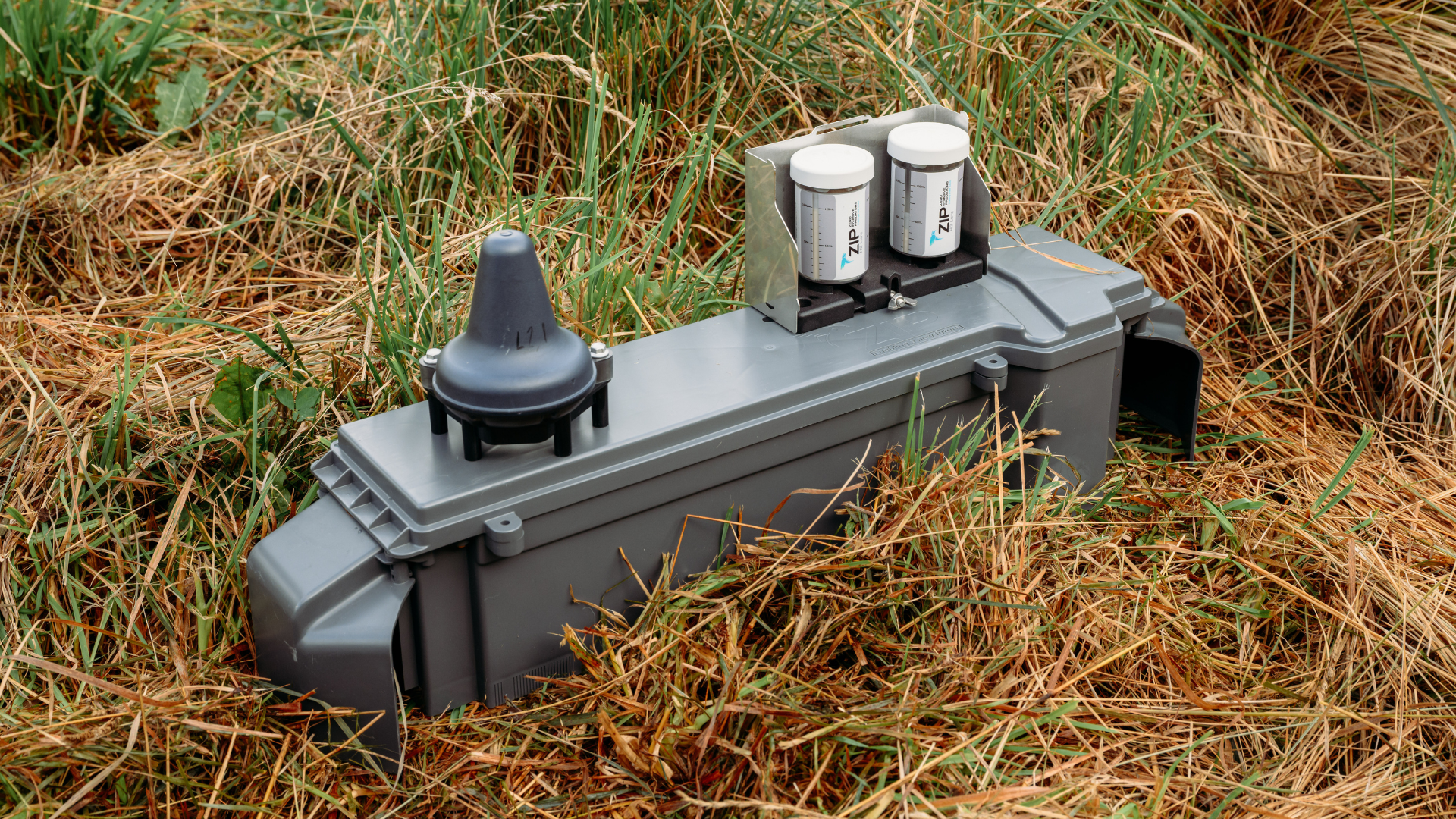
What does high-tech predator elimination actually look like?
Zero Invasive Predators (ZIP) develops some of the most advanced predator elimination technology in the country. Here are five tools making that possible.
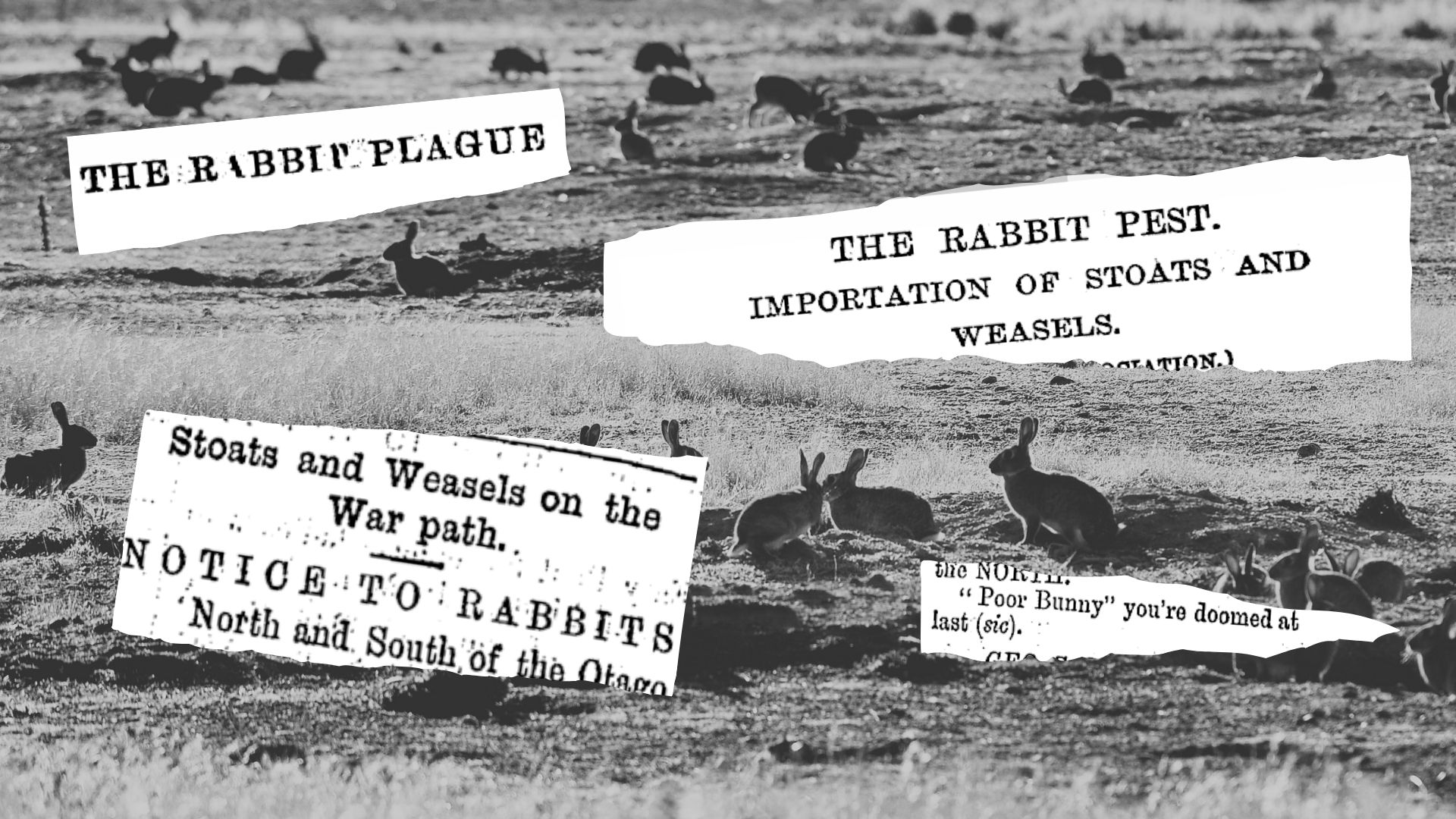
What possessed us to introduce stoats, weasels and ferrets to New Zealand?
Why did they do it? What possessed New Zealand’s government of the day, its citizens and acclimatisation societies to introduce rabbits and then stoats?
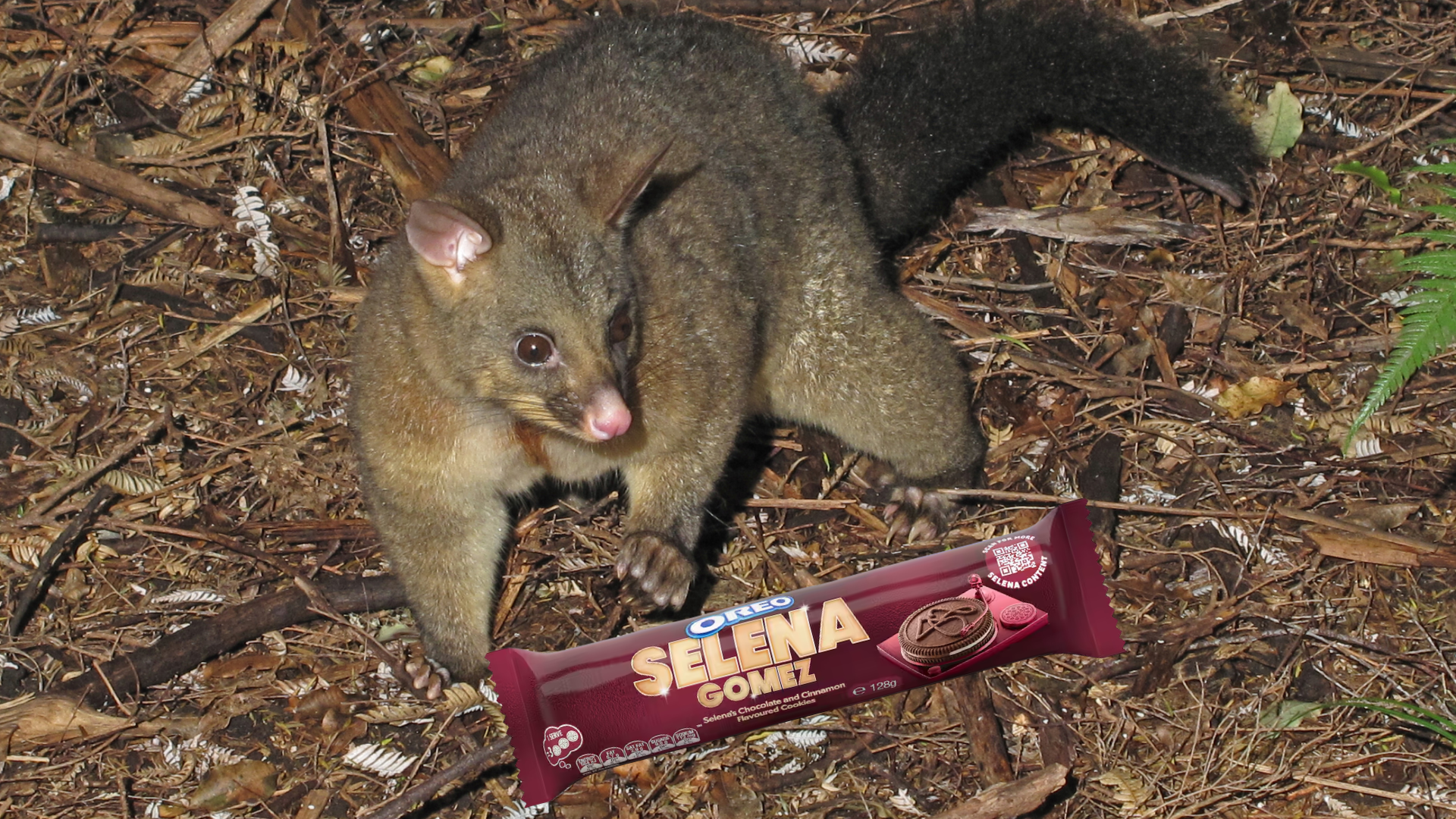
Oreos and uppers: inside the research to get the last 1% of predators
To achieve Predator Free 2050, every last individual predator needs to be caught – and the final few are often the hardest.
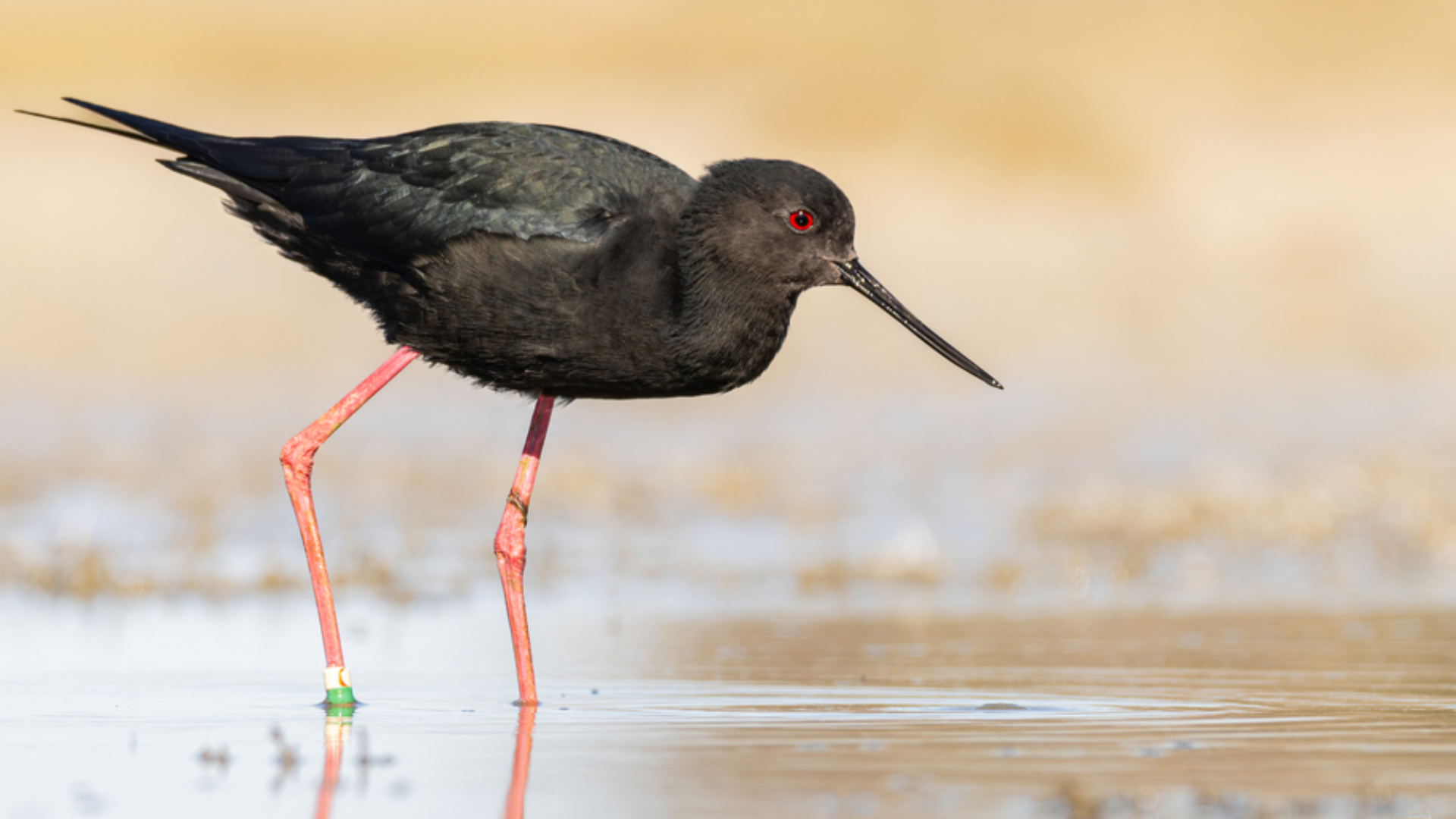
Elegant black waders: five facts about kakī
With only about 170 in the wild and confined to the central South Island, the kakī (black stilt) is one of New Zealand’s rarest manu (birds).

Heavy-lift drones are transforming predator control
Drones lifting up to 100kg are changing predator free work, carrying traps, bait and supplies through dense bush and steep terrain while saving time and money.
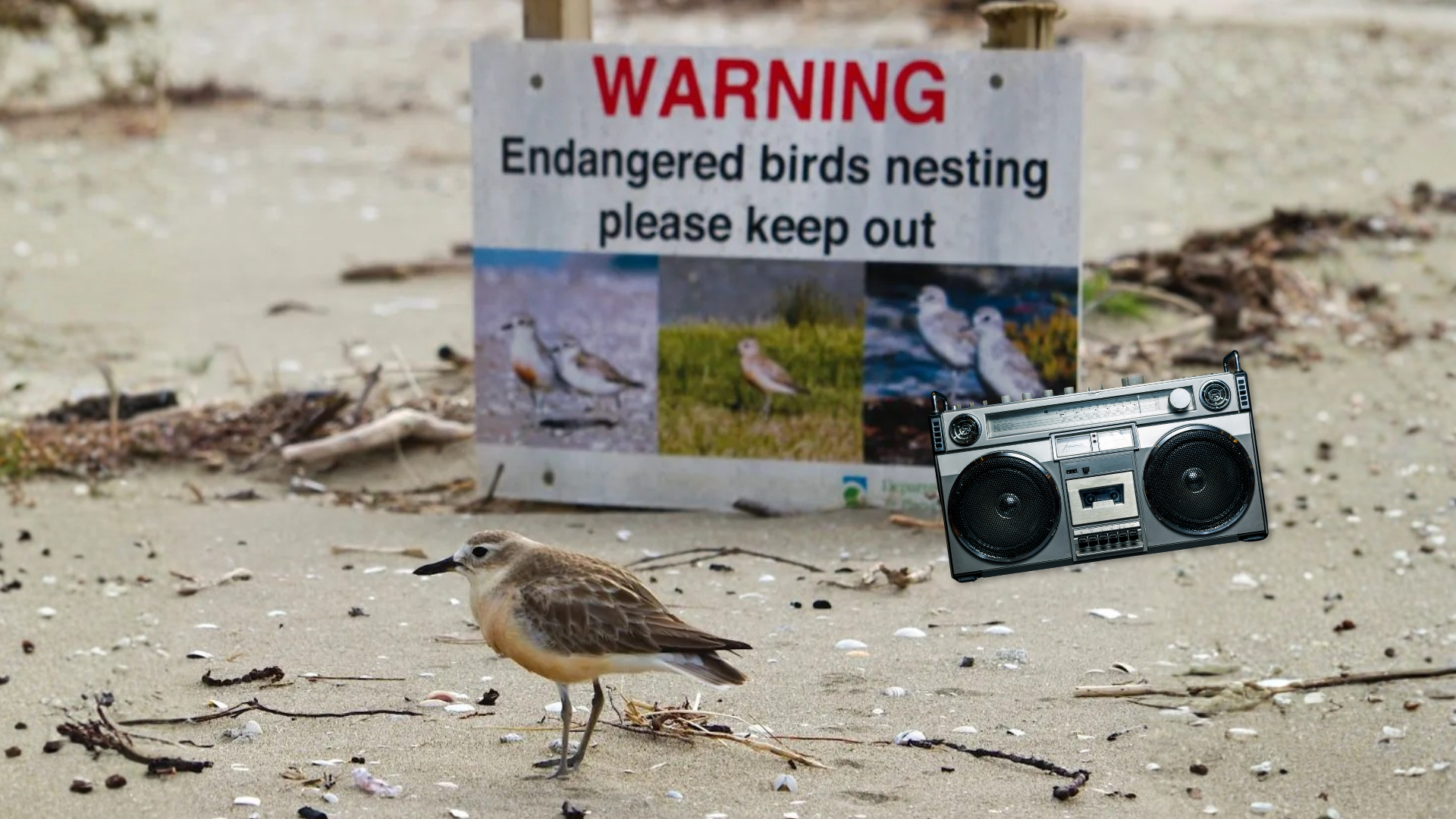
Sound science: using noise to keep cats away from nesting birds in urban areas
Roaming cats can doom bird nests simply by paying a visit. Could sound keep cats away from precious birds and nests?