
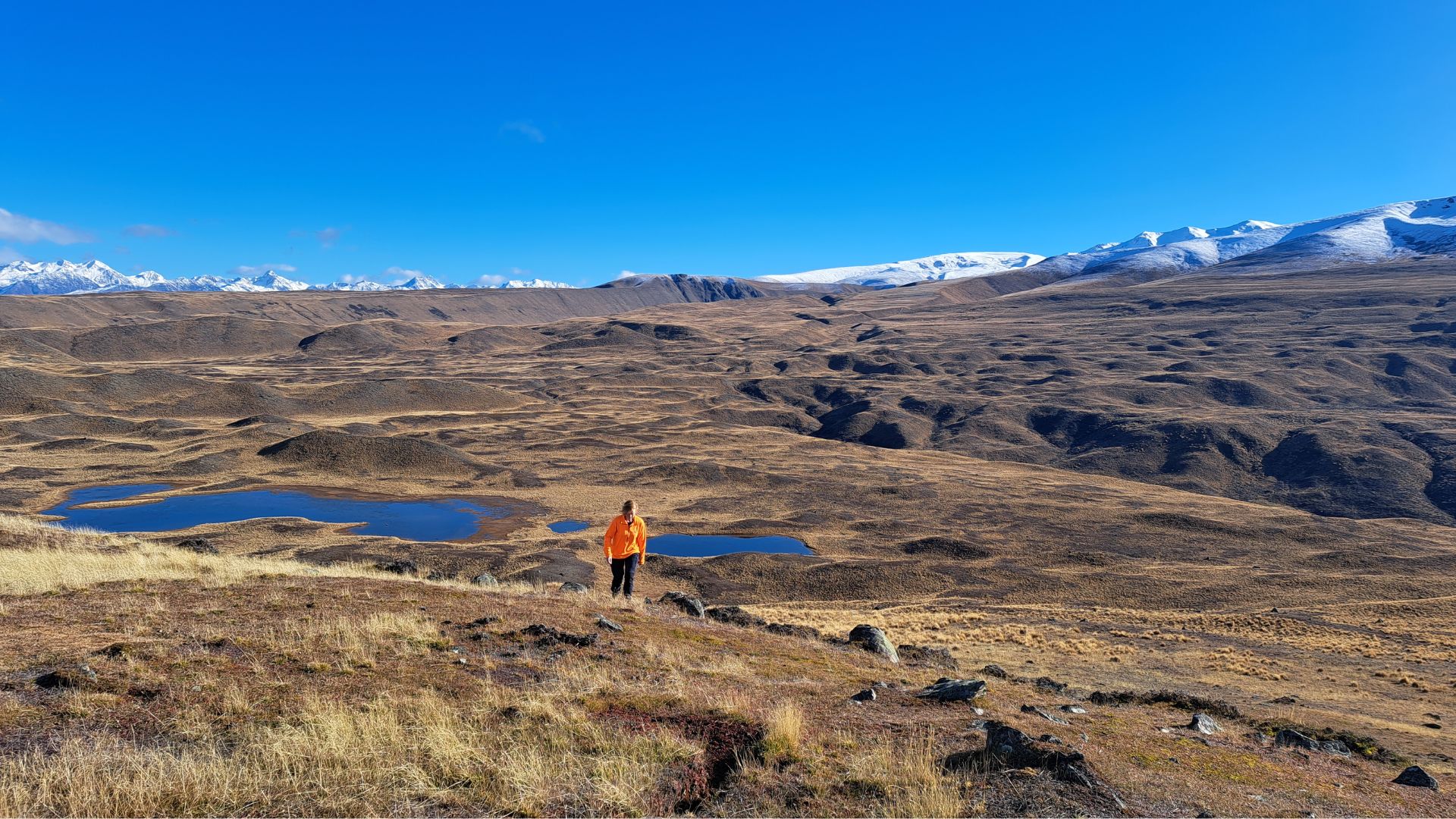
Final countdown: hedgehog clear out in the Mackenzie Basin
Zero Invasive Predators (ZIP) is closing in on the few remaining hedgehogs in Mackenzie Basin.
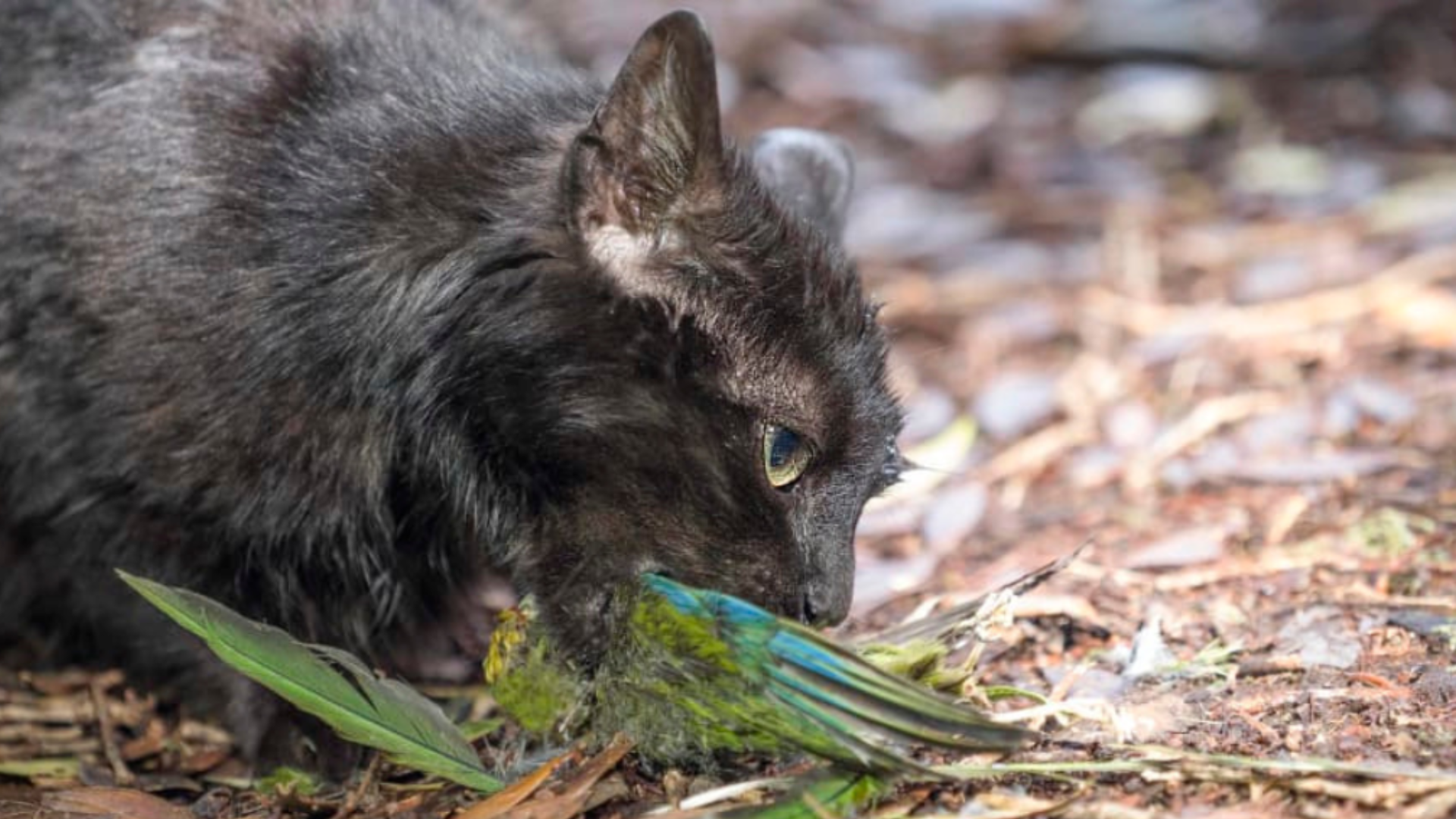
The tide turns: feral cats join the predator free mission
There are moments in conservation where you can feel the tide turning, writes Predator Free New Zealand Trust chief executive Jessi Morgan.
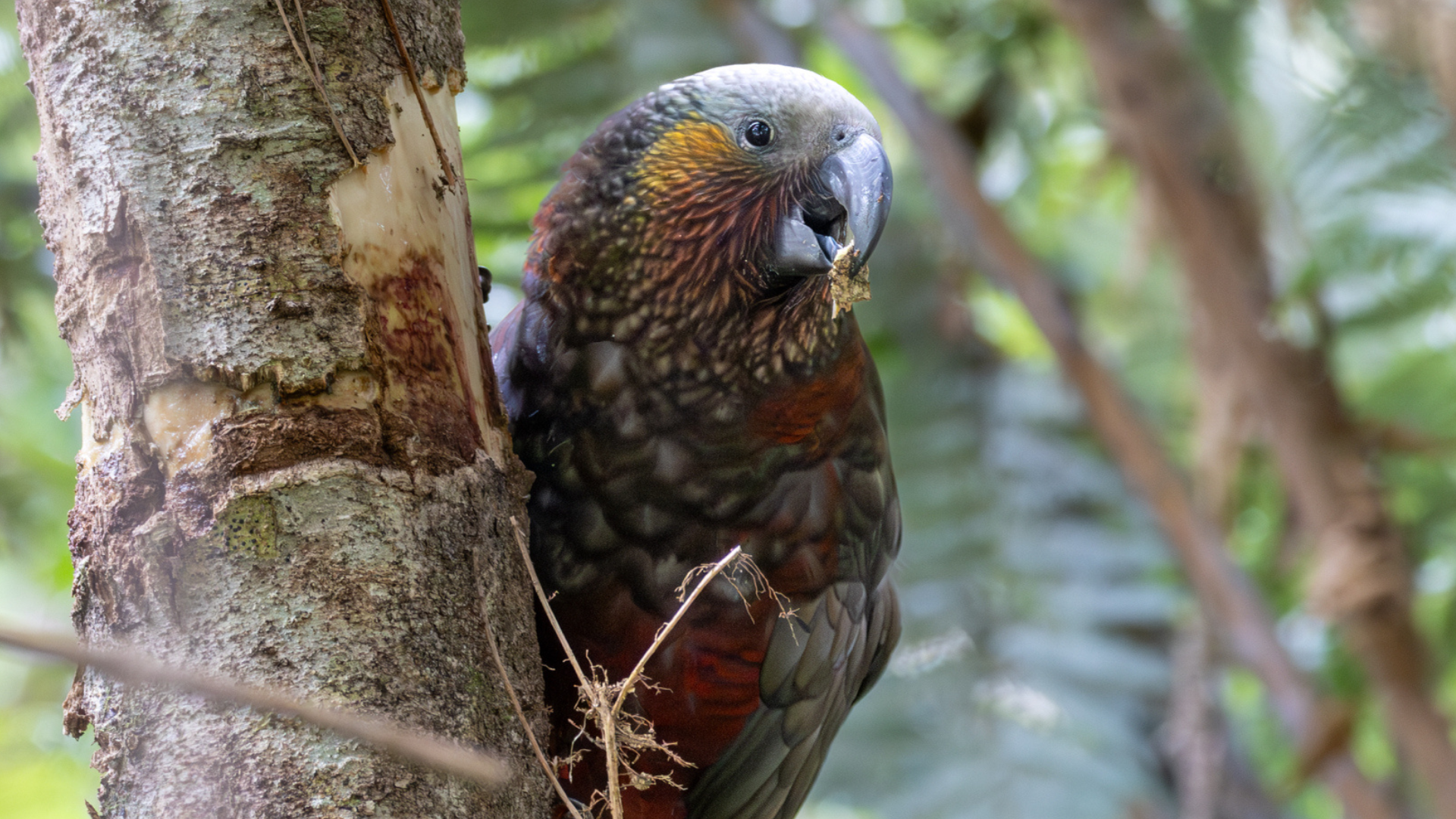
20 years of predator control quadrupled kākā population near Taupō
Large-scale, frequent and effective introduced predator control helped increase kākā density fourfold and improved the sex ratio.
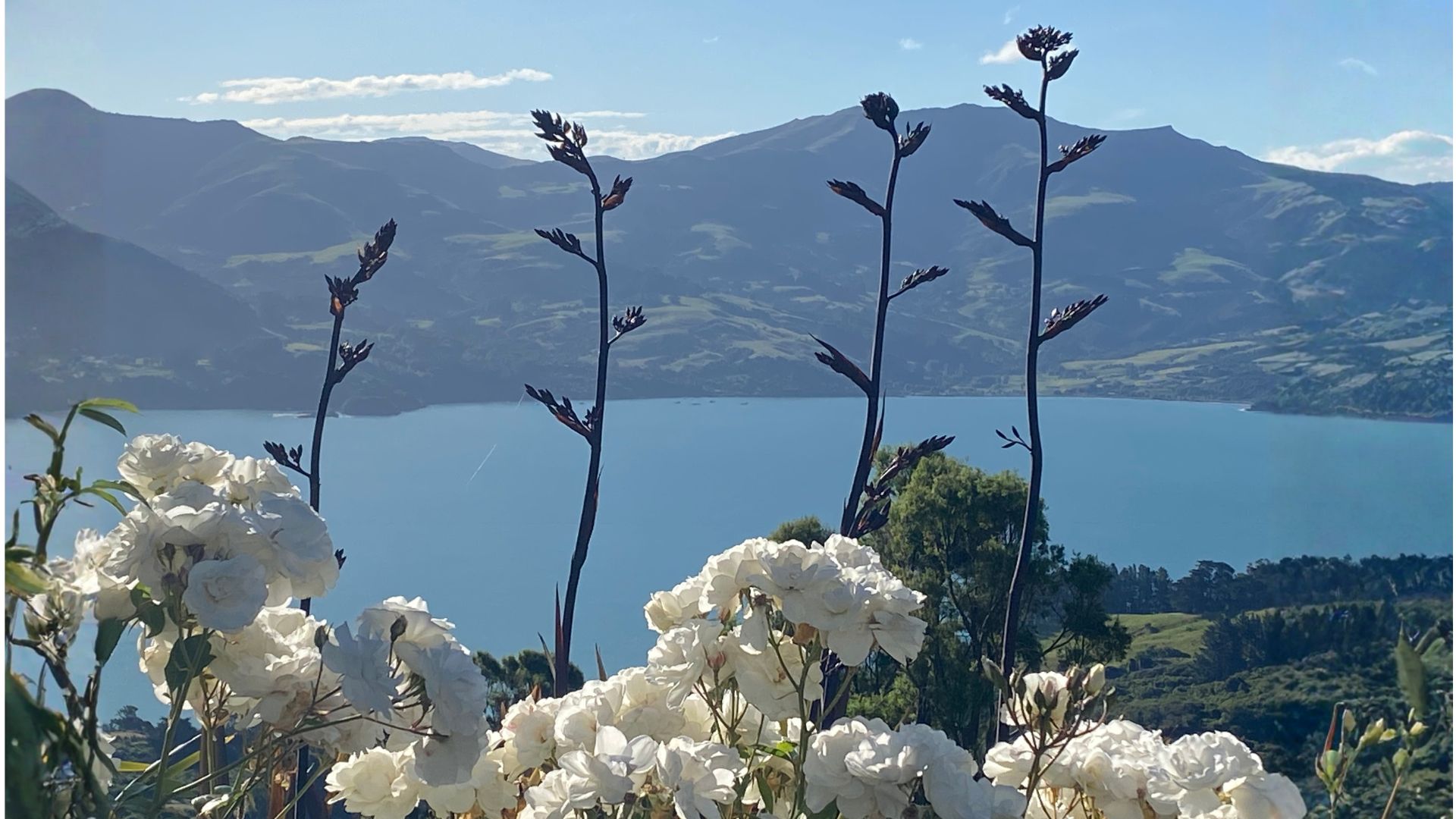
From catching 2,000 a year to none: life without possums on a Banks Peninsula farm
The Gibbs’ Banks Peninsula 235-hectare farm has been declared possum-free, and the change is noticeable everywhere.
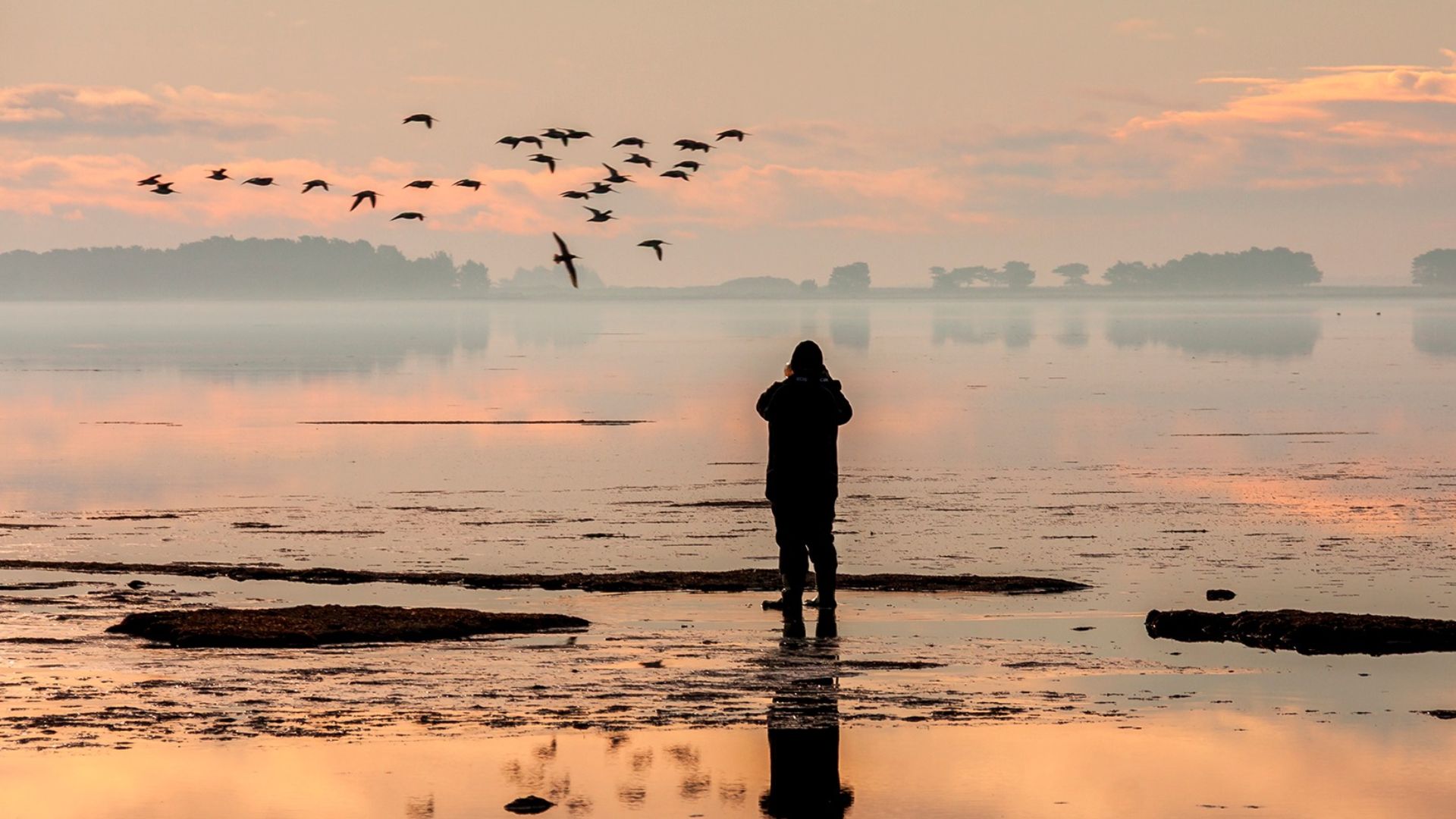
“It’s a bit of an emotional roller coaster”: the dotterel guardian of Southland
Each spring, pukunui (Southern dotterels) head to Rakiura’s mountaintops to breed. All summer, Glenda Rees waits, heartsick, fearing which won’t return.
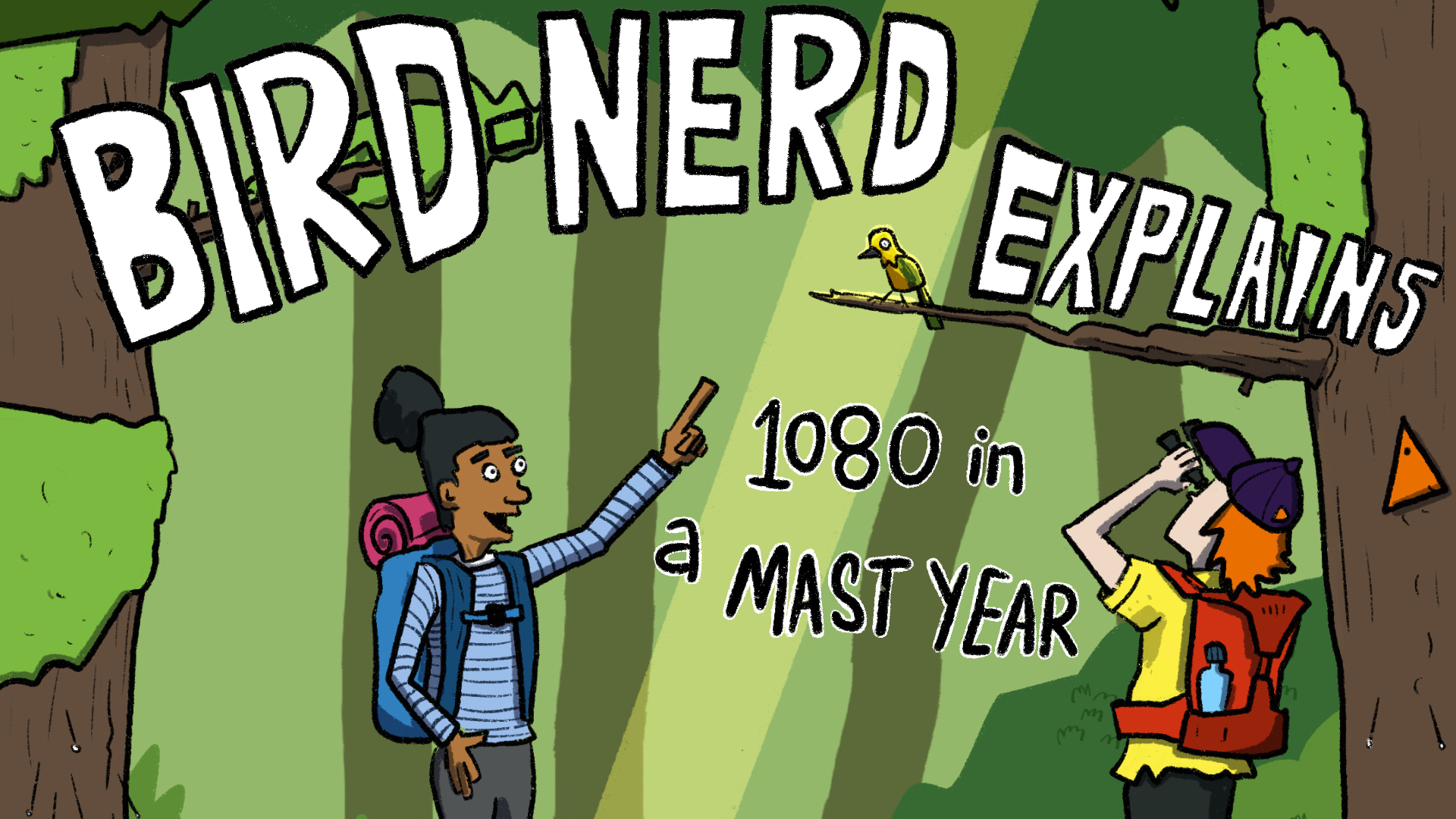
Comic: bird nerd explains 1080 in a mast year
Illustrator Andrew James outlines how the Department of Conservation are planning to respond to this summer’s forecast beech mast.

“We are seeing the land come back”: restoring nature and relationships on Rēkohu (Chatham Islands)
On Rēkohu, Maui and Susan Solomon are returning nature to a place stripped bare. Their project is restoring a relationship with the land, birds and trees.

NZ’s weird export niche: predator control technology
Invasive species threaten ecosystems worldwide, but New Zealand stands out for its solutions, exporting conservation tech to the world.
From wasp swarms to birdsong: 1500 wasp nests removed in five years
Five years ago, the forest above Waikawa in Marlborough was more horror story than sanctuary. Today, it’s on the road to restoration.
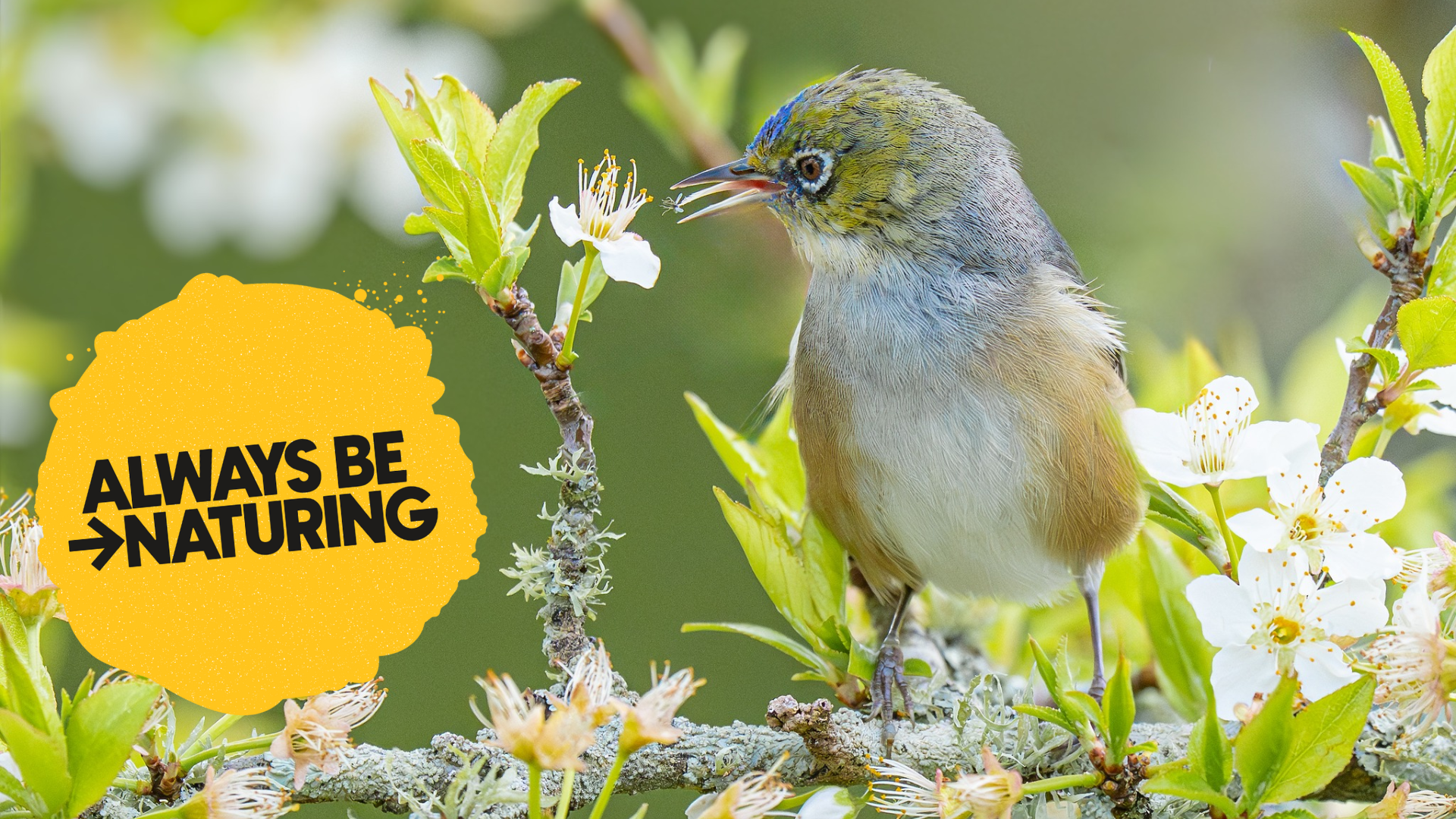
Spring has sprung: 5 ways to get naturing
It’s warming up. Our days are getting longer. Many of us are keen to get out and enjoy the outdoors, even if it’s in our own backyards.
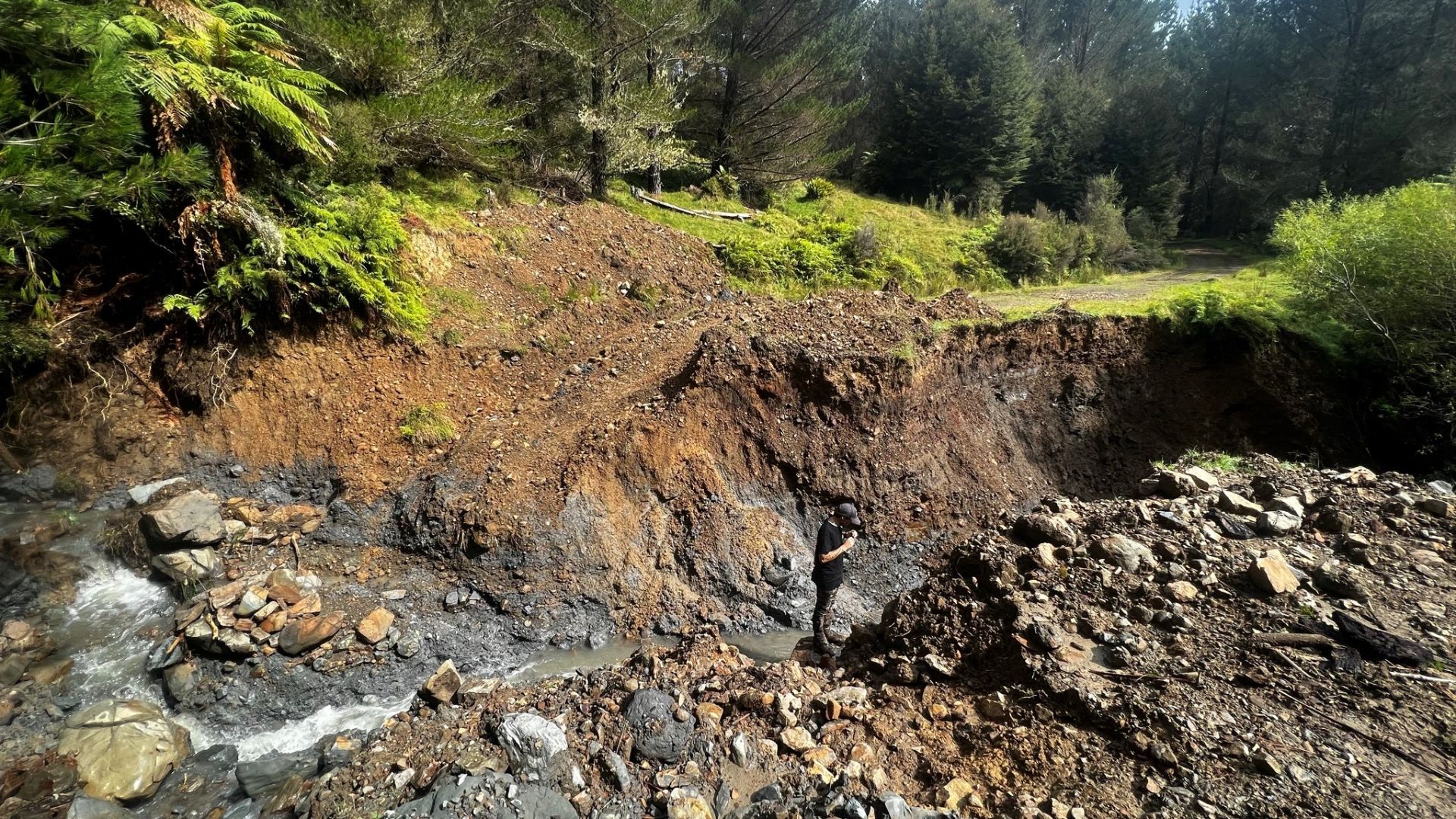
Cyclone Gabrielle couldn’t stop this conservation project
When Cyclone Gabrielle unleashed havoc on Mangaotāne, Pete Swann and his biodiversity restoration team dove back into pest control mahi as fast as possible.
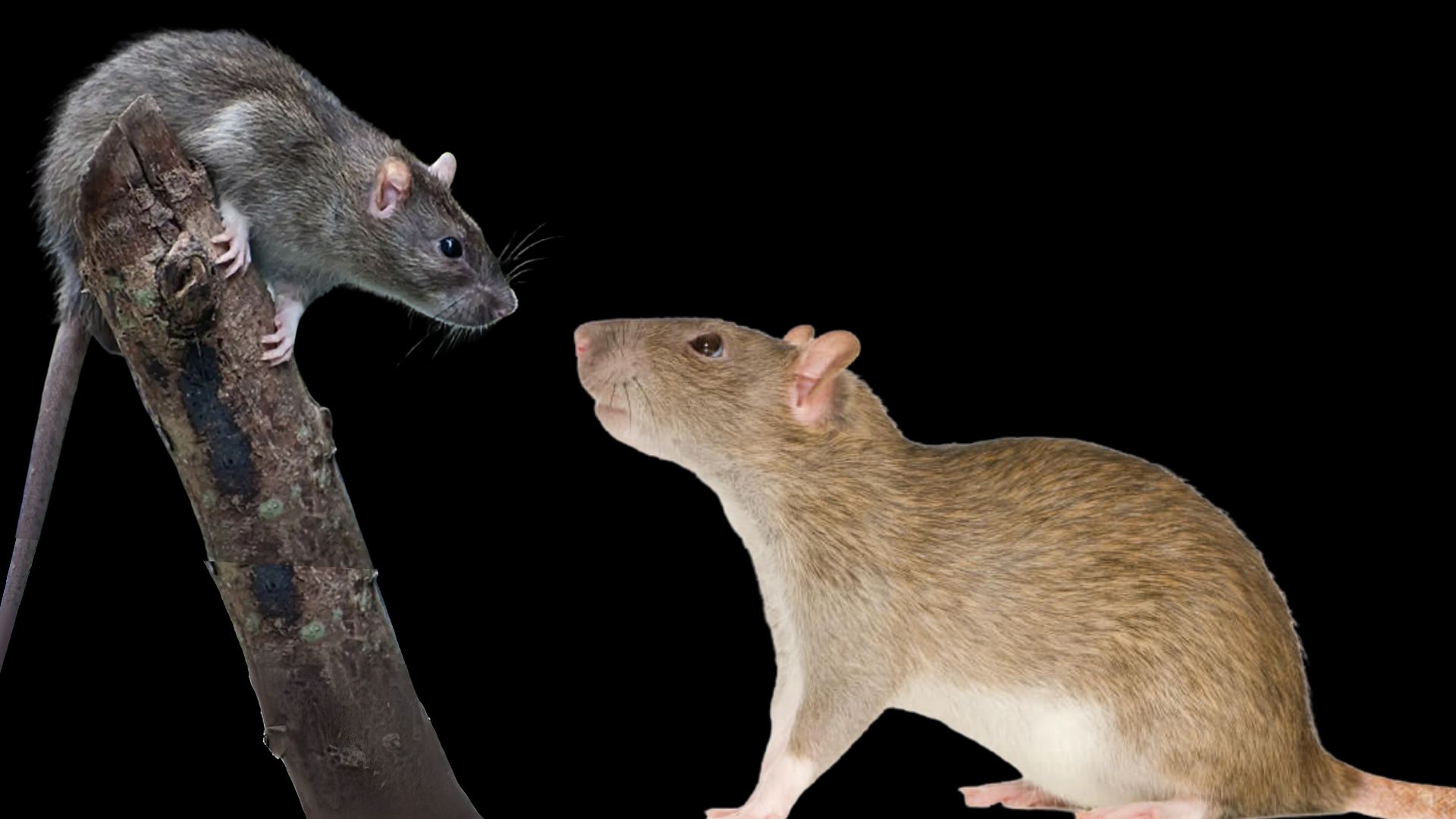
All rats aren’t the same: what you need to know to outsmart them
Aotearoa New Zealand has three rat species with similar looks but different behaviours. Knowing which makes your predator control more effective.
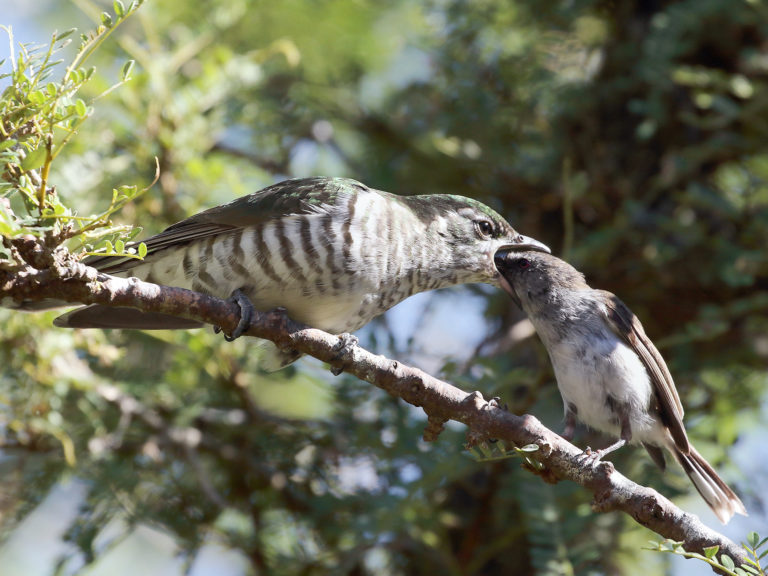
Mystery, migration and mucous membranes: 5 curious facts about the shining cuckoo
From unusual breeding strategies, to quirky culinary tastes, here are 5 curious facts about the shining cuckoo.
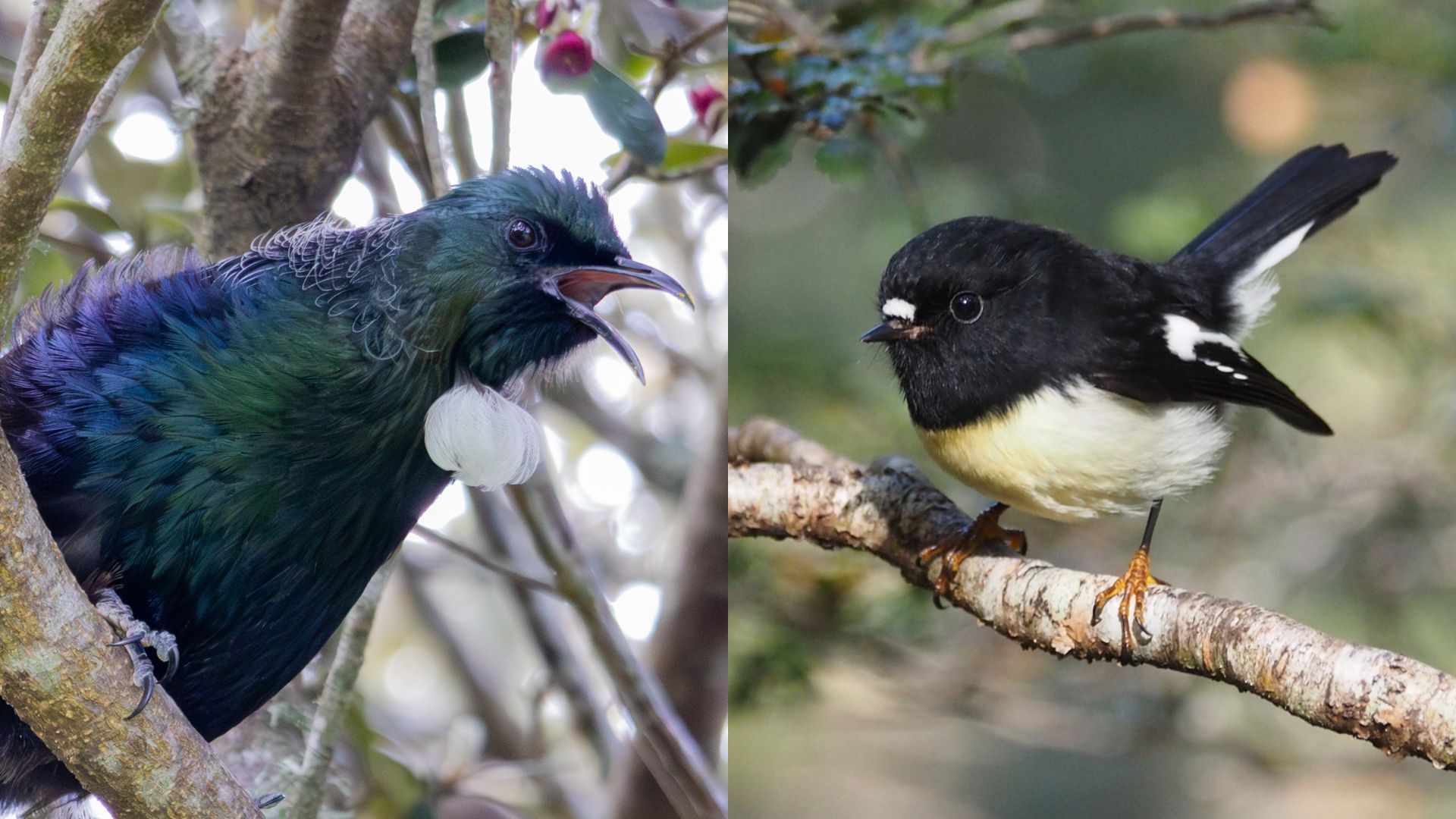
Voice of a tūī, eyes of a miromiro: 5 Māori sayings inspired by birds
In te ao Māori, manu (birds) show up in everyday conversation. For Te Wiki o Te Reo Māori, we teamed up with Hēmi Kelly from Everyday Māori.
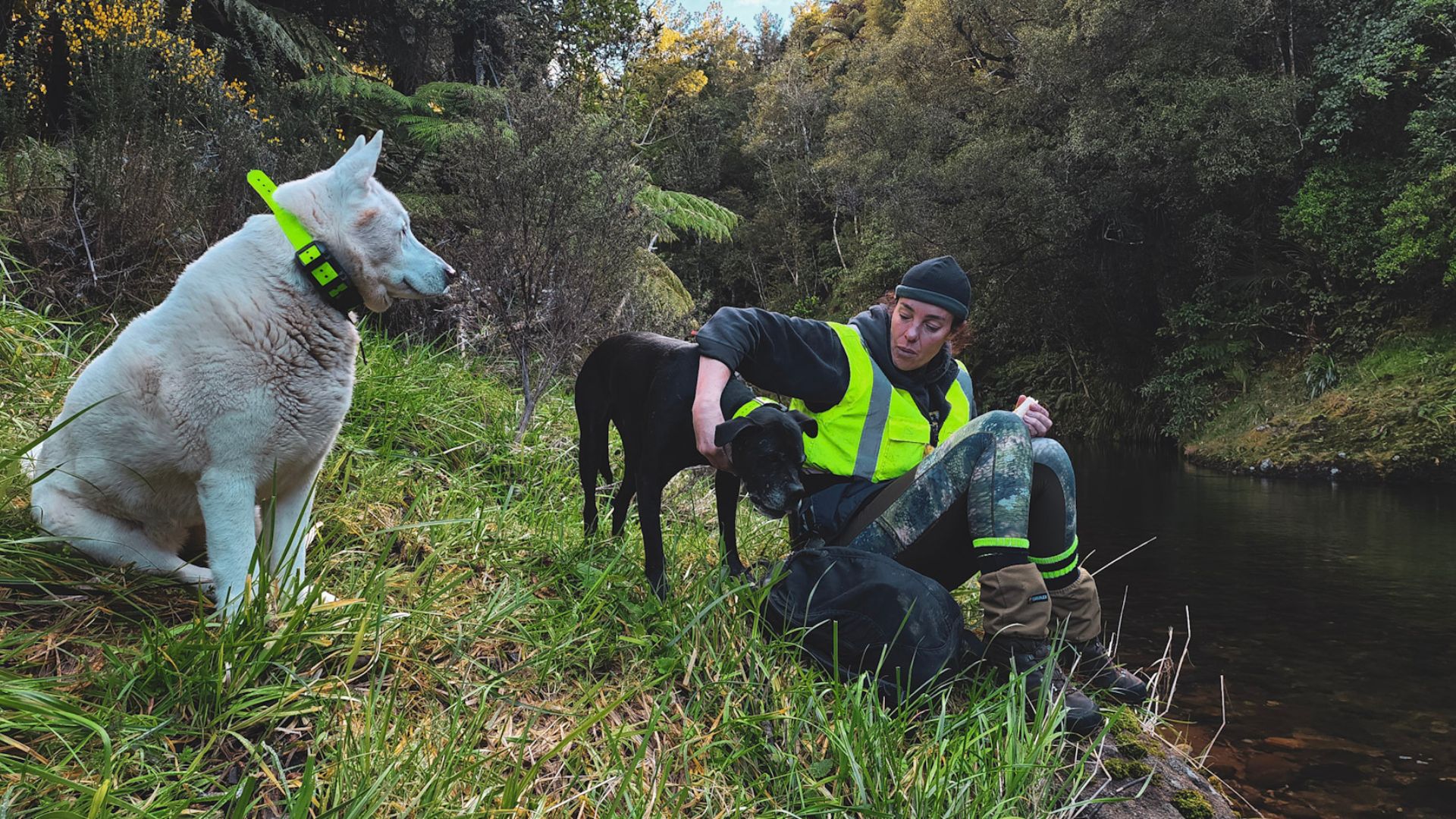
A day in the life: Hako Restoration Project restoring mauri in the Kaimai Ranges
The bush of the Kaimai Ranges is unforgiving: slippery clay, tangly kiekie and steep ridges. For predator control crews, this is daily life.