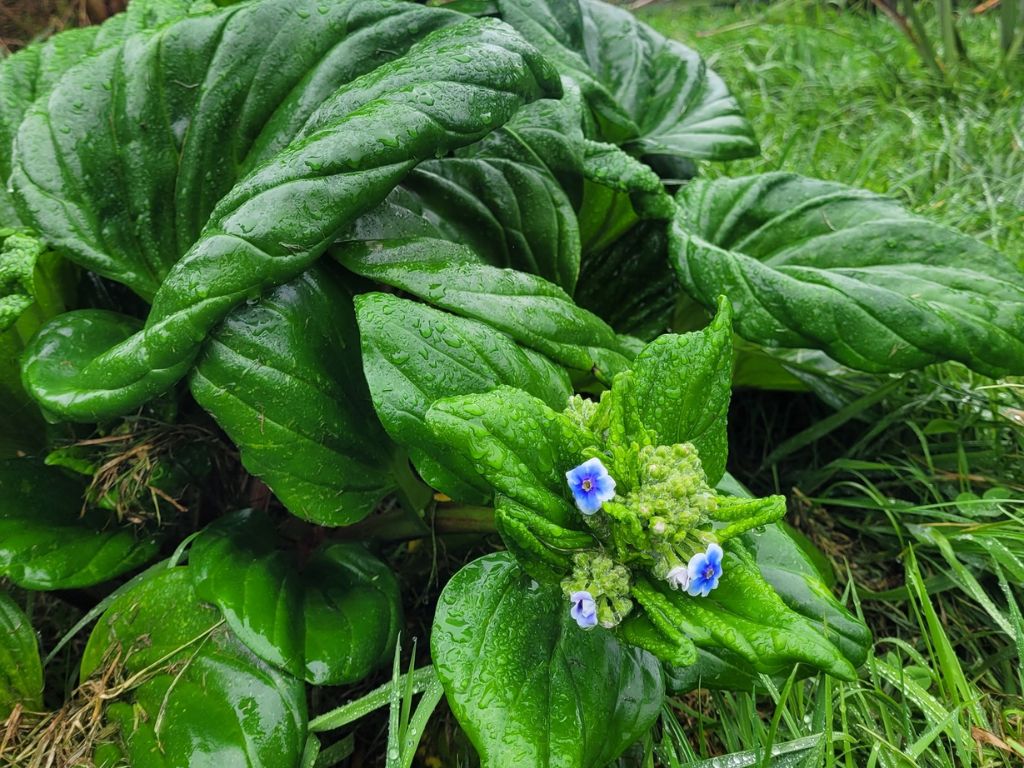
On Rēkohu, Maui and Susan Solomon are helping return nature to a place stripped bare. Their project, Hokinga Mai Kā Manu, is about restoring a relationship with the land, birds and trees: not to use them as resources but to respect them as elders.

For Maui (Moriori, Kāi Tahu, Pākehā) and Susan (Pākehā), the Moriori creation story is more than mythology: it’s the framework of their whole restoration project.
Moriori are the indigenous people of Rēkohu (Chatham Islands). Their creation story tells of how in the beginning, Rangi (the heavens) and Pāpātuanuk (the earth) clung together in darkness.
The spirit Rangitokona gently prises them apart with ten pillars of light and knowledge, then shapes a being, Tū, as a tree from the earth and breathes into it the spirit of the bird.
From Tū, all humans descend.
To Maui, the story is a reminder that the trees and birds are elder kin, or tongihiki, not resources.
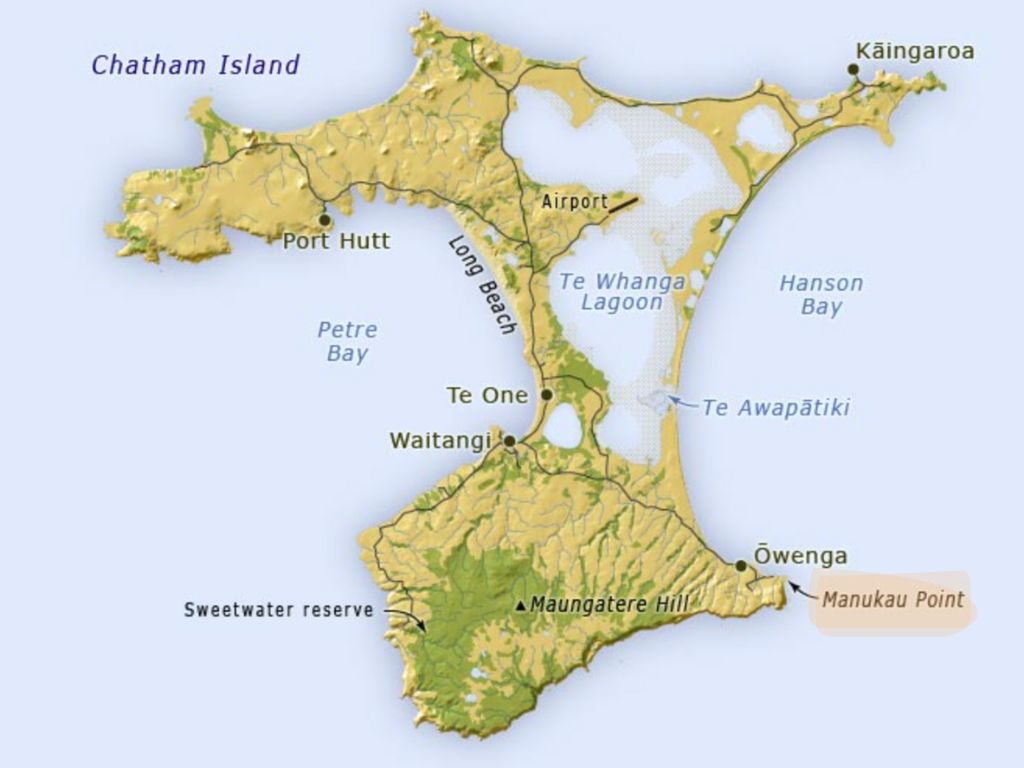
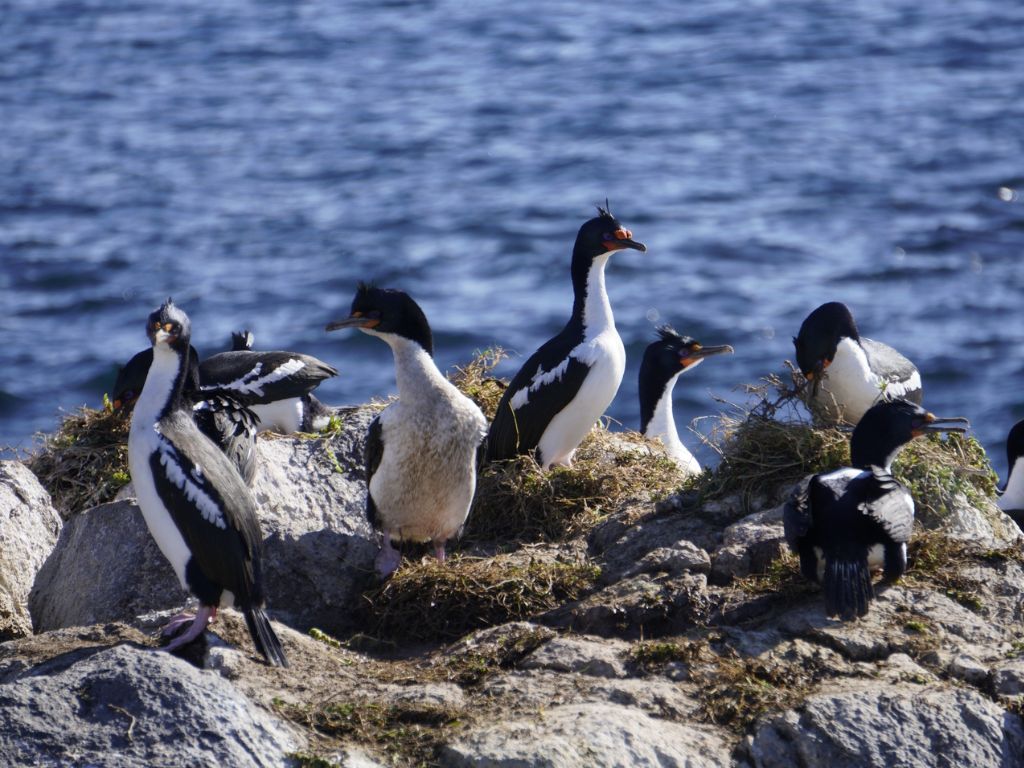
It’s that relationship that he and Susan are restoring at Manukau, a coastal reserve on the island’s south-eastern tip that once teemed with birds, which is now the heart of their Hokinga Mai Kā Manu project.
“When we first started this work, I thought we were doing it for our grandchildren, but we are already seeing the results. We are seeing the land come back, the birds and the trees, and it is so heartening that it drives us forward,” says Susan.
Rēkohu laid bare
“When I first came to the island in 1984, there were hardly any trees left on Manukau. Since then, I have been coming and going for 40-plus years, and now I live here. I have always wanted to see the korowai returned to the whenua,” Maui says.
A descendant of one of the original owners, Maui’s connection to the island was passed down through his grandfather, Tommy Solomon. In the early 1900s, Tommy helped clear the land for farming after a Moriori reserve was created through the Native Land Court in 1870.
Much of Rēkohu was cleared to sustain agriculture by Māori and Pākehā leaseholders, pushing out birds that had called this isolated place home long enough to become unique species. As a result, what was left of the native forest and coastal vegetation on the island quietened, the seabirds began to retreat, and their forest-dwelling cousins declined significantly.
Maui says to return the henu (land) to health, then humans must restore the relationship between the trees and the birds.
A dream takes root
Maui and Susan moved to the island 15 years ago, and slowly a dream took root between them, drawing their family back to the forest of their ancestors.
In 2006, funding from Ngā Whenua Rāhui kick-started the project through the creation of 150 hectares of fenced kawenata – a covenant where indigenous species would be protected.
Maui and Susan started planting trees in 2012, whenever they could find the plants and the time. Successful applications to One Billion Trees in 2019 and 2020, allowed them to expand planting even more.
Further funding from Ngā Whenua Rāhui allowed pest control and the construction of a predator-proof fence to begin in earnest.
Maui says while rats and mice also pose a risk to the trees, birds and overall health of the ecosystem, the island’s possums have alternative sources of food.
“Possums are pests here, but they aren’t actually doing much damage in the reserve. They are coming up from the cliffs and eating the grass. The rats are eating the fruiting plants.
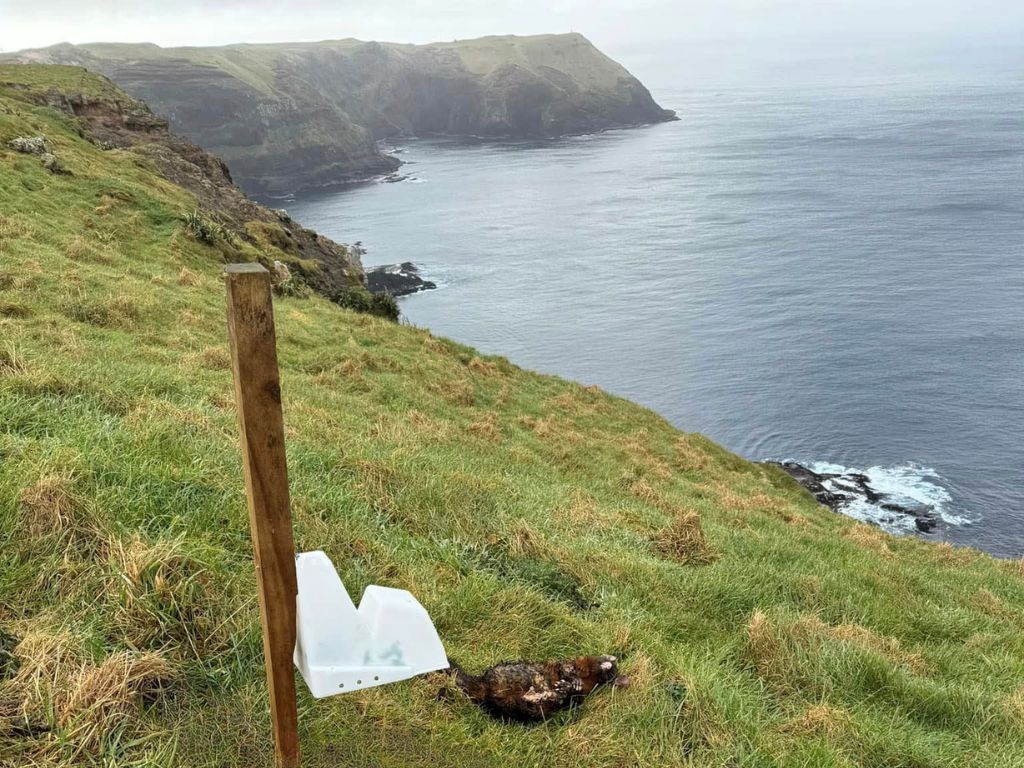
“But it is the cats that are doing the most damage to the population of the birds.”
Pest control efforts have focused on maintaining bait stations, trapping, and monitoring. They have also been using dogs for tracking and using chew cards for data collection. They also have plans to use leg-hold traps.
Returning relationships
However, it’s not just about restoring the henu (land) – it is also about returning the relationship with the bird and trees to the people.
The funding has enabled more people to get involved: employing local contractors and organising planting days for those who live on the mainland but wish to return to the island.
“That reconnection back to the land is important. To get to the island, it costs more than $1000, so it is not a cheap place to visit. That’s why it is great that when family do make that effort, then there is some way for them to be kaitiaki.
“The main priority is to give back to the land. Our family have taken from it – it is now important we give back.”
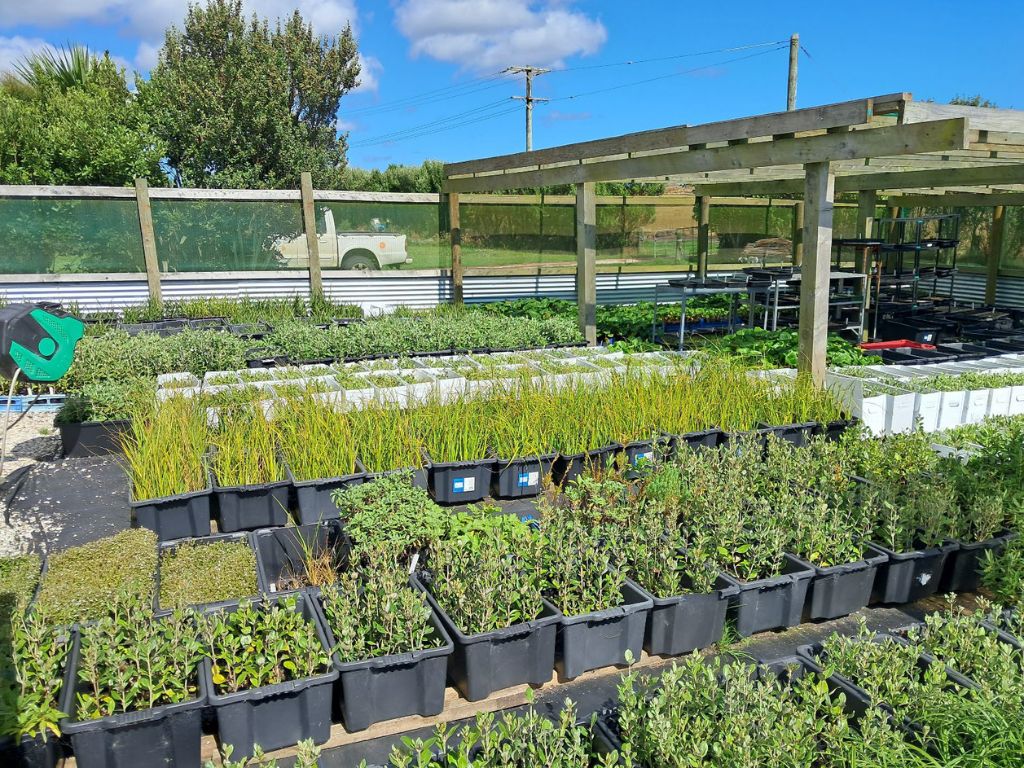
To date, they have planted 130,000 trees and shrubs – all endemic to the island. They have fenced up to 200 hectares and developed their own nursery to support the work.
When Susan first joined the interview, she was quick to apologise because she had just been in the nursery, and the knees of her pants were still dirty with the soil.
Her passion for the work is unmistakable.
Even across the internet, Susan’s face lights up the screen as she talks about being hands deep in the soil with the Chatham Island hakapiri (Olearia traversorium). She says that it brings her joy that they can also help protect many of the threatened plant species, including the Chatham Island toetoe, rautini and the pingoti.