
There are moments in conservation where you can feel the tide turning, writes Predator Free New Zealand Trust chief executive Jessi Morgan.
The heady announcement by then-Prime Minister John Key of New Zealand’s moonshot goal to become predator free by 2050 was one such moment. Conservation Minister Tama Potaka’s announcement to include feral cats in the Predator Free 2050 target species list was another.
Quietly monumental. And honestly, a bit surreal for those of us in conservation who have been banging the cat drum for years.
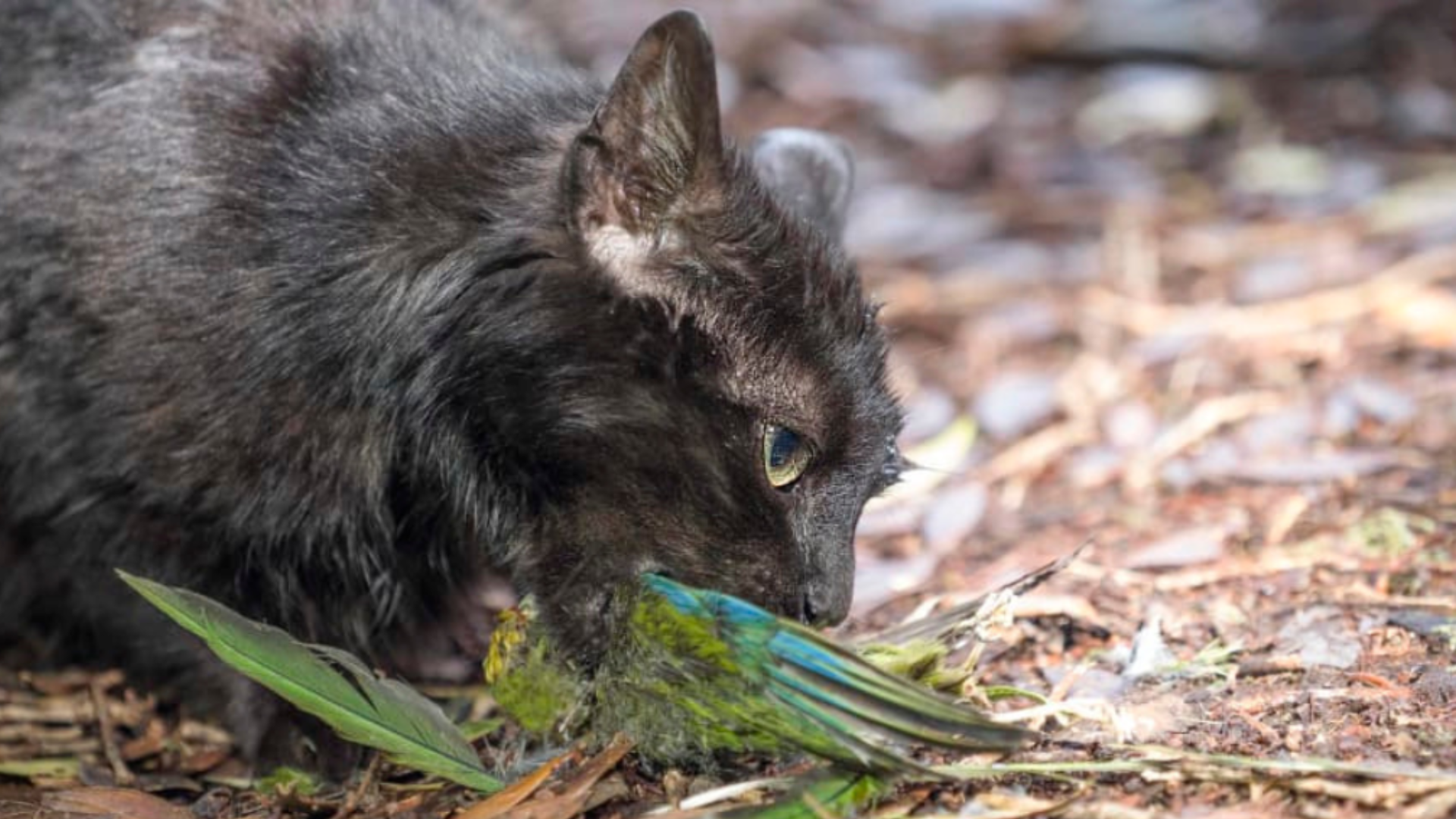
We’ve always danced around the issue or the “cat-shaped hole” in the Predator Free 2050 mission. The evidence that feral cats are devastating predators, preying on birds, bats, and lizards found nowhere else on earth, is well documented and understood. But cats have existed in a strange no-man’s land. Devastating biodiversity, but largely untouchable because of their close link to beloved pets.
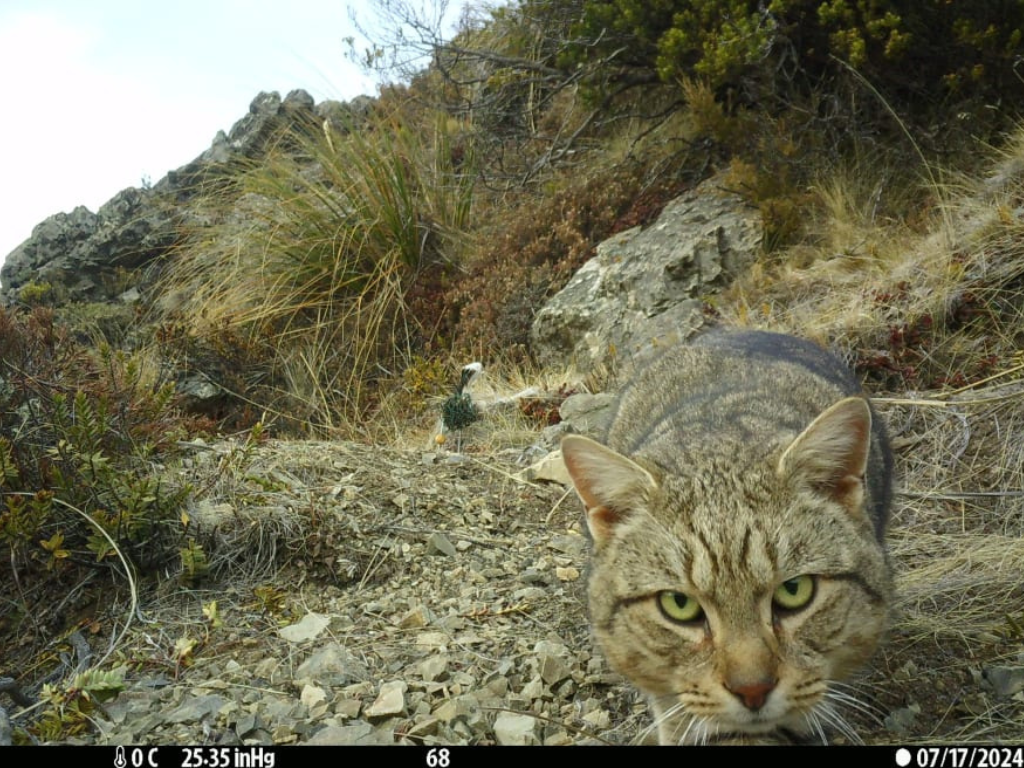
Feral cats are not the same as your cuddly pet cat. Feral cats can be found from sea level to the alpine zones – they can literally be found everywhere. And at alarming numbers. They live completely independently of humans and are devastating predators of our vulnerable native species.

Now, at last, feral cats have been called out loud at the highest level possible.
Across the country, communities have been dealing with feral cats as best they can for decades. They’ve seen the damage first-hand: dotterel nests gone overnight, gecko populations that never bounce back. Adding feral cats to the Predator Free 2050 list means we can direct innovation, funding, and research toward humane, targeted solutions and give native species the breathing room they desperately need. The timing is crucial: as research, technology, and innovation advance for the other target species, we cannot leave feral cats behind. New Zealand could never be “predator free” as long as feral cats go unchecked.
It’s an issue that most conservationists, farmers, and animal welfare organisations actually agree on (hard to believe, I know).
Farmers are tired of culling a never-ending stream of feral cats to prevent the spread of toxoplasmosis, a parasitic infection spread through cat poo that causes abortion in sheep. The SPCA supports the humane killing of feral cats as the right outcome for preserving native species. It also ends the suffering of animals in a feral state because humans failed them somewhere along the line.
In June, when the Department of Conservation opened the Predator Free 2050 strategy up for consultation, they asked the public about feral cats. The response was loud and clear: feral cats belong on the target list.
And this time, DOC listened and has done a U-turn. It’s something community groups, regional councils, vets and others have known for years – the time has come to take action on feral cats.
Including feral cats in the Predator Free 2050 target species will not solve the problem overnight. But it finally puts us all on the same page – communities, conservationists, farmers, and everyday Kiwis who want to see more mohua in their forests, kākāpō returned to Rakiura (Stewart Island), and geckos sunning themselves freely. It feels like the tide is turning in the right direction.