
Across Aotearoa, communities are organising, trapping, and restoring the places they call home. With support from the Predator Free New Zealand Trust and the Simplicity Foundation, backyard groups are rolling out new traps and gear. They are people who know that by working together they can make a lasting difference for nature.
Groups funded by region
Northland
Project Bellbird
Once common in Northland, korimako (bellbird) are now rarely heard around Waipū, but locals are working hard to get the tuneful song back. The Piroa Conservation Trust has launched Project Bellbird, a community-wide effort to restore native wildlife by reducing the numbers of rats, possums and other introduced predators. The vision is clear and straightforward: one trap in every five Waipū backyards, supported by buffer zones around waterways and the town’s edge. A part-time coordinator will help residents with workshops, technical advice and catch recording and draw in schools and businesses.
Bird counts, community events, and social media updates will help maintain momentum and celebrate progress. With enough hands on board, the people of Waipū could once again hear the chorus of korimako (bellbird).
Auckland
Predator Free Muriwai Waimauku
Predator Free Muriwai Waimauku is driven by a dedicated core group of 20 local residents building a halo of protection for their unique coastal and bush habitat.
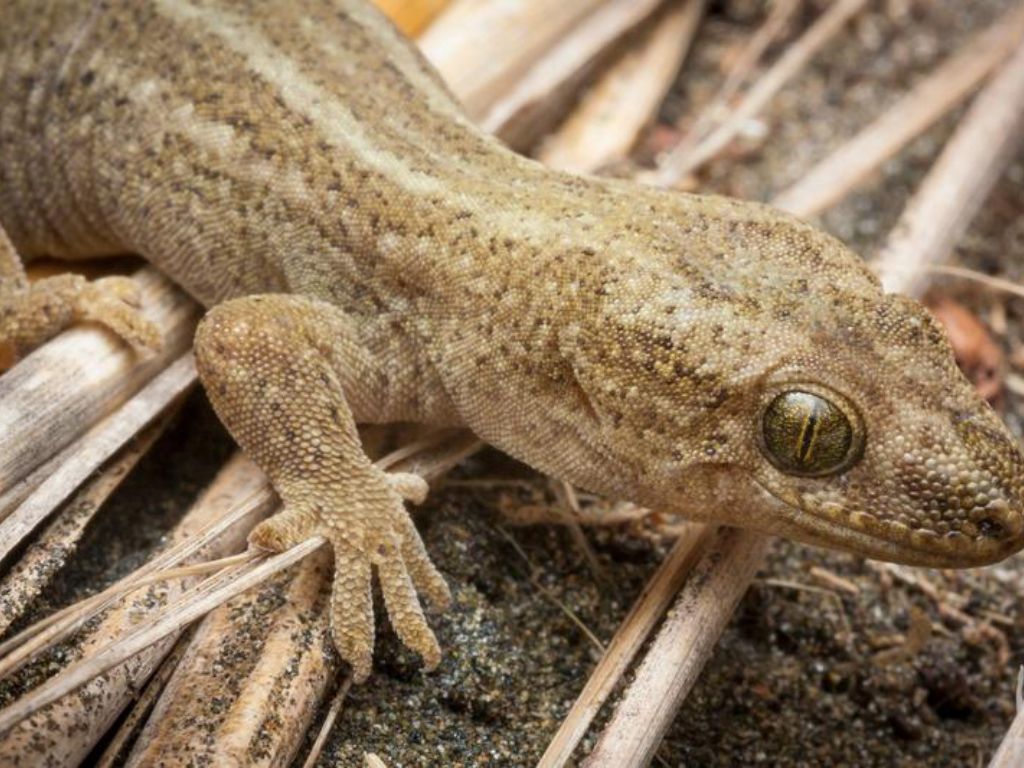
Muriwai is known for its gannet colony, kororā (little penguin) and the korowai gecko, found only in the area.
The goal is to get one in three Waimauku households actively trapping in the next three years. Local schools, scouts, and kindergartens are already engaged, and partnerships with real estate agents aim to welcome new households to the programme.
Waima to Laingholm Pest Free Incorporated (W2L)
W2L proves that pest control works best when neighbours band together. Established in 2016 when locals in the West Auckland suburbs realised individual trapping wasn’t working, the group now links households, schools, and volunteers to protect birds, lizards and insects.
With fresh funding, they’ll boost backyard trapping. They also plan to expand wildlife monitoring and spark new education programmes, doubling down on the idea that predator free really is better when the community works together.
Birdsong Opānuku
Birdsong Opānuku was founded in 2017, and they are doing exactly what’s promised: bringing birdsong to the Henderson Valley suburb. Already kōkako, toutouwai (robin) and pōpokotea (whitehead) have been spotted.
Their recipe for success comes down to three Ps: predator trapping, people and planting. Their outreach into schools has inspired two young men to step up to lead backyard trapping across 150 households in their neighbourhood.
By providing affordable traps, offering hands-on support, and connecting face-to-face with residents, Birdsong Ōpanuku is steadily expanding its network.
Pest Free Leigh
Leigh is a small coastal community next to three significant nature reserves: Te Hauturu-o-Toi (Little Barrier Island), Tāwharanui regional park, and Mt Tamahunga, where kiwi were recently released. After years of steady mahi, the project has strong foundations: a committed street coordinator network, consistent backyard trapping, support for larger landowners, and regular community engagement.
New funding allows Pest Free Leigh to scale up. Until now, the neighbouring community at Whangateau, a few kilometres from Leigh, hasn’t been formally involved. Residents expressed enthusiasm for trapping, so Pest Free Leigh is embracing Whangateau, bringing new households into the fold, sharing their knowledge and building on the local energy that has sustained the project so far.
Waikato
Karioi Backyard Hub
One in three Raglan households is already part of the Karioi Backyard Hub, a community extension of the Karioi Project, which protects wildlife on the mountain of the same name. The hub empowers residents to take action against rats and possums, offering subsidised traps, free home visits for trapping advice, and higher-value traps for rent from the trap library.
The goal is to make backyard trapping a norm and create a safe habitat for wildlife spilling out from Mt Karioi. With fresh funding for traps, the Hub can revitalise its outreach (especially to households where cost is a barrier), expand traps available and host community events to keep backyard trapping buzzing. The aim is to have 50% household participation by 2030.

Hawke’s Bay
Waimārama Predator Free
Waimārama village sits between Mohi Bush and Cape Sanctuary. But rats, possums and a growing feral cat problem threaten the wildlife the moment they leave the safety of these predator-controlled areas. Waimārama Predator Free is stepping up to change that.
The group aims to establish 100 traps in backyards and reserves within the first year. The plan is also to engage tamariki at Waimārama School and work alongside the marae, as both already have trapping programmes in place. Farmers will help with boundary control, ensuring the village’s efforts connect with the wider landscape. By bringing everyone together, Predator Free Waimārama hopes to make backyard trapping self-sustaining – and create a safer home for tūī, kererū, kākā, and more.
Wellington
Pest Free Tawa
Tawa sits between popular predator free movements in Wellington and Porirua – Capital Kiwi, Predator Free Wellington and Predator Free Porirua.
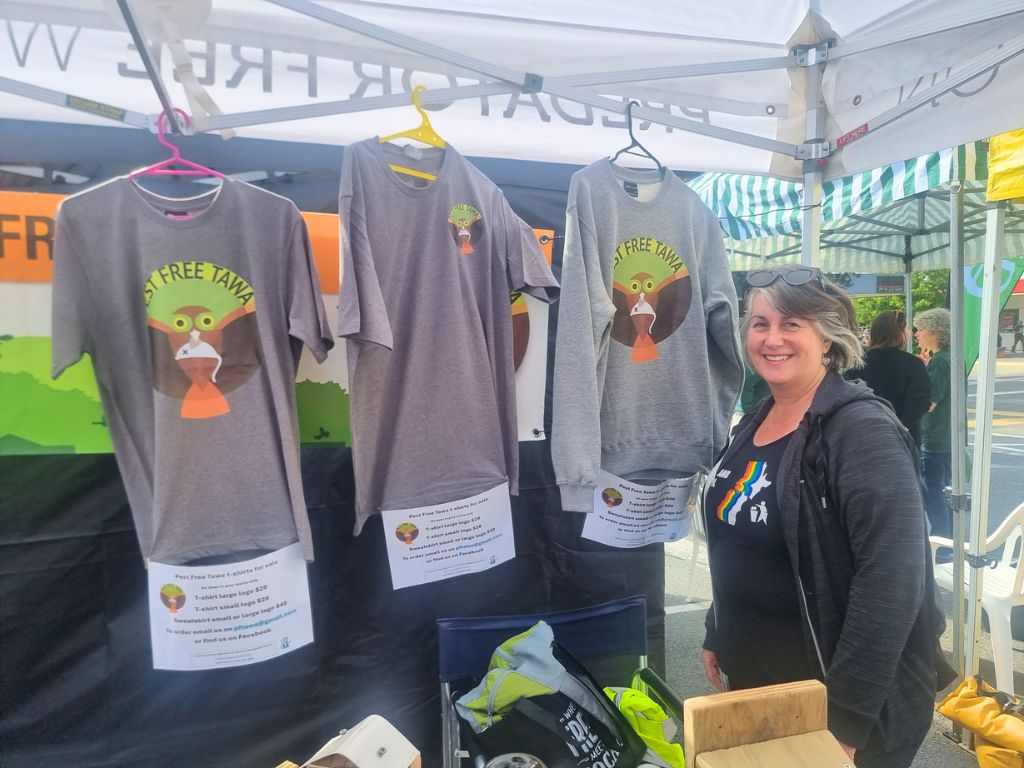
However, Pest Free Tawa is holding its own, trying to provide a safe habitat for lizards, kākāriki, kākā, and kārearea. More than 840 households are already trapping rats, with a small pool of possum traps available for loan.
New funding will help Pest Free Tawa continue to grow, expanding backyard trapping to 1,200 households, 20% of the large suburb.
Predator Free Papakōwhai
With bush reserves, waterways and proximity to the Porirua harbour, Papakōwhai has plenty of nature, but pressure from rats, possums and mustelids keeps it from thriving with native wildlife. Sitting between several other community trapping groups, Papakowhai is important to the overall Predator Free Porirua effort.
After a quiet period, Predator Free Papakōwhai is re-energised with a new six-member coordination team and a fresh focus on backyard trapping. Thanks to new funding, the group has a clear plan: koha-based trap kits, stalls at school galas, and hands-on support through home visits and training.
Ngahere Korowai
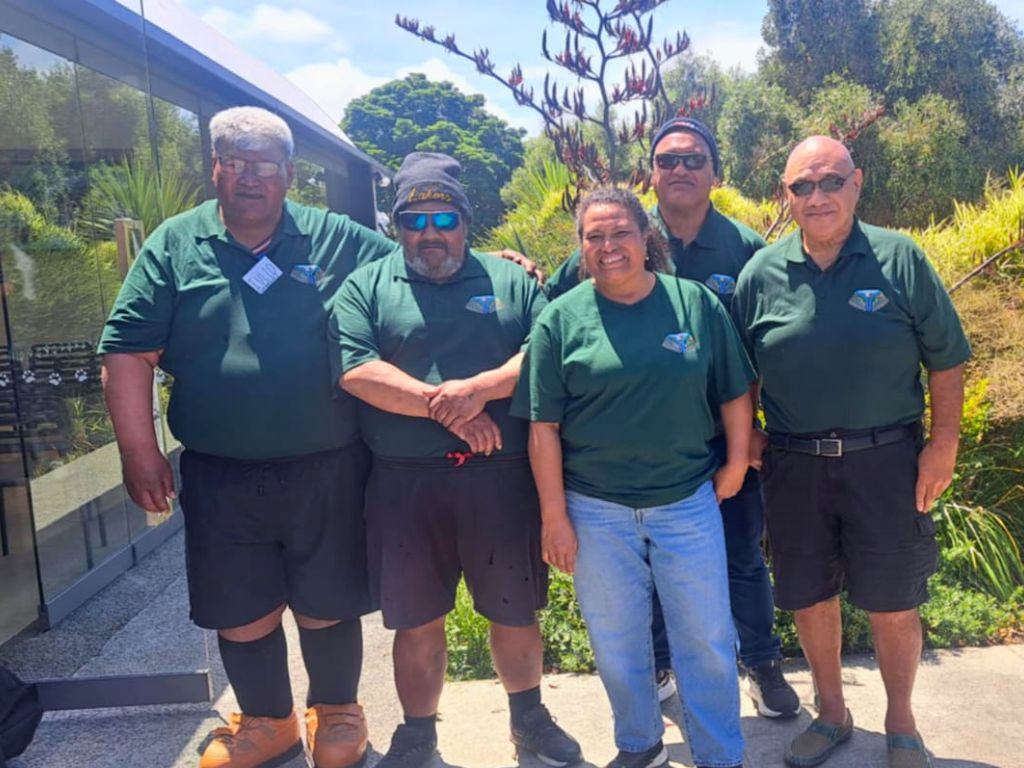
Ngahere Korowai is a project to rekindle the relationship between people and nature. It’s working to restore the hills and waterways surrounding Porirua East, establishing a rich ecosystem where the community can harvest kai and rongoā (medicine) sustainably and all ecosystems are thriving with life. It’s a vision sparked by a visit to Zealandia, when they asked themselves, “Why can’t we have this in Porirua East?” The answer was they can, and they can make it happen for themselves.
Taking up backyard trapping as part of this vision is a no brainer; the focus will be building backyard trappers in Cannons Creek and Waitangirua suburbs – complemented and supported by existing predator groups in neighbouring Porirua suburbs.
Nelson Tasman
Mount Street Trappers
This street in Nelson has caught the trapping bug. Sandwiched between two other backyard trapping groups, neighbours have formed a committee, carried out a bird count and predator monitoring and gone door knocking to see who else is keen (answer: lots of people). Starting out with monitoring is a smart move – it helps track outcomes and can prove that predator control is working.
The vision is simple: to see and hear more native birds in gardens, more lizards and bugs, and inspire other neighbourhoods in Nelson. Mount Street will help create a biodiversity corridor between nearby trapping groups and reserve projects, as well as support bird dispersal from the Brook Waimārama Sanctuary.
West Coast
Cobden Community Group
A trial with Predator Free Paparoa saw 20 traps snapped up by Cobden residents – sparking Cobden Community Group to expand its backyard trapping across the Greymouth suburb. Locals treasure their green spaces, including reserves, the Grey River and coastal dunes and see predator control as a way to make residential areas a more welcoming place for birds, insects and plants. The community enthusiasm is clear – with funding they can keep the momentum going with more traps in backyards.
Otago
Lake Hayes Estate Backyard Trapping
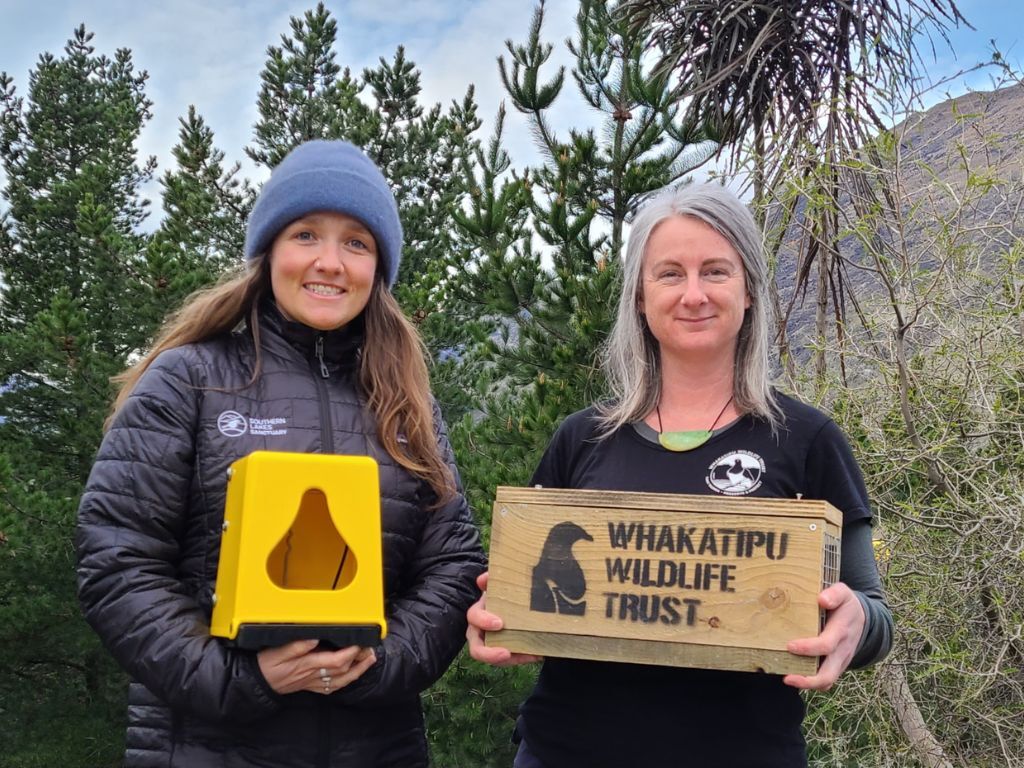
Nothing seems to slow down Whakatipu Wildlife Trust, the umbrella group helping community-led nature projects pop up in every corner of Queenstown.
The latest addition is Lake Hayes Estate, joining 70 other community groups. With kākā recently sighted in the area, locals are eager to protect them alongside pūteketeke (crested grebe), terns, shags, crakes, kererū, tūī and more.
The plan is to start trapping in gardens nearest the reserve and southwest corner of Lake Hayes, but over time expand to include houses across the suburb.
Southland
Otatara Pestbusters
The native bush and wildlife in the Invercargill suburb of Otatara are a source of pride for residents. For 25 years, the volunteer-led Otatara Pestbusters group has been controlling introduced predators in parks and reserves. That work has made a difference, but the next step is just as important: tackling predators in backyards.
By installing traps in gardens, Otatara can help close the gaps between parks and reserves. New funding will enable Otatara Pestbusters to offer traps at a discounted rate, helping remove cost barriers so more people can join in. Backyard trapping is now taking a front row seat to complement the reserve trapping. It’s a natural evolution of decades of community effort, and ensures the forest and wildlife remain a source of pride.
Chatham Islands
Chatham Islands Backyard Trapping
Chatham Islanders aren’t content to sit on their hands while biodiversity is lost to the history books: they’re doing their bit to reduce possums, rats and feral cats.
The community has put in a lot of mahi, but with funding running low and salt-laden air corroding older traps, there’s more to do.
More households are putting their hands up for traps, in part because predator control isn’t just about protecting wildlife. It safeguards their way of life: most homes rely on rainwater, so keeping pest numbers down helps prevent contamination from droppings and urine leaching into storage tanks. Many families also grow their own food, so protecting veggie gardens from hungry predators is essential.
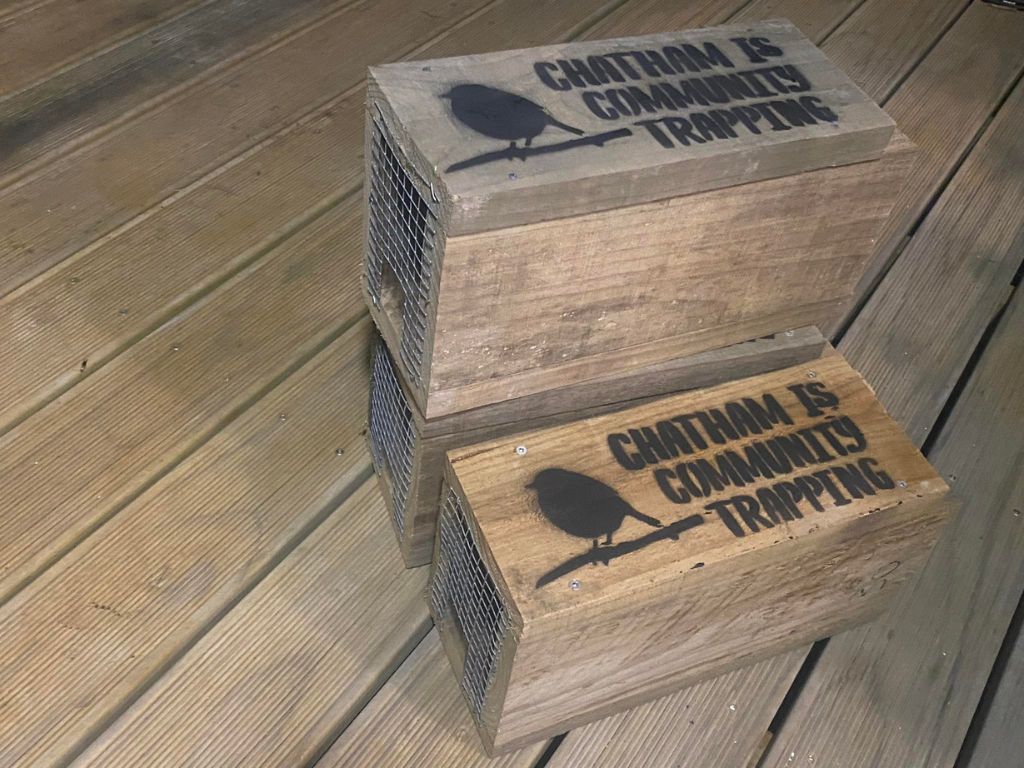
Backyard trapping bolsters the broad Predator Free Chatham Islands project, ensuring native species and the island community continue to thrive.