On the Gibbs’ Banks Peninsula property, cattle and sheep graze, native bush earns carbon credits, and walking tourists trek through. Incredibly, the property has also been declared possum-free, and the change is noticeable everywhere: in full rose blooms, tūī song, greener bush, and in a business model that is more resilient than ever.
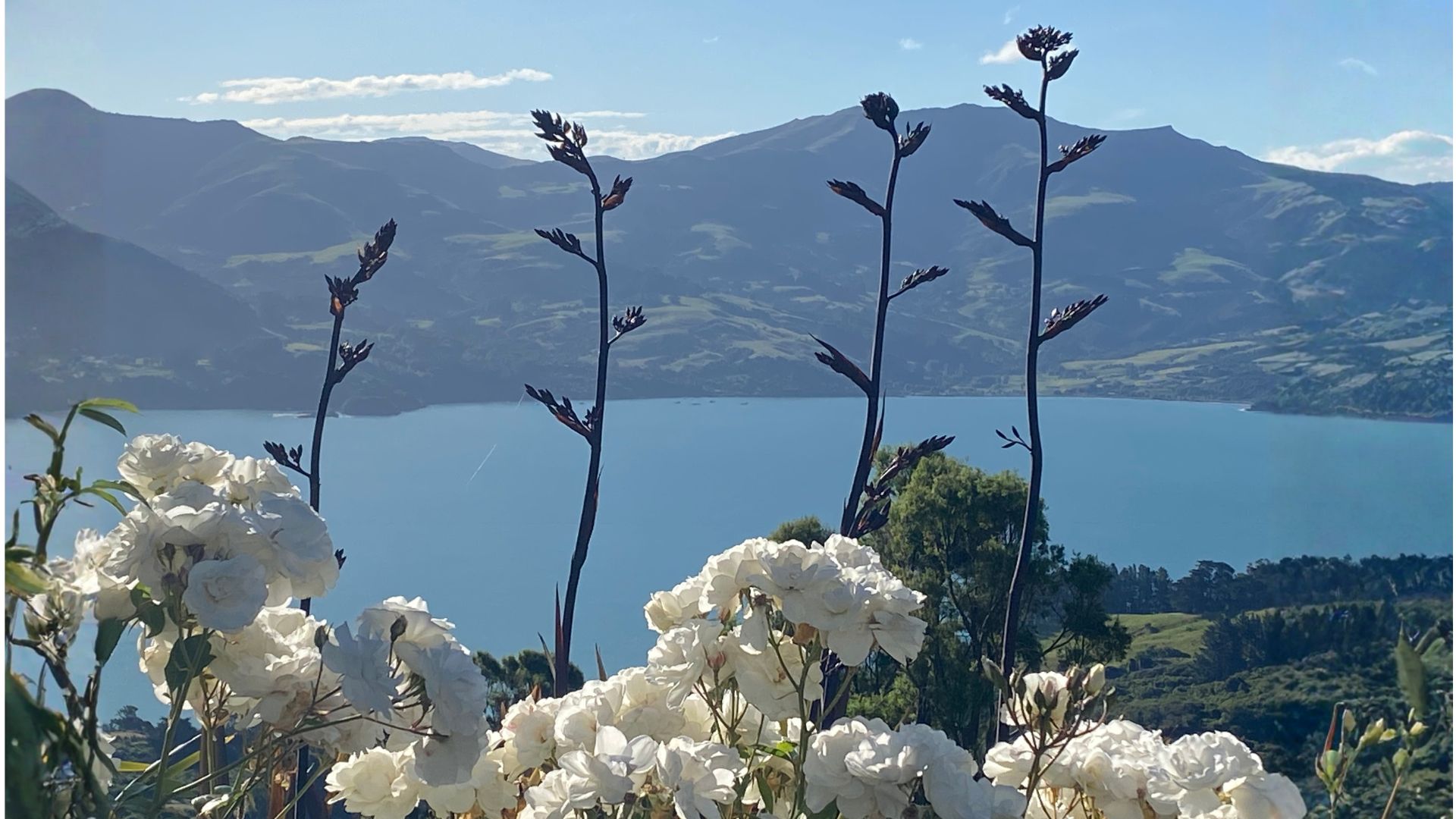
When Jack and his wife Charlotte moved to the picturesque, cliffy ‘Wildside’ of the Banks Peninsula in 2013, possums ate through every rose they attempted to grow.
The couple had barely finished a moving-in cuppa before the Banks Peninsula Conservation Trust (BPCT) was knocking on their door.
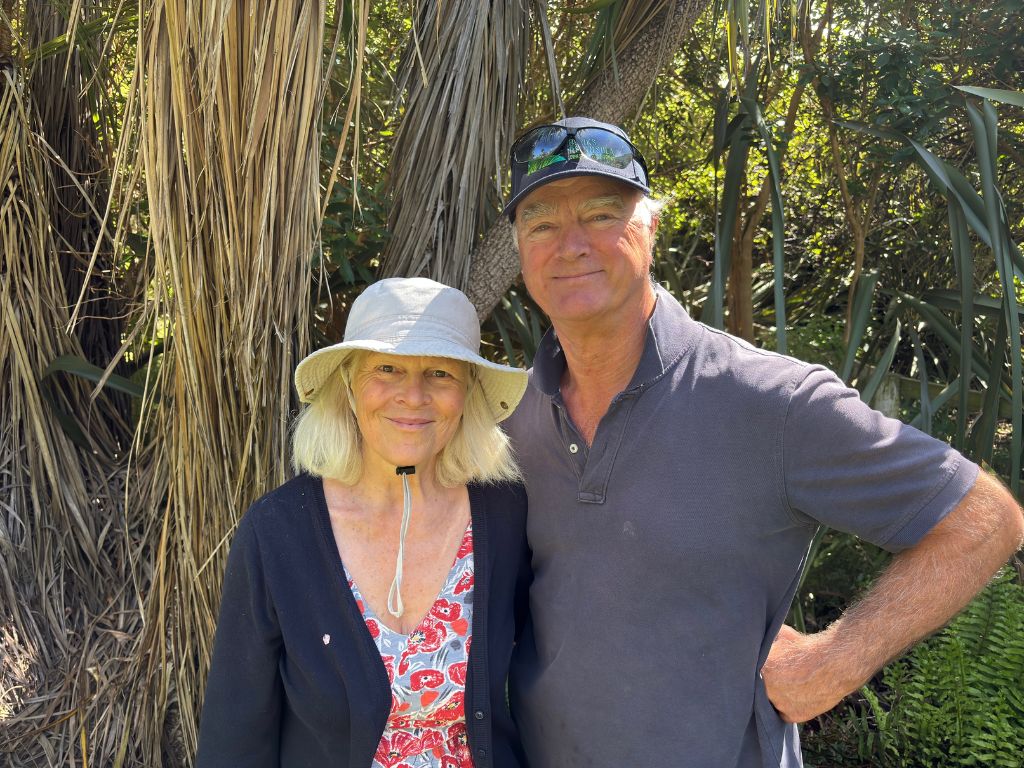
“Word travels fast around here,” Jack says. The visiting coordinator had heard he was interested in conservation. Three weeks later, they were putting out trap lines to catch possums on their Ōnuku property, near Akaroa. Now, Jack serves as a BPCT trustee — the kind of long-term involvement that comes when you see the results firsthand on your land.
In those early years, neighbours helped knock down waves of possums, up to 2,000 at a time. After the second year, Charlotte got her controlled substance licence and took over the baiting job herself. They continued to take down about 200 possums a year, which is where possum numbers hovered for the past decade. Jack suspects most of the possums were coming to enjoy their regenerating native bush, which covers a third of their property (and earns them carbon credits).
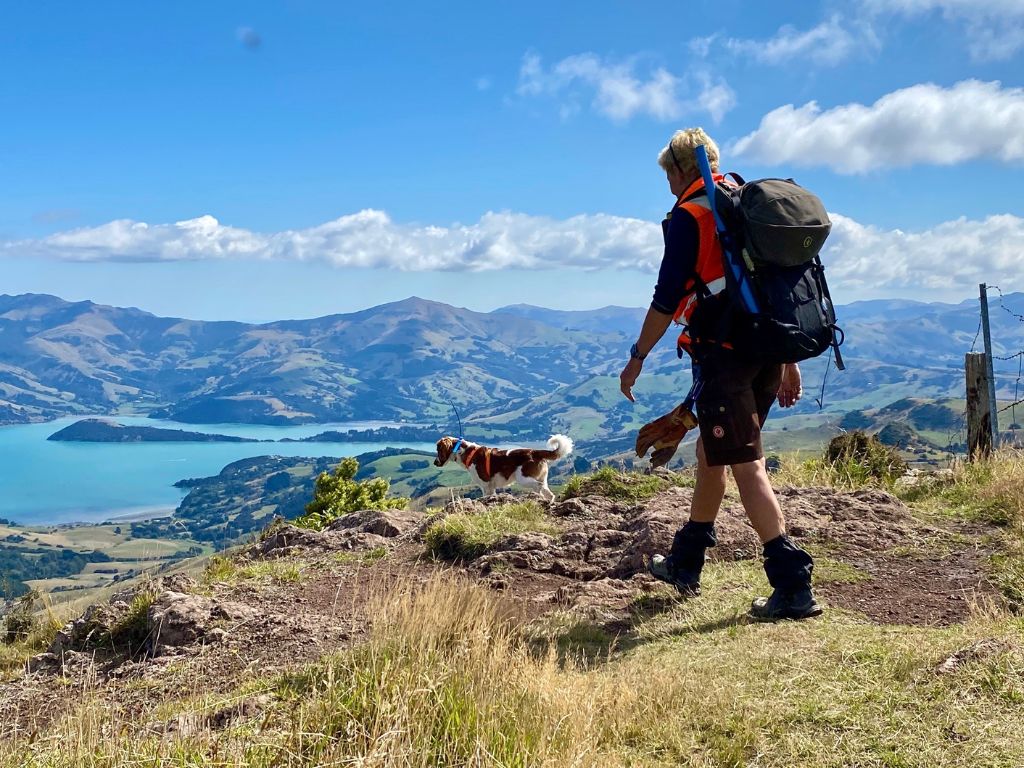
In 2023, in came what Jack calls “the cavalry”: Pest Free Banks Peninsula (PFBP), a large-scale staffed project working to remove introduced predators from the whole peninsula. The project operates under the Predator Free 2050 umbrella: an ambitious nationwide programme to rid Aotearoa of introduced predators.
“They cleared possums from our land and all the surrounding properties,” says Jack. Those 200 possums a year have been reduced to zero.
Working with farming, not around it
As operations ramped up for Pest Free Banks Peninsula, so did the need to access properties across the peninsula. Predator control has to work alongside lambing, mustering and everything else that keeps a farm ticking.
“I had a text three days ago from Ollie, the operations coordinator, saying, ‘We’d like to run one of the scat dogs through, but we’re obviously not gonna come until you’re comfortable with where you are with your lambing,’” Jack says.
“They don’t enter the place without sending me a text first.”
So, the predator free programme’s proven easy to work with. It’s bringing economic benefits too.
Predator free earns its keep in more ways than one
Jack’s had “three careers – farming and forestry, finance and the environment. I guess that what we do now is a combination of all three.”
That combination of backgrounds gives Jack an interesting economic take on the use of the land, but it’s hardly a take that’s unique to him.
The Banks Track, a 31km self-guided walking track, brings walkers and homestayers; possum-free, regenerating bush sucks up carbon; and lambs and beef graze the workable land.
That diversity is key to making a property like Jack and Charlotte’s economically viable. As Jack says, “[The land] is very steep. It probably should never have been cleared of forest for farming.” Multiple income streams just make sense.
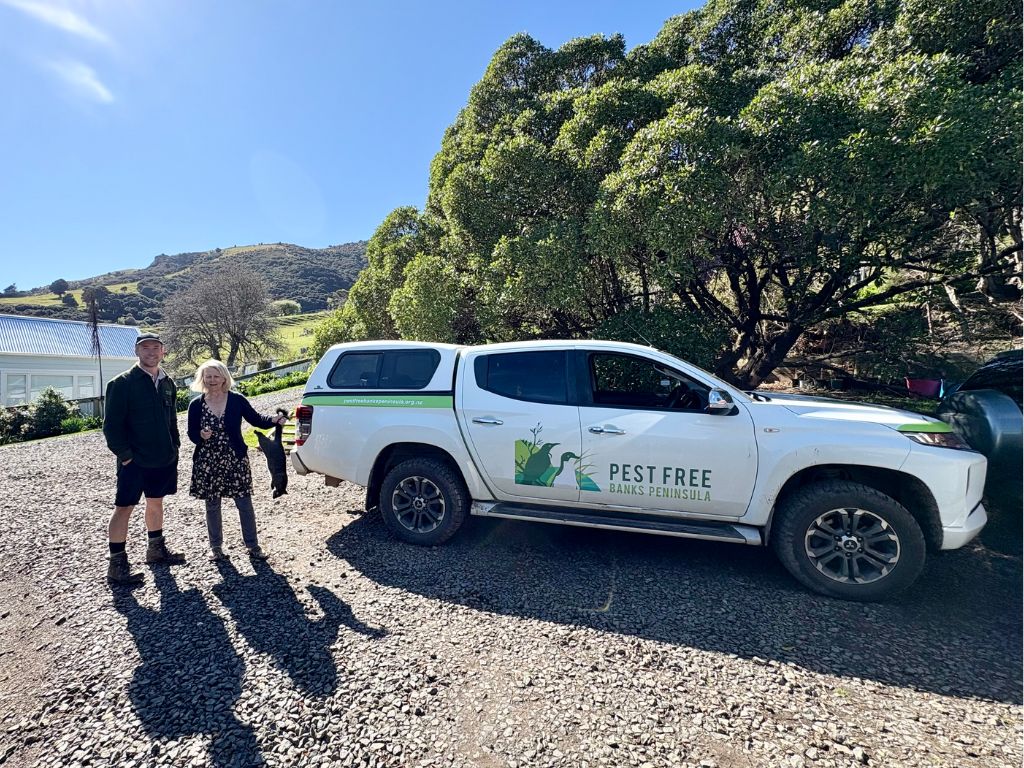
A third of the property is regenerating bush, which Jack explains has a two-fold economic benefit – carbon income and adding to the tourism value.
“The people whose land the Banks Track goes across were very much farmers with a conservation mindset; they were ahead of their time,” Jack says.
The work they started 30 years ago is paying off: one of the reasons the Banks Track is so popular today is because of possum control and bush regeneration.
Finally! The roses are flourishing
Jack and Charlotte’s garden has come a long way since those first years grappling with a possum infestation.
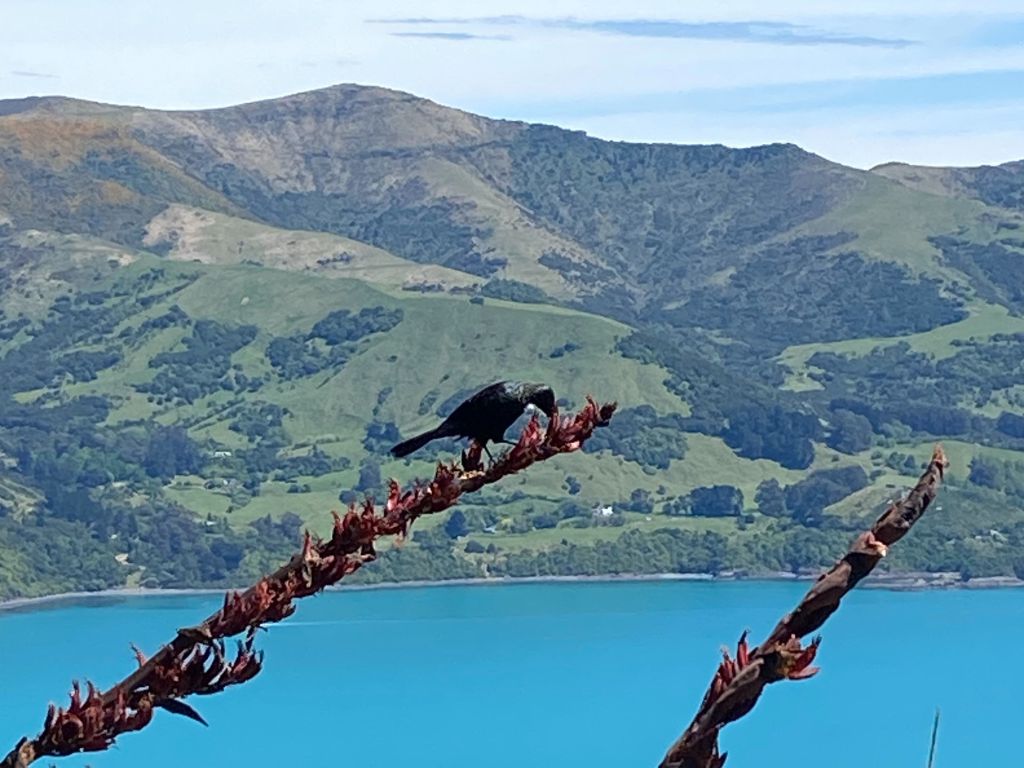
“We planted 100 roses. And we can now say they’re thriving,” Jack says.
And it’s not just the garden flourishing. It’s the regenerating bush, too. Once stripped bare by possums, the endemic kōtukutuku (tree fuchsia) is providing winter sustenance to native birds.
Those birds include tūī.
Canterbury’s loss of native bush led to tūī disappearing from the region, eventually from Banks Peninsula in the ‘90s. In 2009 and 2010, 70 tūī were reintroduced to the peninsula. Now they are commonplace in Jack’s backyard, alongside kererū, pīwakawaka and even kārearea (NZ falcon).
“You can do little bits, and you get a personal benefit. And I think one of the things it would be good to see now is more reintroduction of species,” Jack says.
“I’m quite positive amidst all the gloom in the world around us.”