
Native bird populations are up 32% across Tāmaki Makaurau (Auckland) eastern bay suburbs. The driving force? Thousands of locals, rolling up their sleeves to bring birdsong back.
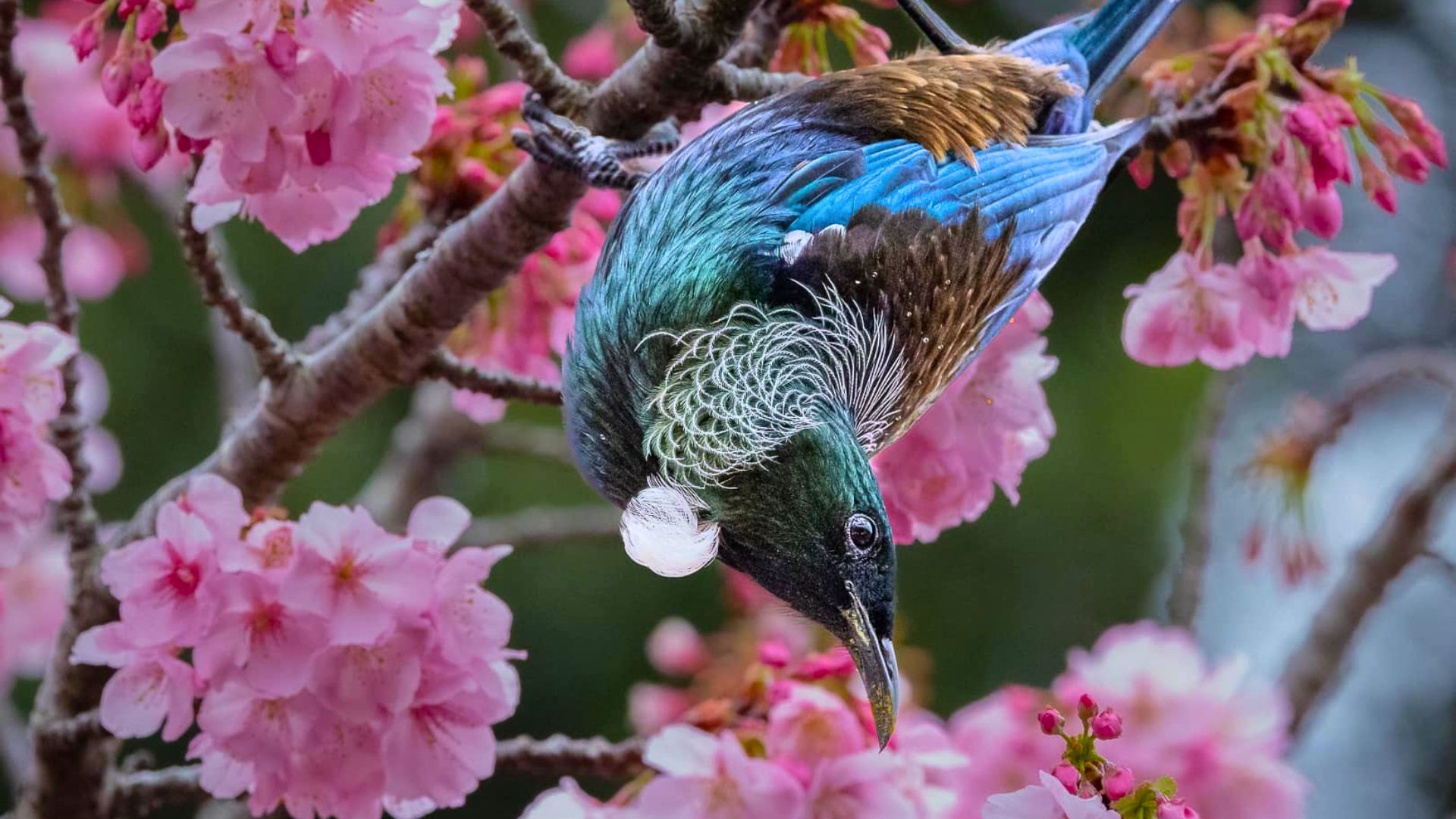
The Eastern Bays Songbird Project began as backyard trapping in five suburbs. Eight years later, it has ballooned across 13 suburbs with 4,500 locals trapping in their gardens, and hundreds volunteering in parks and reserves.
Tūī, pīwakawaka and kererū are garden regulars, but the goal is to see them joined by kākāriki, korimako (bellbird) and kākā from nearby predator free offshore islands in the Hauraki Gulf.
The eastern bays consist primarily of urban housing (suburbs include Ōrākei, Mission Bay, Kohimarama, St Heliers, and Glendowie) with pockets of green space and water on three sides.
The project’s roots trace back to 2017, when the Predator Free New Zealand Trust funded the first backyard traps. Since then, the trapping, planting and weeding efforts have linked up to create “ecological corridors” — green lifelines that connect public reserves, private gardens and Māori land. These corridors connect habitats to give birds, insects, and reptiles room to move, feed and breed.
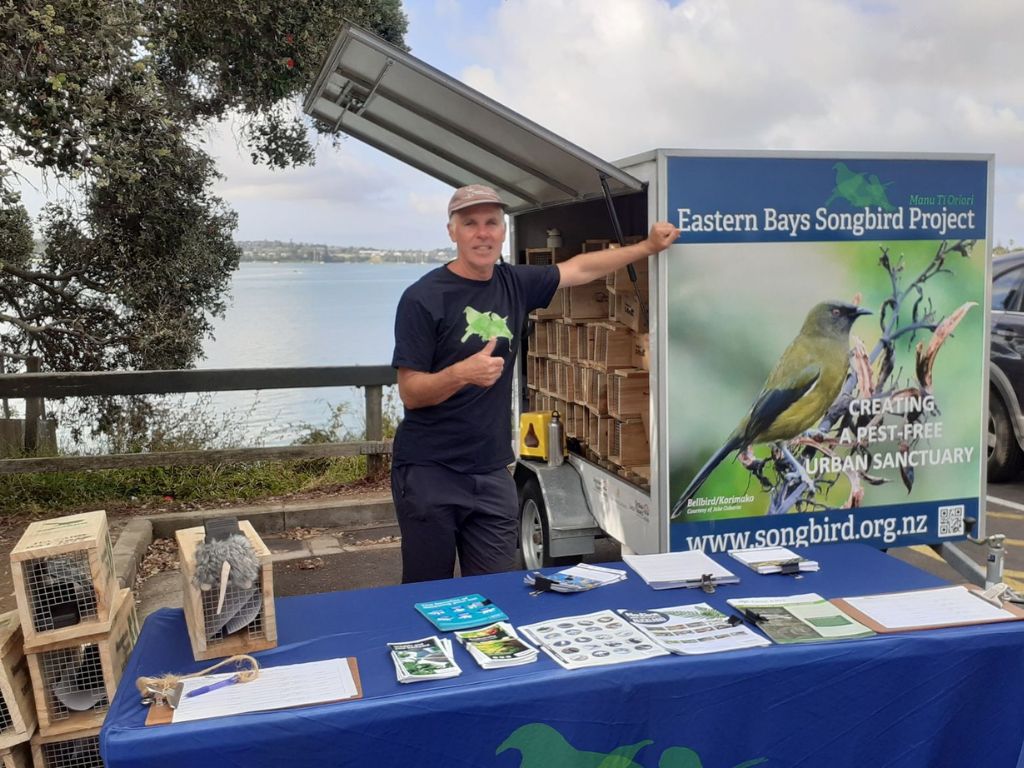
The project keeps residents engaged with restoration working bees, bird counts, guided walks through reserves and free traps at markets. A recent bird count across 28 parks and reserves has seen a 32 per cent increase in the native bird population since 2018.
Linking the landscape
The eastern bays parks and reserves are popular for recreation and are crucial strongholds for trees, plants and animals.
“Churchill Park has shown particularly encouraging results. Since monitoring began in 2021, rat abundance there has decreased by 65%,” says coordinator Michelle.
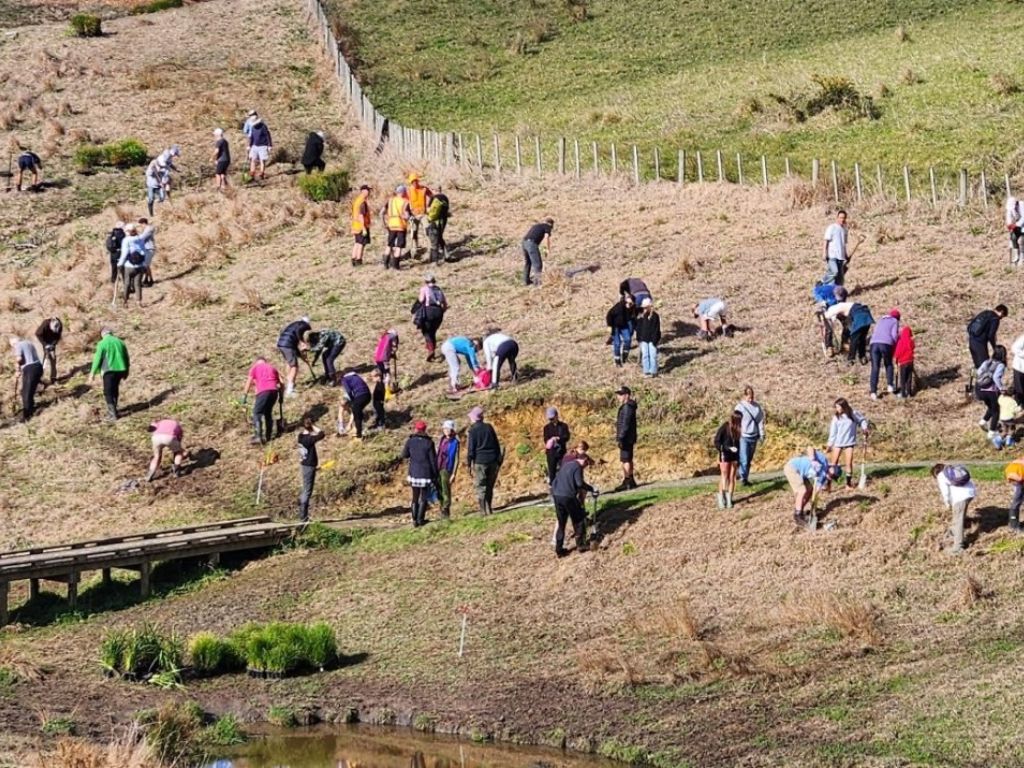
Larger green spaces, including Bastion Point/Whenua Rangatira and Pourewa, are being steadily revegetated by Ngāti Whātua Ōrākei, providing food-rich stopovers and breeding grounds.
Michelle outlines a couple of the Eastern Bays Songbird Project’s current priorities:
“This year, we’ve intensified trapping efforts at the Tahuna Torea sandspit in response to elevated hedgehog activity, which poses a serious threat to ground-nesting shorebirds.
“We’ve also ramped up trapping around the Ōrākei Basin and Tahapa Reserve to address an increase in rat activity.”
Green, leafy pests
Currently, one of the biggest challenges is managing invasive plant species.
“Auckland’s warm, humid climate makes it one of the weediest cities in the world, and garden waste dumped in parks and reserves is a major source of plants now considered pests, as they smother and outcompete our native plants,” says Michelle.
“Education is key, and we’re working to raise awareness about proper garden waste disposal. Meanwhile, we continue hands-on weed removal in local parks and public spaces with the help of energetic volunteers, corporate teams, and school groups.”
Every backyard, every planting and weeding day, every trap checked contributes to the invisible web of life and one day they hope the eastern bays are teeming with korimako trills, kererū wings, and kākā shrieks overhead.
If you’re interested in volunteering in the Ōrākei or Maungakiekie-Tāmaki Local Board area, find out more on the Eastern Bays Songbird Project website.
This article, in part, was originally published by Auckland Council.