
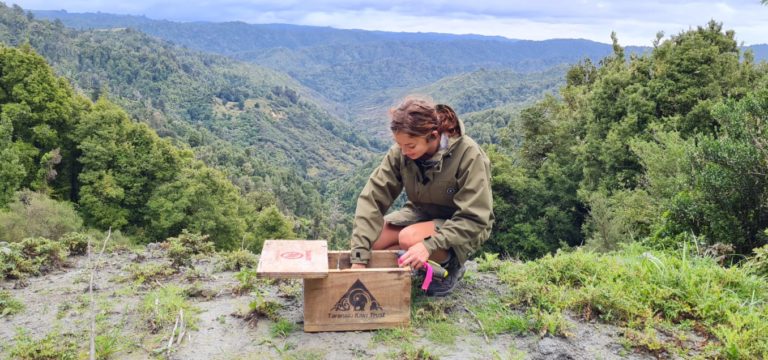
Kiwi calling: Predator Free NZ Trust apprentice Māia Gibbs at home on the range
Like many of us, Māia Gibbs grew up never having seen a kiwi in the wild. Now, she gets up close and personal while helping save the kiwi.
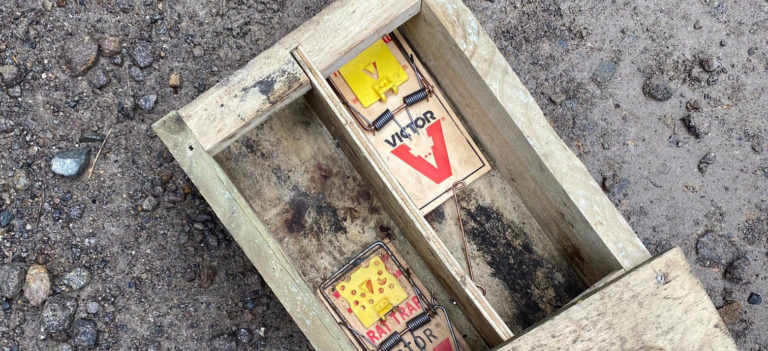
Double trouble: Victor double-set trap
Based on the success that double-set DOC 200s have, the Victor double-set trap is specially designed to house two Victor professional rat traps.
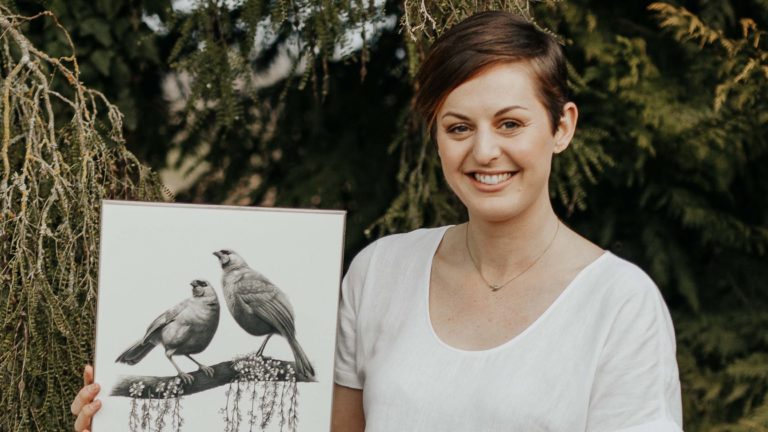
The art of conservation: How artists are helping save our wildlife
When it comes to protecting the native and endemic wildlife of Aotearoa, a pen and a camera are just as vital as traps and bait.

Giving it a crack: ZIP innovates mainland predator control
We’ve nailed eliminating predators on offshore islands and fenced sanctuaries, but if we’re truly going to “get to zero” we have to crack how to do this everywhere else.

Boost your bait station
Bait stations are a great tool to add to your predator control kit. Tucked away out of the weather, bait stations keep bait fresh and attractive for introduced predators.

Funding awarded to bring birds and bugs back to backyards
Restoring native wildlife to urban areas is gaining momentum. Another 13 community groups across the motu (country) will receive a portion of $50,000 to realise their trapping dreams.
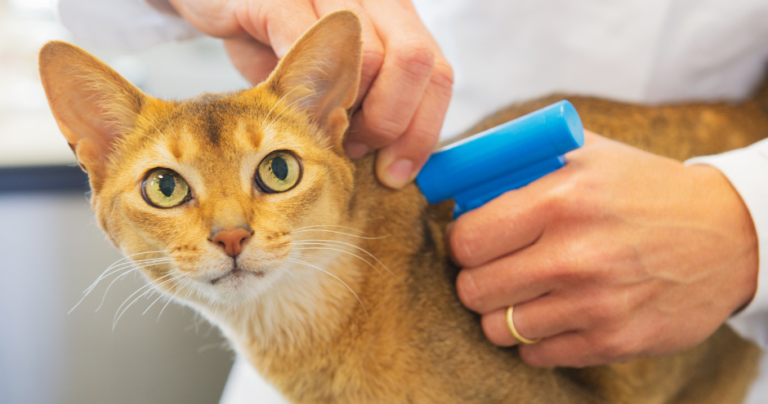
Cat catastrophe: Managing our feline companions
Curfews, leash walking, registration, and desexing. These are just some of the ways Australia is addressing domestic cat management.
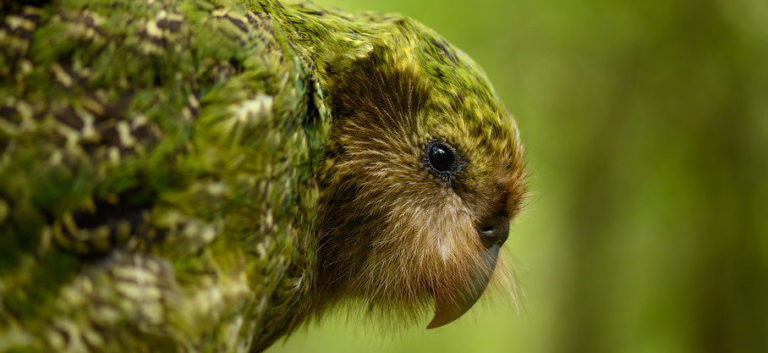
Why kākāpō are called kākāpō and other wildlife names
In Aotearoa New Zealand Māori are ‘tangata whenua’ – people of the land. This reflects the importance of te taiao (the environment) to Māori identity, culture, and tikanga.
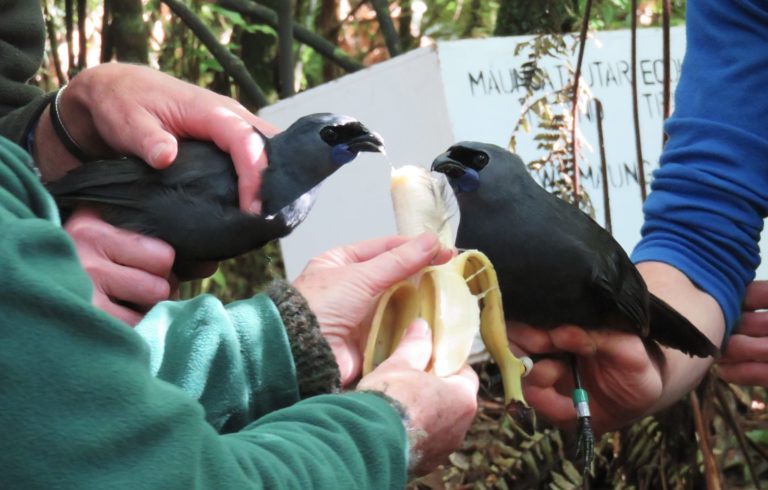
Creating corridors for kōkako
The Kaharoa Forest near Rotorua is a kōkako stronghold. Thanks to predator control, bird numbers there have steadily risen, but to keep the population growing, the kōkako need more habitat.

Bright future: 5 rangatahi shaping conservation
When it comes to protecting nature, these five rangatahi “understood the assignment”, these rangatahi have taken conservation into their own hands.

Science fiction meets reality: “ultimate device” to bring back birdsong
After hearing Aotearoa New Zealand described as “a cathedral without a choir” serial inventor and engineering wizard Grant Ryan (Kāti Huirapa) knew he needed to use his powers for good.
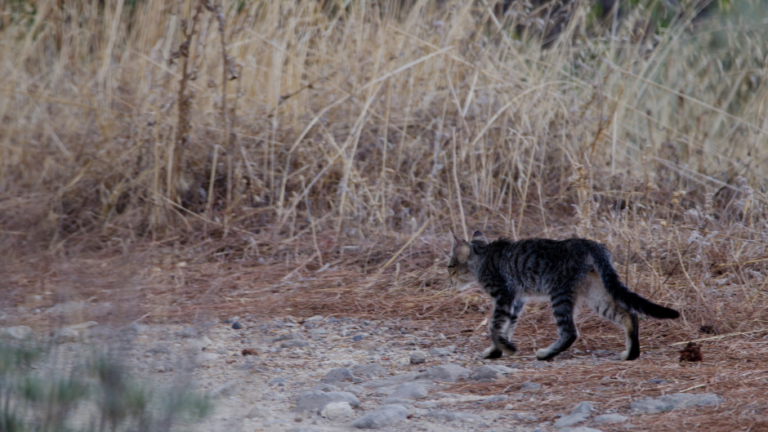
The feral factor – new research into roaming feral cats
Feral cats live on every continent except Antarctica. But even though they can live almost anywhere, some habitats are more appealing than others.
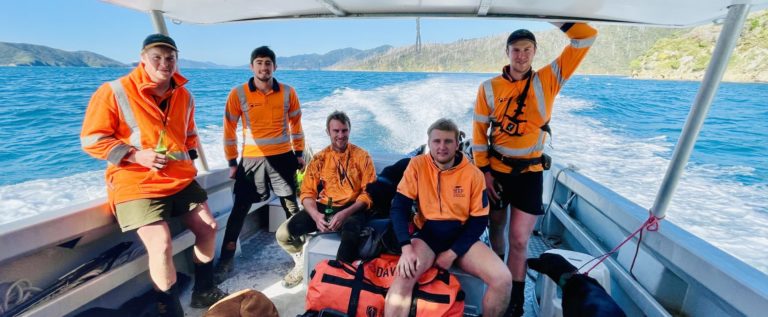
Putting down roots
A gutsy group of Queen Charlotte Sound locals are chasing their dream of a regenerated native forest.
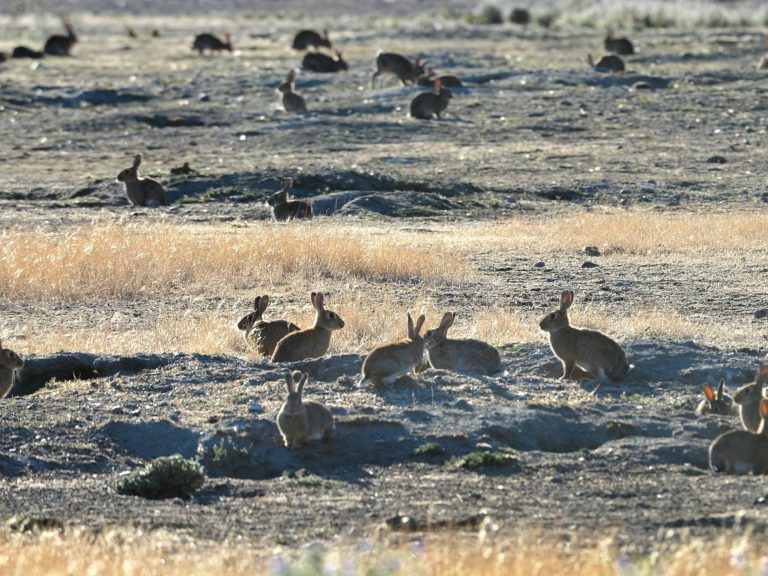
Rabbit control could help us towards a predator free future
Controlling introduced mammal predators can lead to an increase in native birds, lizards, and invertebrates – but could fewer predators also lead to an unwelcome increase in rabbits?
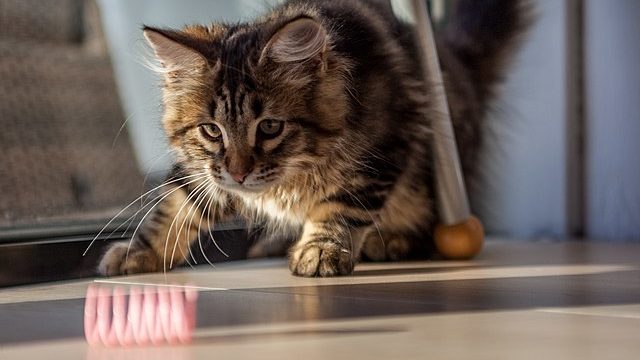
Cat catastrophe: Why are we behind Australia in managing cats?
Why are we quickly falling behind in managing cats? We need only look across the ditch to see how a different cat-management reality could be playing out in Aotearoa New Zealand.