

Top backyard wildlife encounters of 2022
We present a completely subjective, non-exhaustive, contestable list of the top backyard wildlife encounters of 2022.
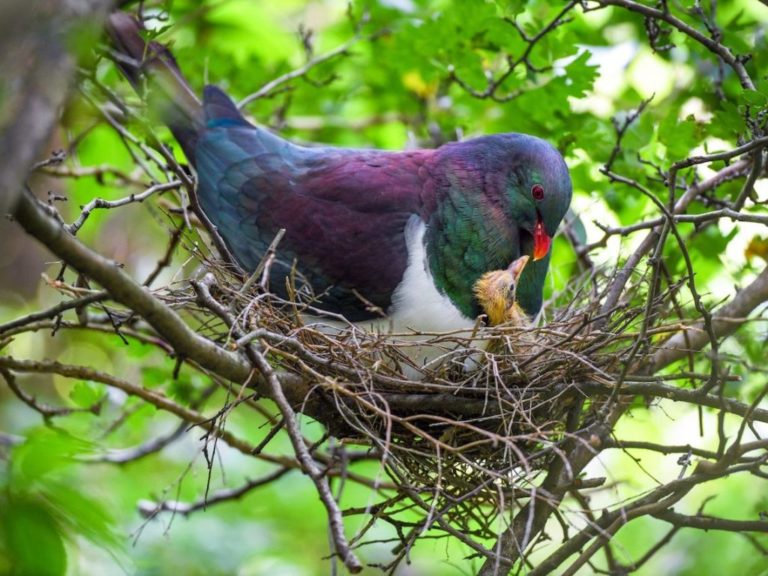
One lucky chick: the diary of a kererū
Before Lucky the kererū chick – there was no luck. Judging by the eggshell remains, we think the main culprits were ship rats.

The reptile files: your guide to identifying reptiles and amphibians in Aotearoa
The search for native reptiles is a bit like a Hollywood drama. There’s adventure, suspense and sometimes the main character gets what they’re after.

Click for conservation: Can social media make a difference for native species?
Before you got here, you were probably scrolling through social media. Somewhere between the celebrity scandal and viral TikTok recipe, you saw this post.
Seasons tweetings: give a nature-friendly gift this year
Gift ideas for yourself or the wildlife lover in your life. Not just nature-themed, many give back to conservation, so you end up on Santa’s nice list.
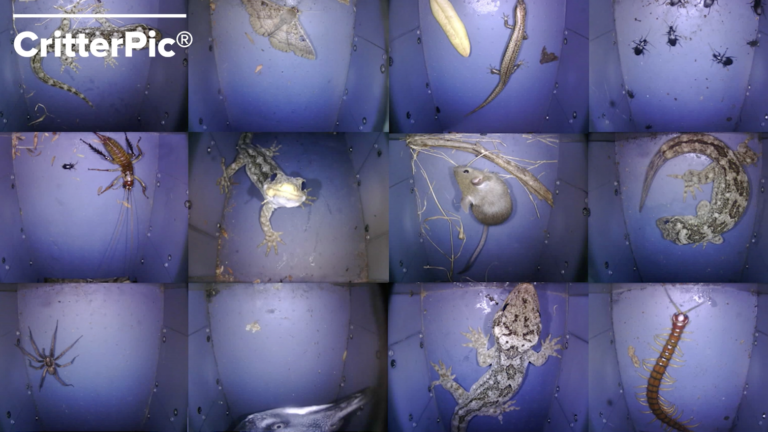
High-tech predator control solutions for today, not tomorrow
Photo-booths for lizards, long-lasting lures, and traps that can recognise what it’s caught – if you want high-tech solutions, talk to Critter Solutions.
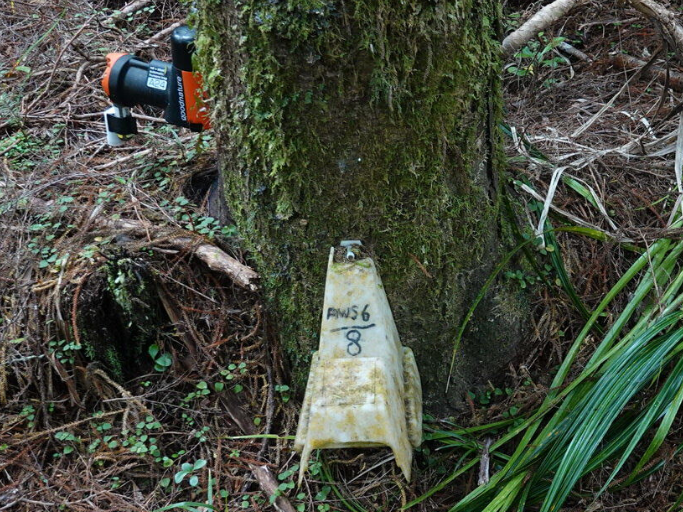
Quick ways to improve your bait stations
Tamper-proof bait stations help you keep introduced predators under control and limit the amount of toxin that gets out into the environment.
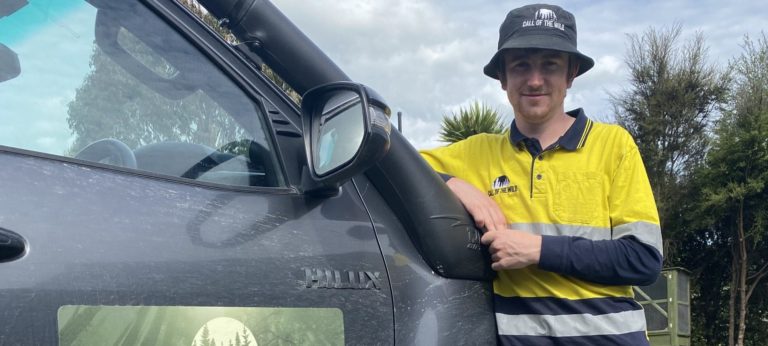
First-class: predator free apprentice graduate becomes second-in-command
Two years ago, Finn Giddy was unsure of his career prospects. Now, he’s the first graduate of the predator free apprenticeship programme.

Bug of the Year is finally here!
Birds tend to hog the spotlight here in Aotearoa New Zealand but did you know we also have a host of incredible insects, spiders and other invertebrates?
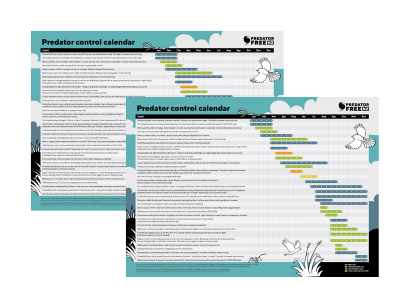
A monthly reminder: the predator control calendar you can’t do without
Did you ever wonder when peak stoat mating season was or perhaps when you should use certain baits in your traps? Well, now you can find all this information and more with our new predator control planning calendar.
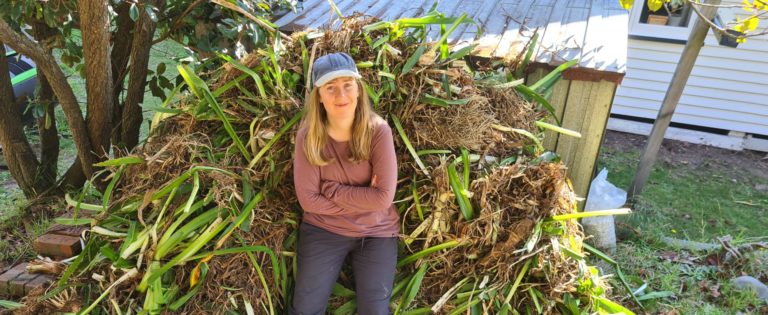
Garden of Holly: from weeds to wild wonderland
When wildlife photographer Holly Neill and her partner moved into their new home in late 2020, the garden was choked by weeds.
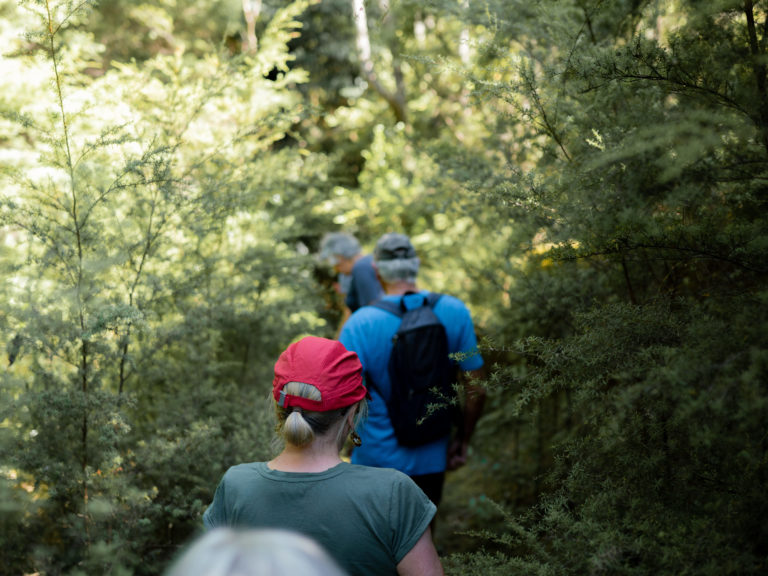
Highways, not byways: increase traffic to your traps
It can be tempting to pop your trap box or trapping tunnel off the main walking track. To get the most out of your trap, think “highways, not byways”.
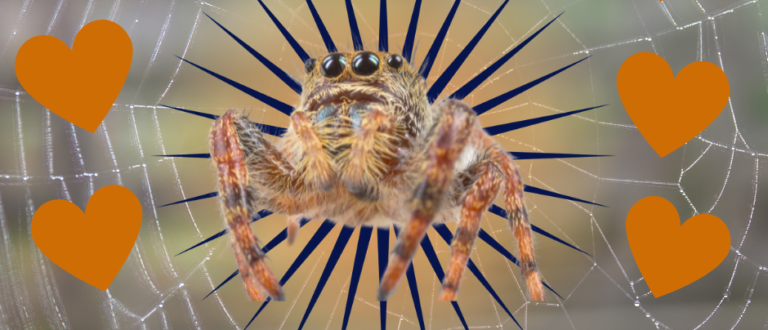
Not creepy, just crawly: spiders are cooler than you think
Supposedly scary but mostly misunderstood, these eight-legged creatures are vital.
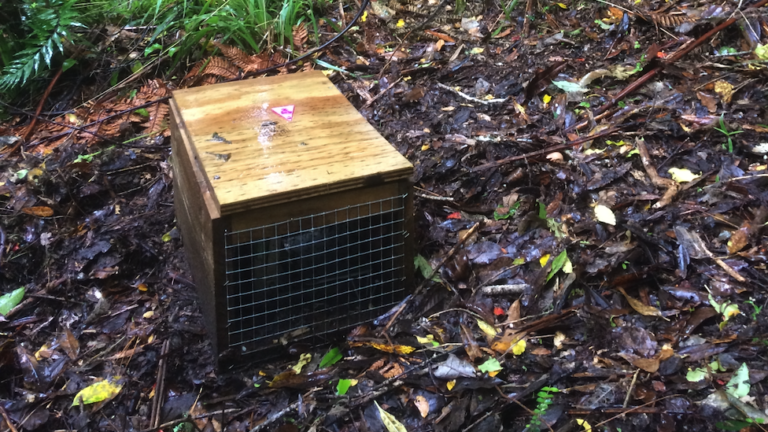
Get the most out of your DOC 200 trap
Over the last couple decades, DOC200s have been put to the test up and down the country in harsh, rugged conditions.
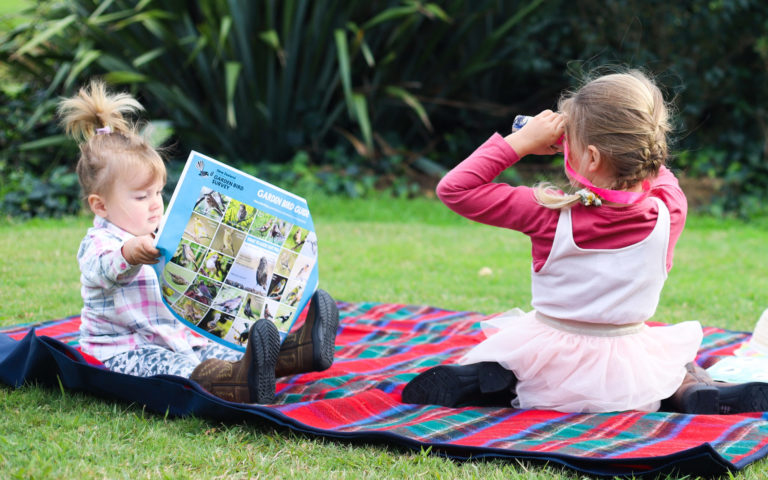
No PhD necessary: citizen science could help save birds
The New Zealand Garden Bird Survey is a national event where citizens select a day and record the maximum number of birds they see or hear for an hour.