
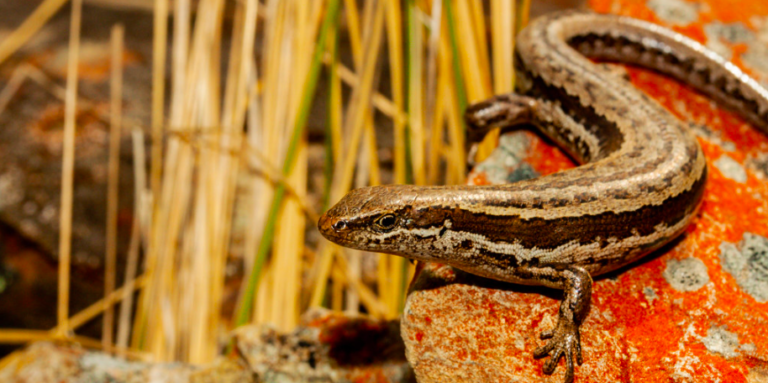
Sunny side up: skinks are changing up their sun-bathing to avoid cats
When four-legged predators first arrived in Aotearoa New Zealand, the native wildlife didn’t know what had hit them.
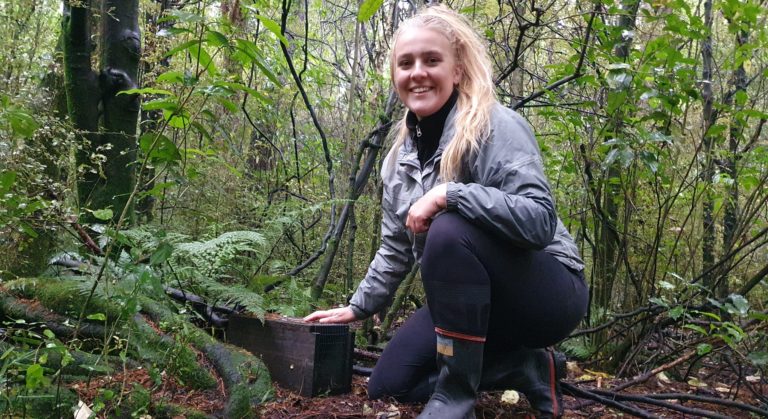
‘Putting power in their hands’: the student teaching a community to trap
Predator Free Riccarton is one of the newest community trapping groups in Christchurch and there’s plenty of work ahead for the tenacious group.
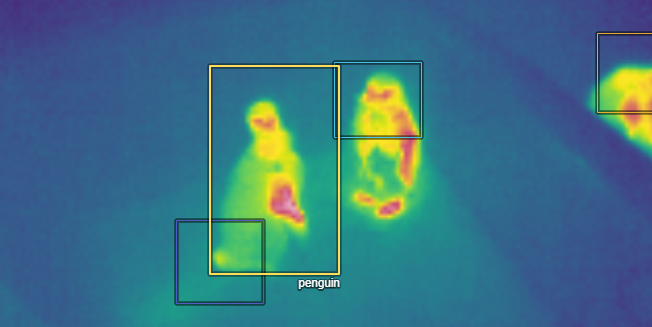
Getting smart: is Artificial Intelligence the key to Predator Free 2050?
It might sound futuristic, but Artificial Intelligence (AI) is already hard at work in the predator free movement, and there’s lots of developments on the horizon.
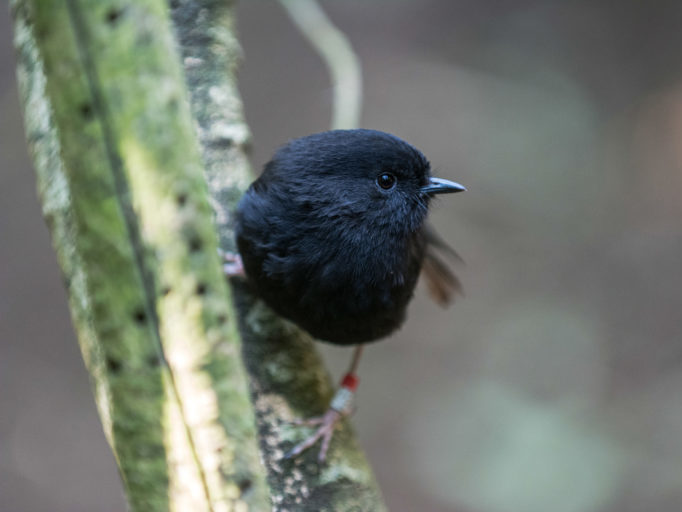
Is the future of the Chatham Islands predator free?
Before the arrival of humans, the Chatham Islands were teeming with animal life.
The light at the end of the trapping tunnel
It turns out it’s not just the birds that benefit from backyard trapping. Research by Predator Free Wellington (PFW) shows being involved in community trapping is also good for your mental health.

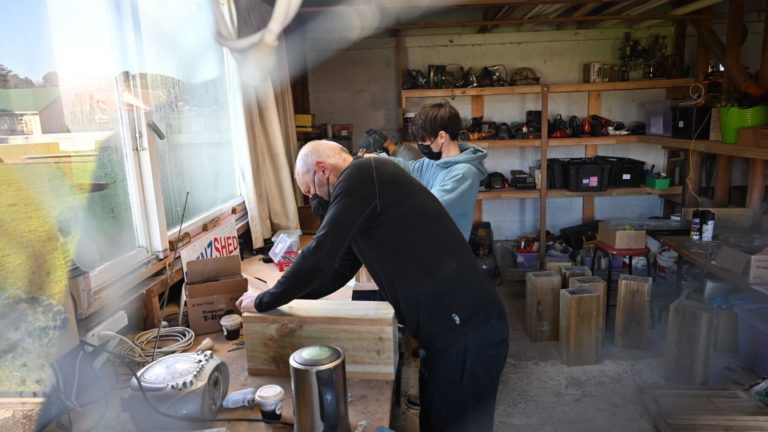
Meet the talented trap-building retirees
Think retirement means putting your feet up with a book and a cuppa? Think again. Lynn Andrews, a 75-year-old retiree, has decided to do things differently.
How aware are New Zealanders of the predator free movement?
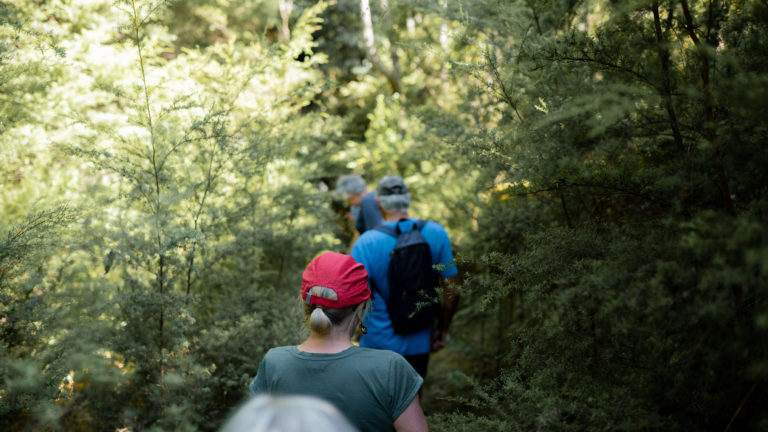
The Predator Free New Zealand trust recently undertook some research to “Better understand the health of the Predator Free movement”.
Odour lures offer a new temptation to stoats
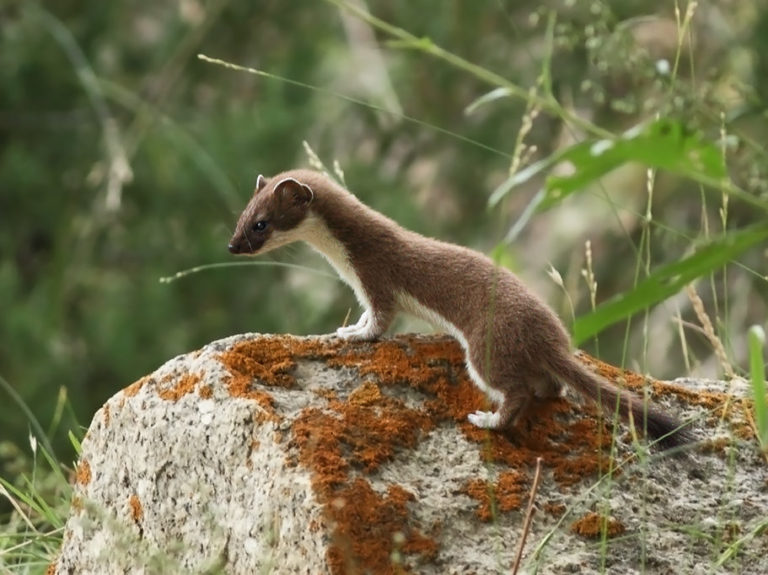
Trapping using food-based lures of hens’ eggs and rabbit meat, with long-life rabbit the main stoat control method in New Zealand.
Flora, fauna and Flightless: the predator free mission at the heart of a southwest business’s success
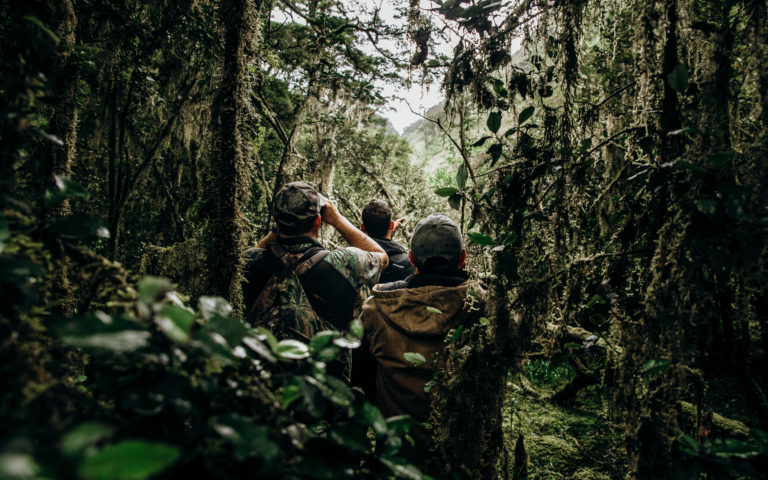
Right down the bottom of Aotearoa, in the southwest corner, there is a boat its name written in bold, white letters – Flightless.
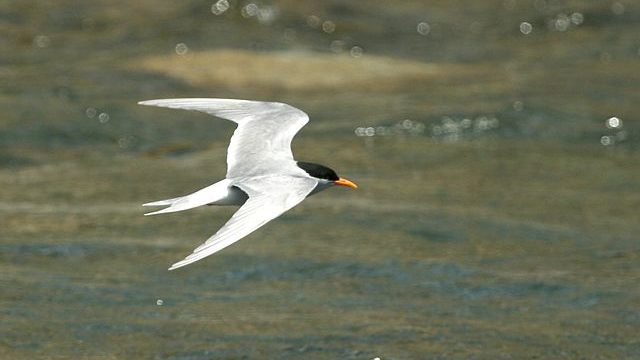
Hope floats: protecting our endangered terns and gulls
Have you ever needed to take a pack rafting course to be able to carry out your day job? Apprentice ecologist Keegan Miskimmin has.

Time poor? Seven easy ways to join the predator free movement
Want to do your part to protect our native species but can’t find the time? Good news! Joining the predator free movement doesn’t have to be complicated or time consuming.
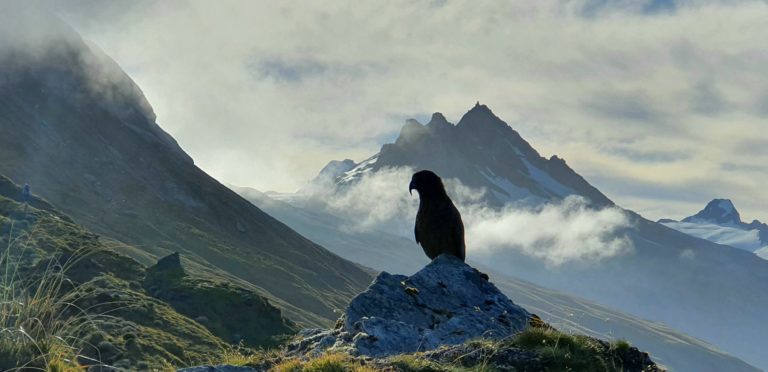
Flying at half-mast: connecting kea decline to mast years
New research published in the New Zealand Journal of Zoology shows that mast years are bad news for kea. Native beech trees produce millions of tasty seeds in a mast year, which rodents love.
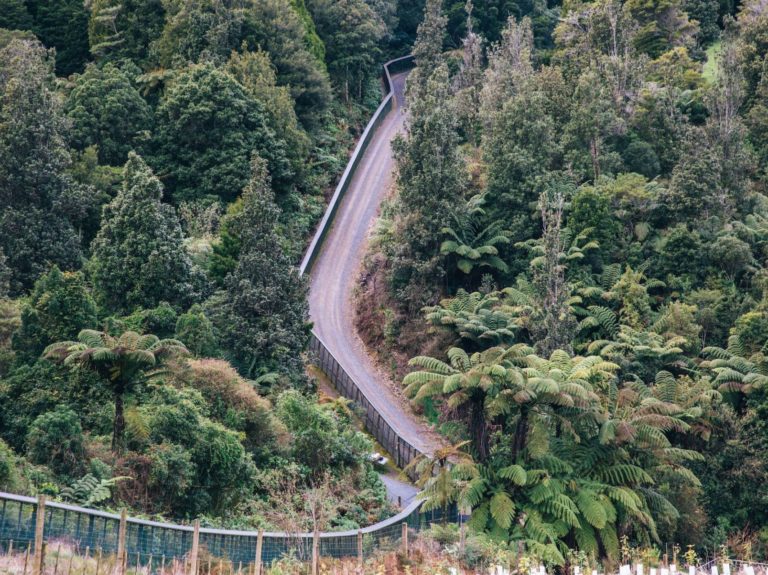
When it comes to predator free, do mice matter?
In many wildlife sanctuaries around New Zealand fences make it almost impossible for most introduced predators to get in. But mice can still sneak through…
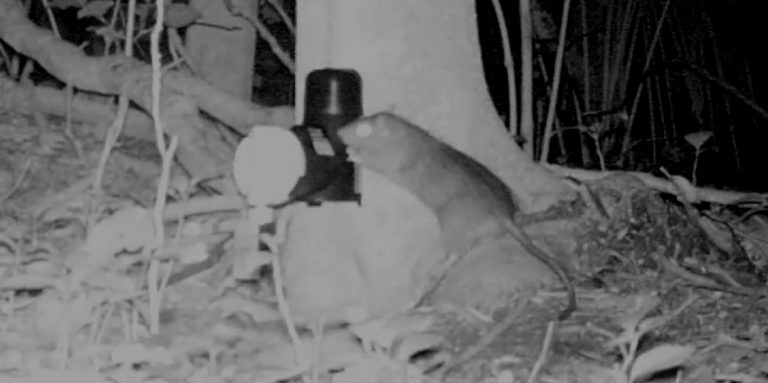
Self-resetting traps useful for rat control, not eradication
Good for rat population control, but not a stand-alone tool – that’s how two scientists have described the success of self-resetting traps on Goat Island.
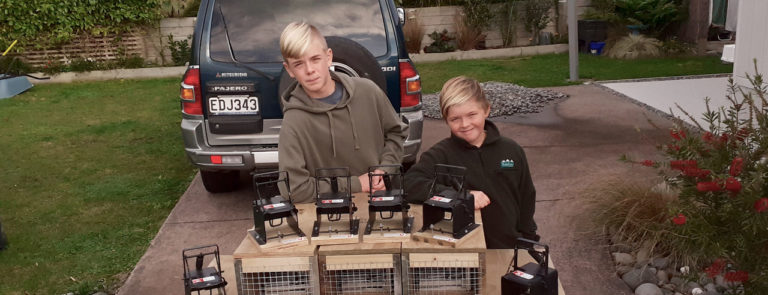
Clever and crafty Phil Wilson’s guide to trapping success
What started as a way to get out of the house during lockdown quickly turned into a well-run and innovative trapping venture.