
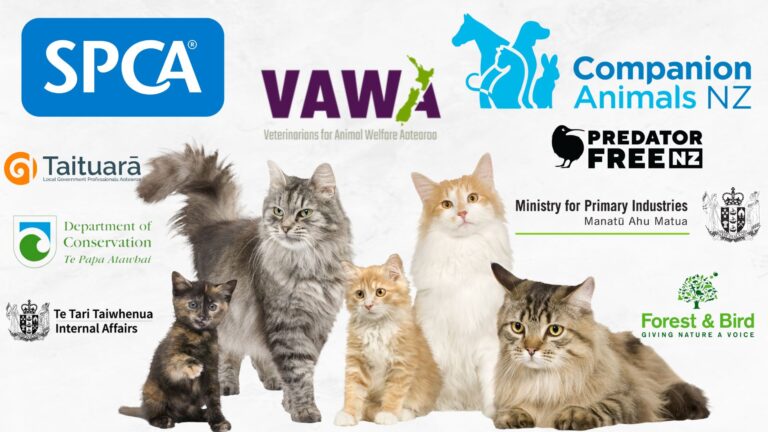
Animal welfare agencies’ views on cat management
Animal welfare, conservation organisations and government agencies submitted thoughts on national cat management. Surprisingly, there was a lot of agreement.
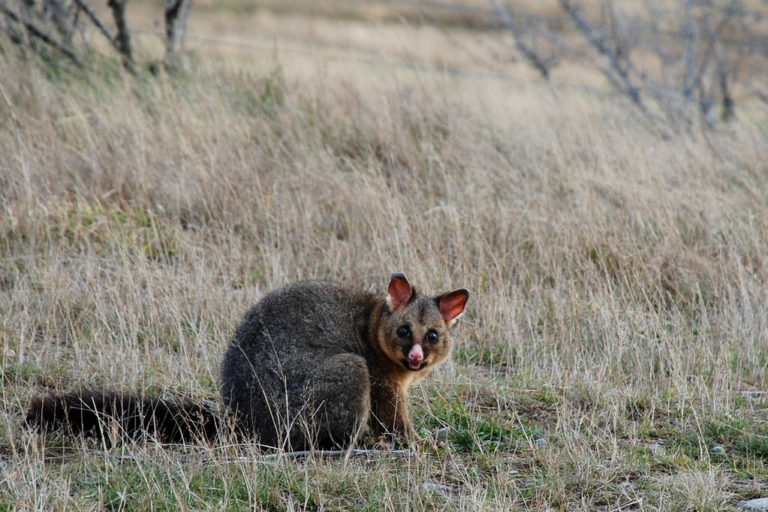
7 surprising facts you should know about possums
The possum was introduced three years before the Treaty of Waitangi was signed and can now be found throughout the country.
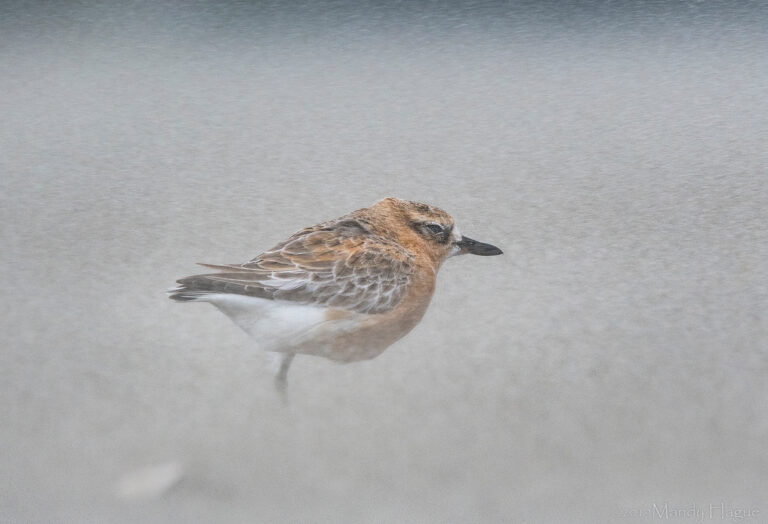
Shooting their shot: the stories behind the stunning photographs
Wildlife photographers reveal the untold stories behind their stunning shots, and we launch our first-ever competition with Photo Warehouse.
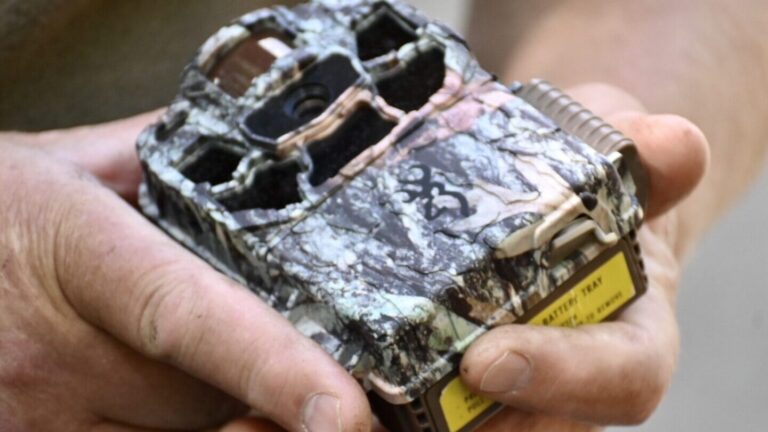
Smile for the camera: 5 tips for trail cameras
Predator control specialist Cam Speedy’s five simple tips for success using trail cameras will have you upping your game in no time.
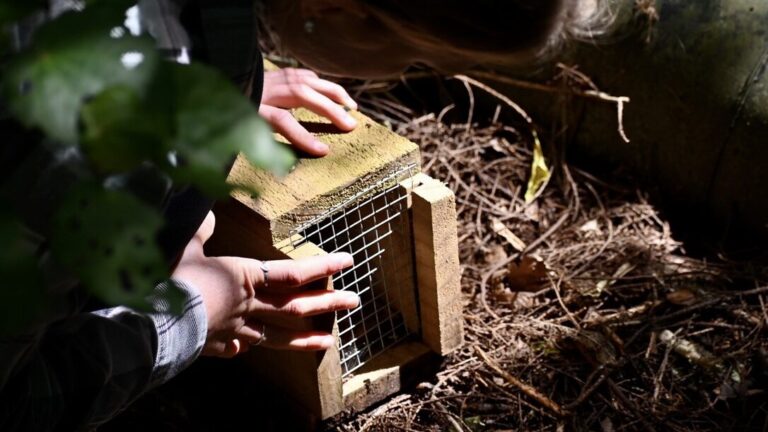
Empowering communities: Unleash your community’s trapping prowess with these manuals
Need cunning strategies and expert tips to fine-tune your trapping networks? These manuals equip anyone with the know-how to construct their own traps.
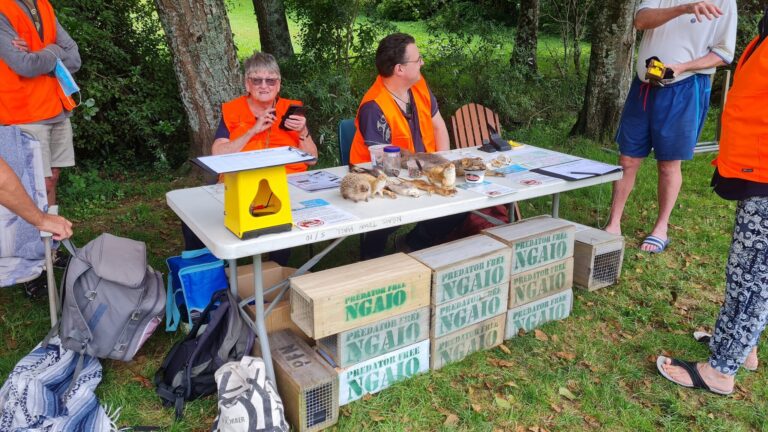
Bird banter: how Predator Free Ngaio grew a thriving community
Once every fortnight, a ping can be heard across hundreds of households in the suburb of Ngaio. It’s the e-newsletter from Predator Free Ngaio.
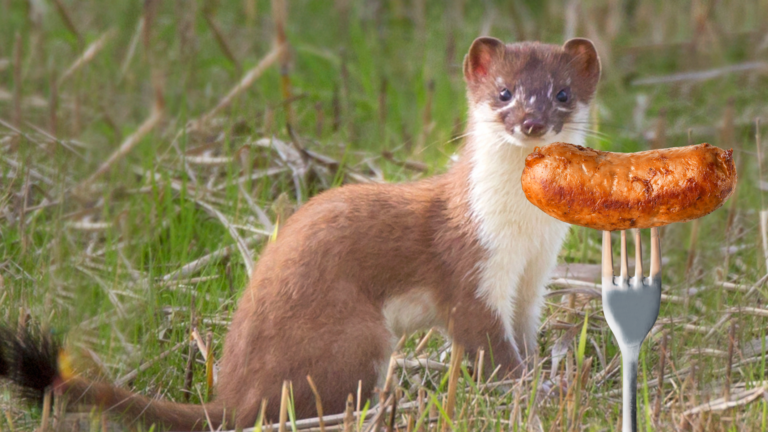
Sausages on the menu: trials target feral cats and stoats
Stuff them in a roll or slap them on a piece of white bread; sausages are a Kiwi classic. Stoats and feral cats have a taste for them too.

Dropping the F-Bomb: the latest new trap tech
Meet the F-Bomb: the latest predator trap invention. Lightweight, simple and easy to use, is it the key for the wider public to get into trapping?
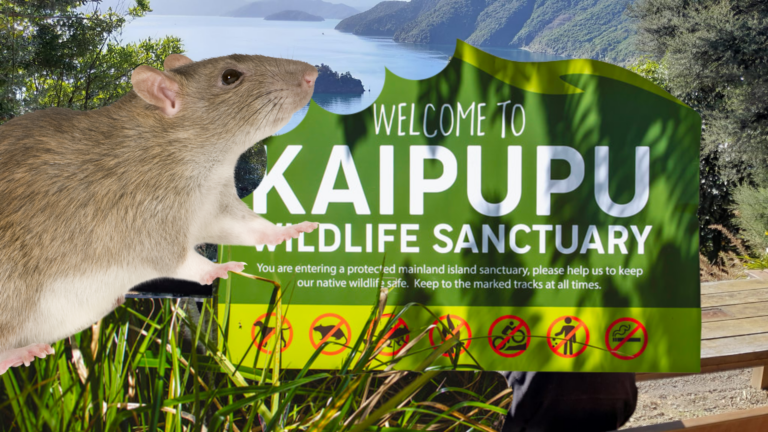
How a wildlife sanctuary accidentally trained rats to avoid traps
In the struggle to achieve its predator free status, Kaipupu Sanctuary faced unexpected challenges, including inadvertently training rats to avoid traps.

All go in the garden city: predator free groups rewild Ōtautahi
Imagine if you could redesign your town or city. Would you fill it with concrete and cars or native bush and birds?
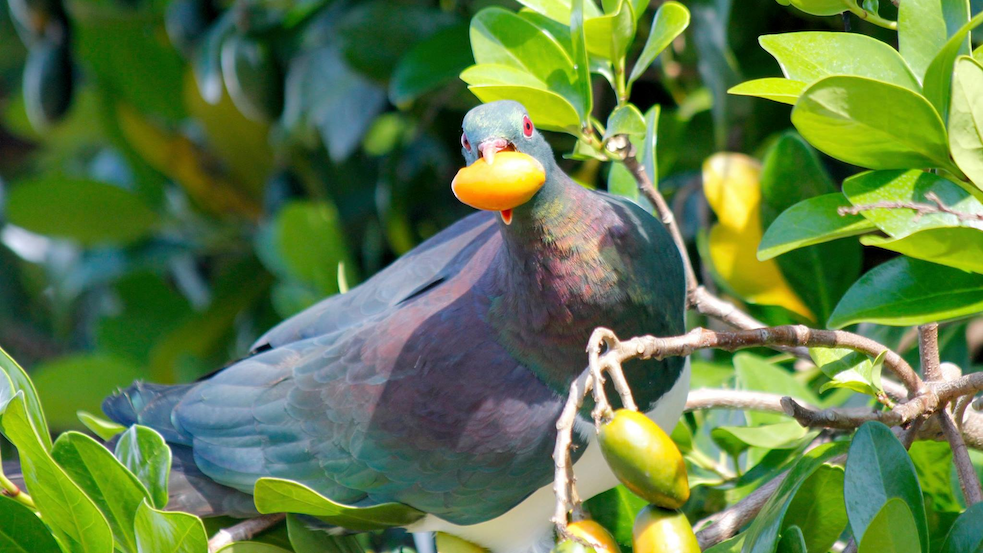
Help not harm: tips to feed birds in your backyard
Birdfeeding in urban gardens is a popular pastime. Recent research shows that while feeding has benefits for native birds, there are also risks.
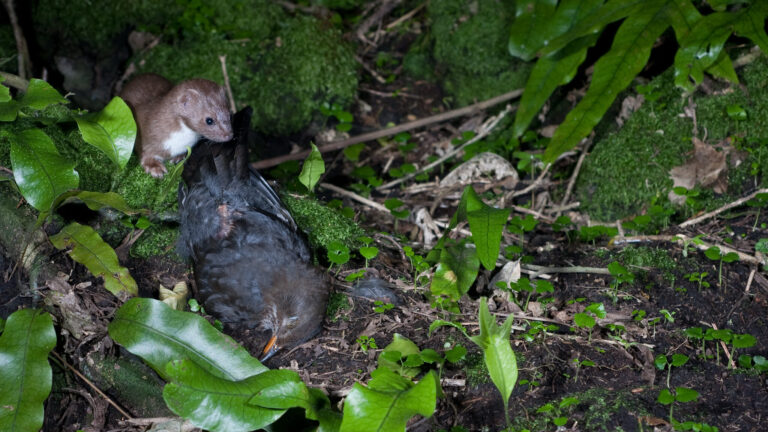
Bird count not body count: weasel study suggests recovery of native species more important than predator kill count
Described as “murderous saveloys with legs”, new research suggests we pay closer attention to the recovery of native species rather than simply counting the number of predators killed.
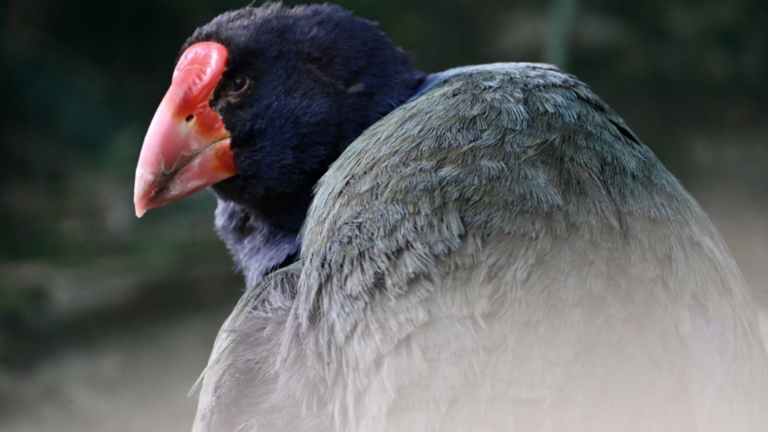
5 life lessons from our takahē
Do you find puppets a bit weird? Are you mysterious? Love family above all else? You might have more in common with takahē than you think.
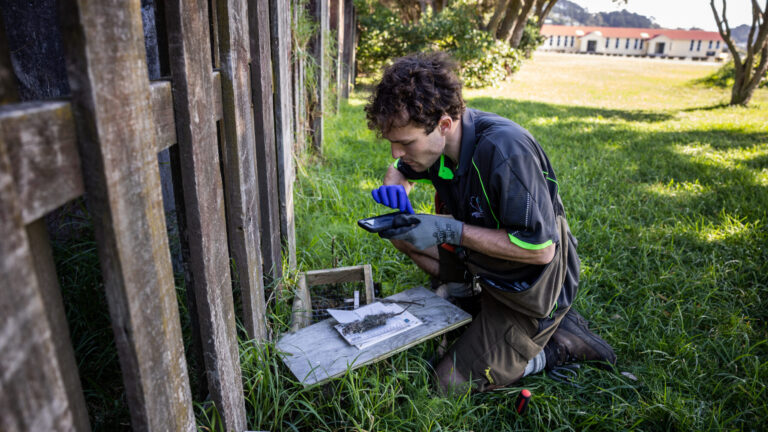
Why does logging your trap results matter?
The key to keeping track of your contribution to predator free 2050 is likely already in your pocket. You might even be using it to read this story.
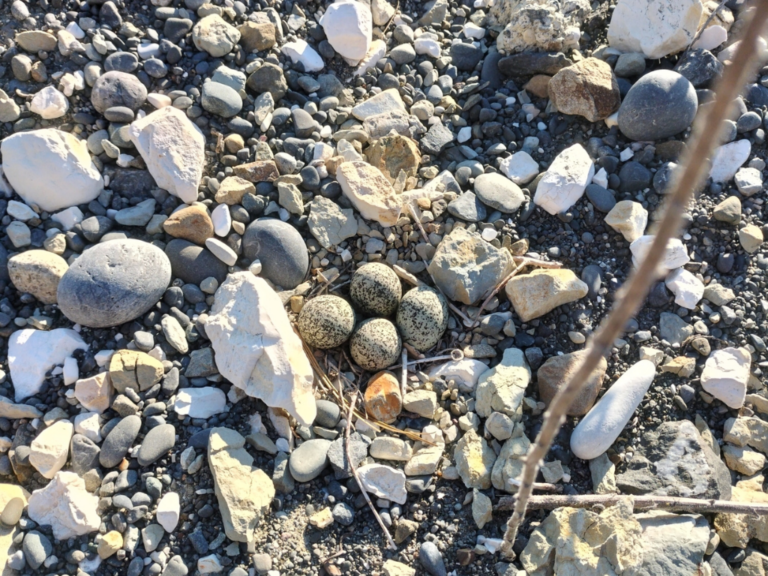
Quiz: Guess the egg…
It’s Easter – supermarkets are packed with chocolate eggs. As you crack into yours this long weekend, try to guess the animals in our egg quiz.