
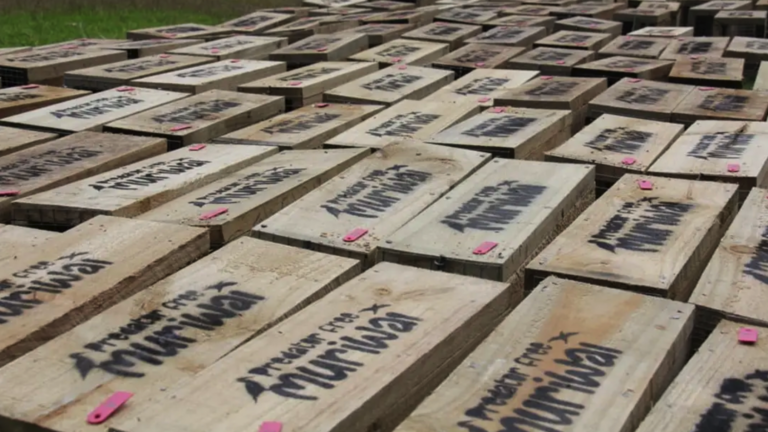
Communities unite to rebuild predator control efforts after cyclone
Communities from cyclone-hit areas are amongst those receiving funding to rebuild their predator control efforts.
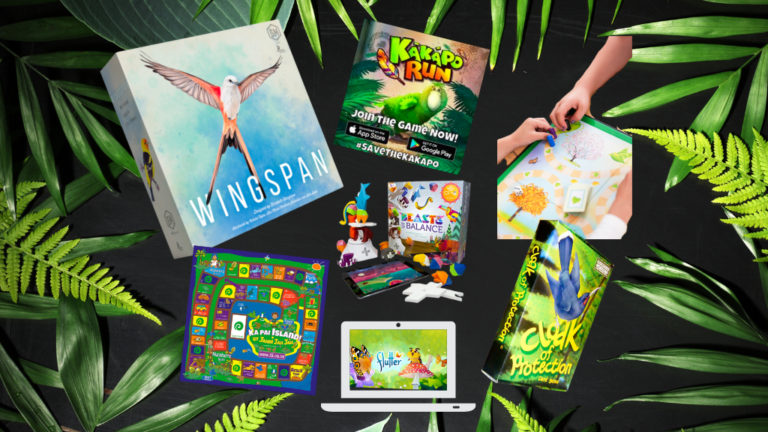
Move aside Fortnite: can games teach us to care for native species?
Games aren’t just entertainment – it turns out the right ones can also teach us about conservation and looking after nature.
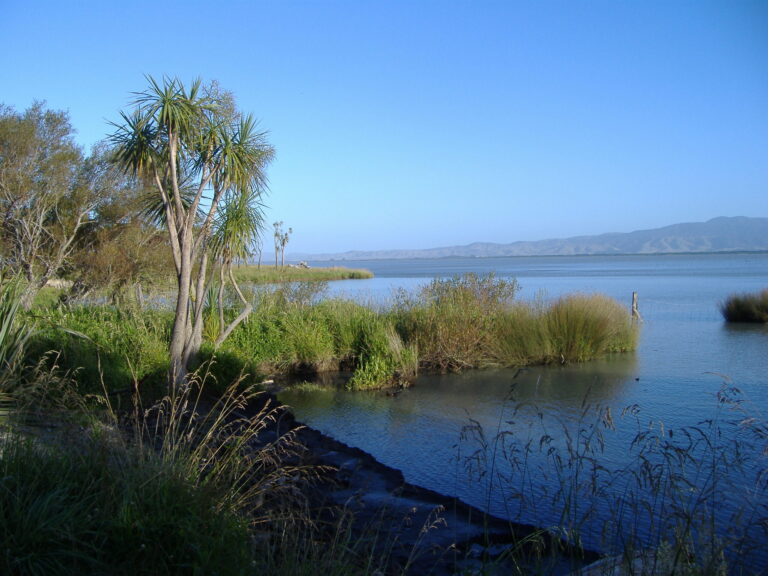
What if there were giant sponges that could mop up carbon, floods, and house native species?
Muggy, boggy and waiting to be drained – our past opinions on wetlands have not aged well. Restoration could be vital to tackling biodiversity and climate change crises – here’s why.
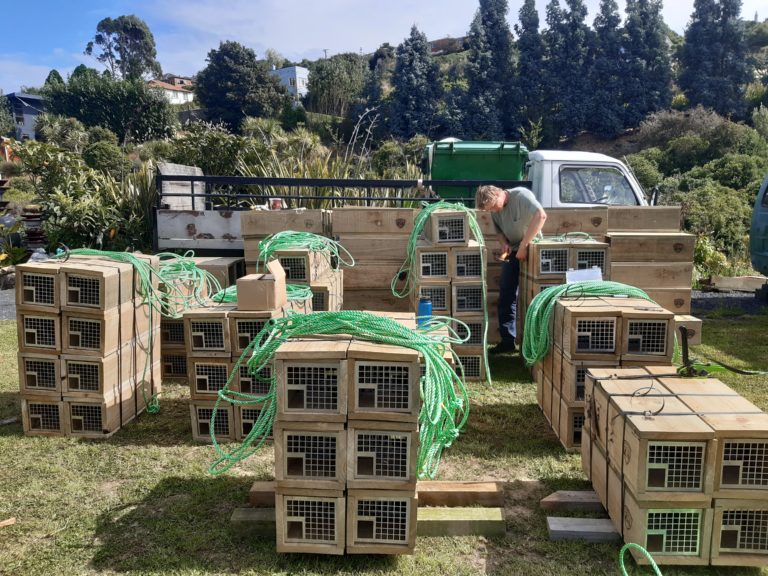
Day in the life: installing a trap network in an ancient forest
Come behind the scenes with predator free apprentices Aidan and Jamie at Mammalian Corrections Unit (MCU).
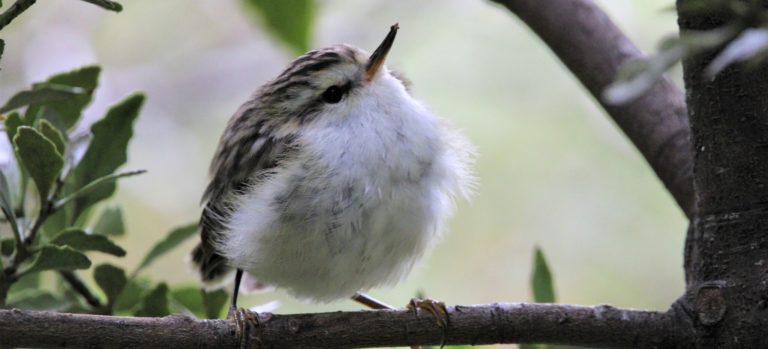
As native birds flee to high ground to escape predators, will they have enough food to survive?
As native birds are pushed high into mountain forests researchers at Manaaki Whenua wondered if there was enough to eat, survive and breed.
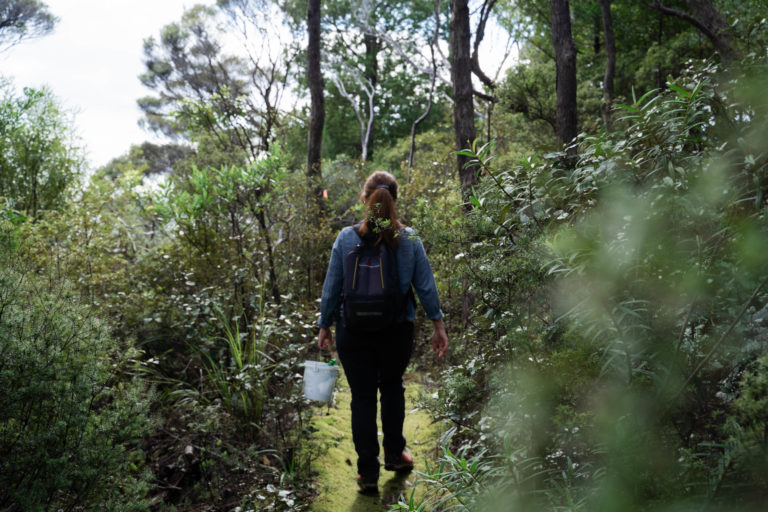
5 insights from women in conservation
The gender gap in conservation is no secret — fewer than 30 percent of the world’s researchers are women. We spoke to five women in conservation.
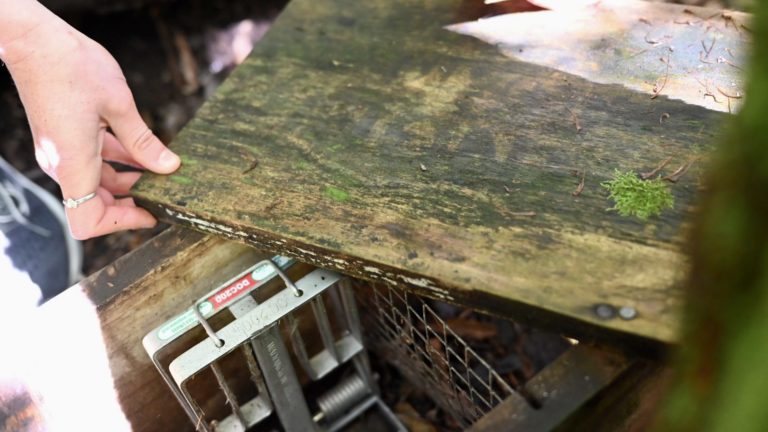
Who invented DOC traps?
How did an oil painter, bird-lover, and rock drummer come to invent one of the most well-known and widely used humane kill traps in Aotearoa New Zealand?
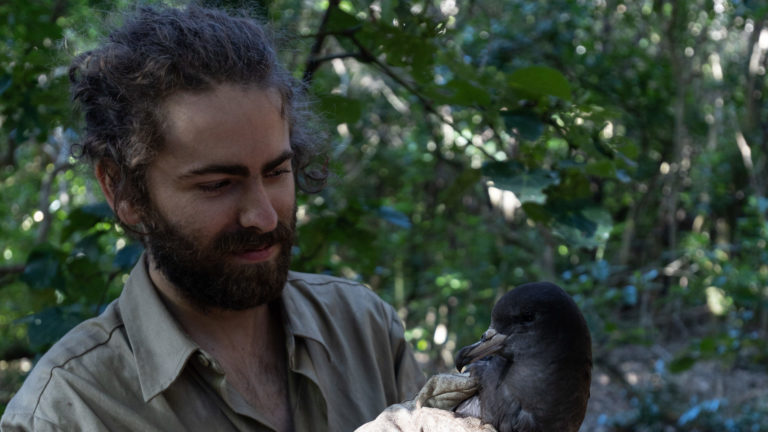
Cracking into a career in conservation
Experienced predator control specialists are in hot demand, and we’ll need even more to successfully achieve the Predator Free NZ vision.
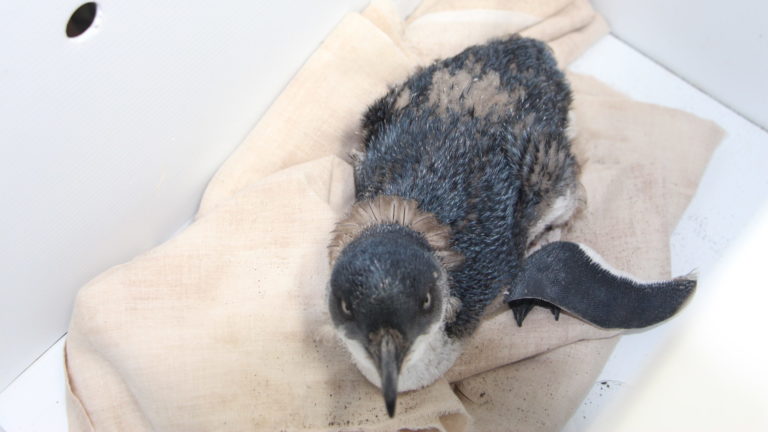
Naked & Afraid: help birds during moulting season
As birds lose their old feathers to make way for new healthy ones, they are stressed, vulnerable and grumpy. What can you do about it? Plenty.
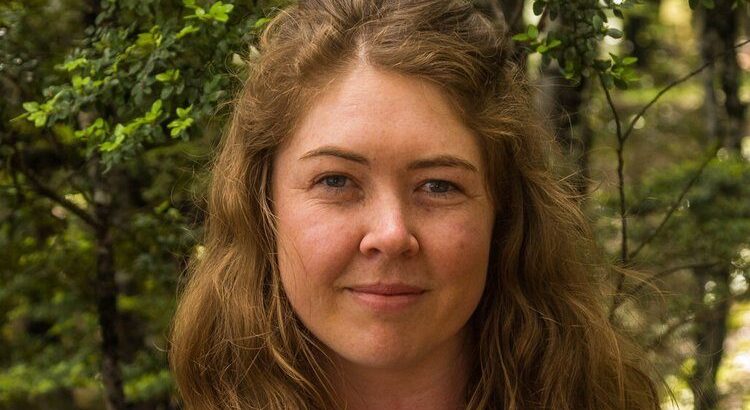
A day in the life of a predator ecologist
Traversing rugged rocky slopes or in the research lab analysing data, no day is the same for Maggie Nichols, a predator ecologist.
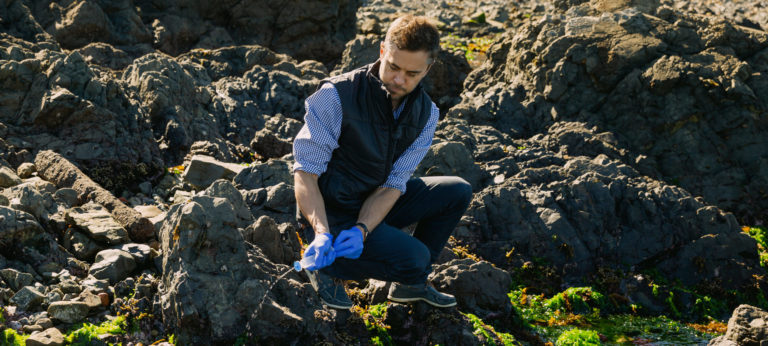
A cupful of water reveals native and pest species
Scientists are using genetic material sampled from waterways to discover rare species, indicate river health and solve environmental mysteries.
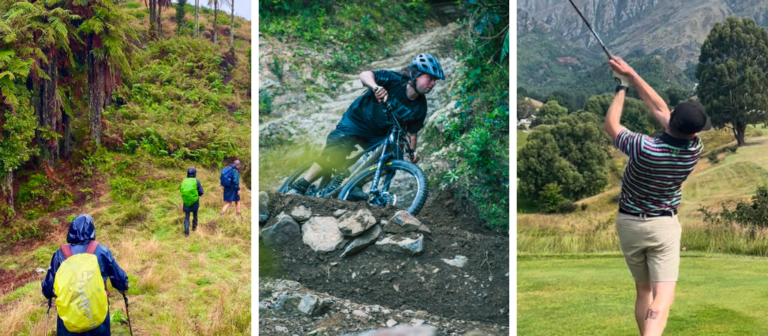
Step, cycle and swing your way to predator free
Each weekend, we have fun trudging up mountains or hurtling down them on bikes. It’s no wonder many sports clubs are combining recreation with conservation.

Protecting fluffballs: what it takes to save nesting ōi
Tucked into cliff burrows vulnerable little ōi (grey-faced petrel) fluff-balls are living alone, visited once a week by their parents for feeding.
Most read posts of 2022
From possum nightclubs to garden transformations, these were the most popular stories published by Predator Free New Zealand Trust this year.
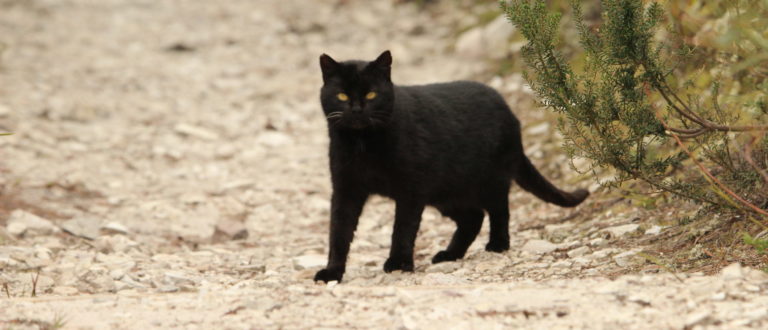
Cat catastrophe: The final frontier – managing feral cats
Cats are the eighth-most populous species in the world. But, as invasive species across many continents, their popularity comes at a tremendous cost.