
Possums are visual, social and promiscuous creatures. Throwing a party and catching possums have more in common than you might think.
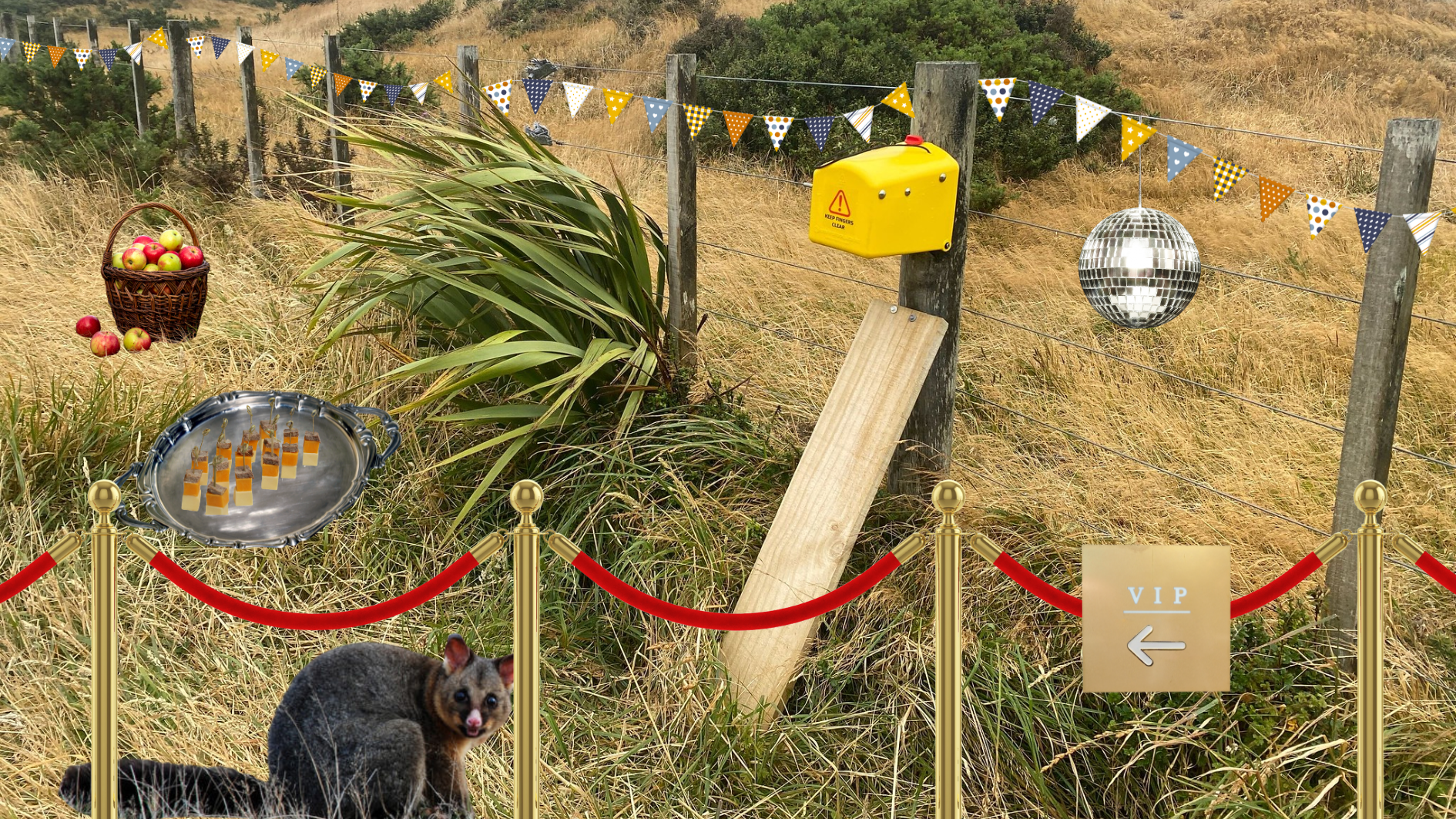
What makes a great party? Snacks, decorations, a good venue and a welcoming host. The same goes for catching possums.
It can be tempting to fall into the trap of quick wins with predator control, but sometimes it pays to take the time to prepare well to ensure your trapping is a hit. The most effective possum control is actually 80% pre-feeding and visual luring to get them interested, then 20% active trapping.
If you want RSVPs to your trap or bait stations and really make a dent in local possum numbers, you need to throw a better party.
We brought together eight experts with the finest minds and the dirtiest boots, to share their knowledge on possum control. This article is based on the Hands-on guide to possum control (PDF, 3.1 MB).
Pick a popular venue with good reviews
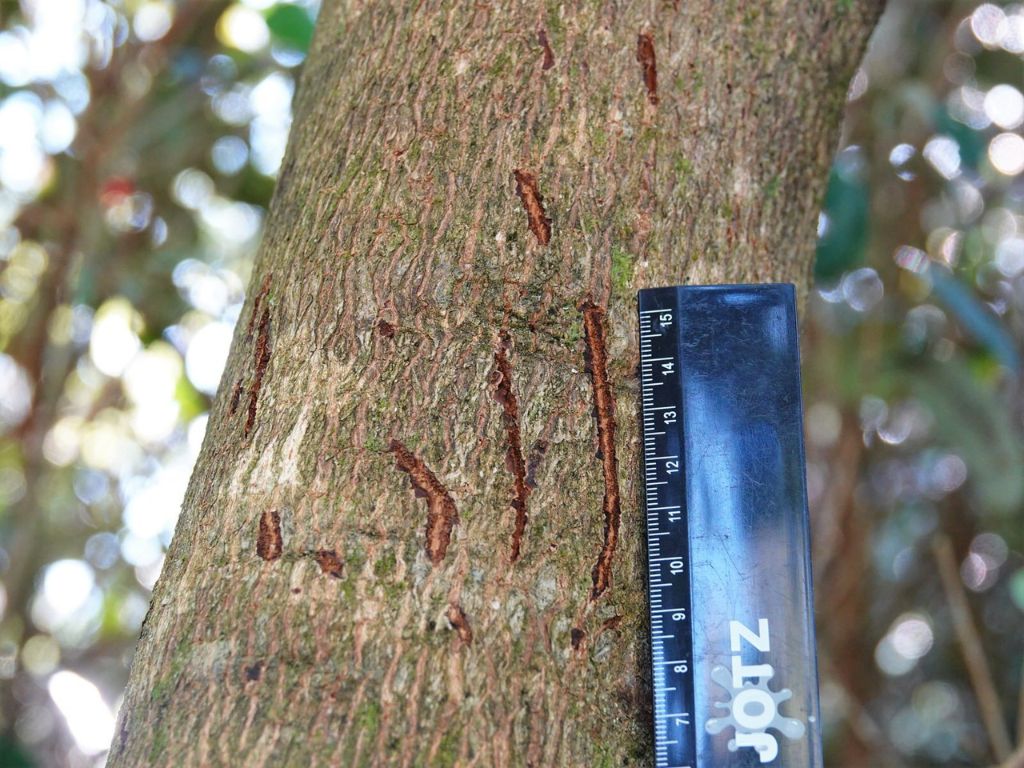
Good trap or bait station placement is a fundamental of possum control. Possums spend most of their time off the ground, so look for scratch marks on trees, which indicate those regularly visited by possums. Sometimes one side of the tree gets more activity, particularly if the trunk slopes and one side is easier to climb. That’s a good spot for your trap or bait station.
A general rule of thumb is to pick trees or posts that are dinner-plate-sized for ease of climbing.
Think seasonally as well. You wouldn’t throw a pool party in winter, would you? Take advantage of the seasons by moving traps and bait stations to different trees when they’re flowering or fruiting. For example, possums love pine pollen in spring.
Decorations to draw them in
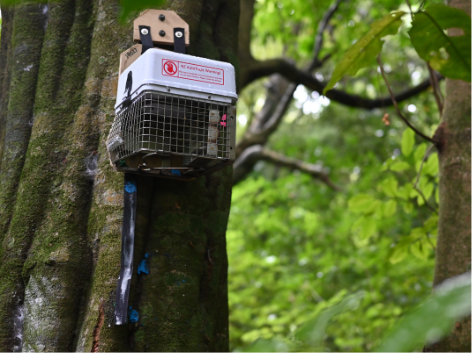
Once you have a great location, make it stand out even more.
Possums are curious and will be attracted by visual cues, such as white traps and bait stations, as they can see white better at night.
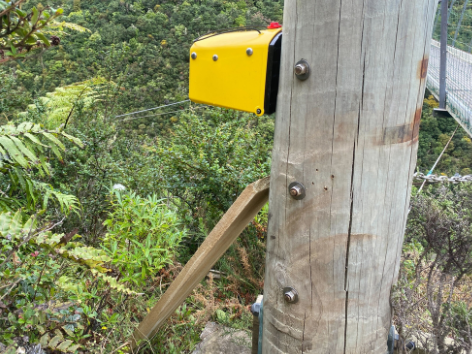
Flipping Timmy traps are tried-and-true, and the bright yellow attracts curious possums. Plus, they are easy to set and cost-effective, meaning you may be able to set more.
The AT220 is a white automatic self-resetting trap, saving you the time of frequent checks and resets (but the upfront cost is higher).
White backing boards, old CDs and other light-reflecting lures or glow-in-the-dark objects hung near traps also create interest. (When on public land, be aware of safety and traps being in public view.)
Make entry easy
A wooden ramp leading to your trap entrance is basically rolling out the red carpet to the door of your party (and makes it even easier for possums to get into your traps).
A ramp set at a 45-50 degree angle works well, with a 30-40cm gap below the trap so a possum can reach the trap entrance. Ramps leading to a platform underneath the trap are also effective.
Party platters: snacks are important
Wildlife biologist Cam Speedy, with more than 30 years’ experience in predator control, recommends seven to ten days of pre-feeding. Done right, this can pull in possums from 300 – 500 metres away.

Pre-feeding is simple: turn your site into the neighbourhood’s best snack spot. Use a mix of visual, scented, and tasty lures: stock tasty treats like carrots, fruit and mayonnaise in unset traps and bait stations.
By the time you set your traps or add toxins, possums see your site as a reliable and safe food source. Possums are highly social, so they will follow each other to food.
Flour blaze does double duty as a scent and visual lure. Shake flour mixed with icing sugar and vanilla or cinnamon in an old milk bottle and blaze it around to leave a visible, smelly trail leading toward your trap or bait station. Once it’s on their breath, paws, fur and scat, social behaviours mean that other possums will also pick up on it as a food source.
You know how eating out often means you can try new foods without cooking them yourself? Try to use novel food lures that are more appealing than what’s readily available. For example, if you’re in a plentiful apple orchard, don’t use apples: pick something new and exciting. Try combining lures, such as smearing Nutella or smooth lures onto fruits, or dipping them in blaze to increase visibility.
Let the hype build, then open the doors
Keep the site stocked for seven to ten days, with possums spreading 5-star reviews, then set your traps to live and add toxins to bait stations.
Timing helps. The peak breeding season occurs in autumn (March-April) and again in spring (Sept-Oct). Possums are more mobile, social and more likely to follow each other at these times. Your preparation will have paid off and possums will be lining up to visit your setup.
For more on possums, check out our ‘Hands-on guide to possum control’ (PDF, 3.1Mb).
A note on toxins: Toxins can be highly effective for initial possum knockdowns, while trapping is good for ongoing control at lower densities. To target possums directly, acute toxins such as Feratox, are required, but beware, you will need a Controlled Substances Licence. Brodifacoum is also a popular toxin choice for targeting possums. We recommend particular caution with Brodifacoum because it can enter the food chain (e.g., through slugs, snails, possums, and pigs) and cause secondary poisoning in pets and non-target species.