Sticks, empty milk bottles and bits of old rope — not rubbish, but items that can help catch more rats, stoats and possums. Homegrown Kiwi innovation is doing heaps for predator control, and it’s not just the big players with fancy products. In sheds and workshops around the country, people are coming up with clever, simple solutions to everyday predator control problems.

For every self-resetting trap, smart cage or new trap design, a clever trapper is solving problems with everyday materials and out-of-the-box thinking.
Each predator control project is unique. With diverse environments and goals, different projects need different tools. When there was no off-the-shelf product to solve their problems, these projects built their own solution.
Rat rafts
During its trial for eradicating rats from Waiheke Island, Te Korowai o Waiheke got creative with empty milk bottles. Placing devices in the urban and industrial areas was straightforward. However, adjacent tidal mangrove swamps are tricky to target. Rats are capable swimmers and won’t shy away from water, but traps and bait don’t last when wet. They needed a way of reaching rats in areas that are underwater half the time.
With no commercial product available, rat team leader Phil Salisbury was on the case. Inspired by how floating docks rise and fall with the tide, Phil worked with nature.
The result? A recycled rat raft made from reclaimed plywood, old milk bottles, and wire mesh was the perfect solution.
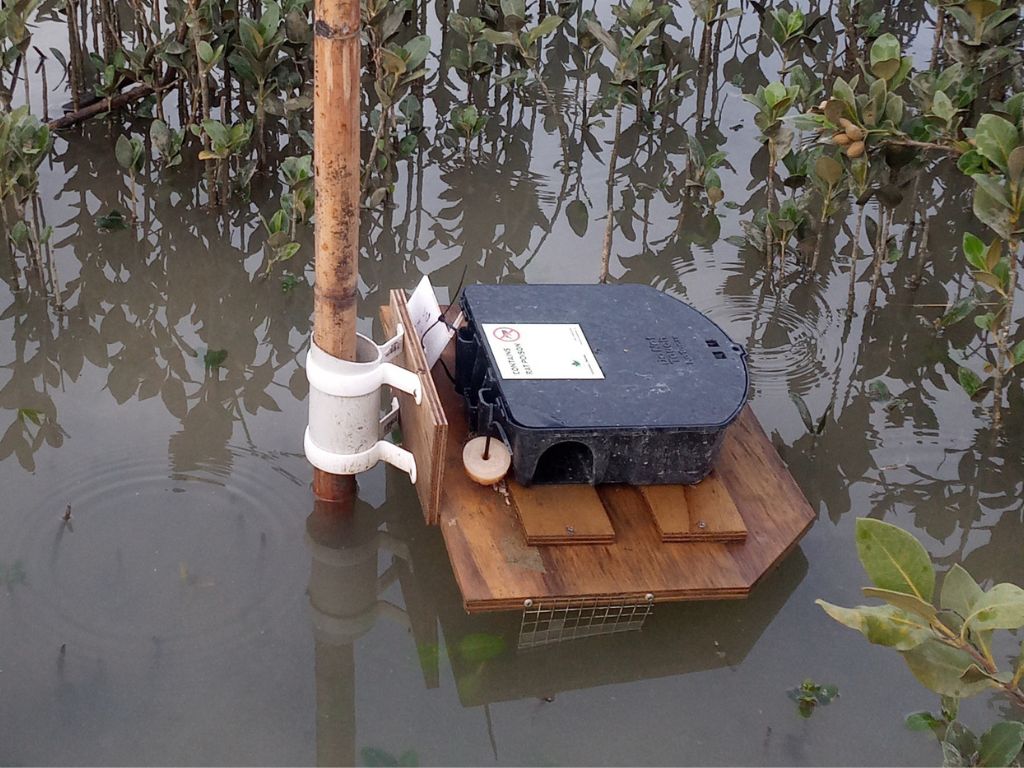
The platform glides up-and-down, sitting flat on the mud when there’s no water and rising smoothly with the tide. A bamboo pole keeps the raft in place, while wire mesh is a boarding ladder. With an off-the-shelf bait station sitting atop this plywood pontoon, bait stays high and dry.
After a prototype and some refinements, this predator free innovation is now an essential part of their rat eradication toolkit.
Baitsicle stick
For eradication, every inch of habitat needs attention. Miramar Peninsula is full of challenging spots for the Predator Free Wellington team. Rats can easily get under boardwalks, hide deep in harakeke or live in steep gorse-clad bluffs.
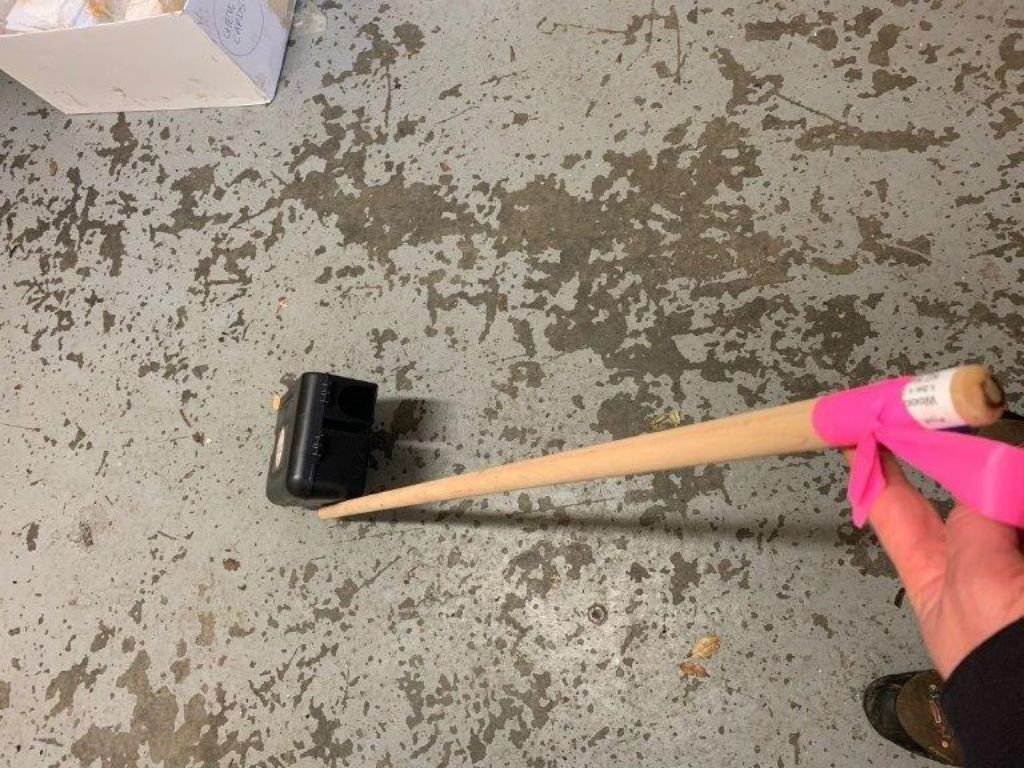
Infilling this terrain with extra control devices was tricky, but the team kept their solution simple. They stuck their bait stations on the end of a stick – it doesn’t get much lower tech than that.
This let the Predator Free Wellington team push the bait station under boardwalks and into other habitats that would otherwise be impossible to access.
With the ‘baitsicle’ stick, the team covered a whole lot more rat habitat in January 2022. Within a fortnight, rat sightings on trail cameras had halved. Mirimar Peninsula was then declared predator free in November 2023
Battens, bungee cords and velcro
When Predator Free Hawke’s Bay set out to eradicate possums from Mahia Peninsula, they knew they would need one tree-mounted bait station for every hectare. But there was a problem in both pasture and forest.
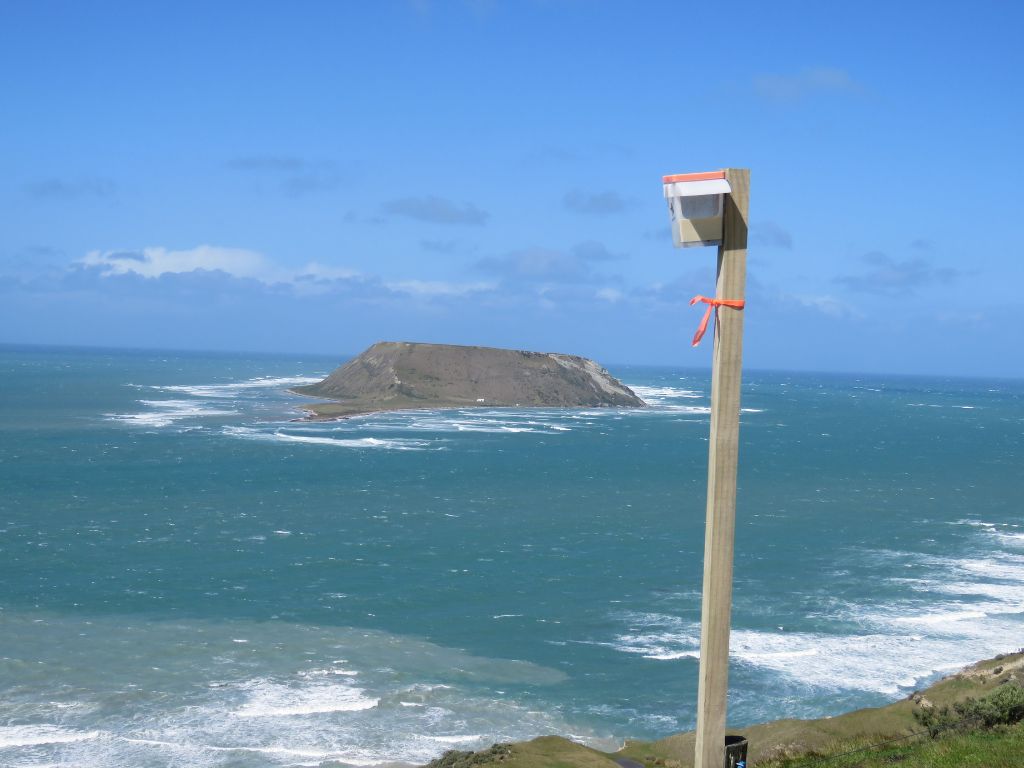
In farmland, there were no trees, and bait stations had to be out of reach of nosy stock. The team made their own trees by attaching battens to fence posts. This got the bait stations off the ground, and trail camera footage confirmed possums were taking the bait.
Forestry blocks are full of trees, but there was still an issue here. With logs set for export, nailing up bait stations would mark the wood. Instead, the team used bungee cords to hang stations and cameras; the bright colours ringing the trees were a bonus visual lure.
Velcro was another unlikely hero.
When the bait disappeared, staff couldn’t be sure whether it was taken by a rat or a possum, but fur caught on velcro near the bait made it clear that a marsupial was the culprit.
Rope ladders for rats
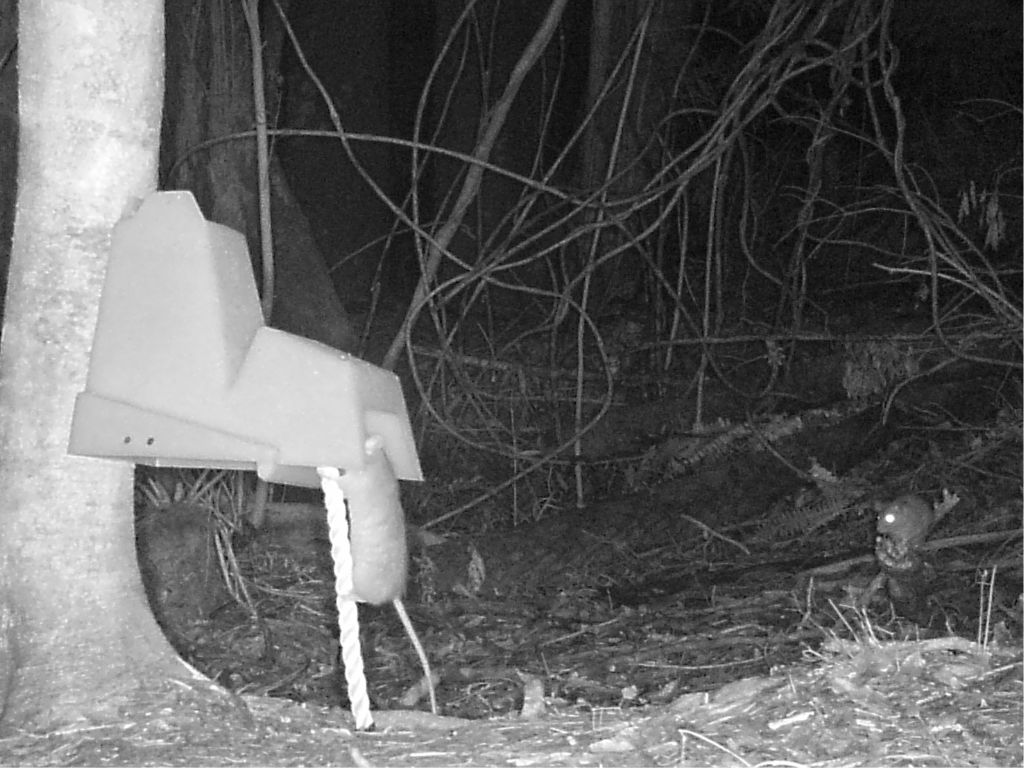
Philproof bait stations are an important tool for possum control – they’re made of sturdy plastic and mounted on a tree. They last well, and keep the bait dry and presentable to animals.
It would be awesome if they were great for ship rats, too. Unfortunately, a 2007 DOC trial (PDF, 381 KB) showed that just 10% of ship rats encountering a station entered it.
Fortunately, Dave Edwards, a trap tinkerer and general handyman genius, had an idea to exploit normal rat behaviour; ship rats are great climbers and can easily scale a rope.
Dave installed a short piece of generic rope from the station entrance to the ground. In a field trial, this was the preferred option for 85% of rats.
10 cm block of wood
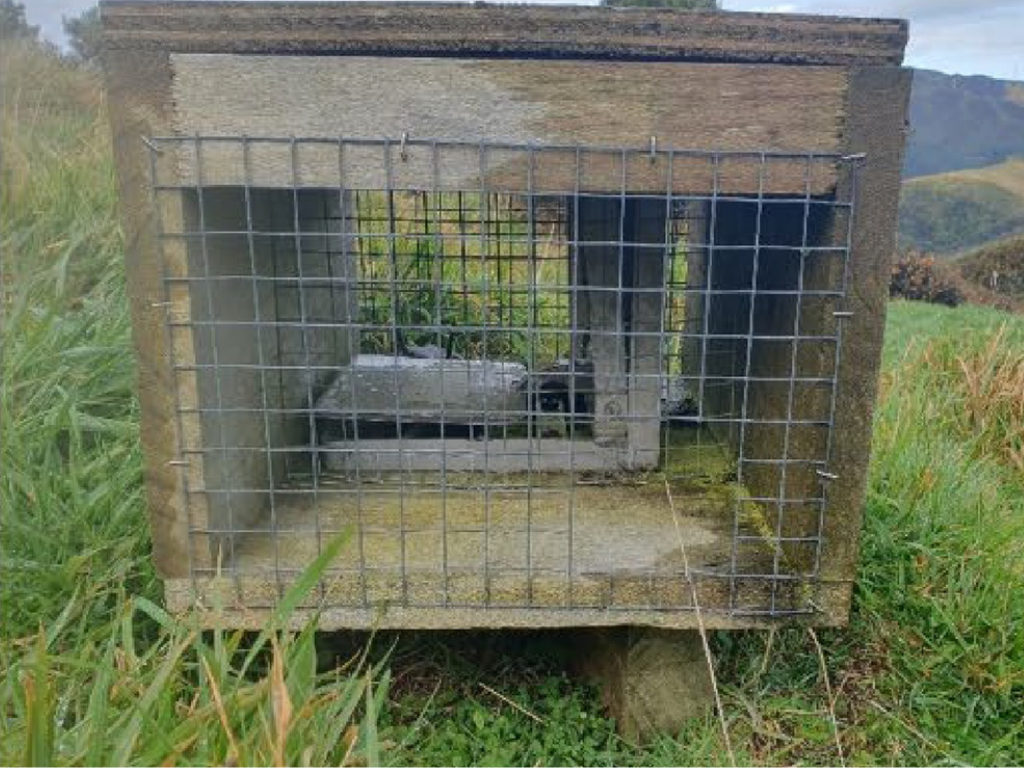
Stoats are the number one killer of kiwi chicks. To safely release kiwi back into the hills around Wellington, the Capital Kiwi project had to be laser-focused on removing stoats and keeping their numbers down. But hedgehogs kept clogging DOC 200 and 250 traps. While hedgehogs are damaging predators in their own right, every time a hedgehog sets off a Capital Kiwi trap, it’s a lost opportunity to catch a stoat.
The team trialled lifting the traps up 10 cm off the ground using wooden blocks, reasoning that hedgehogs are reluctant climbers while stoats are agile and skilled climbers.
The research revealed that raised traps caught markedly fewer hedgehogs, but they also yielded an unexpected result: they caught significantly more stoats than traps left on the ground.