
In English, we call people ‘eagle-eyed’ or ‘night owls’. In te ao Māori, manu (birds) show up in everyday conversation, too. For Te Wiki o Te Reo Māori, we teamed up with Hēmi Kelly from Everyday Māori, who shared some of his favourite bird-inspired idioms.
He korokoro tūī
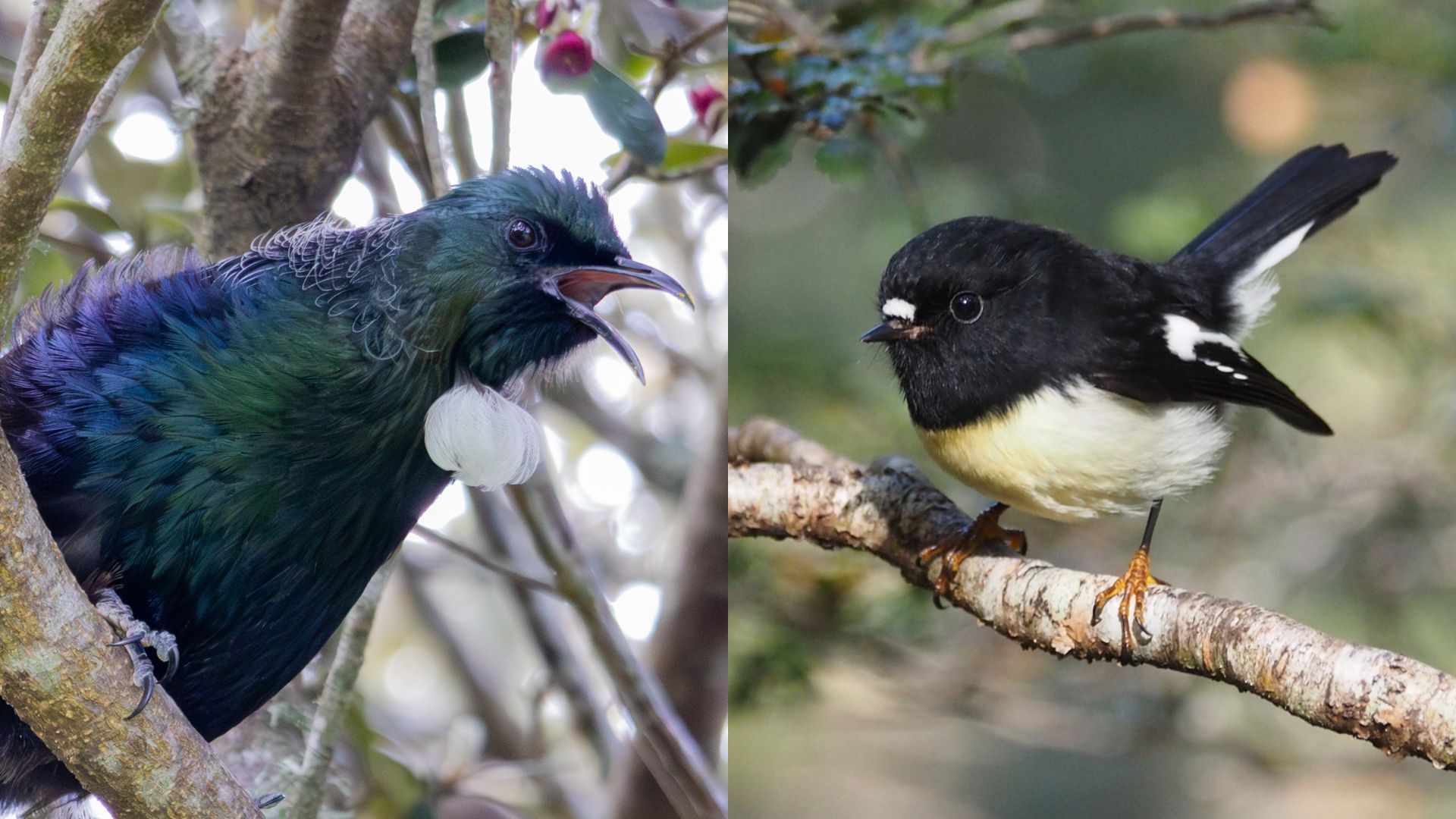
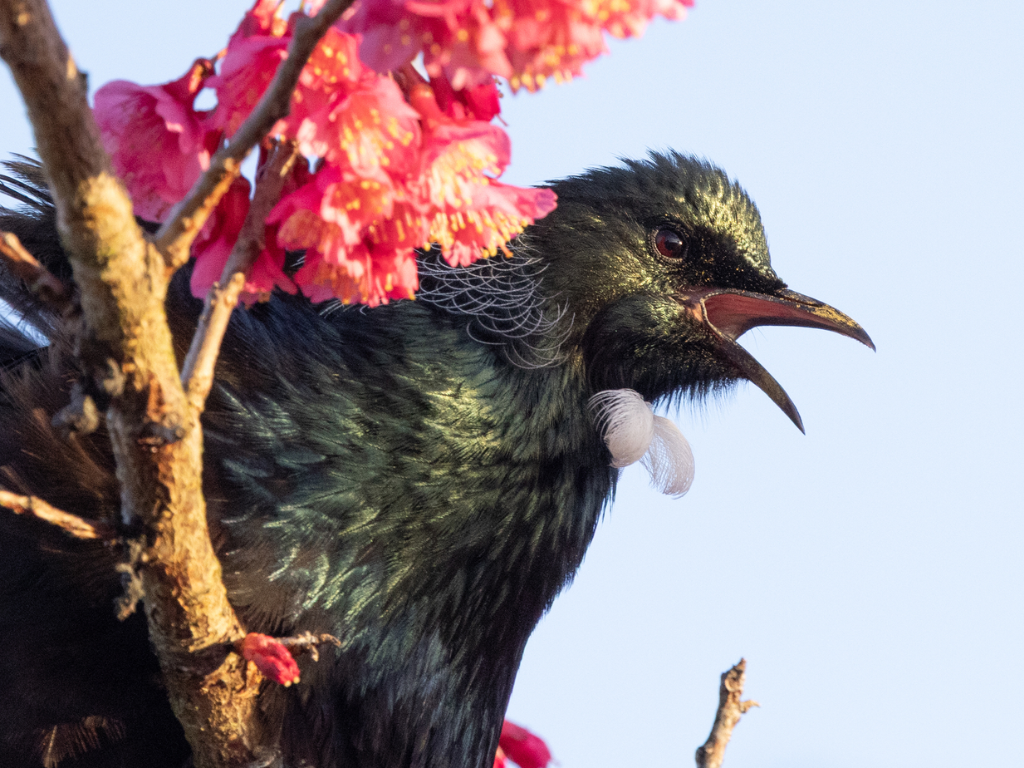
Handsome in their iridescent robes and wearing a white bowtie, tūī aren’t just one of the best-dressed in the forest; they’re also one of the most distinctive songbirds of Aotearoa.
They’re known for their tuneful song filled with a wide variety of notes, warbles, coughs and grunts.
Hēmi reminds us tūī has two long vowels: ‘too-ee’. Without the macrons, tui means to sew. Tūī are also called kōkō, though there are 13 Māori names for the species.
“We have a saying in te reo about the tūī, we say ‘he korokoro tūī’ which means the throat or the voice of a tūī,” says Hēmi.
“We use this to describe someone who has a really beautiful voice, someone who can sing. So if you want to compliment someone who has a really beautiful voice, you say ‘he korokoro tūī’.”
He kanohi hōmiromiro
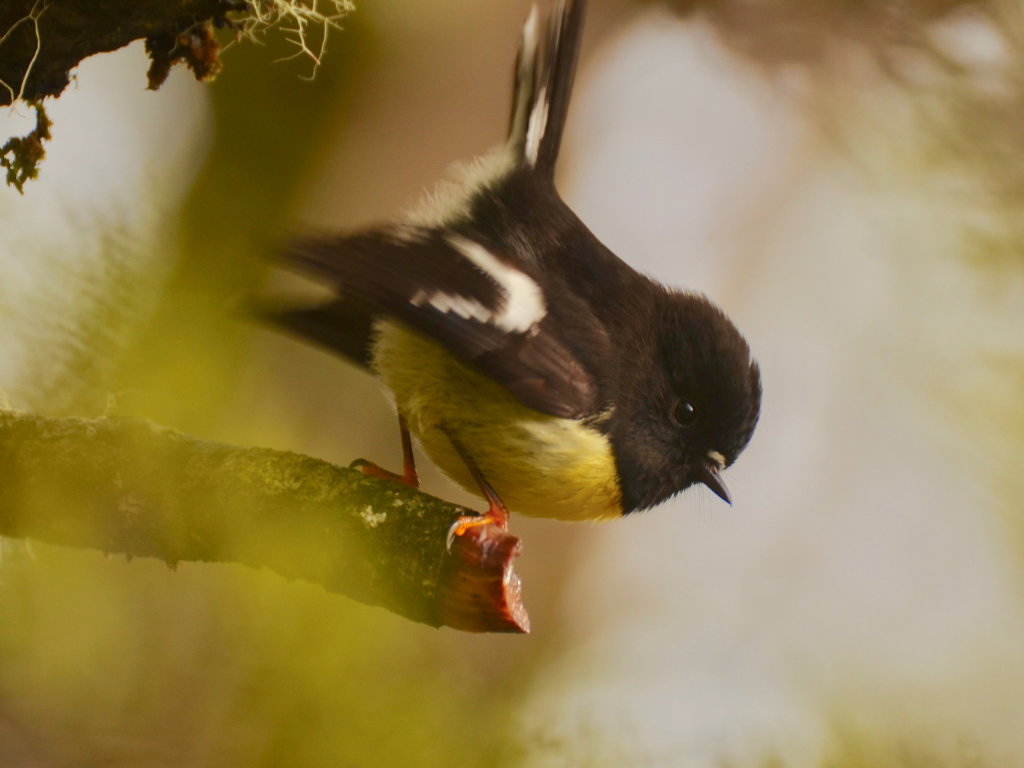
Forest-dwelling miromiro, also called hōmiromiro, mainly eat insects. They perch on branches or cling to trunks, scanning their surroundings with quick, daring glances before swooping out to snap up prey.
“These birds are tiny, but have razor-sharp eyes; they can see the smallest objects, and by objects, I mean their kai in the forest.
“We have a saying, and it literally means the eyes of the tomtit: ‘he kanohi hōmiromiro’. It means if someone has the eyes of a miromiro, they have a sharp eye for detail,” says Hēmi.
‘He kanohi hōmiromiro’ is a perfect description for the sharp-eyed proofreader in your life.
Poho kererū
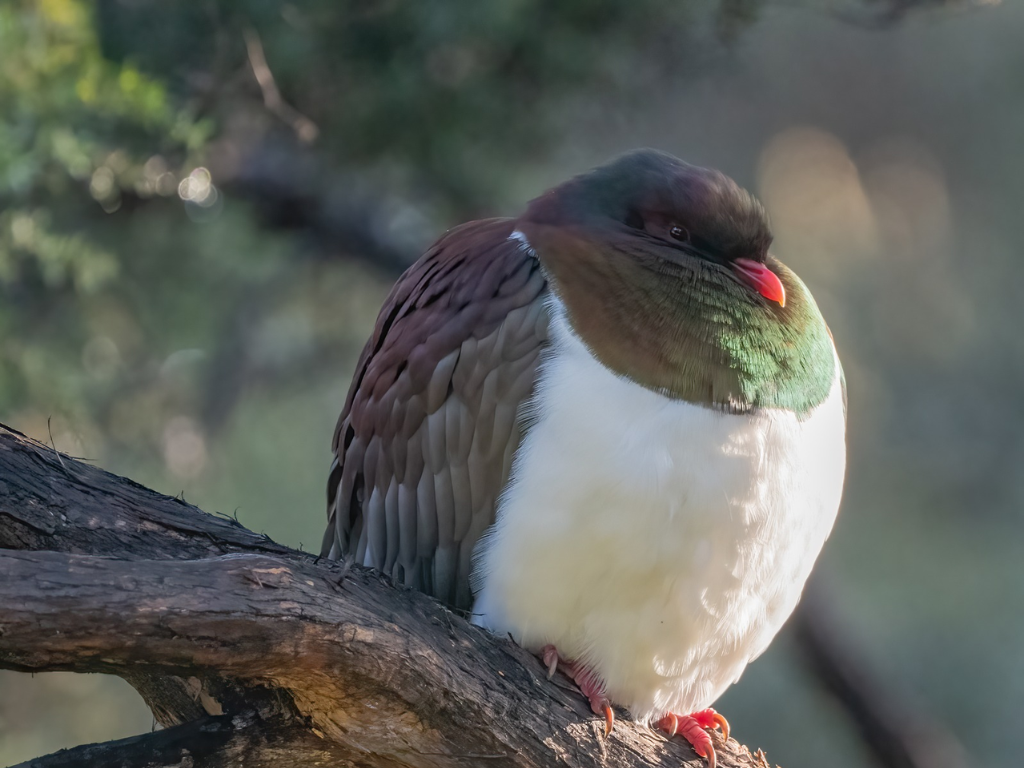
White chested, fat and fabulous, kererū often puff out their chests while perching or during courtship displays (see this iconic flirty video).
Hēmi advises to draw out that last vowel sound, making a long ‘oo’ sound. There are also other names: kūkū, with two long vowels, and kūkupa, with one long vowel. The names mimic the quiet cooing sounds kererū make.
“There’s a saying, where if you’re really proud of someone, you’d say ‘poho kererū’ or ‘poho kererū ana,’ which means the chest of a kererū.”
You can use it when you’re full of pride or puffed up with pride, just like the puffed-up chest of the kererū.
He tou tīrairaka
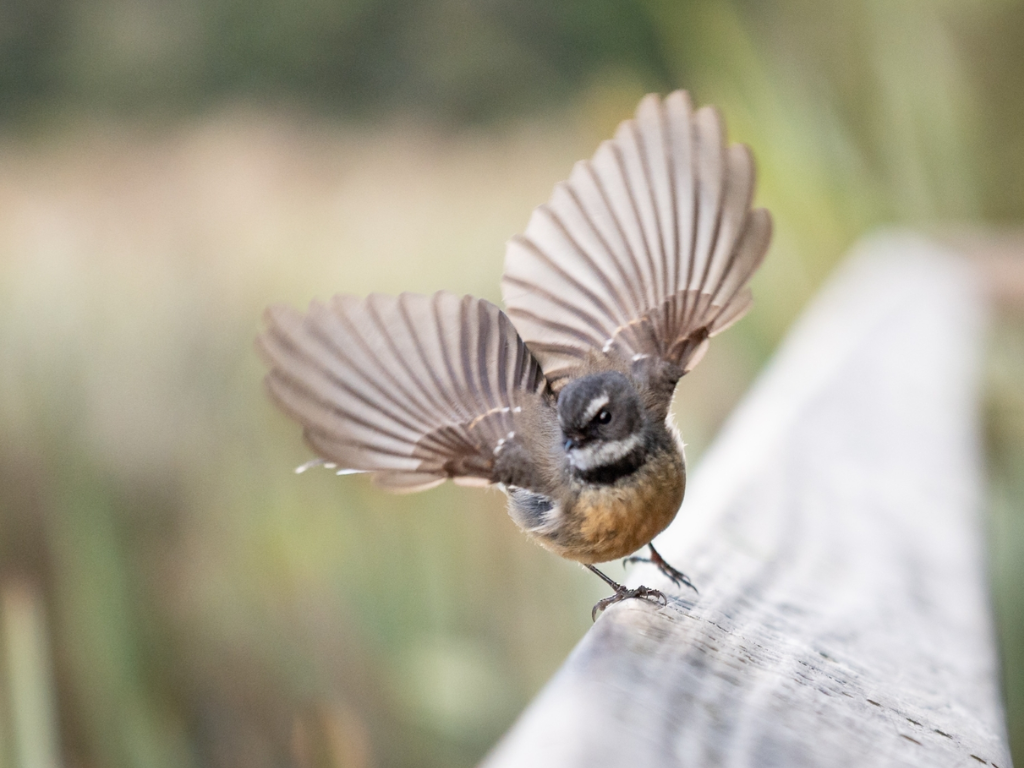
Commonly seen in forests and backyards darting about, pīwakawaka are very active birds. It’s unlikely to see a pīwakawaka sit still. These little guys are always on the move as they hunt small insects.
It’s estimated there are 20 to 30 names for the fantail, including tīrairaka.
‘He tou tīrairaka’, the tail of a fantail, is an expression for a restless person.
“When this phrase is used, they’re being likened to the tīrairaka, who’s always on the move or a tou tīrairaka, the tail of a fantail that flits and flutters continuously.”
He kōhanga weka
Curious and cunning, the flightless weka is a familiar sight in parts of Aotearoa like Abel Tasman National Park. They’re notorious for taking people’s belongings (they’ve been reported taking wedding rings, shoes, wallets, phones, and toothbrushes). Weka take items to test if they are food, not to decorate their nests – which are a different kind of chaotic.
Weka construct scrappy nests on the ground from grass or sedge leaves. It might not look like much, but it’s a cosy spot to lay their eggs.
Their untidy construction habit leads to the idiom ‘he kōhanga weka’, meaning the nest of the weka.
“Which are apparently quite messy, untidy or disorderly,” Hēmi says.
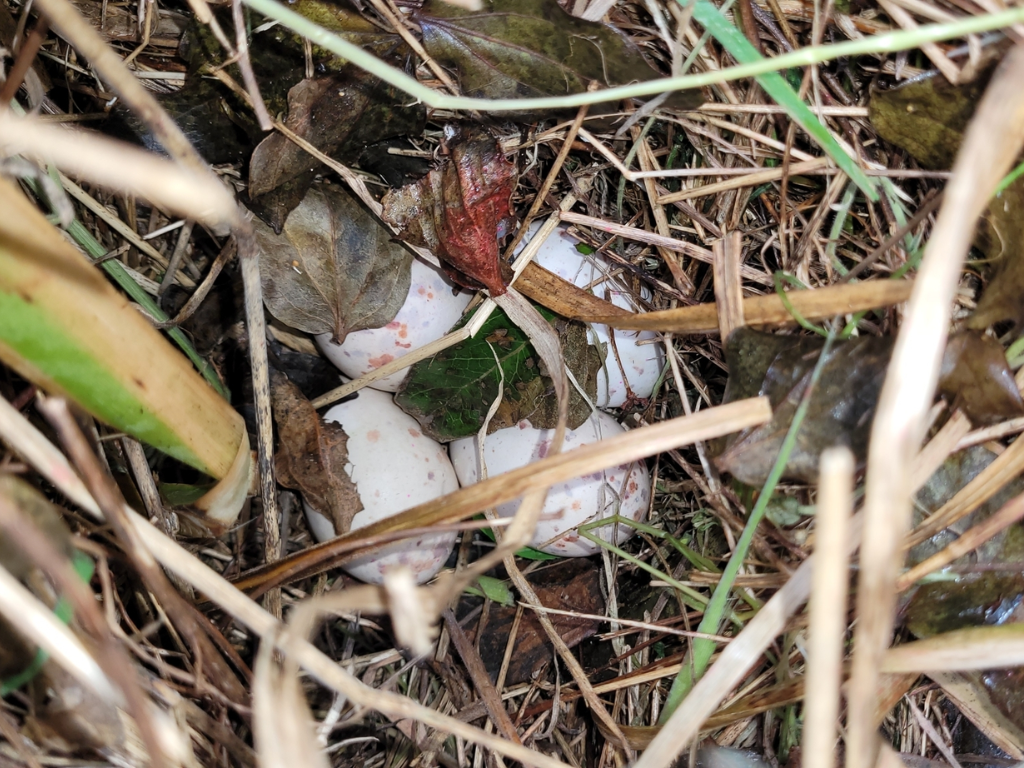
You could try saying ‘Kua kōhanga weka katoa tō rūma. Whakatikahia!’ meaning ‘Your room is a complete mess. Tidy it up!’ to certain teenagers at home
Idioms like these demonstrate that te reo Māori is more than just words; it evolved from a natural environment, which continues to influence the phrases used today.