At Ōpango, gateway to the Whanganui National Park, mana whenua are leading a nature monitoring project rooted in mātauranga, using knowledge that has long guided the relationship between Māori people and te taiao (the environment).
Mātauranga leading the way
The Tūtei Matapopore Pūtaiao project is a bespoke monitoring project that uses traditional Māori mātauranga alongside Western practices, revealing not only what’s living on the whenua – from kiwi to pests – but also how to care for it, guided by tikanga and values of iwi Ngāti Kurawhatia.
The two-year pilot has just finished at Ōpango, the main entry point to the Whanganui National Park, within the lands managed by the Pipiriki Incorporation. It has shown great value and purpose for its landowners, and a report is being written up.
Pipiriki Incorporation trustee Paora “Baldy” Haitana said they feel privileged that their whenua was chosen for the project. It is one of many projects around the country that Ngā Whenua Rāhui funds to protect the natural integrity of Māori land and preserve mātauranga Māori.
“[The Matapopore project] enables us to see the intelligence of our old people, how they understood the whole environment, how it played a special place in our lives.”
Paora speaks of tīpuna utilising knowledge of the seasons, the stars, weather patterns, birds, and insects. There’s a sense of partnership between mātauranga and science. He adds that the project has “enlightened us”.
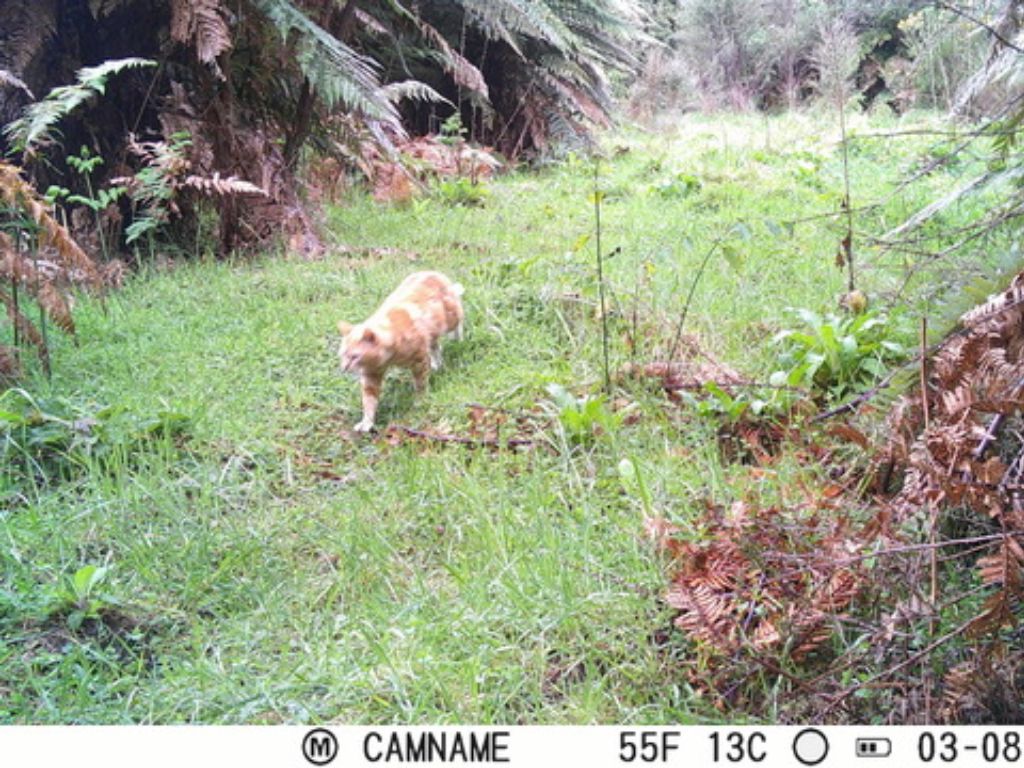
Pipiriki Incorporation secretary Robert Spicer says the monitoring is showing how much pest control is needed to protect taonga species at Ōpango.
“Pests are the most worrying and difficult aspect of the project. We’ve instigated a programme to eradicate wild cats, and we’re looking at ways to get rid of other pests.”
It is hoped the pilot programme will inform similar biodiversity monitoring projects in other parts of the country.
How the monitoring works
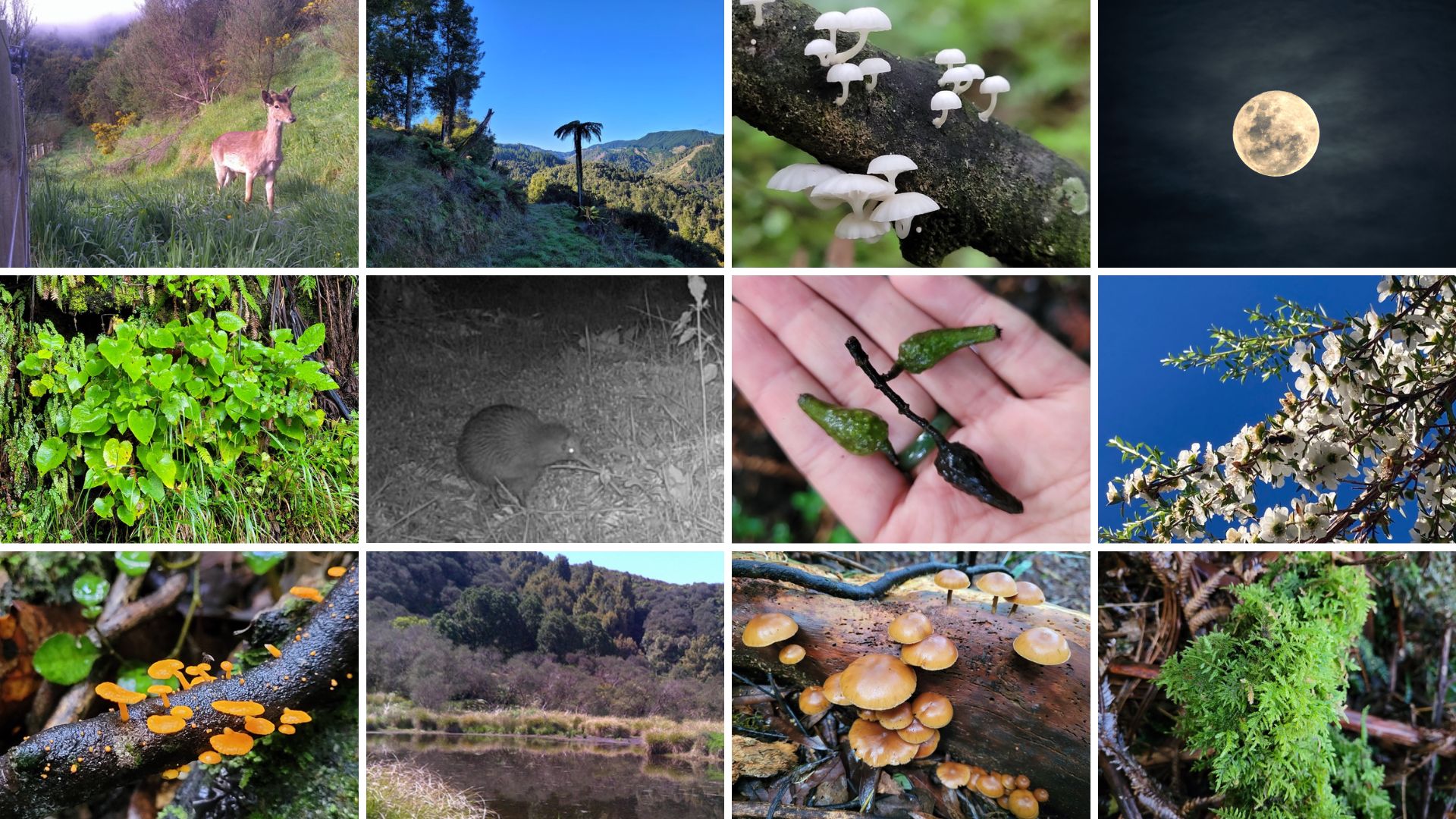
The project gathers information on species of plants and animals, both native and introduced. It tracks their current condition and changes over the Matariki cycle, including how conservation practices are working, what else needs to be done, and how to use resources wisely.
Trustees select local kaimahi (workers) to undertake much of the monitoring work, prioritising taonga species and natural sources of kai.
Wāhi tapu (sacred places) are respected, and traditional names for species on the whenua are used and researched if they’re not readily recalled.
The knowledge and support of kaumātua and pūkenga (experts) is vital to the Matapopore process, and specific local data collected during monitoring remains the intellectual property of the landowners.
Results are presented and discussed with tangata whenua at hui and wānanga (meetings and forums).
“You’re supporting te mana o te tangata whenua and strengthening the landowners’ role as kaitiaki of their natural resources,” says Ngā Whenua Rāhui manu ahurea Māui Te Pou, who guides the pilot project.
Origins of the project
The foundations for Matapopore were built in 2021 when Māui and colleague Summah Te Kahika-Heemi explored practical ways to implement Te Tūāpapa Ahurea, the Māori cultural framework underpinning Ngā Whenua Rāhui.
Māui recalls: “We started looking at how maramataka (Māori lunar calendar) affects the water, and the idea grew from there.”
To begin, they needed a suitable block of covenanted land for their trial, and the Pipiriki people volunteered.
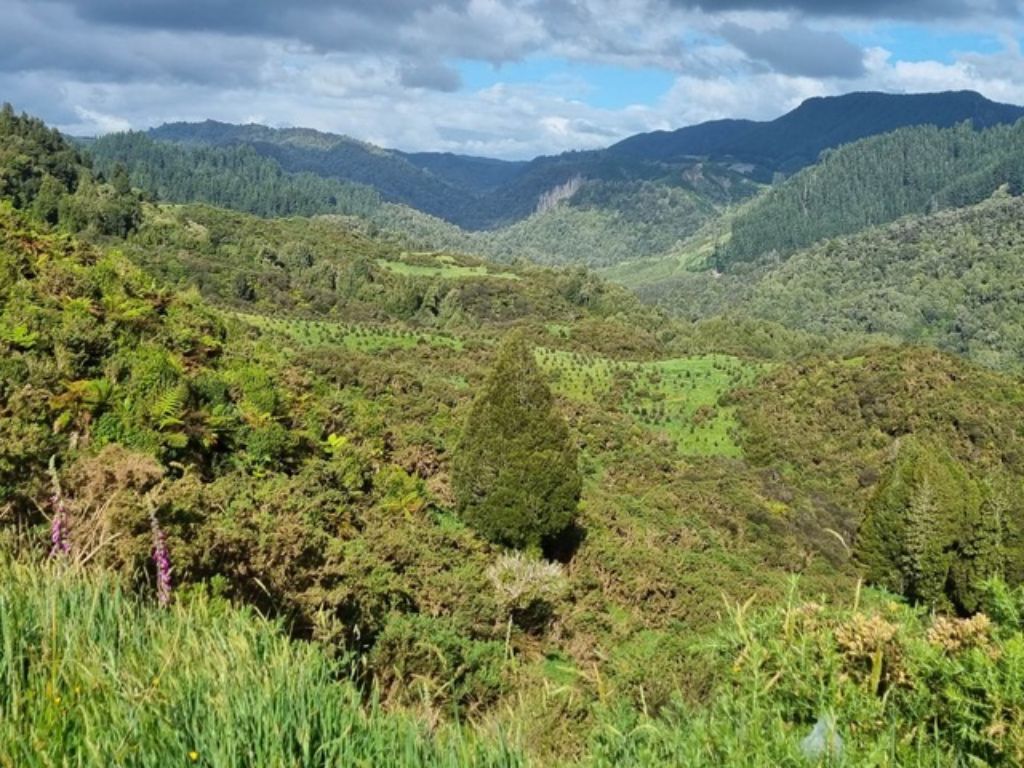
Ōpango, about two kilometres above Pipiriki village, with its restored wetlands, streams, and a small forest of mature kahikatea, rimu, and other native trees, was offered for the pilot project.
The following year, Māui began wānanga and planning sessions with trustees, local pūkenga, and key community members to align Matapopore with Ngāti Kurawhatia kawa and tikanga.
Maui says: “Engagement with the tangata whenua is really key in a Māori monitoring project.”

Two Ngā Whenua Rāhui contractors with strong local connections, Myles Gembitsky and Jason Taiaroa, took on keen rangatahi volunteers, Jakob Edmond and Kāhui Hodgson, to implement and manage the trial project.
Monitoring the realms of te taiao
In bitter midwinter, Māui, Summah, and local team members explored the Ōpango whenua for ten days, gaining a general overview through baseline monitoring. They observed, identified, and recorded the presence of native and introduced flora and fauna, as well as their condition.
The monitoring and reporting focused on four environmental realms, defined in Te Tūāpapa Ahurea (the cultural framework developed to help Ngā Whenua Rāhui define service from a Māori view of the world):
- Ō-wai: Freshwater systems on the land were checked for water source, quality, flow, and life forms.
- Ō-kai: Identifying natural food resources on land, in fresh water, and in the forest.
- Ō-Tane: Trees, smaller plants, manu, and other native species in the forest were noted.
- Ō-rāwaho: All introduced features that adversely affect indigenous biodiversity, such as “pest” species of flora and fauna, and other western influences like forestry, farming, and roading.
In March 2023, the project received funding from the Mātauranga Kura Taiao Fund and has completed five rounds of outcome monitoring, named Te Aro Turuki, using 10×10 metre forest plots.
For the first yearly cycle, the monitoring team worked for five days around the new moon, Whiro, making observations. Now they’re surveying for five days around Rākaunui, the full moon, to observe differences in te taiao activity.
Maui says: “Ideally, you want to do the monitoring every month, or even better, 24/7, to see any changes. If you’re using the maramataka, ideally, you’d do it every night.”
Inspiring the community
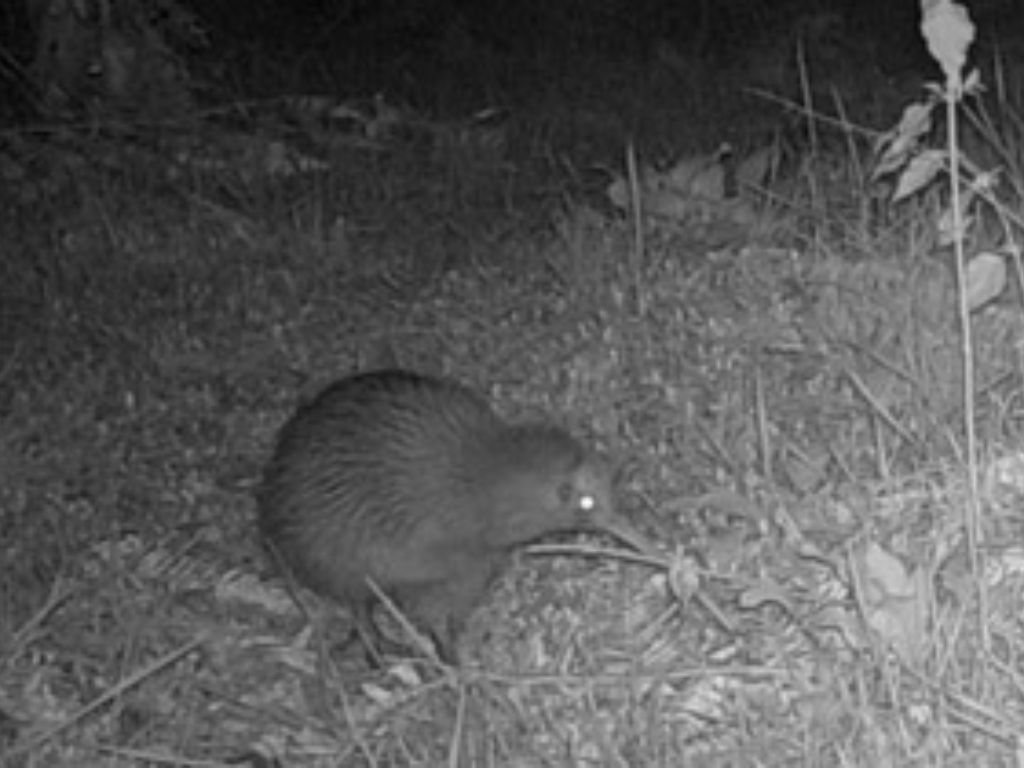
And the benefits don’t stop there. Pipiriki Incorporation Chairperson Adrian Pucher says people are enthusiastic about the whenua because of the project.
“We put a clip of a kiwi up on Facebook,” Adrian says, “and it was played 2,000 times in three days. People are getting really excited.”
The response is a positive example of the project’s impact. Inspiring younger generations or a wider audience will benefit future kaitiakitanga efforts.
This Tūtei Matapopore Pūtaiao project exemplifies how indigenous knowledge can bridge the past and future, offering sustainable solutions for te taiao, and its hunga, to thrive.
Adrian says the community is keen to keep the momentum going and continue the biodiversity monitoring and pest control.
This story was originally published in the Ngā Whenua Rāhui 2022-2024 Biennial Report (PDF, 11.1 MB).