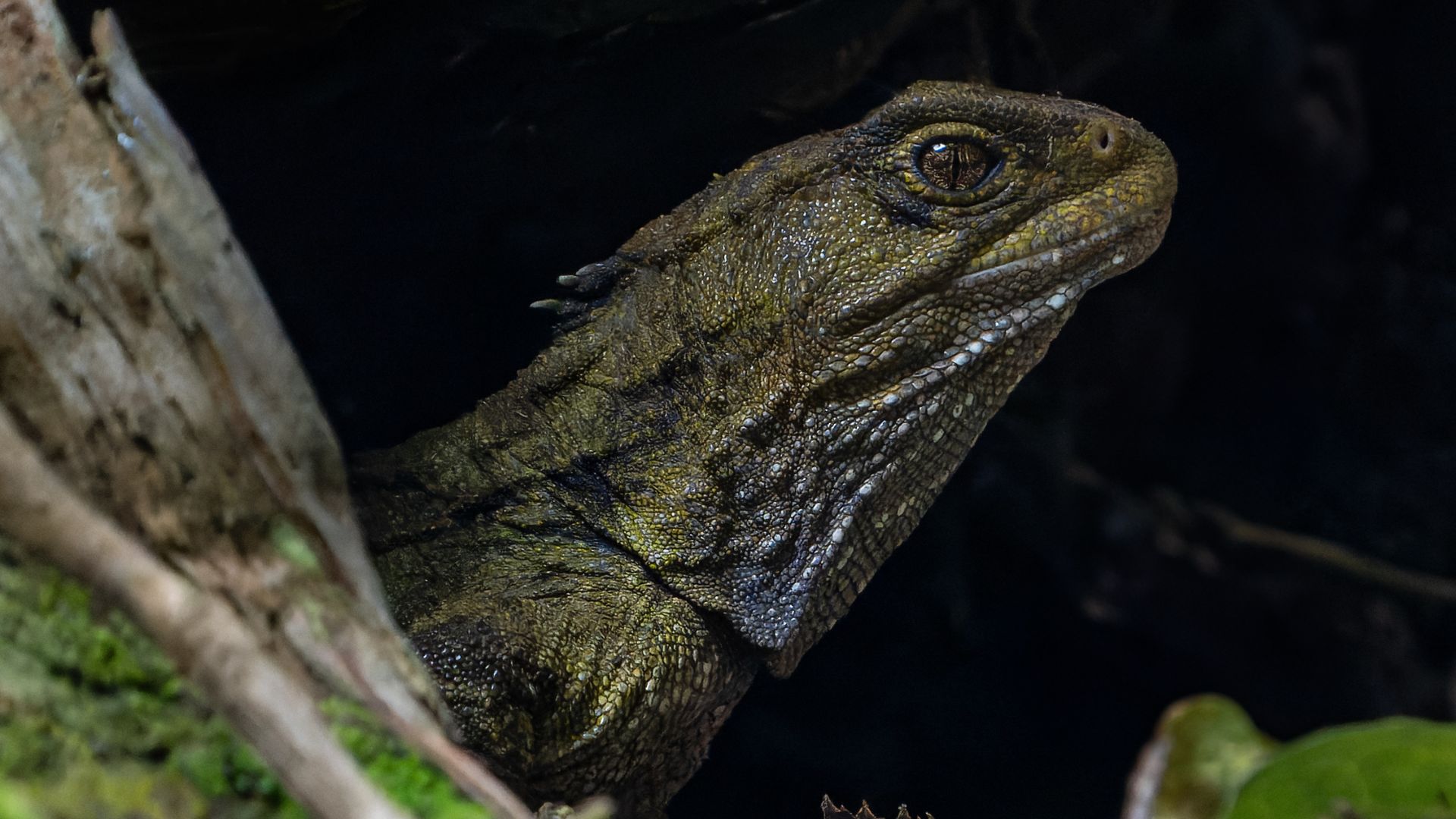
Tuatara are old news. Literally. They’ve been around for 220 million years — long before T. rex, and even before Aotearoa New Zealand existed as a landmass. If you think you’ve got them all figured out, think again: these spiky survivors are still full of surprises. Here are five things you might not know about our beloved icon.
They have a lifelong buddy
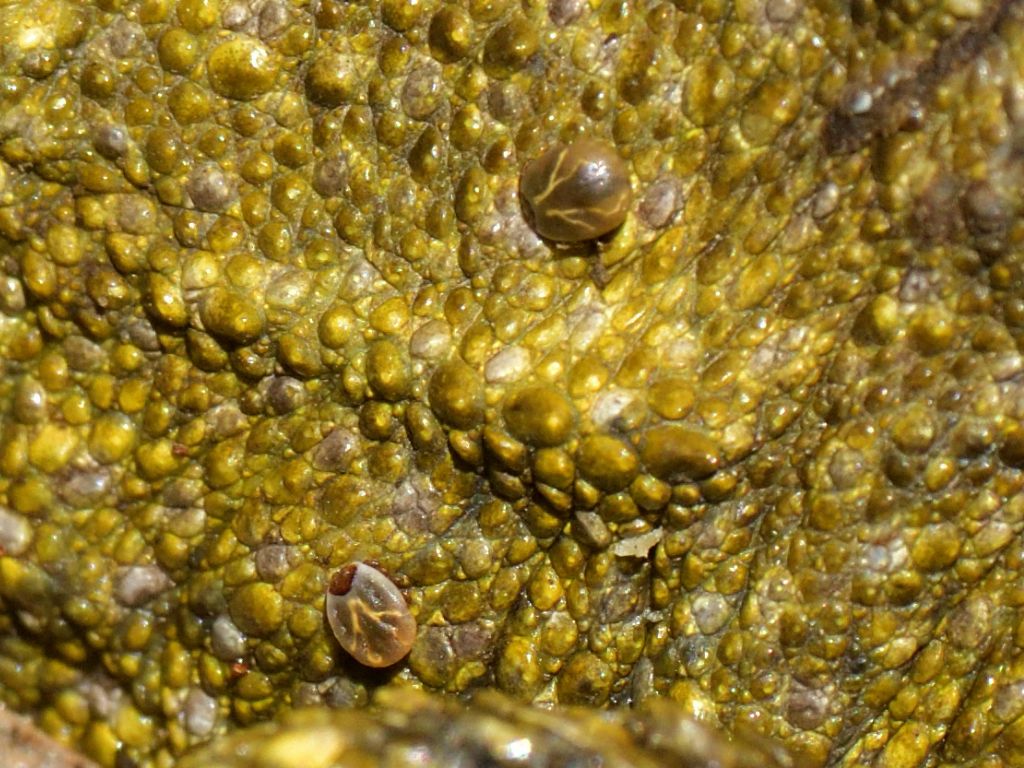
The tuatara has its very own tick: the “Tuatara Tick” (Archaeocroton sphenodonti). Found only in Aotearoa, this tick feeds exclusively on tuatara blood at every stage of its life.
They’re rarer than tuatara: only found on four of 12 island groups where tuatara live. They hide in tuatara burrows, piercing their tough skin to feed, but as far as scientists know, the tick doesn’t cause significant harm to its host.
Scientists believe this parasitic partnership may be millions of years old, possibly dating back to the Jurassic period.
Their jaws act like a ‘steak knife’
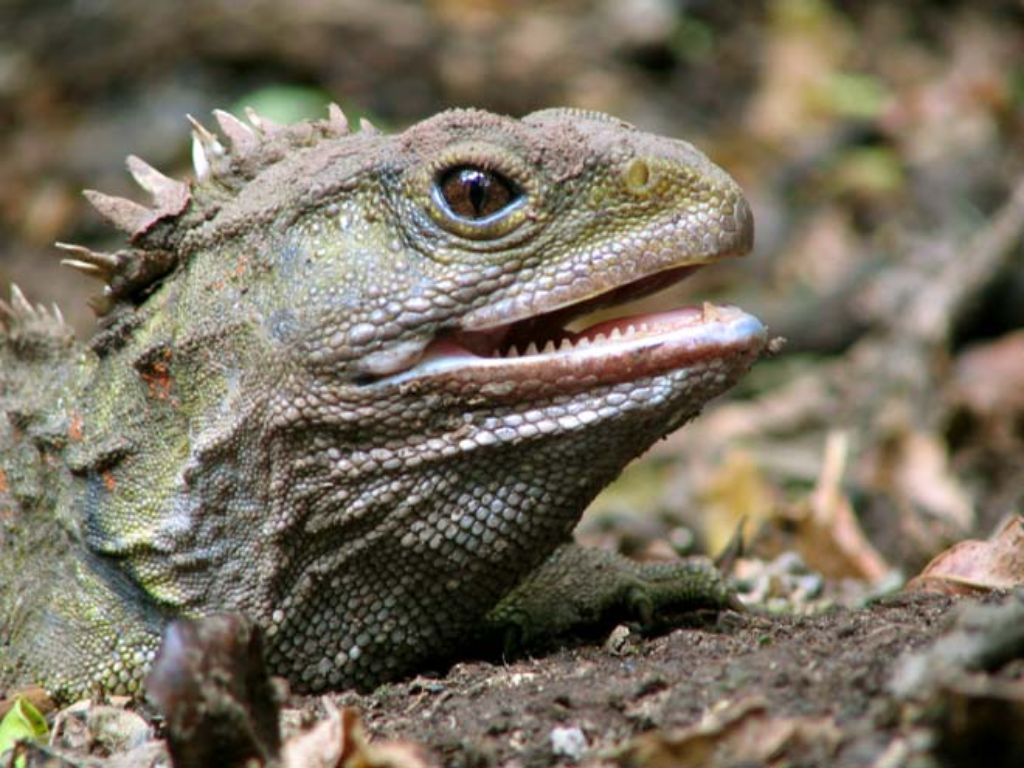
Tuatara don’t just chew – they slice and dice. Their jaws have a one-of-a-kind setup: two rows of teeth on the top, and one on the bottom. When they bite down, the lower jaw slides forward, fitting perfectly between the upper rows and sawing food apart like using a serrated steak knife.
Once worn down, they are not replaced, and some old tuatara have almost smooth jaws.
While chompers like this no longer exist on other animals, fossil records from Europe and Mexico indicate that some extinct relatives had a similar method of chewing.
They’re an easy target
That’s why you won’t see tuatara roaming mainland New Zealand – unless you’re in a predator free sanctuary or zoo. Human-introduced rats, stoats, and pigs wiped out the tuatara on the mainland long ago.
Today, the world’s largest population – an estimated 50,000, lives on predator free island Takapourewa (Stephens Island) in Marlborough. The private island is cared for by a partnership between the Department of Conservation and Ngāti Koata, an iwi of the top of the South Island.
If you’ve seen a tuatara in a sanctuary, it is thanks to a gift by Ngāti Koata – part of their deep and unwavering commitment to ensure the taonga species thrives for future generations.

They have freeloading flatmate tendencies
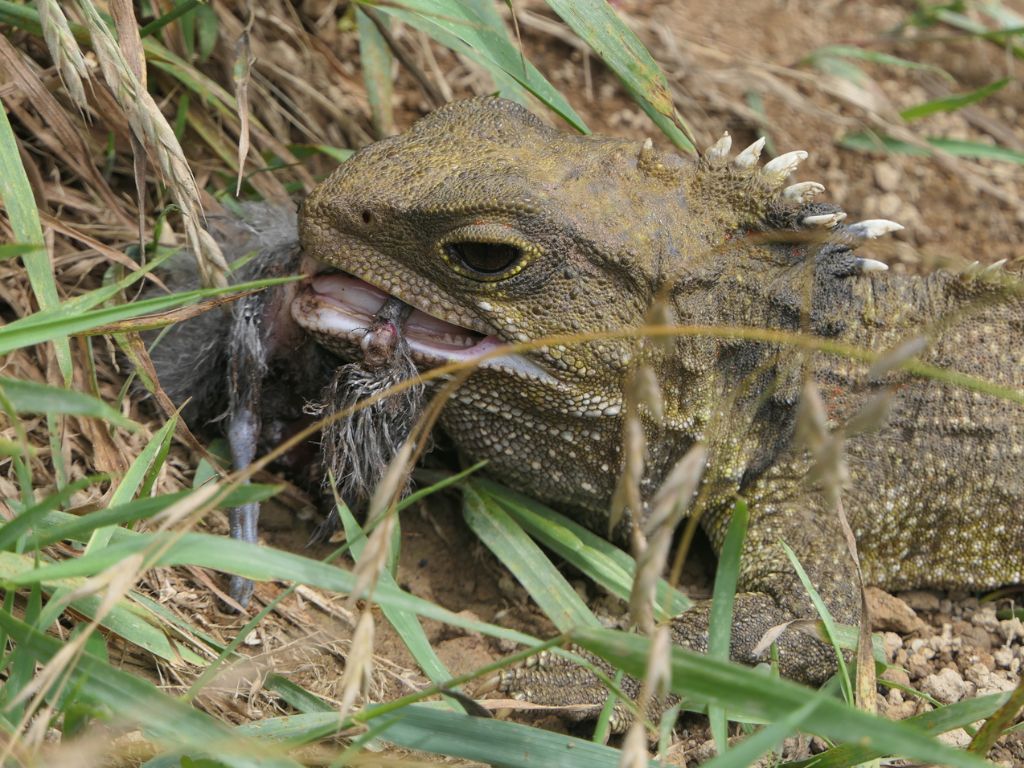
On Takapourewa (Stephens Island), tuatara and fairy prions share the same underground homes – but it’s not exactly a cosy arrangement. Tuatara benefit from the fairy prions’ warm, well-insulated burrows. But for the birds, it’s not as ideal.
Studies show prions often delay returning to the nest if a tuatara is inside, and spend less time with their chicks, which could impact their survival. And while tuatara mostly mind their own business, they’ve been known to snack on chicks when food is scarce.
So while tuatara enjoy the perks of prion hospitality, it’s a bit more of a freeloading flatmate situation than mutual friendship.
They used to live in your pocket
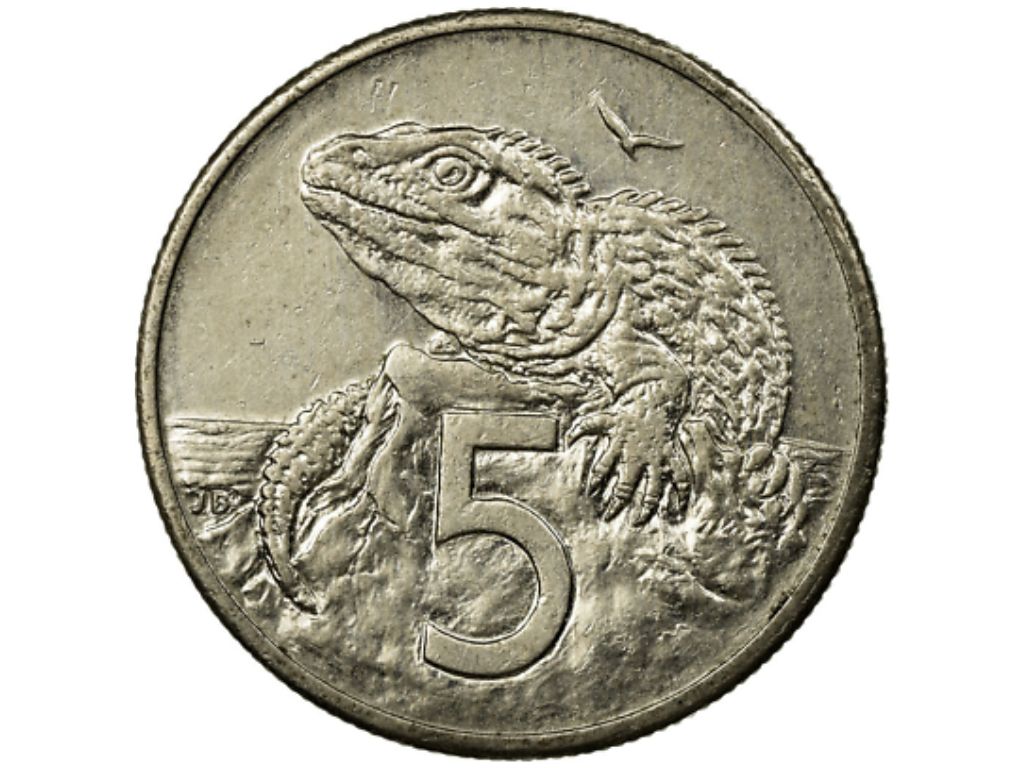
Kiwis of a certain age will remember carrying a tuatara in their pocket wherever they went. From 1967 until 2006, the tuatara graced our littlest coin, the 5c piece.
Designed by Reginald George James Berry, the coin showed a tuatara on a rocky shore with a gull in the background.
By the time it was withdrawn, inflation had chipped away its value to less than half a cent in 1967 dollars – hardly worth the weight in your wallet.
Their removal as legal tender sparked a flurry of Trade Me listings, with the first auction of the defunct coin going for $360. You can still find auctions for the 5c coins today, though with much less fanfare.