
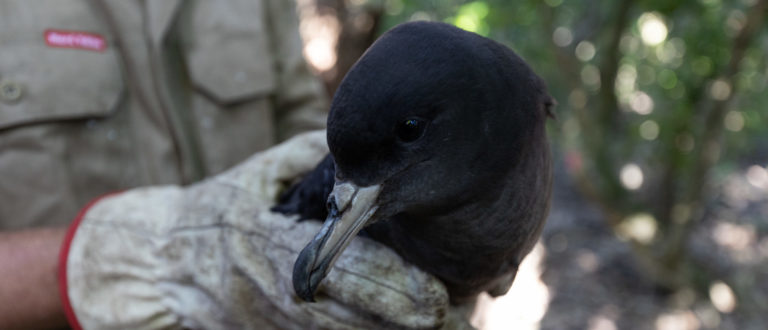
Monitoring our flesh-footed shearwaters: an apprentice ecologist’s account
On Ohinau Island, the transition from day to night tells the toanui (flesh-footed shearwaters) foraging on the water that it’s time to come home.

Zeroing in – toxic rodents lure last stoats
While 1080 operations and trapping networks remove most introduced predators from an area, getting the remaining animals is a challenge.

Sinking ship rats on the Miramar Peninsula
Predator Free Wellington (PFW) is on a mission – they want to be the first predator free capital in the world. So far the project has been a huge success.
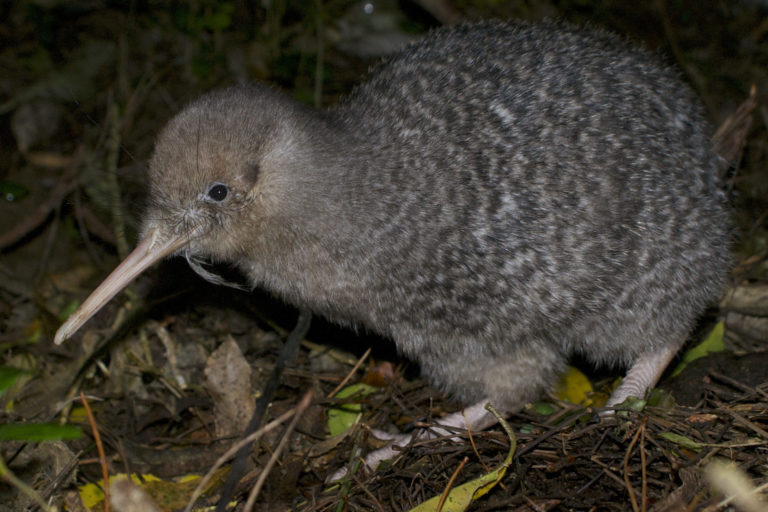
Kiwi translocations – are we doing it right?
Kiwi are the most translocated bird species in New Zealand and the number of new projects and released birds are steadily increasing. We’ve been moving our kiwi around for over 100 years but could we be doing it better?

Royal succession: the changing role of human help for the survival of toroa
Rearing royalty takes a team at Pukekura/Taiaroa Head. Since the 1930s, the toroa (northern royal albatross) colony on the Otago Peninsula have had human helpers ensuring their survival.
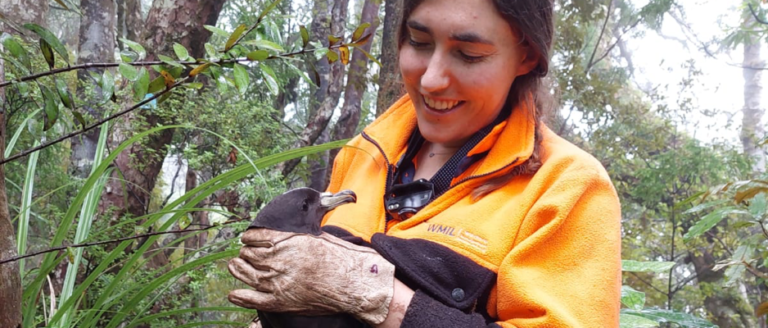
Monitoring the threatened black petrels of Aotea
In the middle of the night, huddled with her team on an island in the Hauraki Gulf, Predator Free Apprentice Marcia Welch sits and waits.

Towards Predator-Free Taranaki’s three-pronged approach to tackling its predators
They say good things come in threes and Towards Predator-Free Taranaki takes this statement to heart with three massive predator control projects underway.

Funding injection boosts efforts of 13 predator free community groups across NZ
Today we’ve awarded $50,000 in funding to 13 Predator Free community groups, which will be used to kickstart new backyard communities and help existing groups expand their progress.

X marks the spot: toxin drone drops to tackle tricky terrain
Boots on the ground and 1080 applied over large areas can control about 95 percent of possums, rats and stoats. But what about that last 5 percent?

Combined control contains the key to whio population growth
A seven-year Department of Conservation study into combined predator control methods has revealed great news for the survival of our native whio (blue ducks).

Seabirds, disease, sanctuary islands
Air travel could be with bird diseases to kakapo, takahe and other endangered species on their remote sanctuary islands.

Where have all the custard-heads gone? 5 facts on our rare mohua
With the affectionate nickname of custard-head, it should be easy to recognise the mohua (yellowhead).

What inspires the inspiring? We asked 5 women making big strides in conservation
Longlife lures. Burrowing birds. Cute kākāpō cartoons. What do all these things have in common? Amazing wāhine who are forwarding the predator free goal.

IWD2022: kākāpō cartooning with Sarah Little
Self-confessed bird nerd Sarah Little spends most days caring for kākāpo. She’s a ranger out on Whenua Hou protecting our rare kākāpō from extinction.

IWD2022: teaching about our taonga with Estelle Pura Pera-Leask
For International Women’s Day, we spoke to Estelle Pura Pera-Leask – a key figure bringing Māori voices and expertise to the movement.