
A new AI thermal camera watching traps overnight revealed some surprising results that are changing the way this trapping group targets predators.
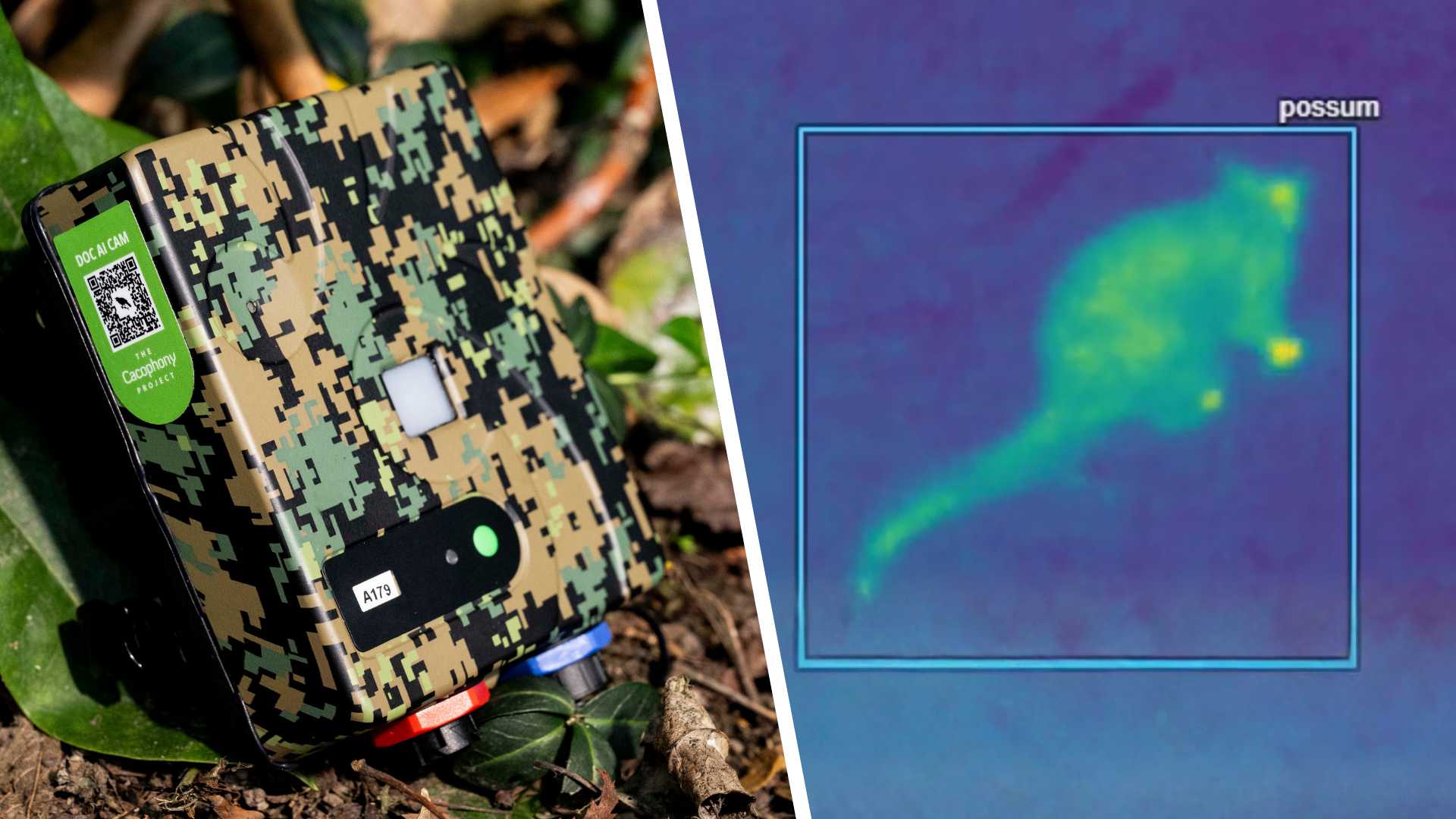
Footage showed rats, possums and hedgehogs sniffing around trap entrances, peering inside tunnels, and even sitting on top of DOC 200 trap boxes without triggering them. For the Hanmer Springs Trapping Group, the camera didn’t just confirm predators were present, it showed why some weren’t getting caught.
The insight is now helping the group rethink lure choice, trap setup and which predators to focus on, and could help other community groups improve their trap success too.
Feeling the heat after dark
The DOC AI Cam isn’t cheap, which puts it out of reach for many community groups, but it is available to rent, which is how Hanmer Springs Trapping Group trialled the technology. Developed by the Cacophony Project, it combines a thermal camera with an audio bird monitor, allowing users to detect predators and native wildlife.
Using heat detection, the camera automatically records passing animals, and machine-learning software identifies each species, to avoid manual checking. A study by Lincoln University found thermal cameras were 3.5 times more sensitive than trail cameras.
The camera works online or offline, and its videos and audio are delivered to cellphones via real-time alerts or daily or weekly summaries if it is within cell service. Otherwise, data is stored in the cloud until it is moved into cell reception or Wifi.
Giving AI a try
The Hanmer Springs Trapping Group has been operating for over five years, with 13 volunteers and 13 traplines in and around the township. They currently target rodents, mustelids, and hedgehogs using DOC 200 traps in wooden tunnels with a variety of lures and baits, including eggs, peanut butter, cubed dried fish bait, and rabbit-based jerky. Possums, pigs, and feral cats are also in the area.
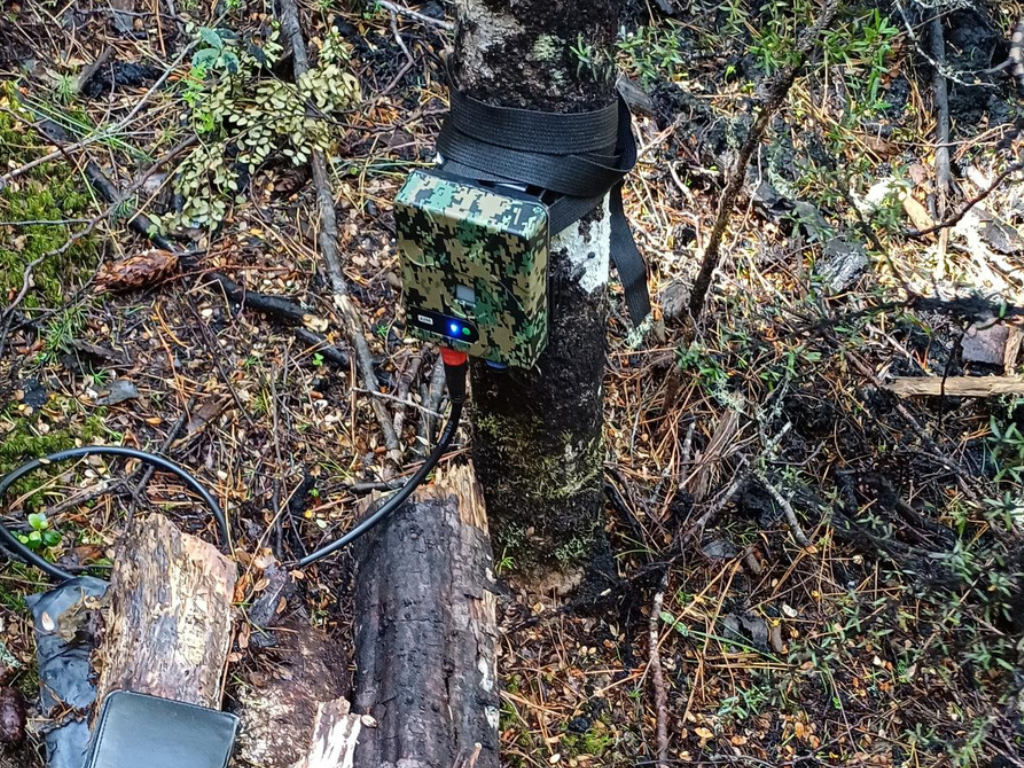
After hearing about the DOC AI Cam at a workshop, the group decided to rent one for a two-month trial. It was their first time using AI software for predator control. They rotated the camera between traplines to review more areas, build a clearer picture of predator activity and give more volunteers the chance to learn how the technology works.
More than just a mugshot
While the group already knew there were rats, possums and hedgehogs, the DOC AI Cam revealed something more useful than simply their presence: how they were interacting with traps.
Group co-manager Tori Rowley says some of the footage was unexpected.
“[We were surprised by] how many visits to the trap rats do, checking out the trap thoroughly without going inside, or going partially in and turning around. It is frustrating to see them interact with the traps, but not go all the way in. Some rats even sit on top of the DOC 200s.”

Possums regularly appeared on camera, sniffing about traps, while one hedgehog showed interest in a trap for a week but did not enter. It was eventually caught with the help of a dog. Seeing the behaviour confirmed the animals weren’t sufficiently enticed by the lures in the traps.
Predator densities varied by location. Hedgehogs and cats were mostly detected in town, and possums were everywhere, but in higher densities out of town. Rodents were noticeably worse in one location. This helps decide what types of traps to use and where to focus them.
Tori says it was exciting to check the footage to see what was detected and where, from small rodents to larger animals. “We know we have pigs, but it was a thrill to get them on camera.
“It is early days, and we are still gathering info. [But] from what we have seen so far, it is clear we need to do something about feral cats and possums, make our traps more enticing for rodents and mustelids, and consider other ways to keep mice and rat populations down.”
Meanwhile, the camera’s audio recordings of native birds will be useful as the group continues to monitor their populations – an audible reward for their predator control.
Food for thought
After two months of renting the AI camera, the group had real-time data on predator numbers, their locations, and behaviour. The group can learn from these interactions, adjust their lures and even reconsider target predators.
The group decided to buy the camera and had the rental cost deducted from the purchase price.
Tori says it’s exciting to be part of new developments to see what works, and what could potentially save time and money.
“We’ve got to try different things, and I think AI can be extremely helpful. I love the technology that has been developed and I think it will be an important part of trapping in the future.”