
Zero Invasive Predators, ZIP for short, develops some of the most advanced predator elimination technology in the country. Tools are designed in the lab, tested in the field and refined for precision. The goal is the complete removal of introduced predators from vast areas, followed by long-term protection. Here are five tools making that possible.
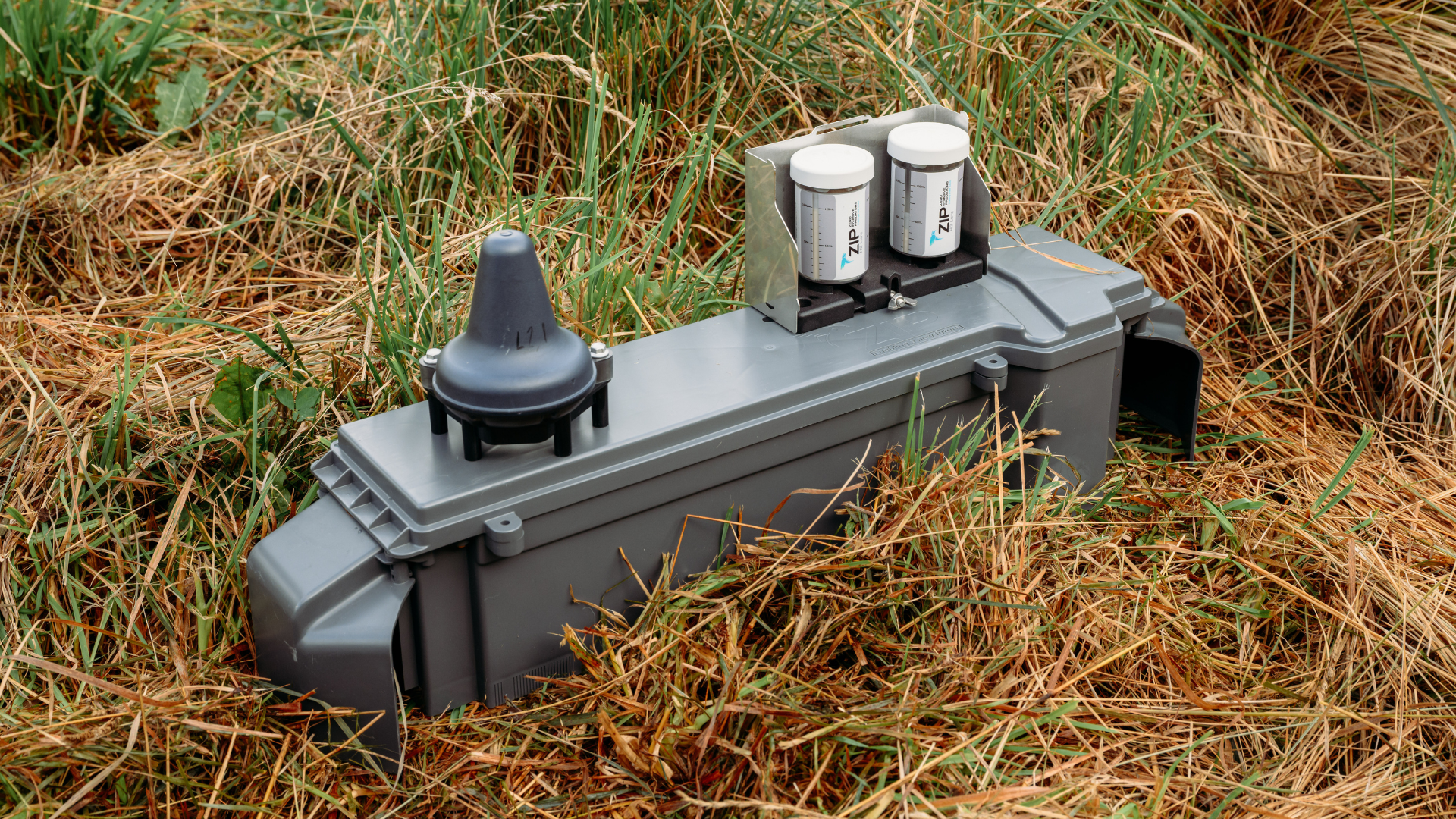
Most predator control in Aotearoa relies on ongoing suppression: an expensive, endless cycle of traps and toxins. ZIP is taking a different approach: eliminate rats, possums and stoats from large areas, then keep them out.
This “remove and protect” model, powered by a new generation of high-tech tools, is being used in ambitious, large-scale projects in South Westland and Aoraki (Mount Cook) National Park. Designing humane tools that work across mountains, forests, farms, and towns, and in all weather, is no small task, but that’s where creativity and innovation thrive.
Set and forget with the H2Lure
To entice an introduced predator to a trap, bait station or trail camera, you need something irresistible. But it also needs to survive through heat, snow, and rain. And in the forest and mountains of the South Island, it also needs to be kea-proof (easier said than done with the world’s smartest parrot).
ZIP’s first automatic lure dispenser was a long metal tube, called the “Motolure“. Inside, a refillable syringe filled with mayonnaise was pushed forward bit by bit by a motor-driven bolt. It worked, but in classic ZIP style, the innovation didn’t stop there.
The newer H2Lure is also refillable, but a much simpler and cheaper device.
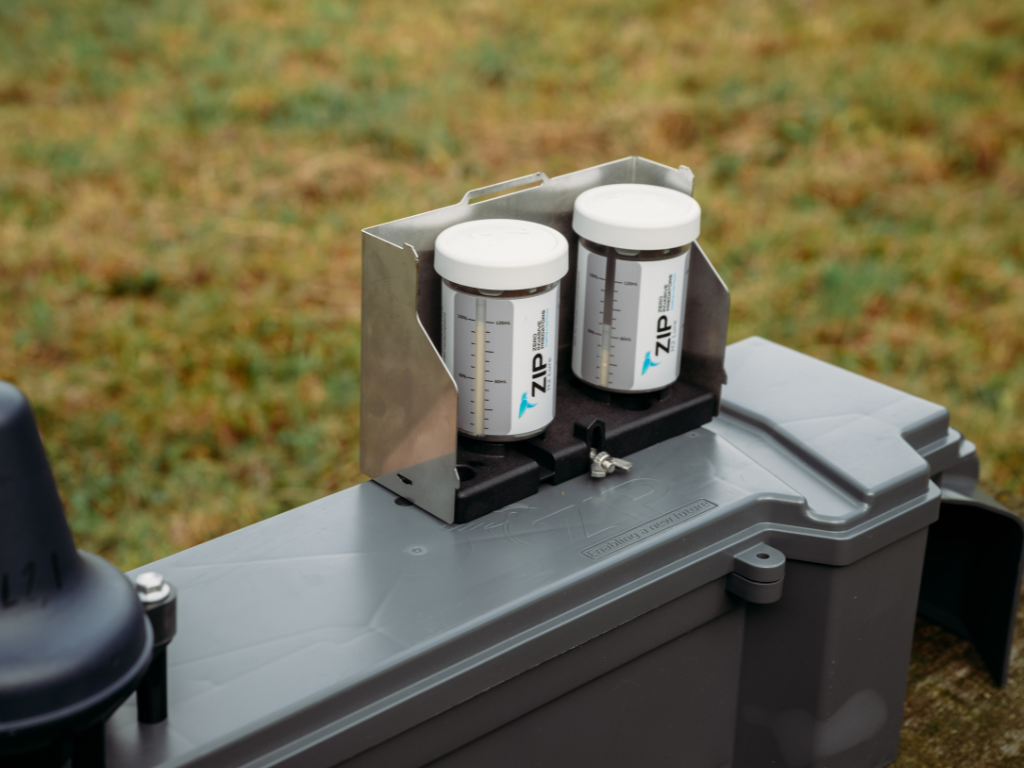
The small canister contains a tiny hydrogen-generating cell. This pressurises a cavity behind a plunger, pushing out a glob of fresh mayonnaise at a controlled rate for up to 12 months without servicing. The H2Lure is available for purchase through the ZIP website.
Come and stay forever at the ZIPinn
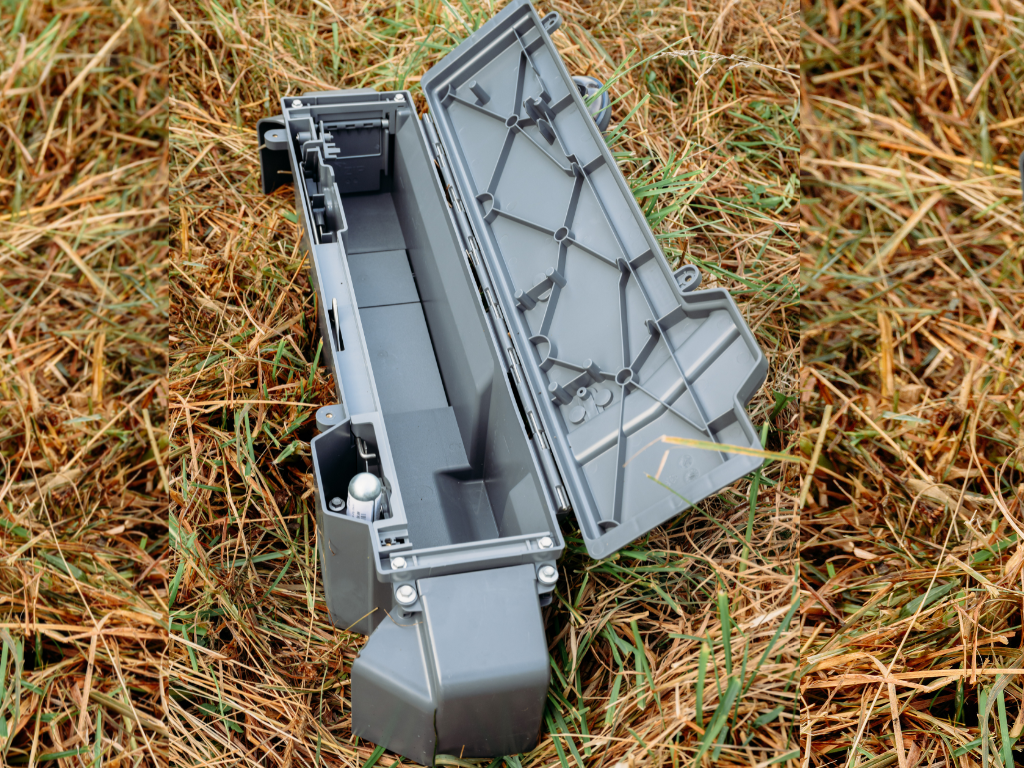
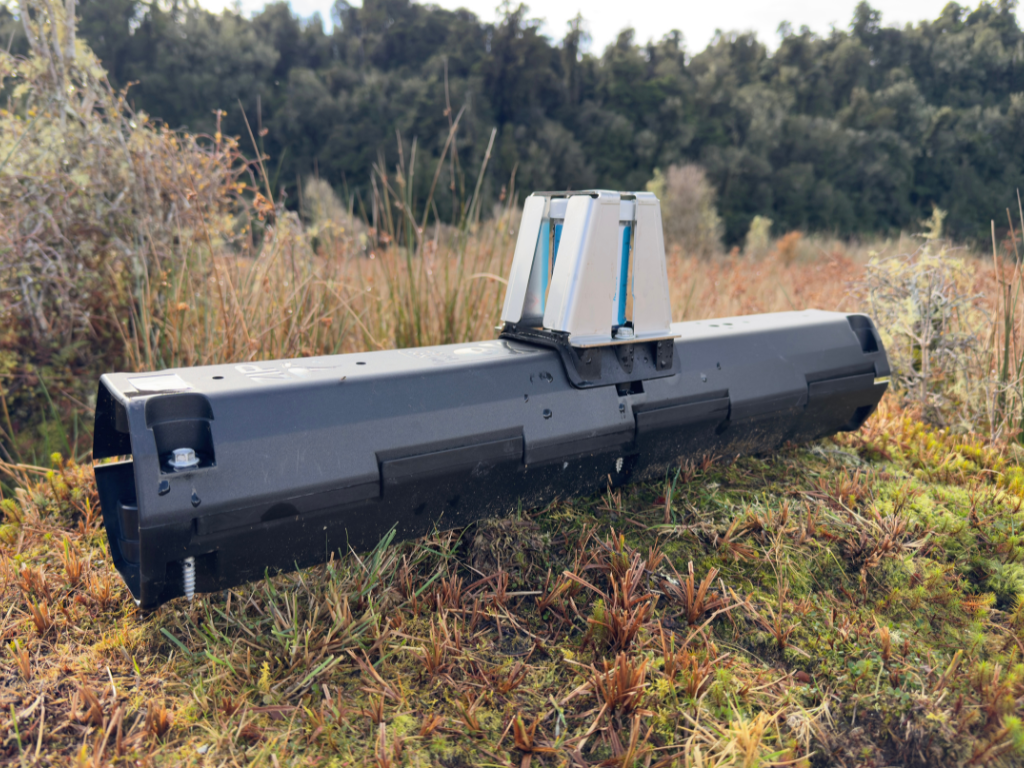
When you’re aiming to remove every last predator, every catch counts. That’s why ZIP created a trap that guarantees a catch. The ZIPinn has two entrances, and once an animal enters, the doors slam shut instantly. A measured dose of carbon dioxide is released, and the animal slips into a permanent sleep – it’s designed so an animal cannot trigger a trap and escape.
The undamaged body allows ZIP rangers to determine the animal’s age, sex, and breeding status, helping them decide whether to respond to an individual or a possible emerging population. The weird-looking triangle attached to the trap is a remote communications node that sends an alert to headquarters when a trap is triggered.
The ZIPinn is built for the final stages of predator elimination, capturing the last individuals and preventing reinvasion.
Somebody’s always watching: the AI thermal camera
For “remove and protect” to scale across large landscapes, labour and cost need to stay low, which is why ZIP is phasing out trail cameras in favour of AI thermal cameras.
Paired with an H2Lure and connected to a 4G network, the AI thermal camera looks a bit like a space pod, peering down at the forest floor. When a target animal comes for a feed of mayonnaise, the camera will take a snapshot – but only of the species you’ve programmed it to identify – and reports it back to headquarters, all within 24 hours.
Trail cameras, on the other hand, need servicing every six weeks, and rangers have to manually classify thousands of images, and by that time, the animal has well and truly moved on. Instead, these AI cameras can continually report their findings for nine months between visits.
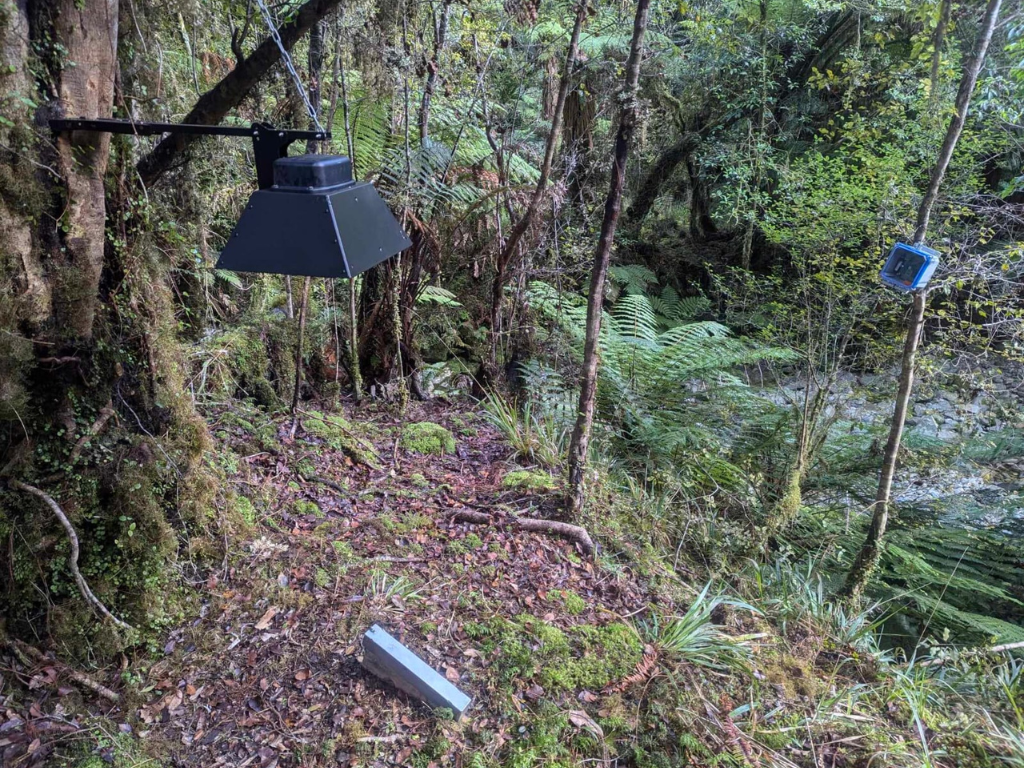
Valuable gear also has to survive the notorious New Zealand weather conditions – ZIP has lost equipment to lightning strikes and slips. Then there are the kea: as the forest recovers, more kea mean more curious beaks and claws. The hood of the AI camera is kea-proof, but kea are constantly testing the limits of equipment.
Killer gel in the H2Zero
The H2Zero works on the same principle as the mayonnaise-dispensing H2Lure. But instead of harmless mayo, it delivers a measured dose of rodent toxin gel. The device attaches to a ZIP-designed bait tunnel, keeping out anything other than rats or stoats.
It’s a big efficiency win. The hydrogen cell keeps up a steady flow of fresh bait without regular servicing, and the gel formula means rats get only the intended dose: no dragging away bait blocks to stash.
Predator Free Wellington has trialled the H2Zero in urban areas and found it works for three months, cutting servicing visits down from fortnightly.
The ZIP team is currently refining a second prototype that will dispense bait for up to 6 months, further reducing costs and labour.
Ancient tools: natural barriers and dogs
Although we promised advanced innovations, some of the best tools are as old as time: the landscape itself and dogs’ sense of smell.
In ZIP’s Predator Free South Westland project, the Southern Alps and roaring rivers act as natural barriers stopping the flow of introduced predators. These features help create giant mainland sanctuaries: cleared zones more easily protected – not by metal fences but by nature.
A dog’s sense of smell makes them an invaluable partner for predator elimination. Specially trained dogs help detect the presence of rats and possums at low density. Predator Free South Westland has four dogs on staff, deployed to locate the last surviving rats or possums and confirm that areas are truly clear of predators.