
When members of the Aotearoa Pasifika Men’s Group visited fenced eco-sanctuary Zealandia, they were blown away by the regenerating forest and the birdsong. When they returned home to the bare hills of the eastern suburbs of Porirua, they felt the absence. So they did something about it.
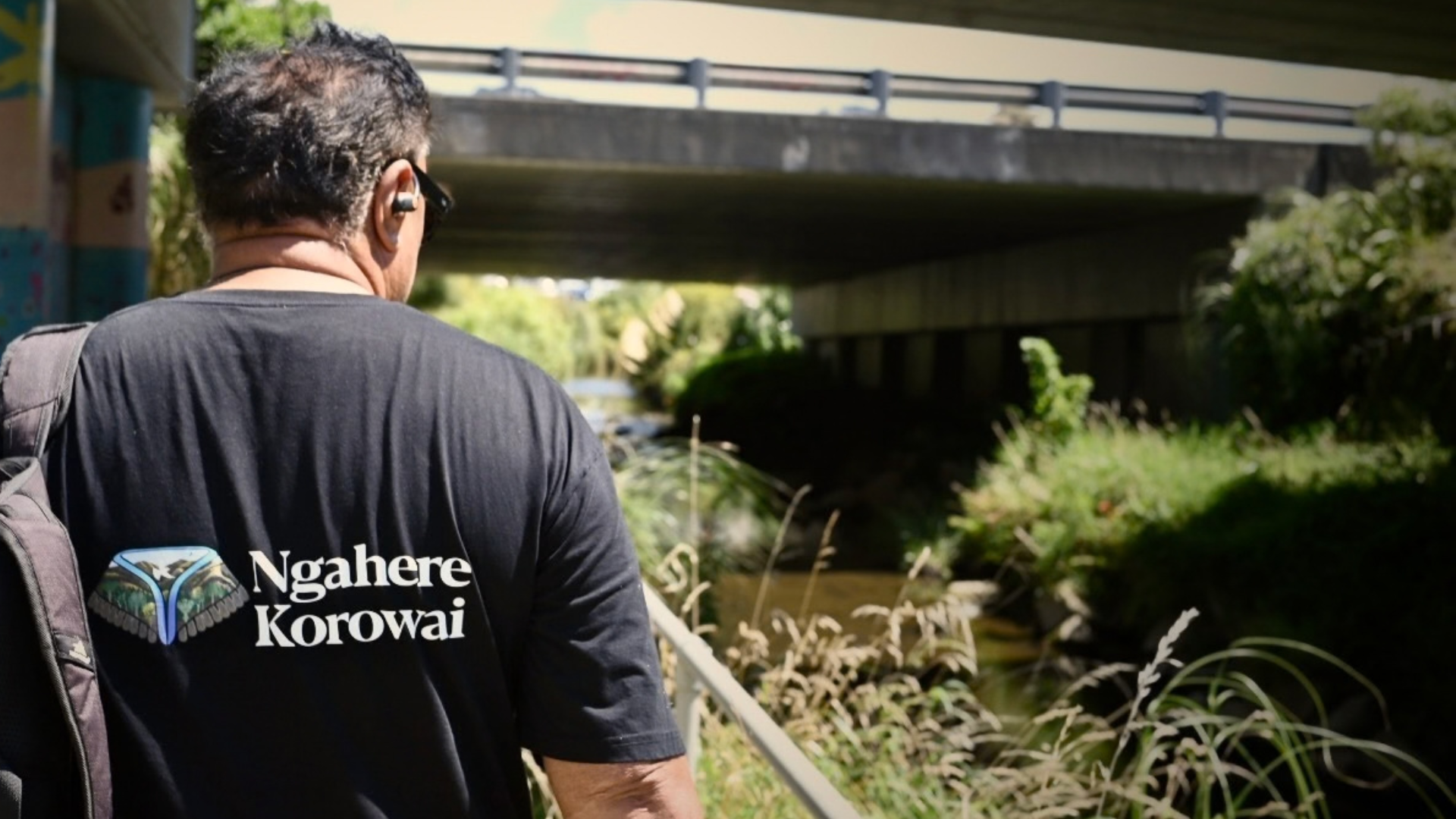
Makerita Makapelu from Wesley Community Action, which facilitated the 2019 trip to Zealandia, says the men returned from the visit amazed but also saddened.
They loved seeing all the birds and the diverse ecosystem at Zealandia, but that wasn’t the reality in their community.
“There isn’t a lot of money in the area, people with little resources, but we have these hills around here, and so we asked them – what if it could be reality, what if we could help bring the native birds and wildlife back to Porirua East.”
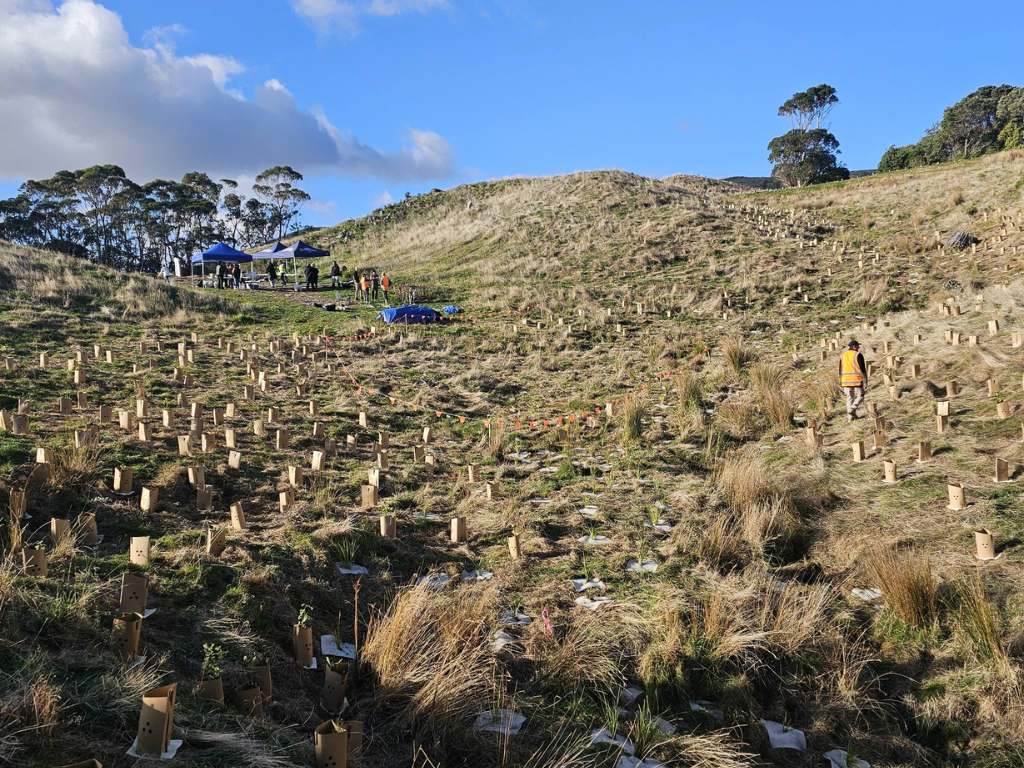
It was a question that sparked the creation of Ngahere Korowai, which translates to “forest cloak”. And that’s what the group has spent the last six years working towards: cloaking the bare scrubby hills around eastern Porirua with hundreds of thousands of native plants.
The project has grown to encompass 122 hectares within the Belmont Regional Park, aiming to transform it into a living resource that reconnects its community to traditional knowledge and to a relationship with the environment.
The group has recently expanded into predator control to create a safer habitat for native birds by removing rats and possums.
“When we began, it was just about planting trees, but it has become so much bigger. It is now about the whole taiao, the environment,” Makerita says.
More than trees
Predator Free Communities Funding, with support from the Simplicity Foundation, helped provide traps for more than 80 houses.
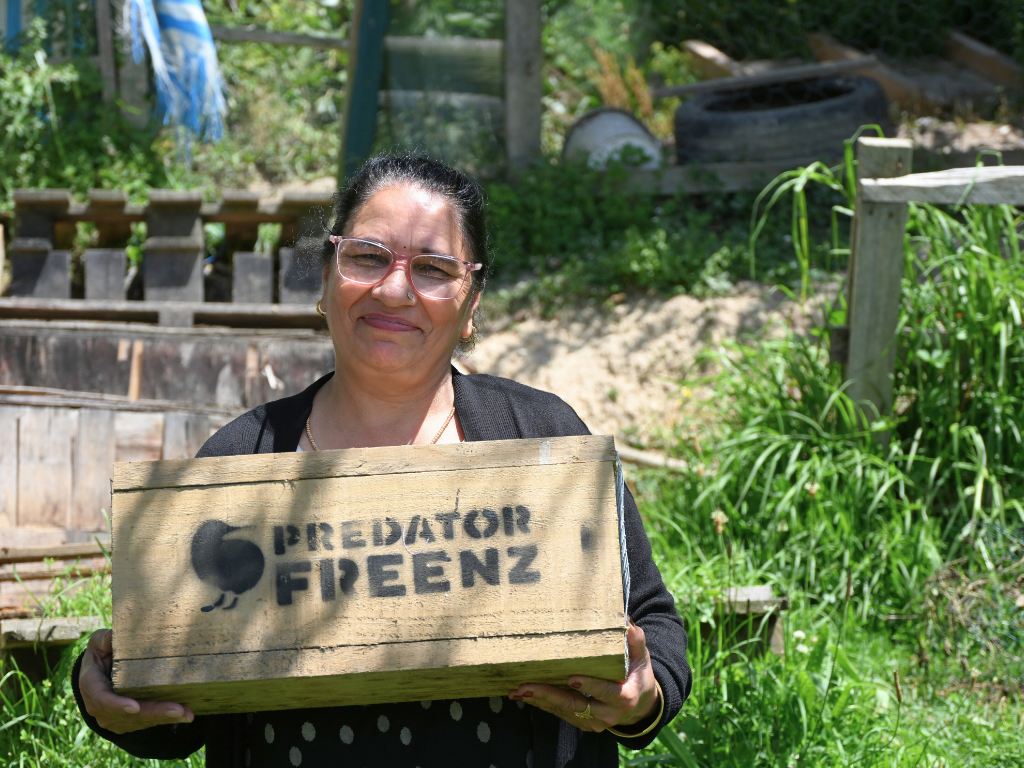
Two trap lines in the Cannon Creek Lake area are also up and running, maintained by the men’s group that went to Zealandia all those years ago and who have stood up as leaders in the project.
Ngahere Korowai joins the booming predator free movement in wider Porirua, where 13 groups are trapping in backyards and reserves across the city.
Makerita says that while it was still too early to see whether the birds and other indigenous species were returning, the change had still been immense.
Every day, the community could see the trees that they planted growing on the hills.
“The growth of the people from the community from coming along to planting and having traps in the backyards has been incredible. The men in the group have a purpose, and they have a voice.
“Their children and grandchildren, and even ex-partners, come to the planting days, and you can just see the growth.”
It takes a community
Getting to this point, Makerita says, has taken a lot of work in bringing together the right people to help.
Makerita says Wesley Community Action is a creative change organisation and that they do not have the technical knowledge to undertake an environmental project on their own, but they did know a few people who could help.
The collective now includes the men’s group, Ngāti Toa Rangatira, Zealandia, Greater Wellington Regional Council, Enviroschools, Friends of Belmont Regional Park, Friends of Maara Roa, Mountains to Sea, Capital Kiwi, Kāinga Ora, Porirua City Council, Le Fale Jobs and Skills Hub, Nature School and the residents of Porirua East.
She was confident that morale was high because the collective meets every six weeks, and those get-togethers were always a highlight for everyone involved.

“The relationships amongst everyone are great. Everyone likes coming to the meetings and they even all stay to help clean up after we are done. And when the men talk, everyone wants to hear from them.
“That is what I have figured out – before these groups that have come to help us really didn’t have access to the people and now, they are sitting across the table from them, hearing directly, and it is just amazing.”