
In human years, she wouldn’t quite qualify for a Gold Card, but in kōkako years, Ruahine is a living legend.
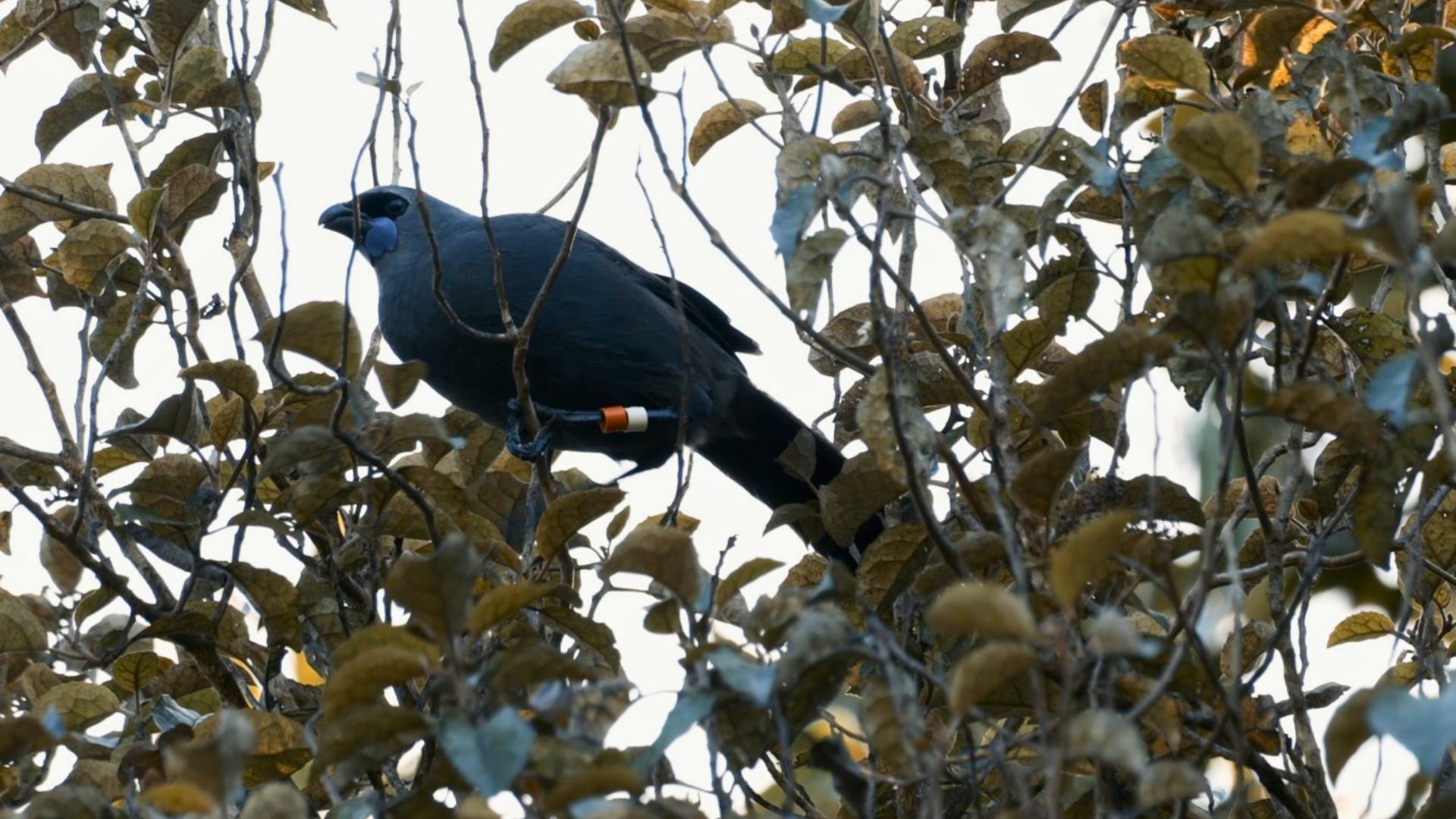
At around 21 years of age, Ruahine is the oldest known active breeding female kōkako in New Zealand, and this season she’s once again doing what she’s done best for decades: raising chicks in the Hūnua Ranges, a regional park southeast of Auckland.
This season, two fledglings currently trail closely behind her and her long-term mate, a powerful symbol of how far kōkako conservation has come.
Kōkako revival
Ruahine was translocated to Hūnua in 2006 as an adult bird of unknown age from Māpara Wildlife Reserve, making her at least 21 today, although she could be older; a remarkable achievement for a species that was once teetering on the brink of local extinction due to introduced predators. Rats in particular are the primary cause of kōkako declines.
Principal ranger and lead of the Hūnua Kōkako Restoration Project, Miranda Bennett, says that when Ruahine arrived, Hūnua would have looked very different through kōkako eyes.
“There were just 23 adult kōkako across the entire range, all descended from a single remaining matriarch. Ruahine is part of the generation that helped turn that around.”
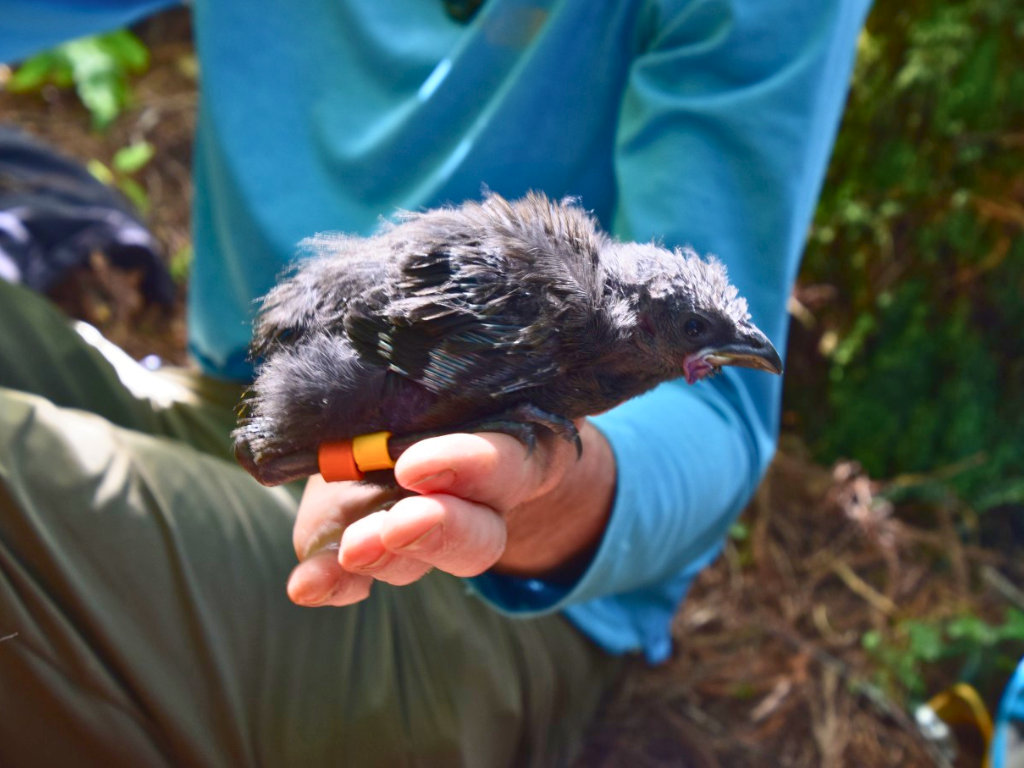
She was one of 14 Māpara kōkako brought in to boost both numbers and genetic diversity.
Settling in the area known as Flat Bush – not flat, but flatter than most of Hūnua – Ruahine first paired with a Māpara male, Taranga. After his disappearance around 2010, she partnered with a local male and has held the same territory ever since. Whether it’s been the same male all these years remains a mystery.
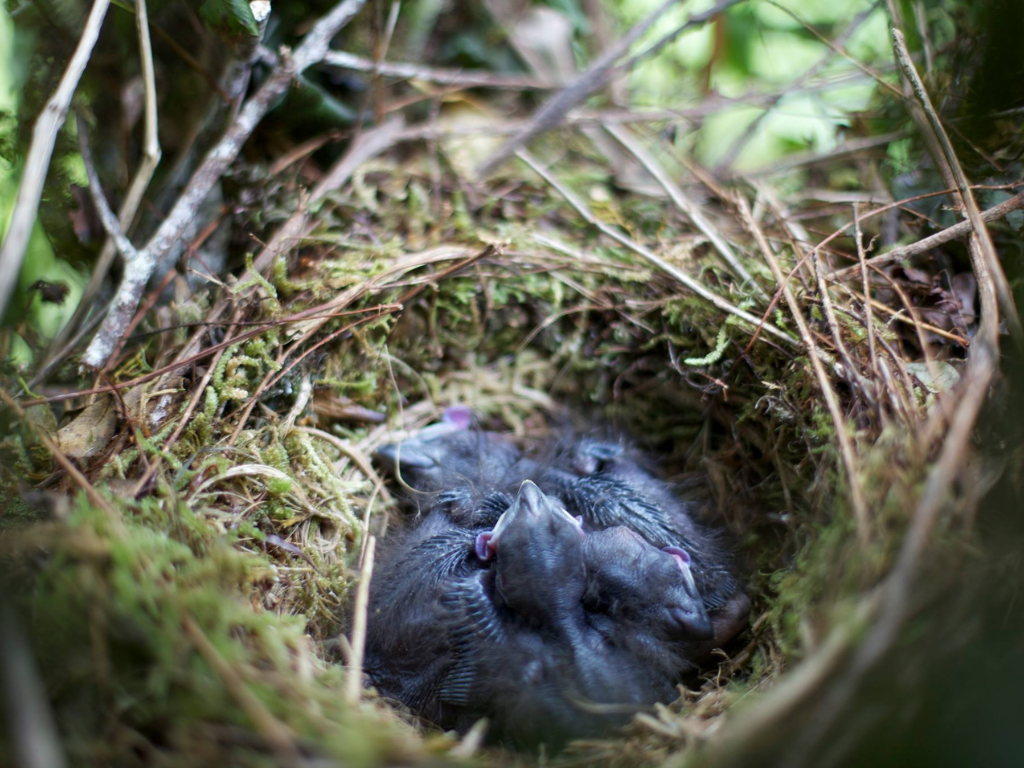
Ruahine’s contribution goes well beyond longevity. More than ten of her chicks, banded as nestlings, have gone on to join the breeding population. In 2012, she also played a starring role in a conservation first, becoming the only kōkako to successfully foster eggs transferred between sites, from Tiritiri Matangi to Hūnua.
“That egg transfer was incredibly delicate work,” says Bennett.
“Ruahine sat patiently on plasticine eggs for a full day while her own eggs were relocated, before the Tiritiri eggs were flown in and placed under her. It worked, and it’s still the only successful kōkako egg swap of its kind.”
Today, Ruahine and her mate are surrounded by more than 250 kōkako pairs across the ranges, an indicator of sustained pest control, habitat protection and long-term commitment.
One of NZ’s great conservation success stories
The turnaround for kōkako in the Hūnua Ranges is undeniably impressive. From a low point of a single breeding pair in 1994, the population is now estimated to be 259 breeding pairs as of the 2022 census. A genetically sustainable kōkako population requires at least 250 breeding pairs.
Councillor Richard Hills says success belongs to many hands.
“Auckland Council has proudly supported this mahi for decades, working alongside mana whenua, community groups and ecologists to restore the mauri of the Hūnua Ranges.”
Auckland Council, the Department of Conservation and heaps of volunteers service 4,000 bait stations and traps to target mainly possums and rats.
Ground control is supplemented with aerial 1080, with the most recent operations in 2015, 2018 and 2022.
“Ruahine’s story shows what’s possible when we invest in nature for the long term,” says Richard.
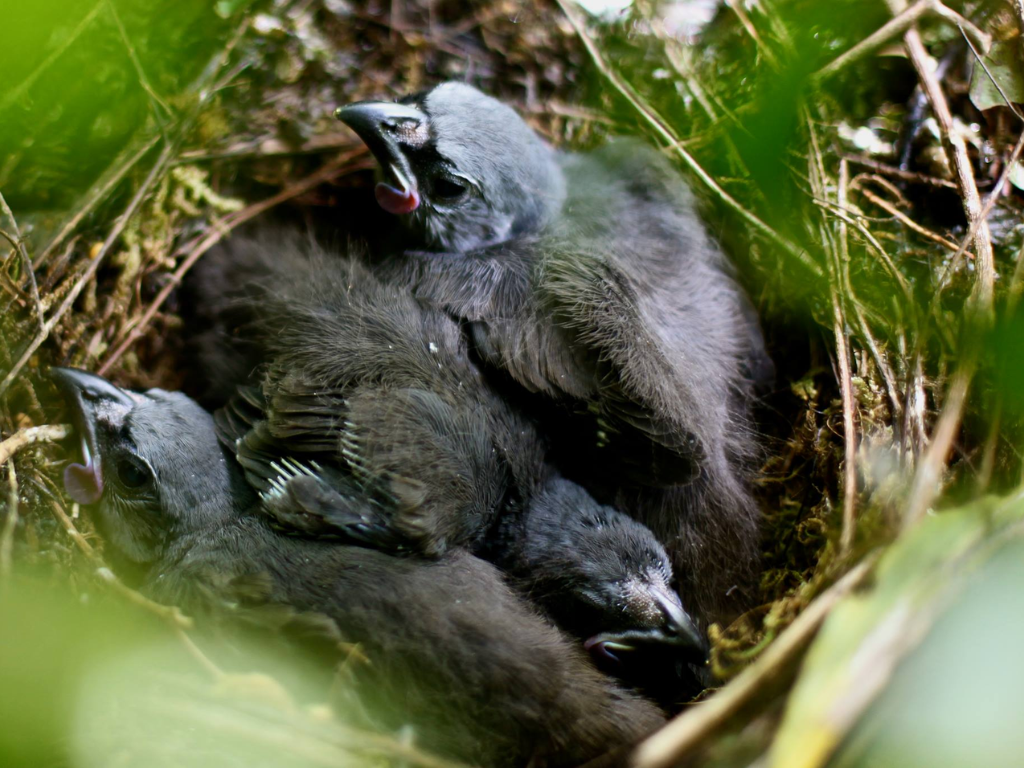
For mana whenua, kōkako are taonga; their return restores not just biodiversity, but whakapapa connections to the ngahere.
Ruahine is still out there, still singing, still raising the next generation. Not bad for an ‘old bird’ who’s nowhere near done yet.
This article was originally published by Auckland Council.