
Supported by the Simplicity Foundation, these community groups across Aotearoa have received funding from our Predator Free Communities Funding Programme. Not content to sit back and let our native wildlife dwindle, these groups are taking action, distributing traps and motivating their communities towards a predator free future.
Groups funded by region
Auckland
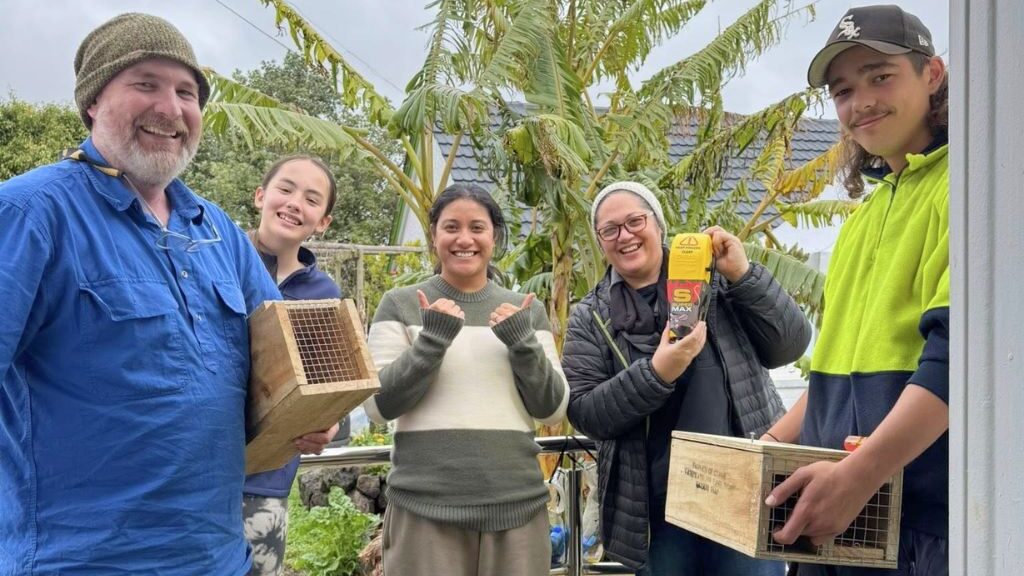
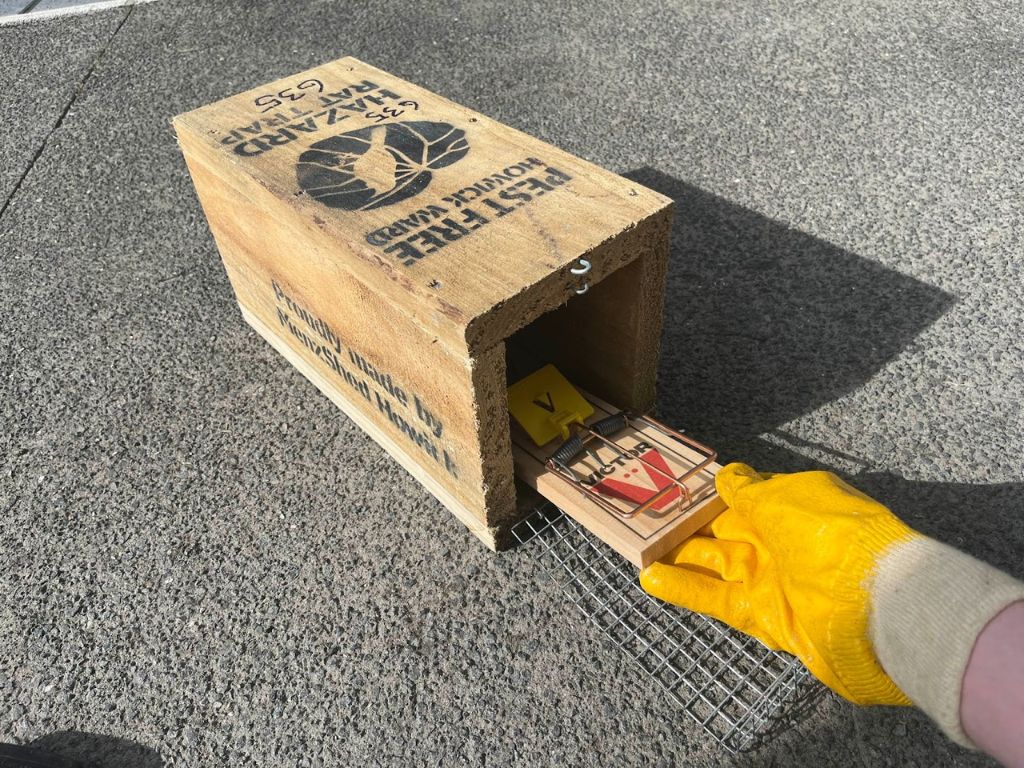
Pest Free Howick
In East Auckland, this community believes that by working together, neighbours can achieve far more than individuals acting alone.
More than 160 households are already actively trapping in their backyards, with plans to hand out 50 more rat traps through new funding.
Pest Free Howick’s regular workshops, newsletters and events keep residents engaged, helping them connect with nature, learn about pest plants and record wildlife in their backyards. A recent bird count identified kōtare (sacred kingfisher), kererū, shags, tūī and riroriro (grey warbler) in the wider Howick area.
Pest Free Ōtara-Papatoetoe
Since 2016, the pest free team within the Ōtara Waterways and Lakes Trust has been busy reducing introduced predators across 50 hectares of urban parks, reserves and waterways in South Auckland. Volunteers manage dozens of trap and bait lines and now aim to expand further into backyards.
With funding for more possum and rat traps, they plan to reach more residents in Ōtara, Papatoetoe and Flatbush, focusing on gardens near native bush and streams for the greatest impact on vulnerable native wildlife.
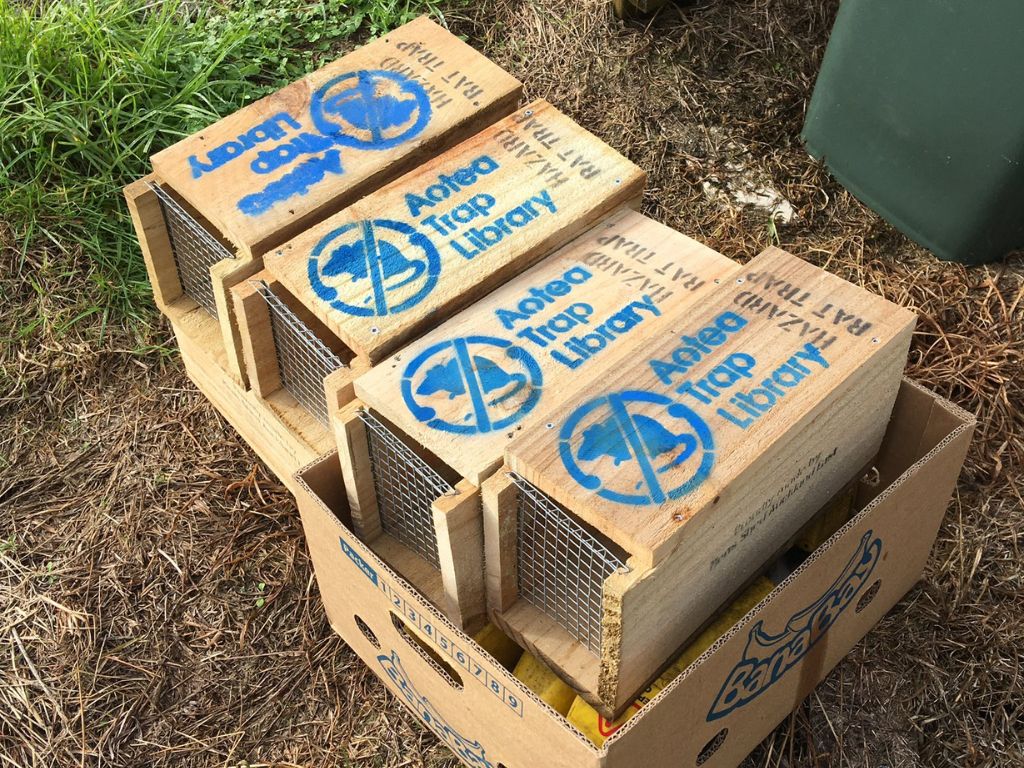
Aotea Trap Library
On Aotea (Great Barrier Island), half of the island’s 540 residents have rat traps in their backyards. With funding, Aotea Trap Library plans to raise the bar and engage the other half of residents and build the social license needed to become a predator free island.
Aotea is already free of possums, mustelids, and Norway rats and an island-wide project is underway to remove feral cats.
Known for its spectacular and rugged landscape, the island is home to native wildlife, including kākā, pāteke (brown teal), and is an important nesting site for seabirds.
Waikato
Predator Free Meremere
Meremere is a small town halfway between Auckland and Hamilton, nestled on the banks of the Waikato River. Once a bustling town, it has struggled since the power plant shut down in the 1990s and residents lost employment. The Meremere Community Development Committee is a volunteer-run group reviving the town’s spirit by fundraising for community events, youth activities, and local infrastructure.
Now, the committee is turning its attention to predator control as residents report possums and rats running rampant in backyards and in the Whangamarino Wetlands. Funding will help their community trap to save their veggie gardens and improve habitat for native birds.
Coromandel Backyard Trapping
The success of backyard trapping in houses along the stream flowing through Coromandel town shows the community is ready to expand. These traps help protect pāteke, one of New Zealand’s endemic ducks.
Umbrella organisation Moehau Environment Group (MEG) now aims to extend the trapping network through the entire township, complementing trapping in the surrounding hills.
A connected system linking the hills, streets and backyards of Coromandel will provide stronger protection for wildlife and build community awareness, making predator control part of everyday life. With 106 traps already in backyards, the goal is to reach at least 225 homes, supported by funding for new traps.
Hawke’s Bay
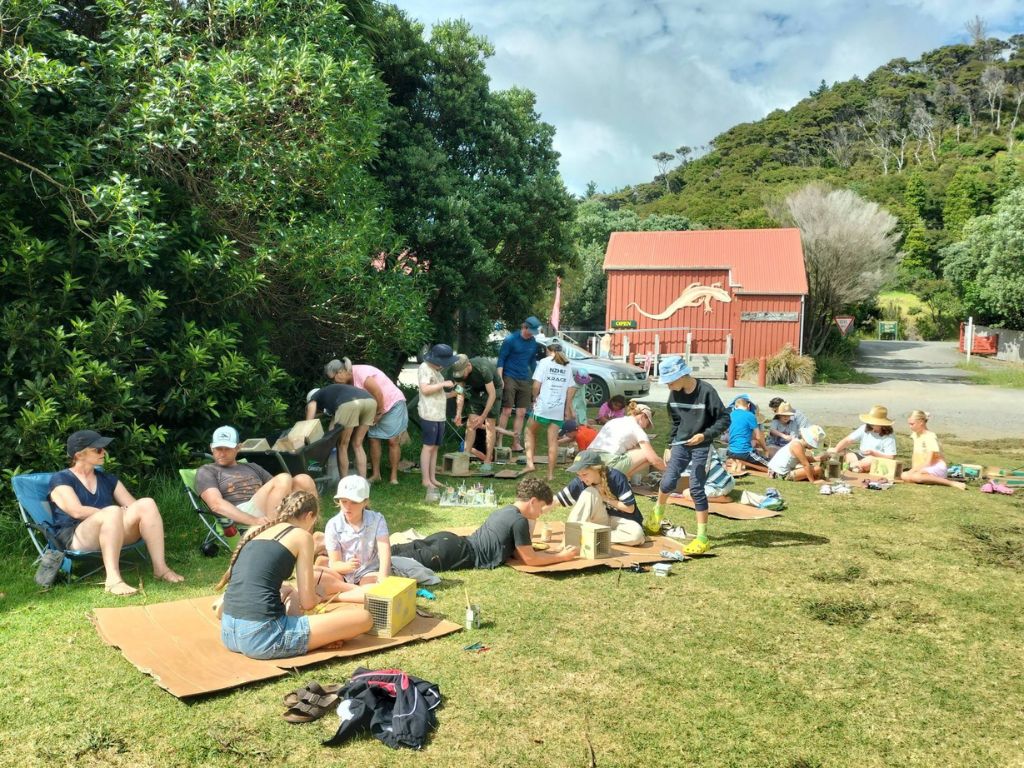
Predator Free Taradale
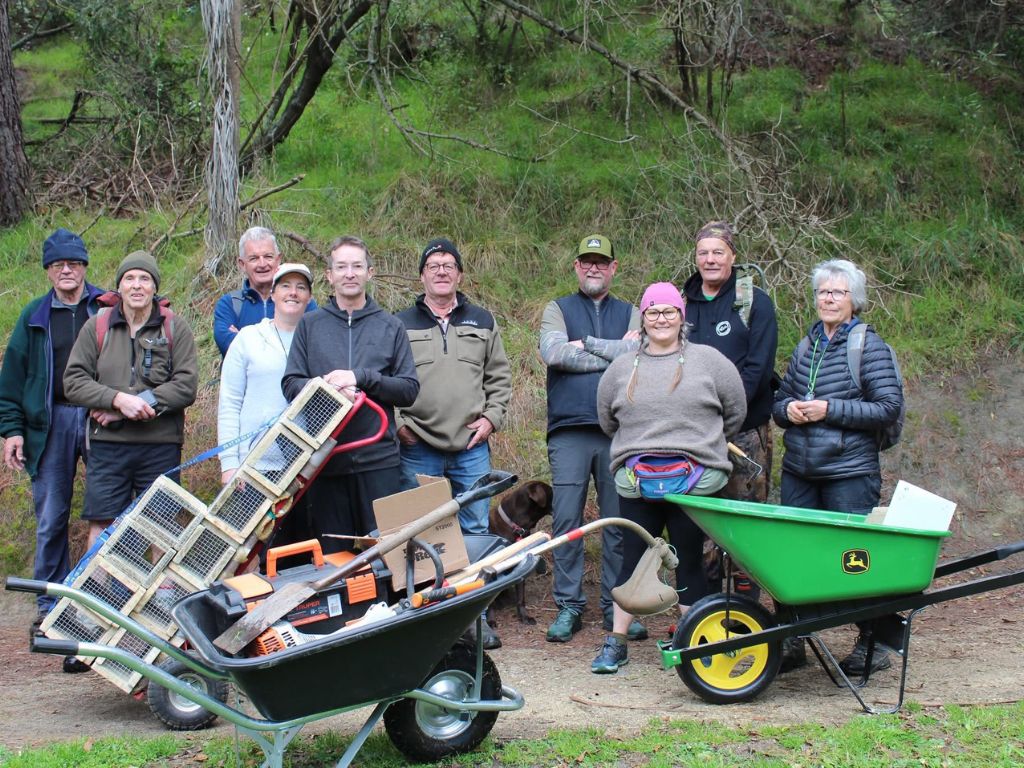
Established in 2025, this Napier community group is gaining momentum. Trapping lines in local reserves and lifestyle blocks is supported by 30 volunteers, and there’s a strong interest in expanding trapping into Taradale backyards.
A diverse committee backs Predator Free Taradale, and with funding, they aim to place 100 traps across the community.
Community BBQs, social media, local partnerships, and trapping competitions will keep residents motivated and inspired to take action.
Manawatū-Whanganui
Tūrangi Backyard Trapping
Tūrangi sits alongside the Tongariro River, renowned for trout fishing – but more recently the return of whio (blue duck). A family of whio is now regularly spotted from the bridge as you enter town, becoming a point of pride for locals. With funding support, the community is stepping up to better protect the endemic and threatened species.
Traps in Tūrangi backyards will complement the volunteer trapping along the Tongariro River, helping slow the spread of rats reaching the river’s edge and the whio population. The new group is off to a strong start with enthusiastic founding members, support from established Predator Free Taupō, and an initial goal of engaging 50 households and one marae in their first year.
Wellington
Pest Free Ōtaki
Pest Free Ōtaki was born from a simple realisation: there were many active projects in the small town on the Kāpiti Coast, but no coordinated approach.
By bringing existing projects together and encouraging everyone to share data, Pest Free Ōtaki is building a connected, community-led network to better protect wildlife corridors in their area. The foothills of the Tararua Ranges, the Ōtaki River, wetlands, farmland, and the coast are pathways that support the movement of native species, but also allow predators like rats, hedgehogs, stoats, and possums to move easily in search of prey. With a focus on backyard trapping, better monitoring and long-term engagement, funding will help Pest Free Ōtaki reduce predator pressure and create safer spaces for wildlife.
Predator Free Waikanae
The Waikanae River, which stretches from the Tararua Ranges to the sea on the Kāpiti Coast, isn’t as safe as it should be for the many bird species that live around it. In the forest, there are kererū and riroriro (grey warbler), mātātā (fernbird) and kōtare (kingfisher) in the wetland, and tōrea (oyster catcher) and gulls on the coast. Predator Free Waikanae wants to strengthen predator control for these species, starting with backyard trapping in homes along the river banks. With funding, their goal is to get a trap in every second home (about 56 in total).
With support from Menz Shed building wooden tunnels, the Waikanae Butcher supplying mutton fat and Pic’s for Peanut Butter for lures, this project has strong community backing.
Takapūwāhia Kiore Kore
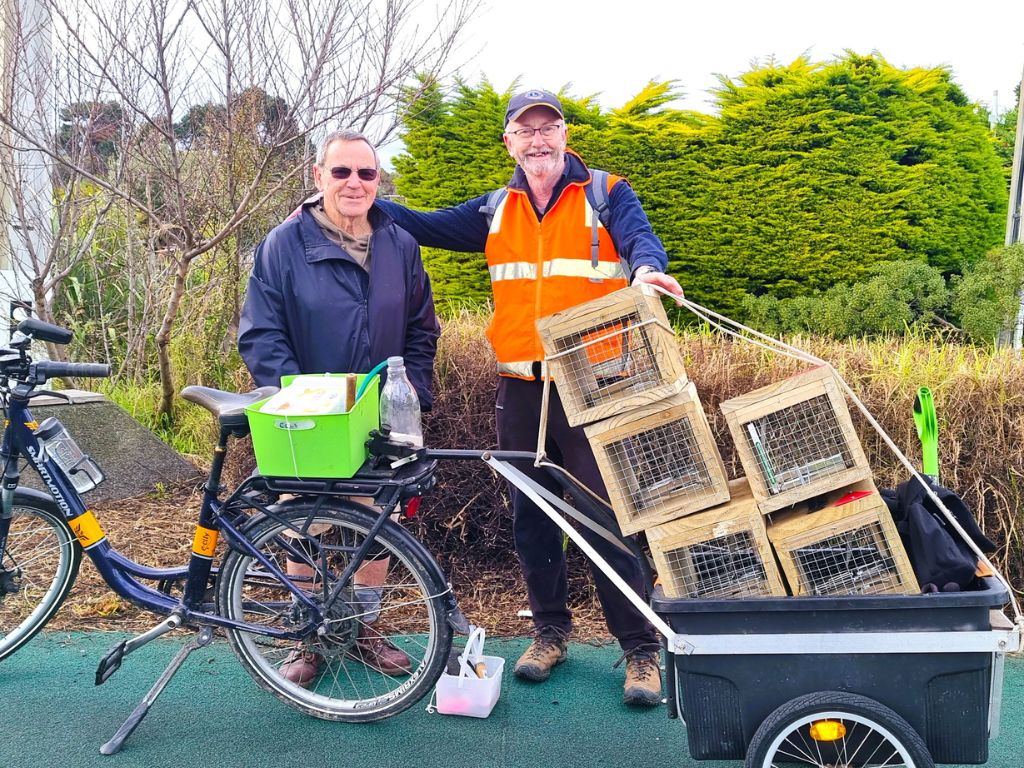
Rodents are a common sight on a piece of overgrown land on Te Arawi Street in Porirua. Not for long. Ngāti Toa has proposed turning it into a community garden, so the Takapūwāhia Kiore Kore project has launched to target rats in the garden and surrounding backyards.
Rodent control is a first step towards their wider goal: a landscape where native plants and animals can flourish, laying the foundations for a sustainable horticultural hub for iwi. It’s about more than the rats, it’s about Ngati Toa people taking the helm to restore the health and well-being of nature. If you live in this area and want to get involved, email [email protected].
Predator Free Camborne
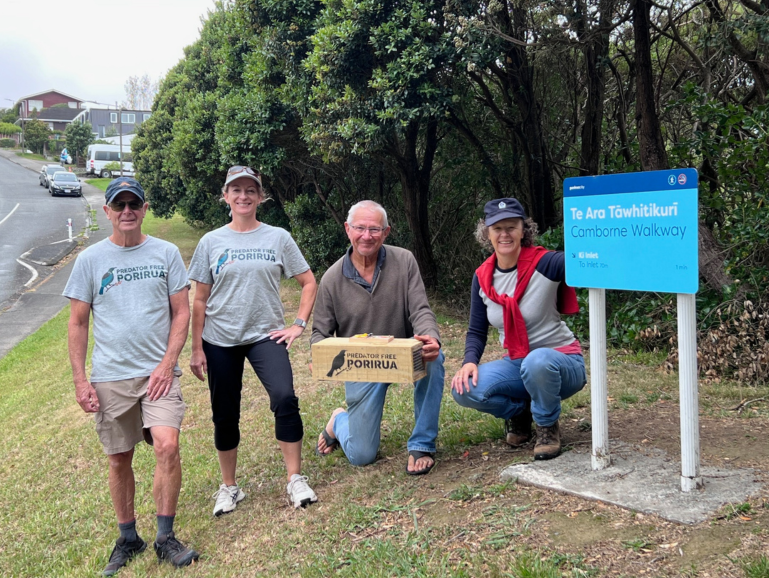
Bordered by regenerating native bush and the Pauatahanui Inlet in Porirua, the suburb of Camborne is rich in native wildlife.
Predator Free Camborne’s efforts have been focused on reserves. Now, with a revitalised coordination team and fresh momentum, the group is turning to growing its backyard trapping and getting more residents involved.
They join the wider Predator Free Porirua movement, which is sweeping across the city north of Wellington.
Nelson-Tasman
Iwa Road Birdlife
Neighbours on Iwa Road in Nelson have come together to start backyard trapping, with more than half the street already committed to taking on a rat or possum trap. They plan to meet monthly for “Coffee and Trap Chats” to share results, tips and sightings of birds. As weka are regular visitors to their gardens, the group has received funding for special weka-proof wooden tunnels to keep the curious birds safe.
Situated next to bushy land and within the halo area of Brook Waimarama Sanctuary, the group aims to create safer spaces for native birds spilling over the sanctuary’s predator-proof fence.
West Coast
Birds for Life – Lake Kaniere
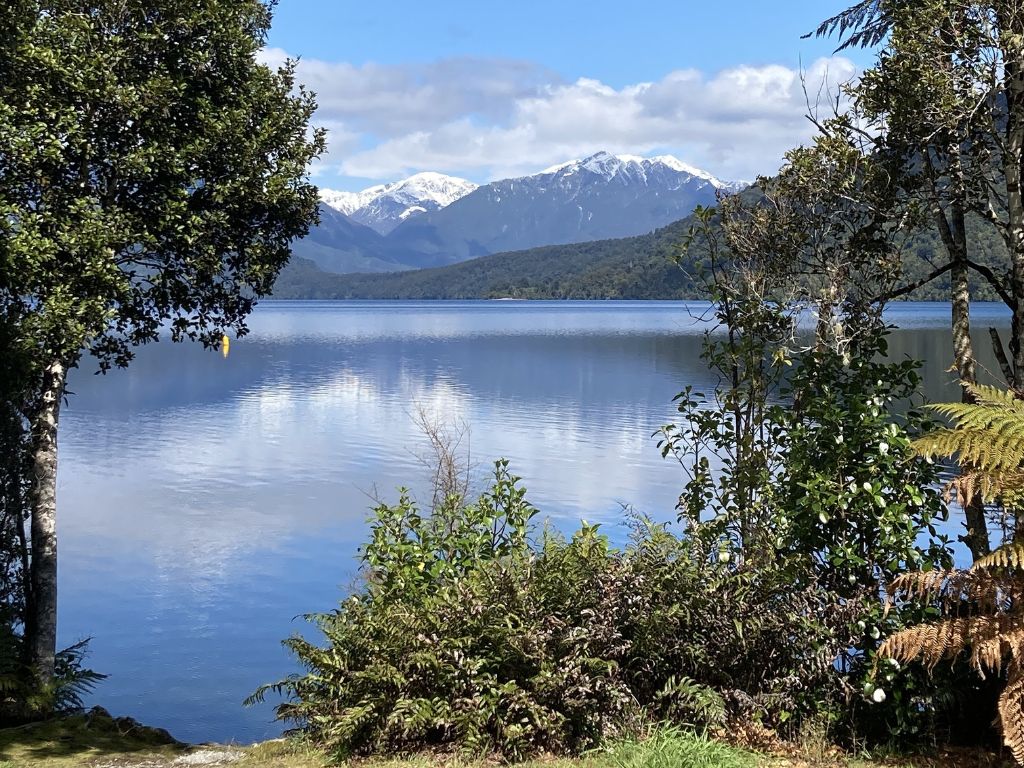
On the shores of Lake Kaniere on the West Coast of the South Island, the community works together to protect native wildlife. Backyard trapping is growing, and families sponsor traps on public conservation land, including two islands in the lake.
Instead of each household managing its own trap, Birds for Life runs monthly trap-checking days where up to 30 residents get together to walk street by street, check and service the traps together, followed by morning tea. With funding, the group can expand into the Hans Bay settlement, reducing predator numbers to benefit kea and long-tailed bats in the area.
Canterbury
Predator Free Kainga
Despite being surrounded by rich habitats, the Waimakariri River, Brooklands Lagoon, Styx River, Otukaikino Creek, and birdlife in Kainga, north of Christchurch, remains limited. Pīwakwaka (fantail) and korimako (bellbird) are seen in low numbers, while tūī and kererū are seen in other areas with trapping groups, but no sightings in Kainga. Determined to change this, Predator Free Kainga is keen to bolster its existing traps and engage more backyards.