
Stoat detections dropped by more than 95% in Fiordland trials using a new toxic sausage bait, raising hopes for controlling stoats in remote places where traditional tools struggle.
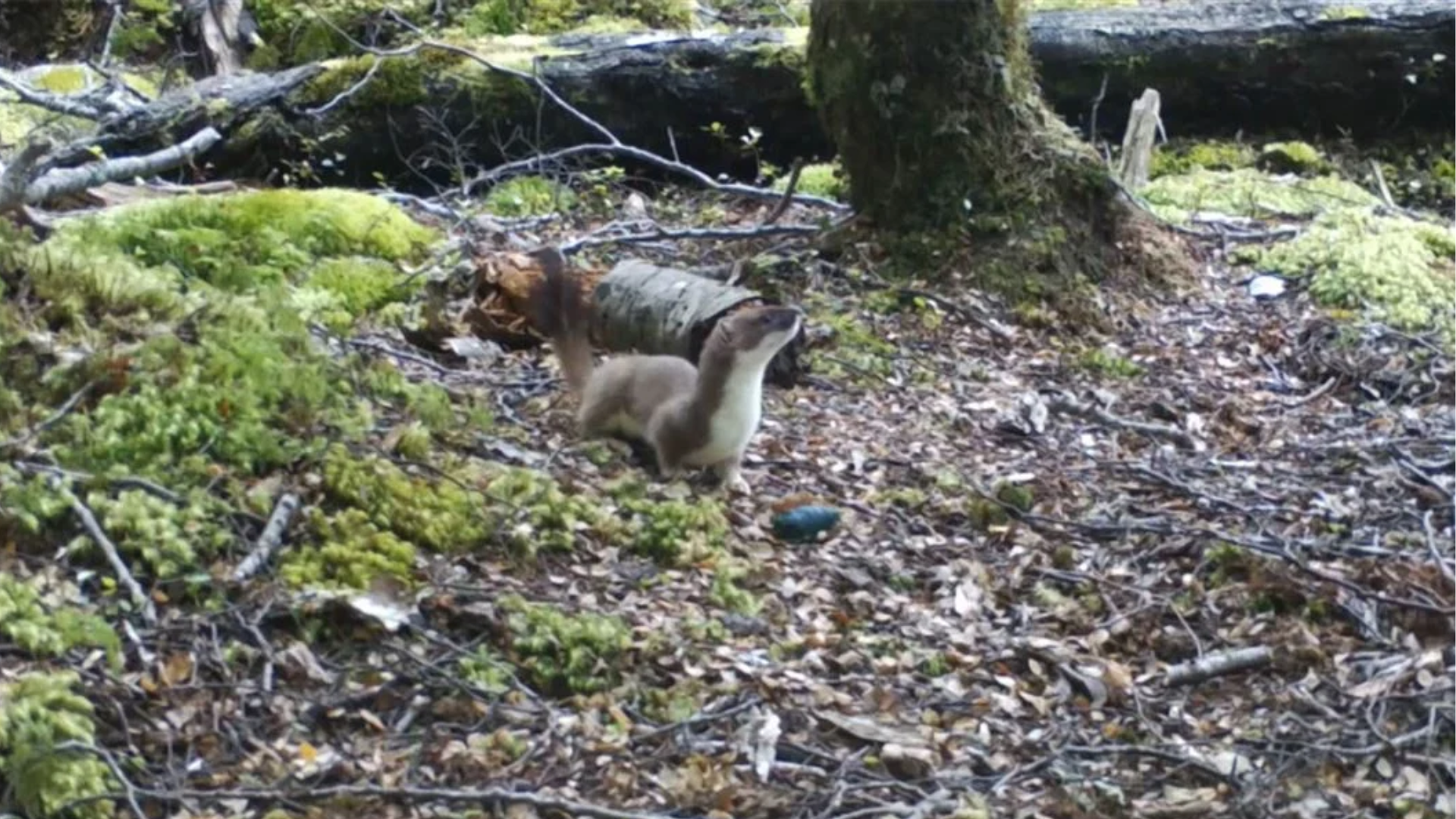
The bait, developed by the Department of Conservation (DOC) and pest control company Connovation, contains the toxin PAPP (para-aminopropiophenone), which stoats are especially sensitive to.
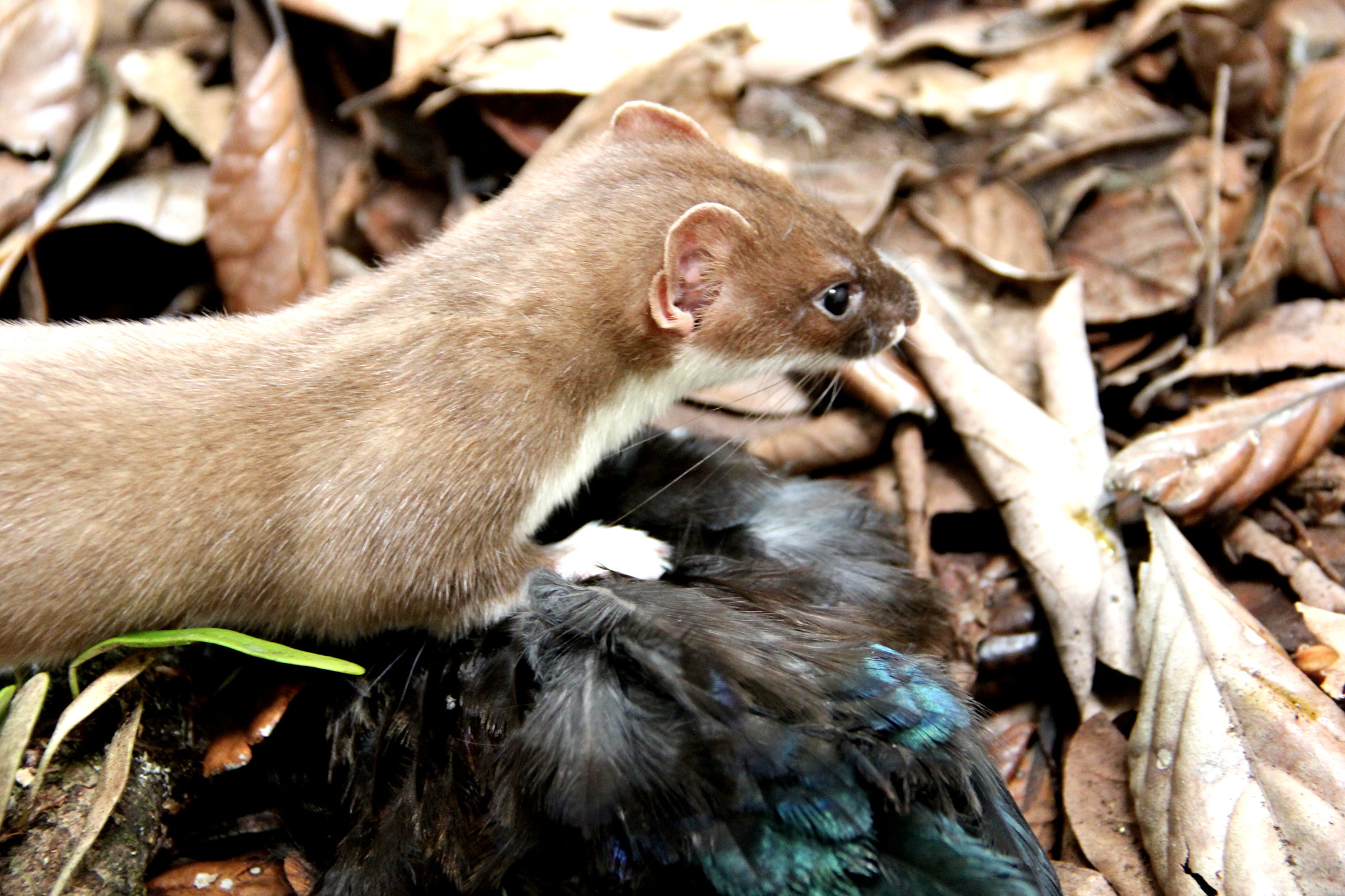
Stoats are predators of native wildlife and the leading cause of kiwi decline. Controlling them at scale has long been one of conservation’s toughest challenges.
DOC scientists say the bait could help fill a major gap in predator control tools. Much of our current stoat control relies on extensive trapping networks or aerial 1080 operations, in which stoats are indirectly poisoned after eating rodents that have consumed toxic bait. This approach only works well when rodent numbers are high.
“Over the past three years, we’ve carried out two hand-laid trials and two aerial trials using PAPP sausage baits in the Borland Valley in Fiordland National Park, which regularly has high stoat numbers but few rats,” says DOC principal science advisor Elaine Murphy.
“All the trials were very successful. Stoat detection was reduced by more than 95 per cent in the treatment areas following the hand-laid bait application, and no stoats were detected in the treatment areas after the two aerial trials,” she says.
Nine years of development
The PAPP ready-made sausage bait has taken nearly a decade to develop, including early trials to see if stoats would even go for ready-made sausages, as they generally prefer to hunt fresh meat. Non-toxic sausage trials showed they would.
PAPP was registered for use in New Zealand in 2011; however, the paste had to be inserted into hand-made meatballs, which was difficult and messy. The new ready-made bait is rabbit-minced meat sausage with small PAPP granules mixed in.
The recent PAPP field trials in Fiordland involved hand-laying sausage baits over about 1,000 hectares of forest. Stoats were introduced to a non-toxic sausage before two rounds of toxic PAPP sausages were laid a week apart.
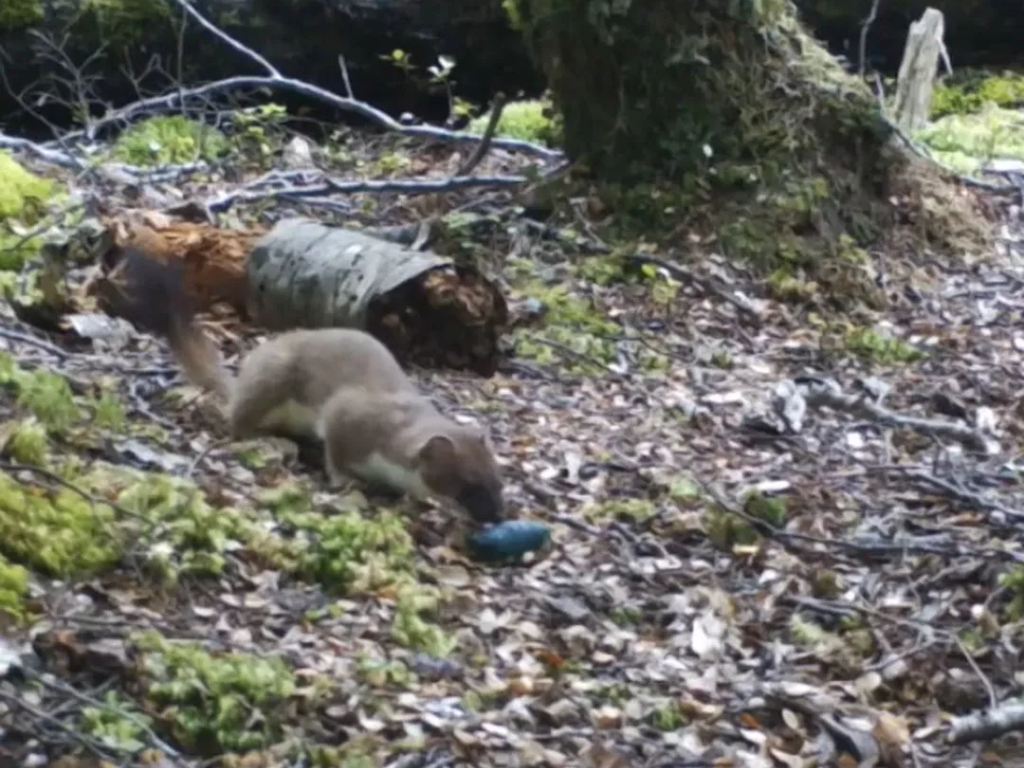
Later aerial trials covered 2,000 and 4,800 hectares using one non-toxic prefeed followed by a single application of PAPP bait. Aerial delivery allows stoat control in hard-to-access areas and is cheaper.
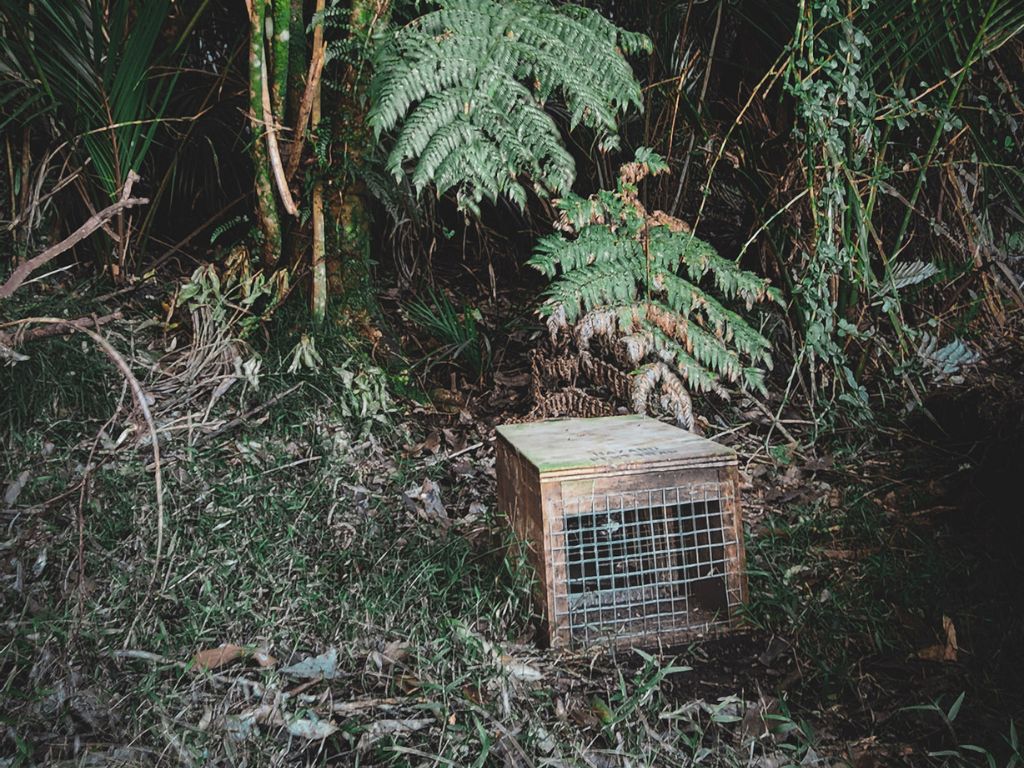
Stoats were monitored before and after the operations and in non-treatment areas using trail cameras and tracking tunnels.
The results were significant because relatively low bait densities were used: one bait per 4-8 hectares in the hand-laid trials and one bait per hectare in the aerial trials.
Risk to other animals
DOC considers the potential risk to native birds from PAPP baits to be very limited because of the very low application rates in the environment and the general low susceptibility of native birds.
“Non-lethal testing of PAPP to assess risk for native birds has shown a range of responses. Kea and black-backed gulls are highly tolerant, while pūkeko and takahē are more susceptible, although they wouldn’t be affected if they ate a single bait. Kiwi and weka are potentially more sensitive, but kiwi have shown no interest in the meat baits in trials to date. A further trial with weka is planned to gauge their susceptibility to PAPP sausage baits.”
In Australia, PAPP is used to control feral cats, foxes and wild dogs.
PAPP works by reducing the amount of oxygen in the blood, causing animals to lose consciousness and die due to a lack of oxygen to the brain and heart, typically within two hours.
What’s next
DOC plans to apply to register the PAPP sausage bait for stoats with the Environmental Protection Authority and the Ministry for Primary Industries once research is complete later this year.
New tools are needed to target stoats in environments where there are few rodents, and when they invade pest free islands, says Elaine.
“It’s taken many years to develop and test this sausage bait, but it’s now showing great promise. New tools like this are key to achieving Predator Free 2050 and supporting native wildlife to thrive.”
Another sausage bait containing small amounts of the toxin 1080 (sodium fluoroacetate), which has been extensively trialled over the past few years, targeting feral cats, mustelids and hedgehogs, is expected to be submitted for approval.
DOC is also planning field trials with a higher dose PAPP sausage bait for feral cats and ferrets after earlier trials showed promise.