
Other articles tagged with Techniques and technologies

Expert reaction: what does lifting the ‘ban’ on genetic modification mean for predator free?
The government plans to overhaul regulations on genetically modified organisms outside labs. What does this mean for the predator free movement?
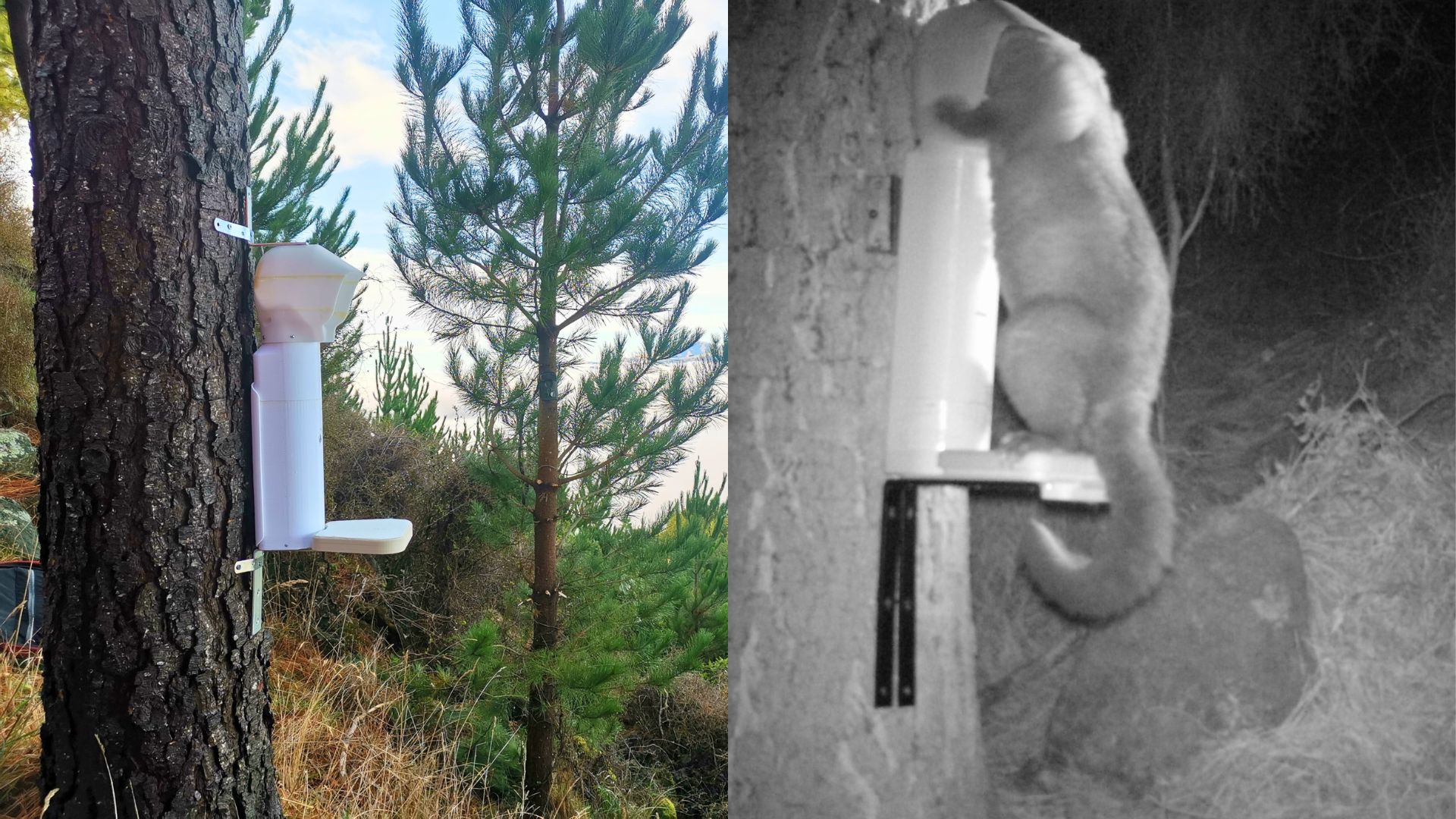
The Spitfire: outsmarting possums with their own habits
Envico Technologies’ new device, the Spitfire, is a clever twist on nature, turning predator habits into their undoing.
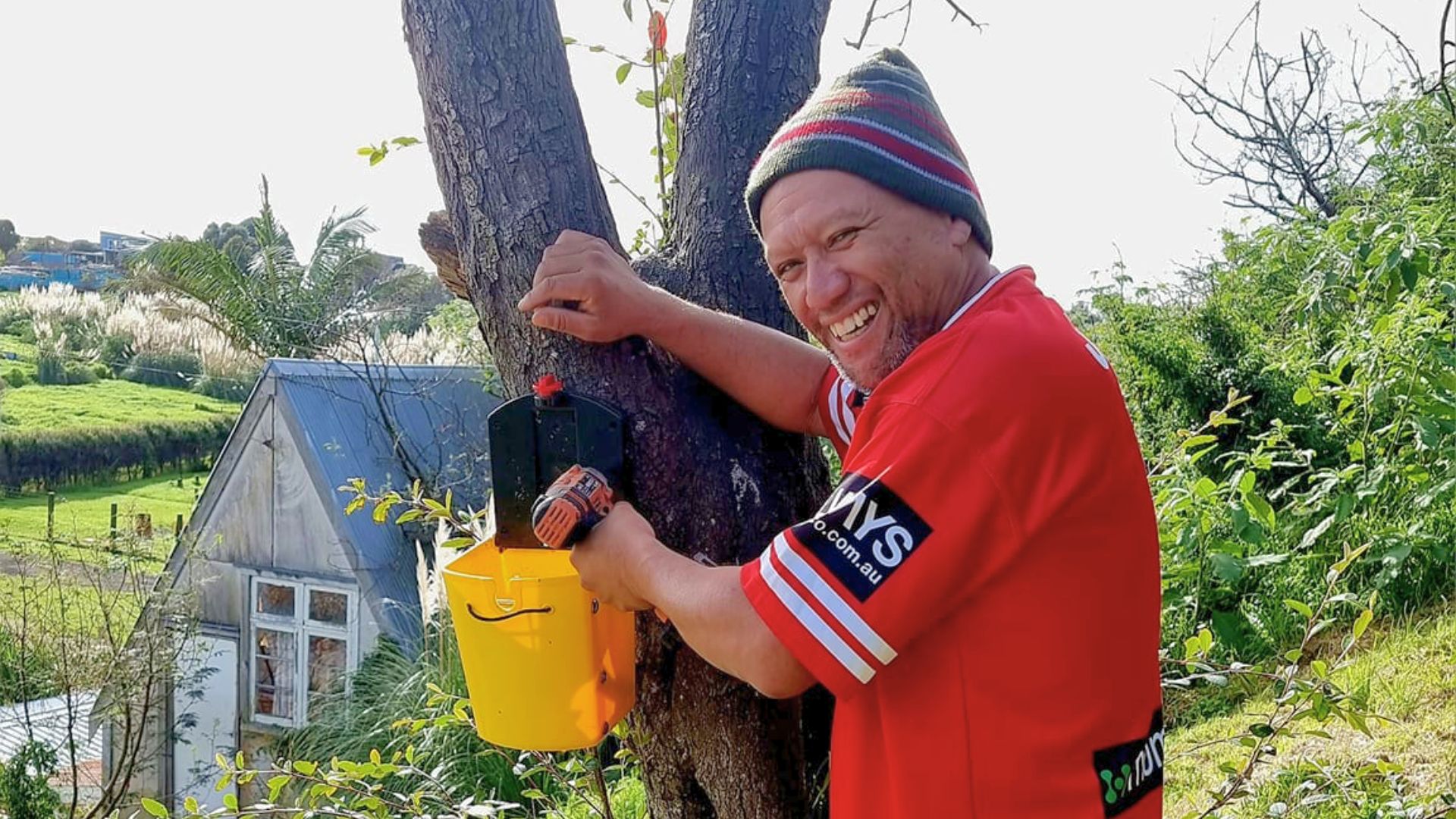
Saving nature, stress relief, sausie sizzle: what keeps volunteers committed?
Conservation thrives on volunteers; in fact, many efforts in Aotearoa couldn’t survive without them. So, what magic recipe that keeps them coming back?
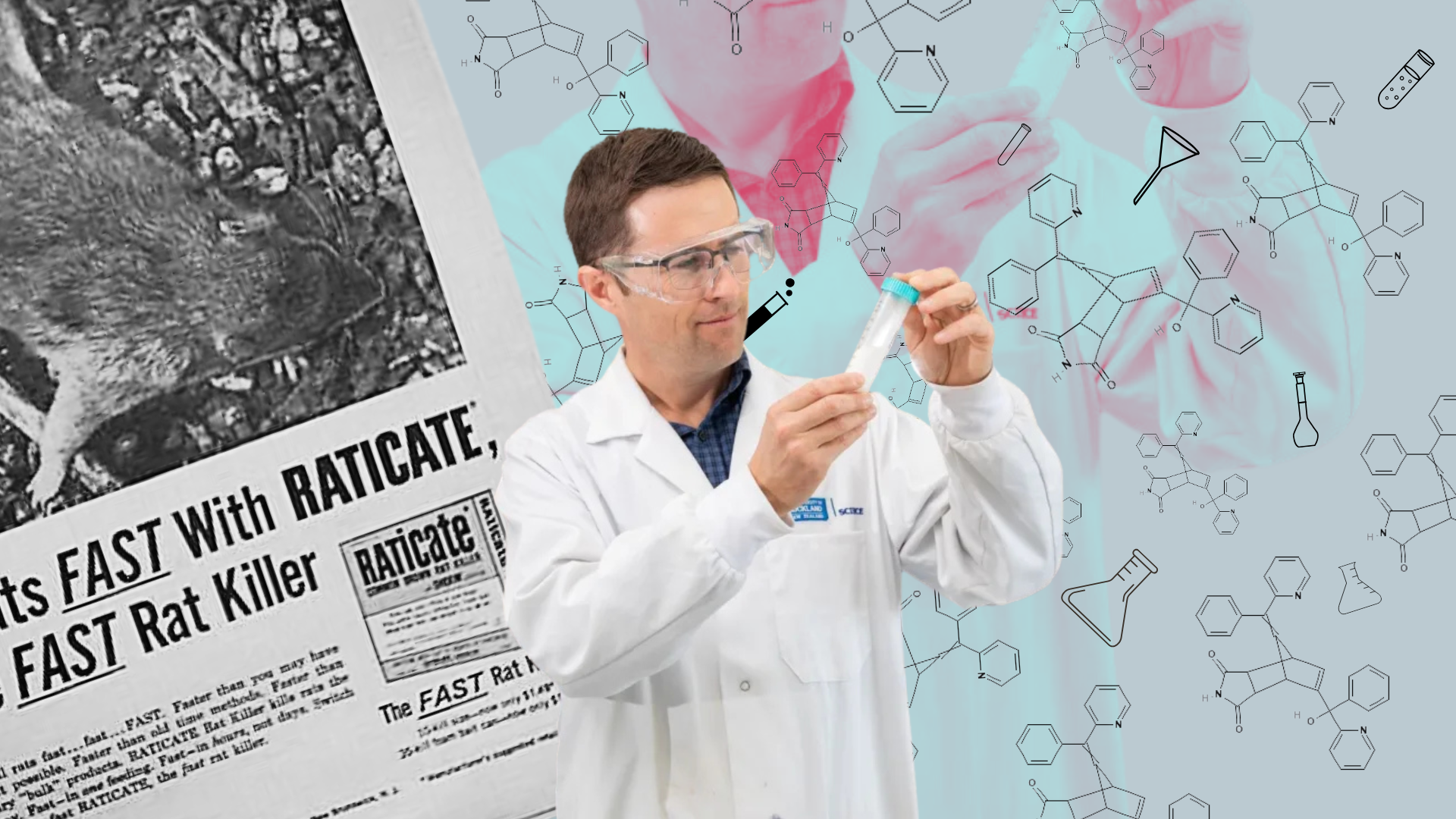
World first: revival of the rat-specific toxin
A breakthrough is coming - a rat-specific toxin that leaves birds, pets, and livestock unharmed. We spoke with Dr Lee Shapiro about norbormide.
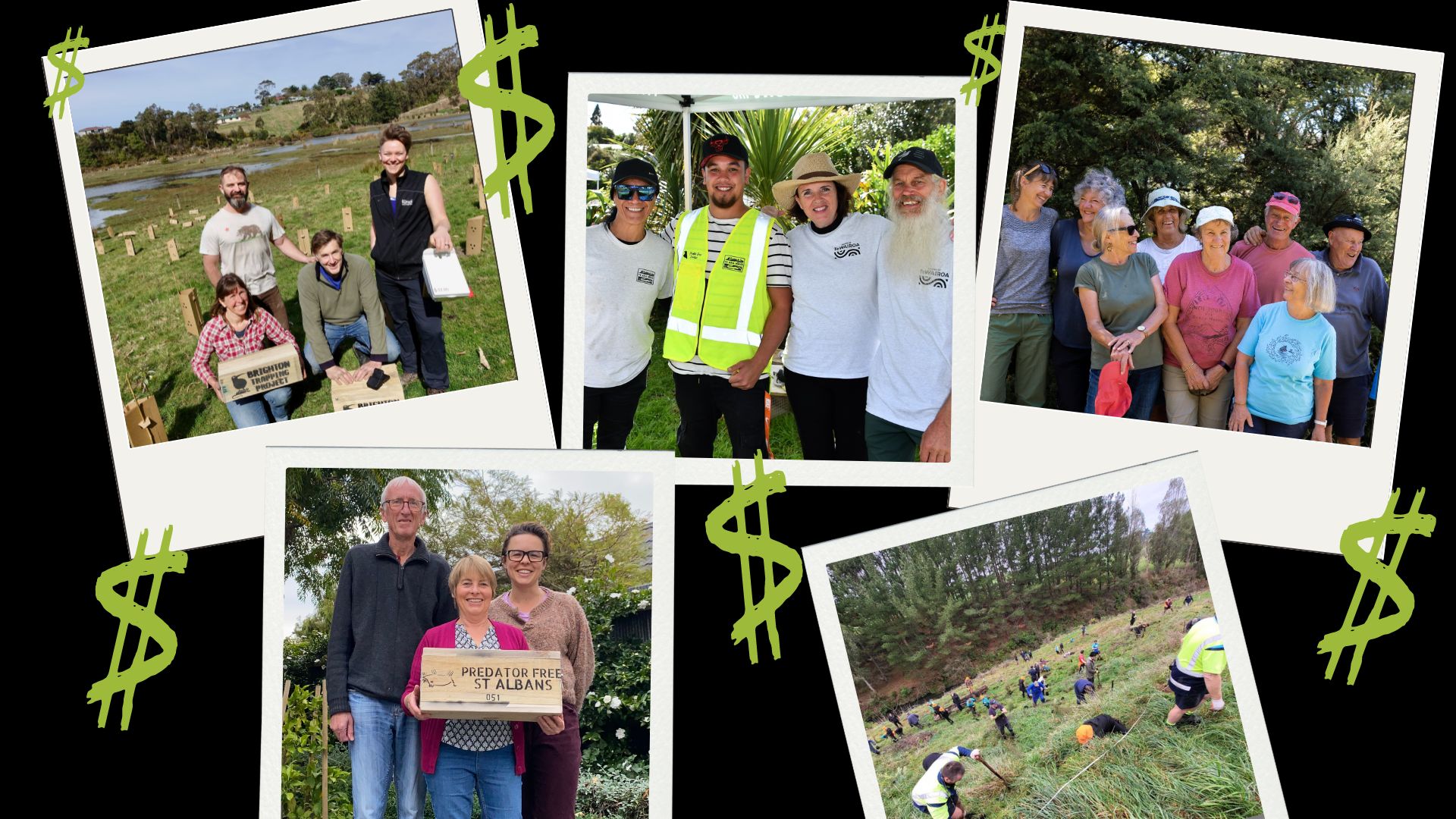
Show me the money: a closer look at community conservation
A new report reveals the extent of the problems with community conservation funding and provides a to-do list for fixing them.

Win-win: farming can help nature thrive and vice versa
Many farmers are already tapping into innovative resources, actively sowing the seeds of positive change for on-farm biodiversity.

Three chicks dead: teamwork catches Muriwai ferret
A ferret sniffing around petrel burrows and gannet colony on the west coast of Auckland ignited a race against time to protect the seabirds.
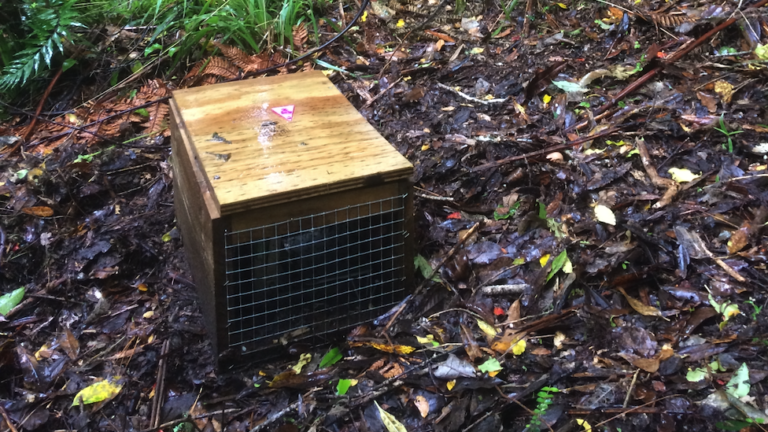
Predator control: there’s no one tool to rule them all
An intricate web of ecological, technological, and logistical challenges makes it clear that a diverse range of tools and skills is required.
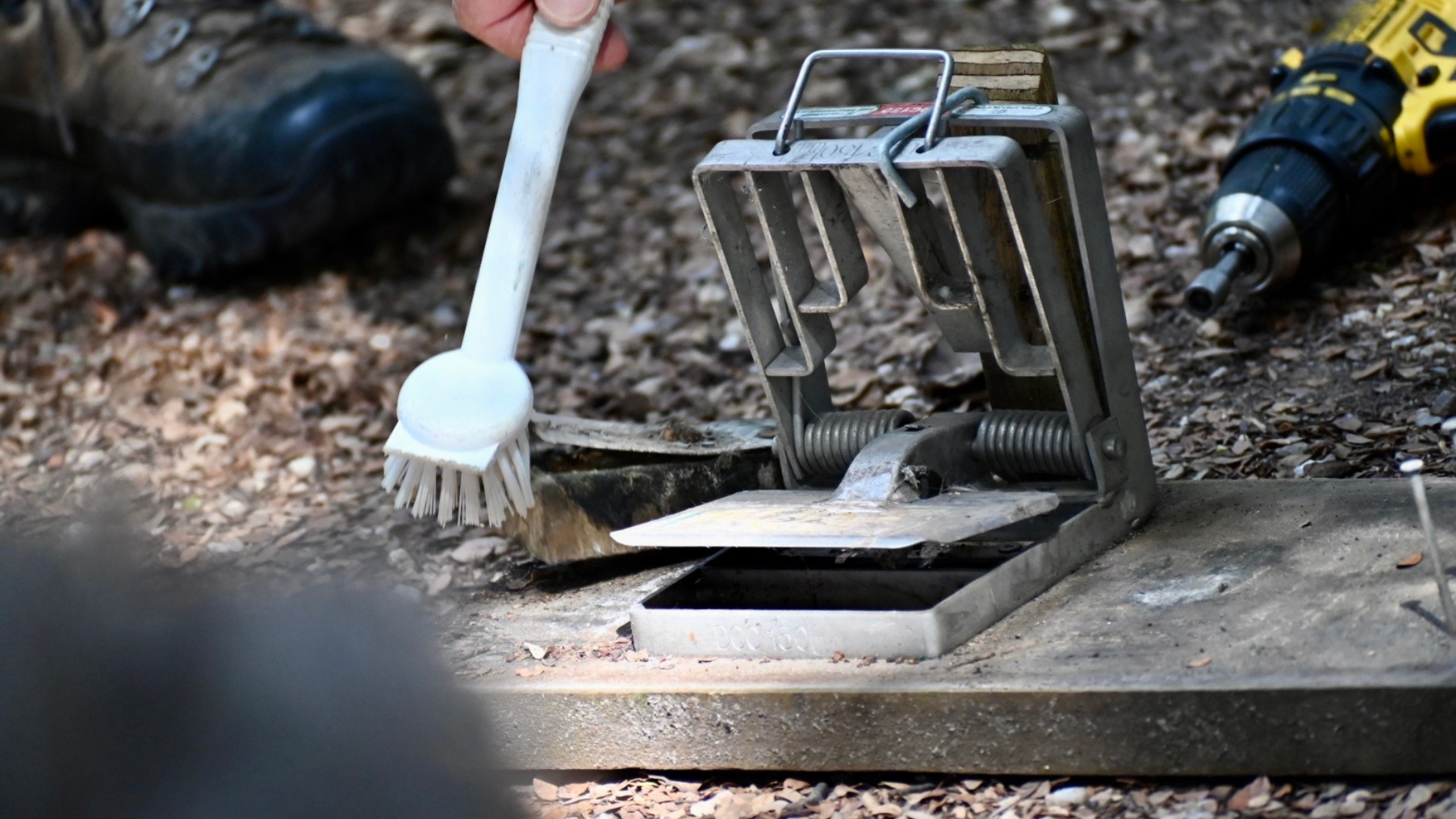
5 ways to give your trap some TLC
Traps can get grungy and lose effectiveness if we don't give them attention. So, here is five ways to look after your trap and keep it catching!
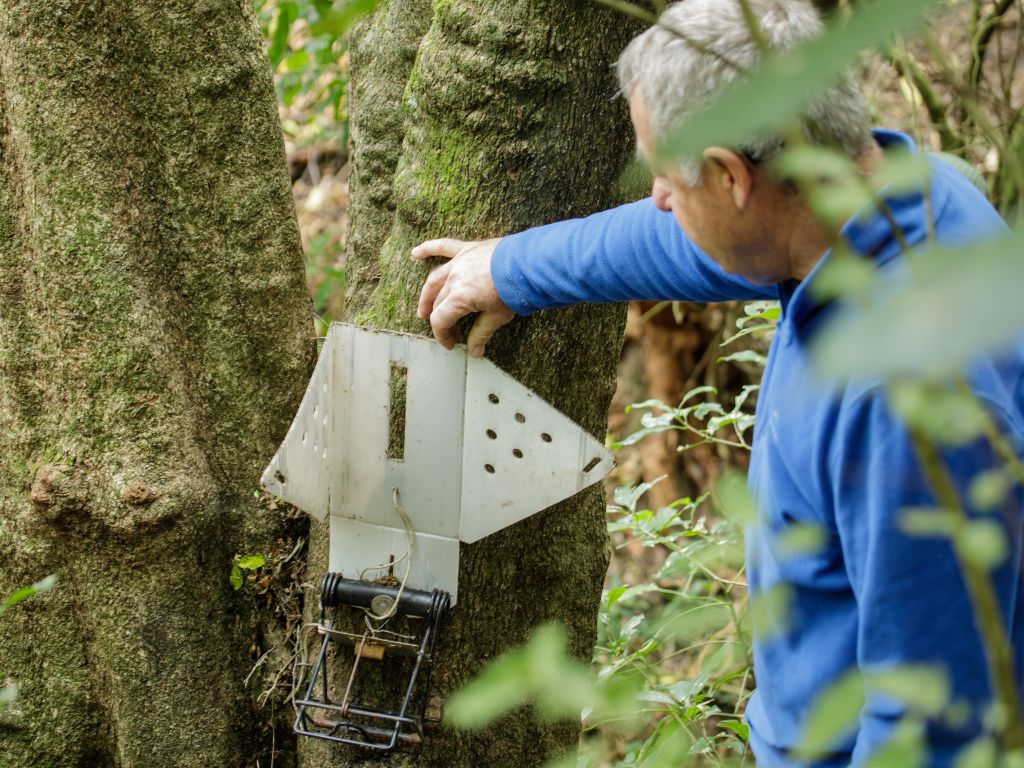
Troubleshooting tips: what to do if your possum trap isn’t catching any possums
So, you've set your possum trap, hoping to make a dent in the possum population… but your trap remains untouched. Time to try our troubleshooting tips.
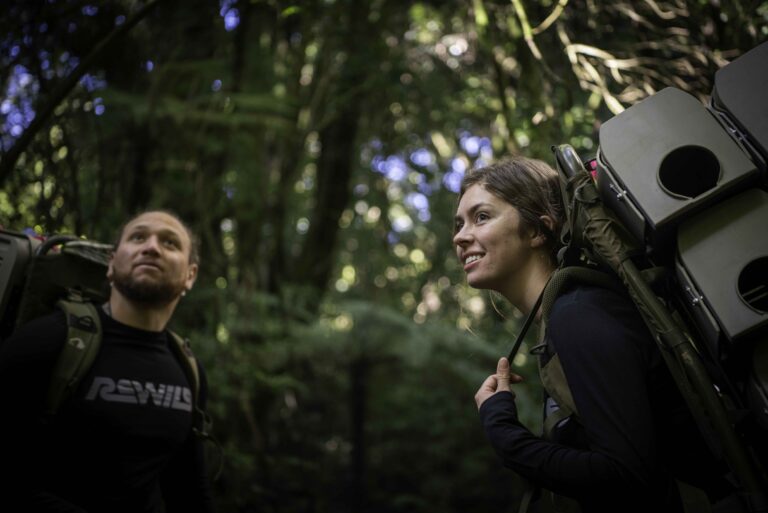
Dropping the F-Bomb: the latest new trap tech
Meet the F-Bomb: the latest predator trap invention. Lightweight, simple and easy to use, is it the key for the wider public to get into trapping?
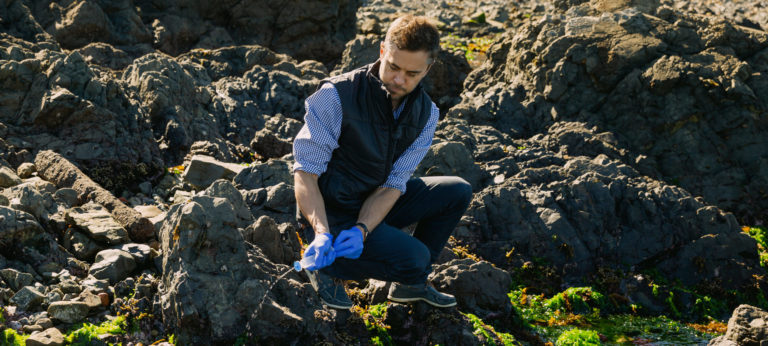
A cupful of water reveals native and pest species
Scientists are using genetic material sampled from waterways to discover rare species, indicate river health and solve environmental mysteries.
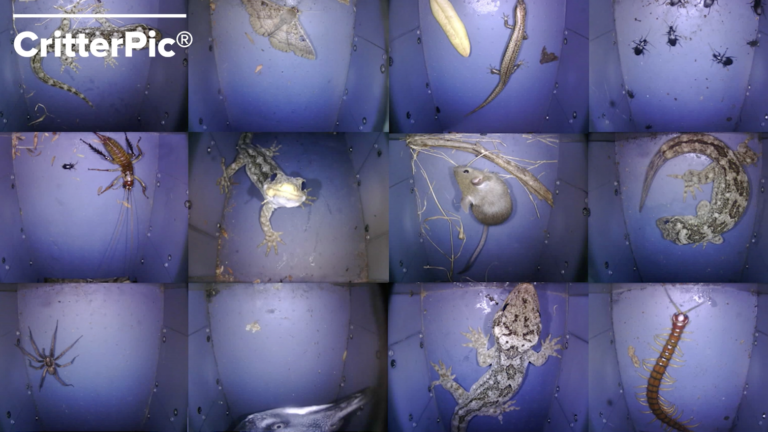
High-tech predator control solutions for today, not tomorrow
Photo-booths for lizards, long-lasting lures, and traps that can recognise what it’s caught - if you want high-tech solutions, talk to Critter Solutions.
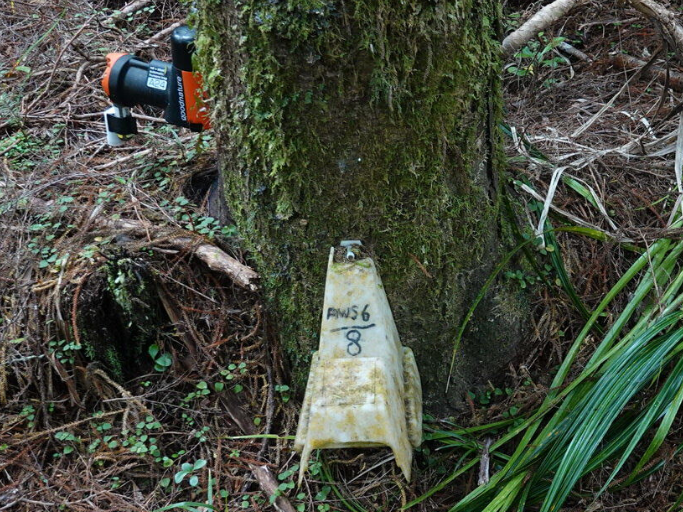
Quick ways to improve your bait stations
Tamper-proof bait stations help you keep introduced predators under control and limit the amount of toxin that gets out into the environment.
Get the most out of your DOC 200 trap
Over the last couple decades, DOC200s have been put to the test up and down the country in harsh, rugged conditions.