What do you do when saving nature burns you out? On the West Coast, three groups found the answer in partnership. There, protecting nature is becoming a growth industry, creating jobs, supporting education, and protecting taonga species.
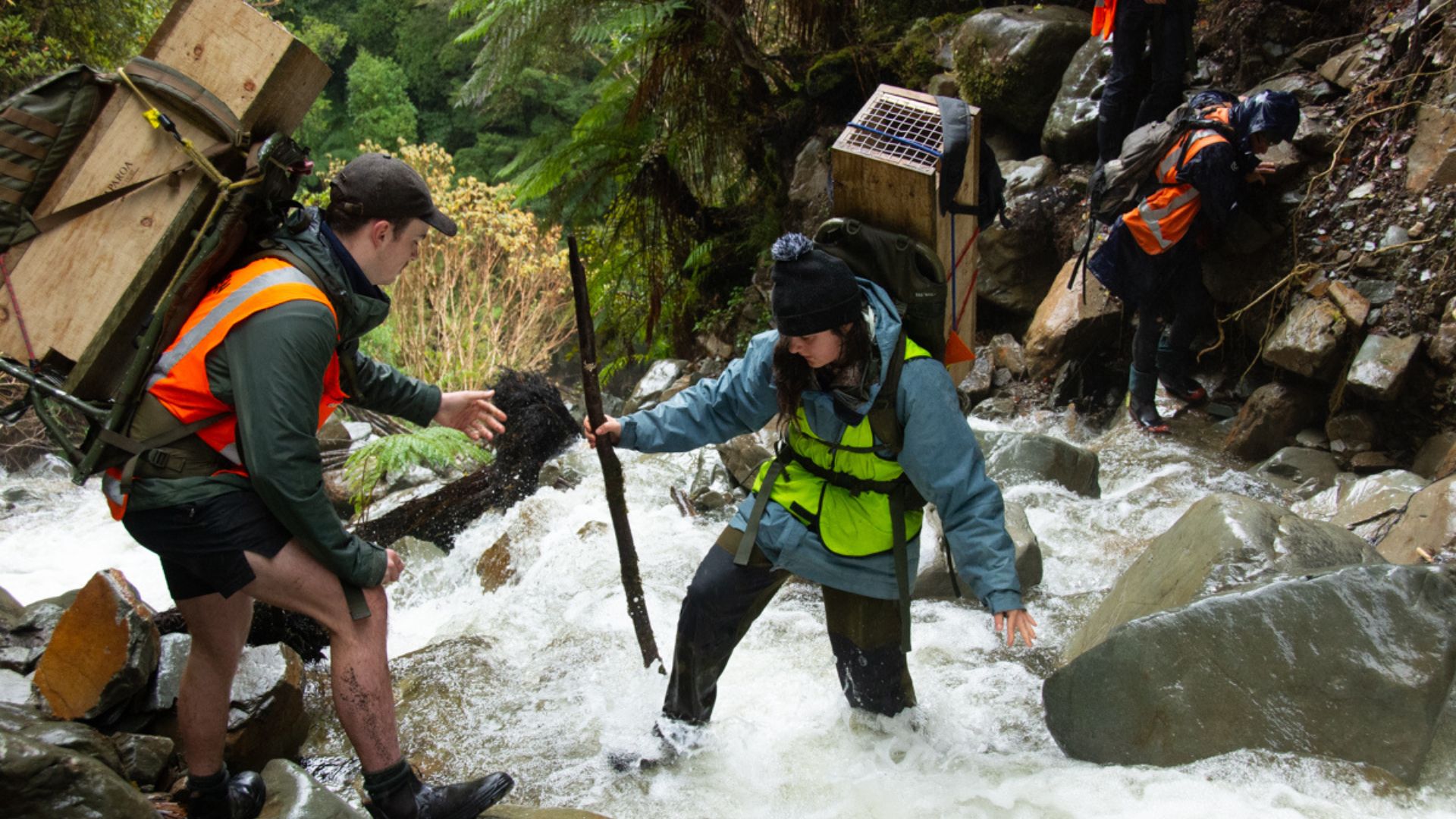
Working independently, vying for the same pool of funding, and feeling stretched too thin is a familiar story for many conservation projects across the country.
For years, Leon Dalziel was a one-man band, pouring his heart into trapping stoats, rats, possums and feral goats in the rugged hills of Motukiekie, a picturesque area halfway between Greymouth and Punakaiki. But the endless work, funding applications, and rising costs took their toll.
Nearly ready to walk away, help arrived just in time.
The antidote for burnout
The West Coast Predator Control Partnership brought together three groups — the Motukiekie Wilderness Trust, Paparoa Wildlife Trust, and Rainy Creek Ecological Restoration Project — to share costs, resources, and skills.
Each trust had been working separately to protect species such as kiwi and pekapeka (long-tailed bats); however, together they have found a more effective and sustainable way forward.
With backing from Development West Coast’s Nature Economy Project (more about that later), they built a model that allows them to hire paid rangers, share the workload, and plan for the long term.
The results speak for themselves: after one year, the partnership has secured over $291,000 in funding and employed 12 part-time contractors working across a combined area of 18,650 hectares on a scheduled rotation.
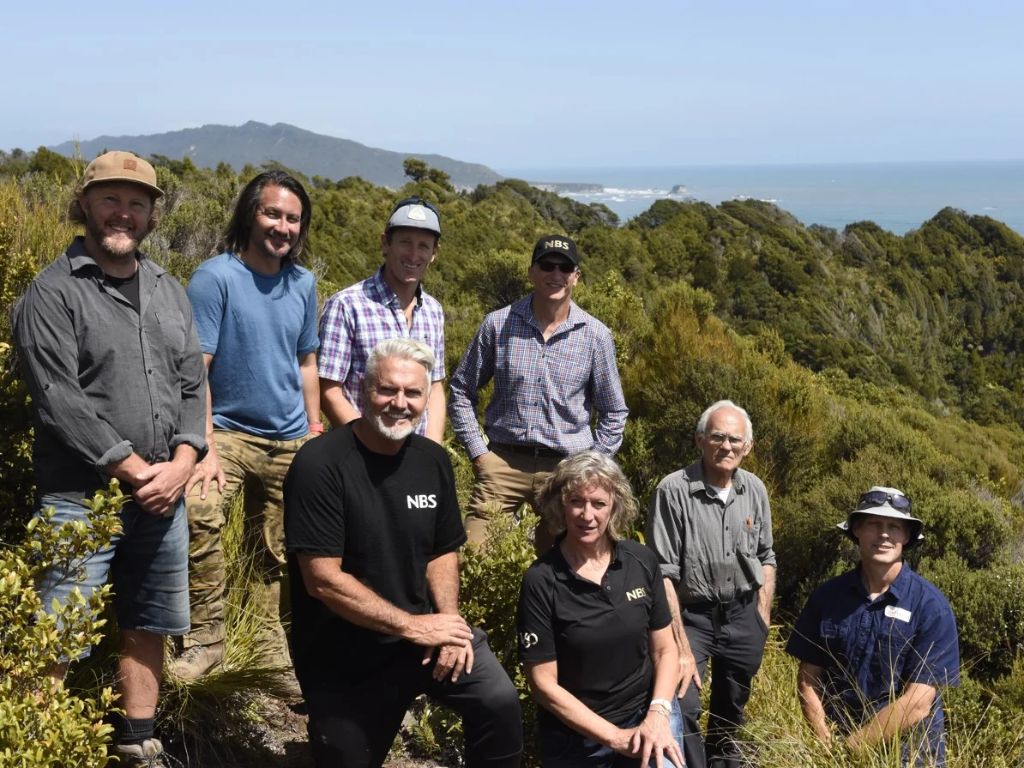
“Without the predator control partnership and our paid rangers, I would have paused or shut down my project due to burnout,” Leon says.
“The partnership gives us more clout and more of a unique proposition for funders.
“Now I can focus on the broader perspective of the project, including developing work plans, future goals, and nurturing relationships with partners.”
Proof on the riverbank
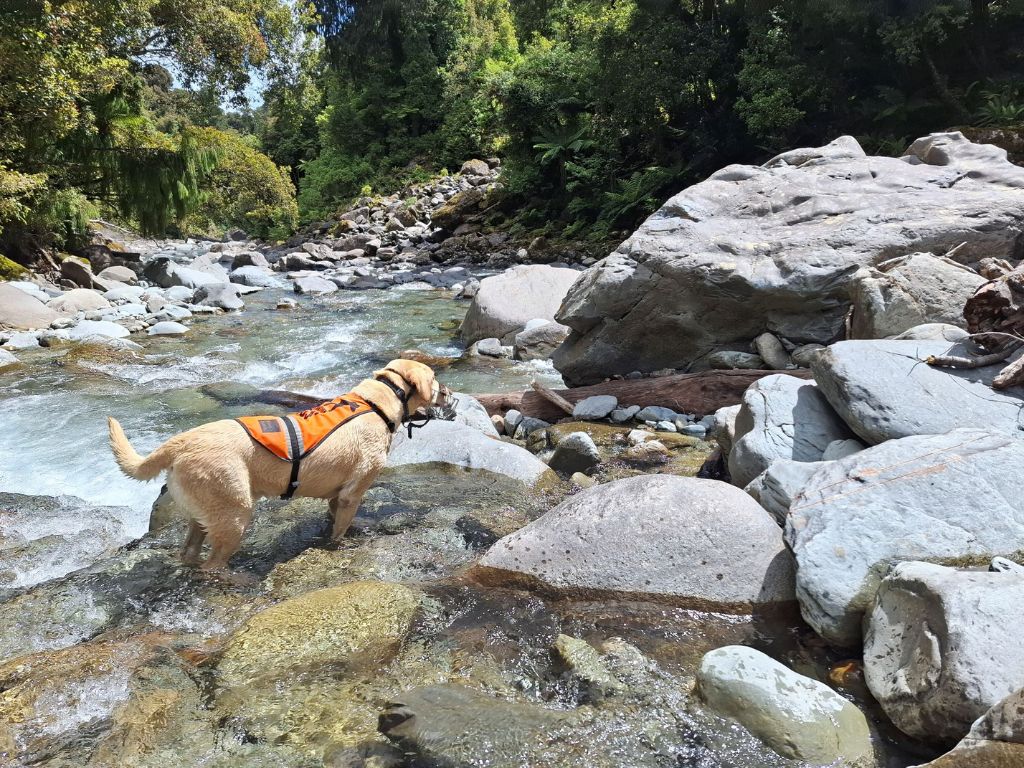
The partnership’s biggest win so far is the discovery of seven whio (blue duck) in the Motukiekie catchment.
The discovery, made by Paparoa Wildlife Trust Manager Glen Newton and his certified protected species detection dog Tui, marked the first confirmed sighting of whio in that area in decades.
“Confirming the presence of whio pairs within our combined trapping zone is a major breakthrough,” says Leon.
“It shows that our years of hard work restoring habitat and controlling predators are paying off. It’s incredibly motivating.”
A new kind of economy on the West Coast
“This collaboration proves what’s possible when environmental goals align with economic tools,” says Zak Shaw of Development West Coast.
The West Coast’s economy is reliant on mining, dairying, and tourism. The Nature Economy project seeks to diversify the economy through conservation, environmental restoration, and protection of native biodiversity.
“The Nature Economy Project isn’t just about conservation; it’s about unlocking value for communities, landowners, and future-focused industries across the Coast,” says Zak.
Future-focused means growing a new generation of nature-based careers: that’s where a partnership with Tai Poutini Polytechnic comes in. It provides hands-on training and employment pathways for outdoor education students.
Team member Zane Smith said the project offered opportunities for young Coasters.
“We’ve managed to not only reduce burnout but actually grow the team. We now have both paid and volunteer roles for young outdoor and environmental professionals, many of whom have been trained here on the Coast and are looking to build their careers in conservation.”
The partnership was funded by the Lottery Environment and Heritage Fund, World Wildlife Fund, the Department of Conservation’s Community Fund, and local banking services provider NBS.