
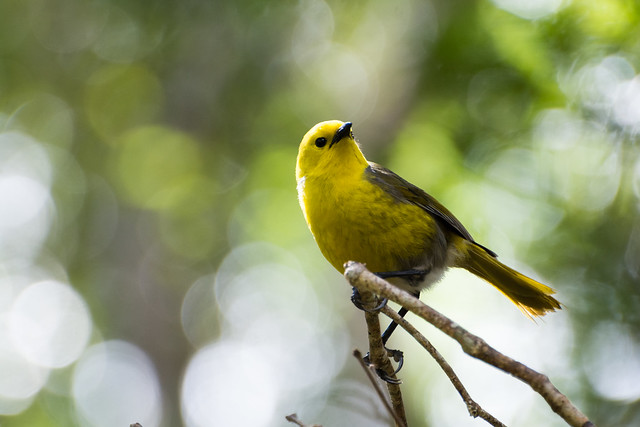
Mohua facts
The mohua, or yellowhead, is a small bird with a bright yellow head and breast. Early settlers called it the ‘bush canary’ because of its colour and..
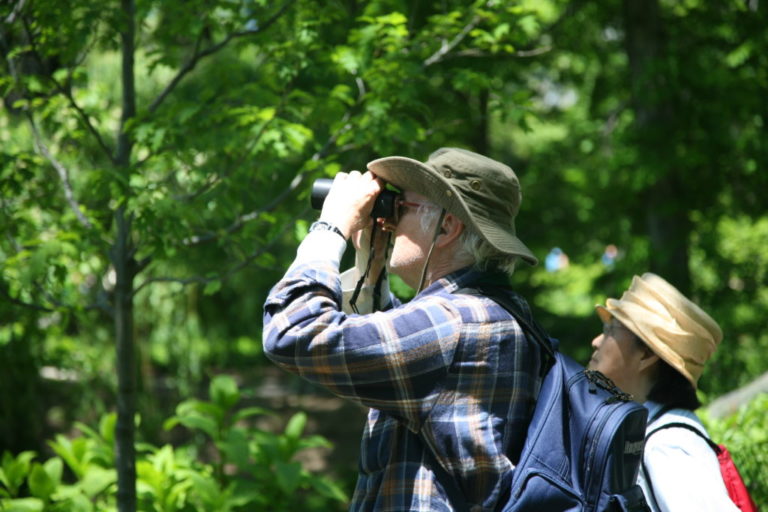
Monitoring matters
Environmental monitoring is more than just a modern conservation buzzword. It’s an essential tool in determining whether all those volunteer hours put in by your community group is achieving positive, measurable change.
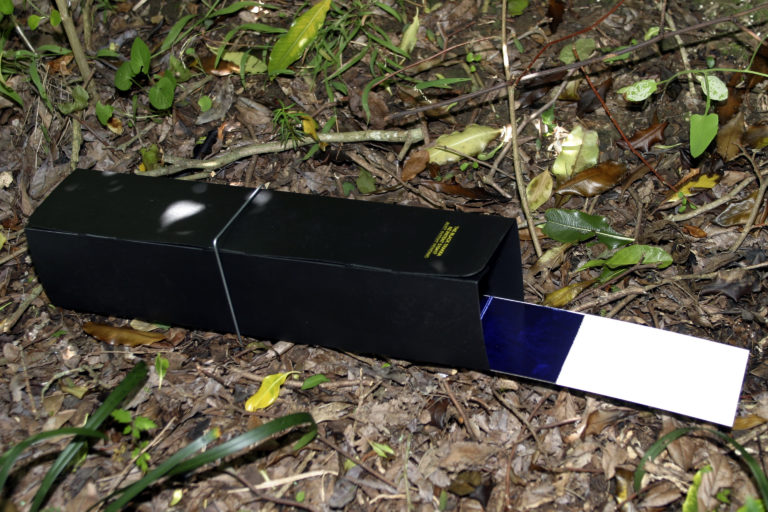
Kiwi inventor shares ways to read predator footprints
Warren Agnew can tell a lot from an inky footprint. A stoat track is easy to recognise because of the hairiness of the feet.
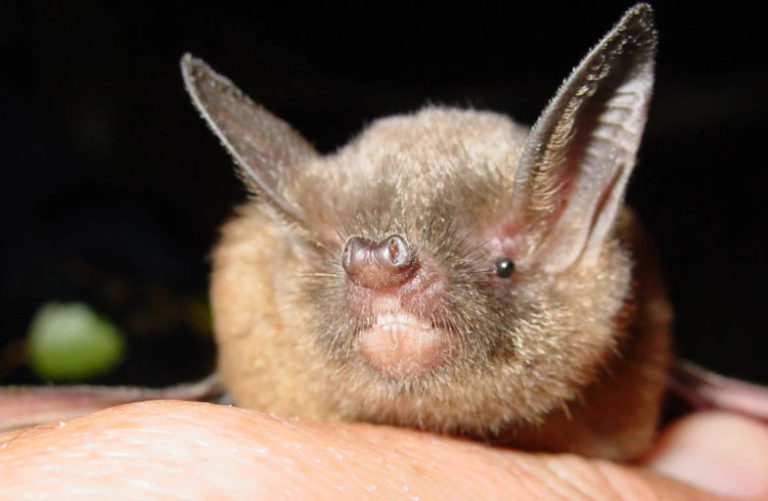
Genetic diversity and bats
Inbreeding and a loss of genetic diversity threaten many of our native species and will continue to endanger more species if their population numbers are allowed to decrease.
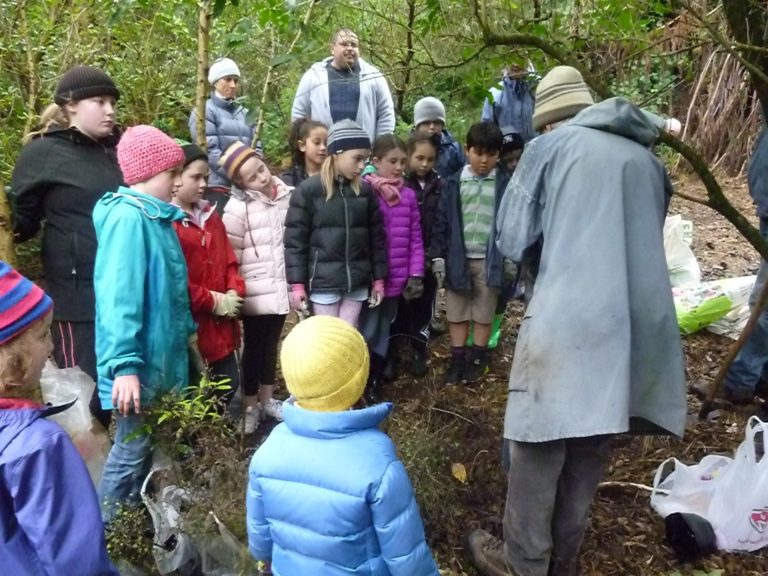
Trelissick Park Group cares for idyllic wilderness area
It may well be Wellington’s best kept secret – an urban wilderness area where nationally threatened fish species thrive in a meandering stream and where possums were eradicated over a decade ago.
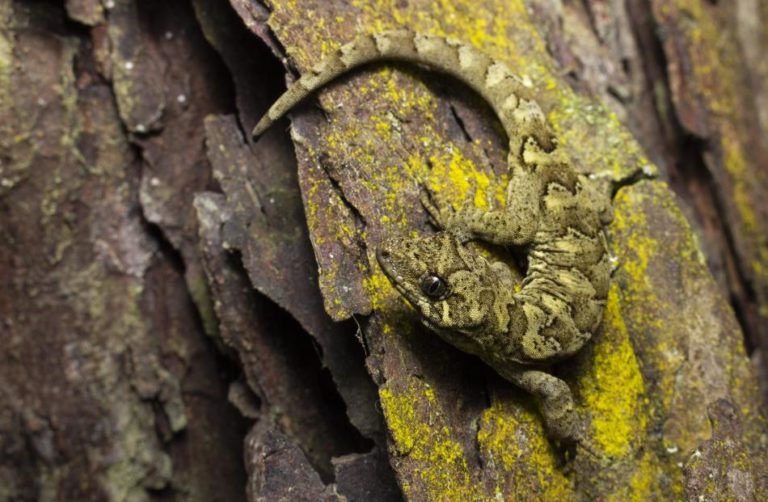
Skinks, geckos (and mice)
The detrimental effects of New Zealand’s larger mammal predators are very well documented. Everyone surely knows the devastation caused by rats, possums and stoats
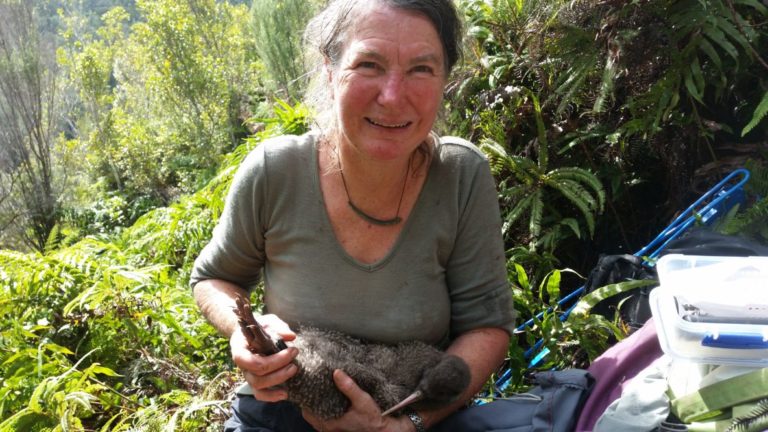
Kiwi Ranger keeps track of Great Spotted Kiwi
Jo Halley is sore – sore knees, sore feet and sore shoulders. She’s just back from several days of crawling through scrub in search of great spotted kiwi (roroa), then digging and crawling into muddy burrows to change the year-old batteries in their transmitters before they go flat.
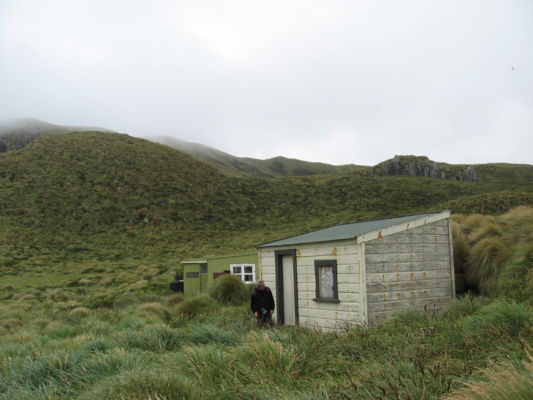
Antipodes and the impact of mice
For thousands of New Zealand’s sub-Antarctic mice, the next few weeks are the final countdown.
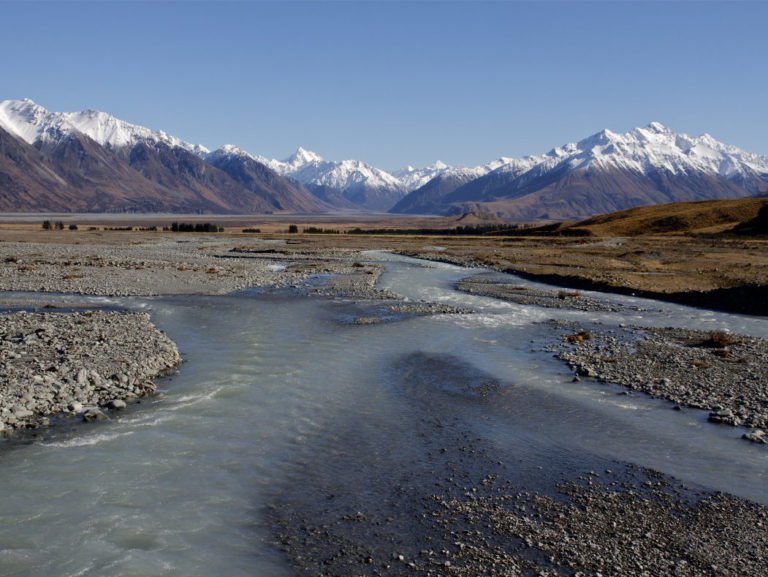
BRaid comes to aid of ancient rivers and rare birdlife
In between rainstorms and spring snow melts, the river flow reduced and islands of loose shingle formed, surrounded by a weaving network of shallow river channels.
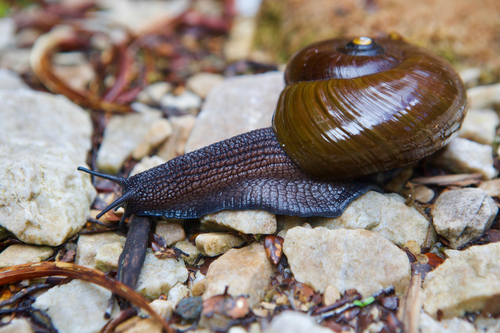
Invertebrates – looking after the little guys
We know New Zealand’s native birds aren’t thriving – but what about the little guys – the VERY little guys?
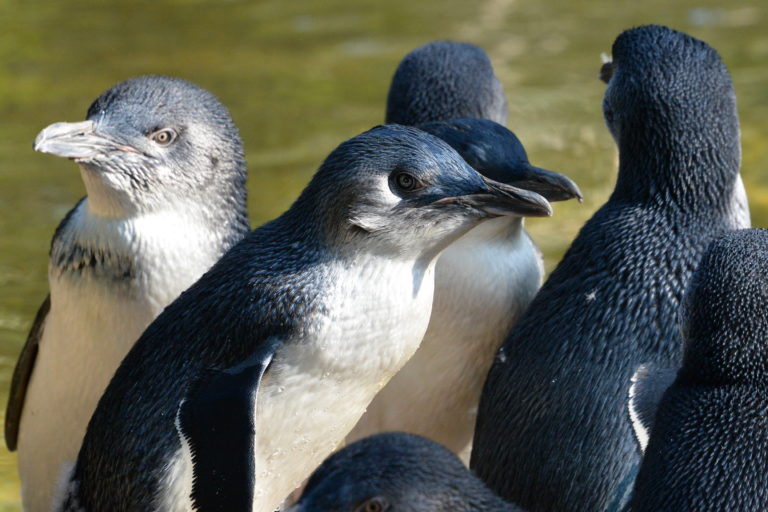
Making a Place for Penguins in the City
For a little penguin in the city, the urban adventure includes a few extra hazards not encountered by their country-coastline relatives.
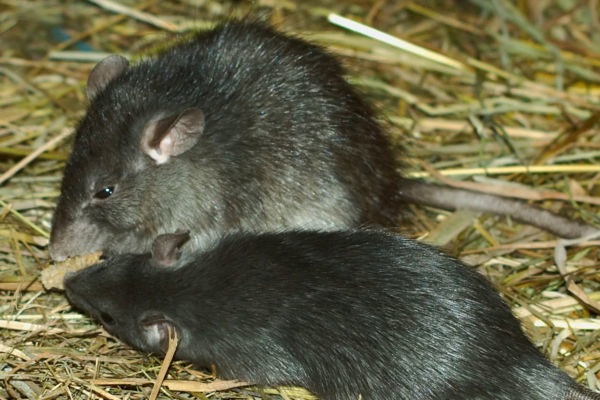
Rats as island invaders
Rats are, perhaps, the ultimate invader – with a little bit of help through the centuries from humans. Where-ever we go they go too, so that ship rats have ended up on some of the remotest of the world’s islands.
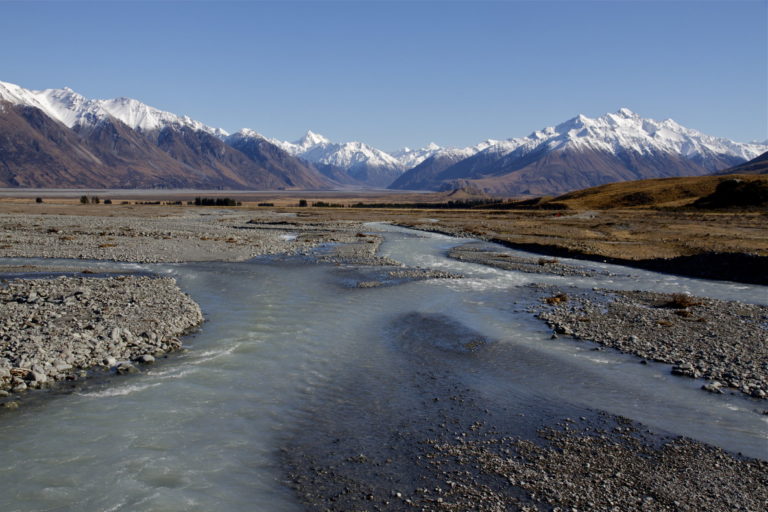
Braided rivers and predator monitoring
Braided river systems are rare throughout the world, but we have some superb examples in New Zealand, particularly in the Canterbury and Southland regions.
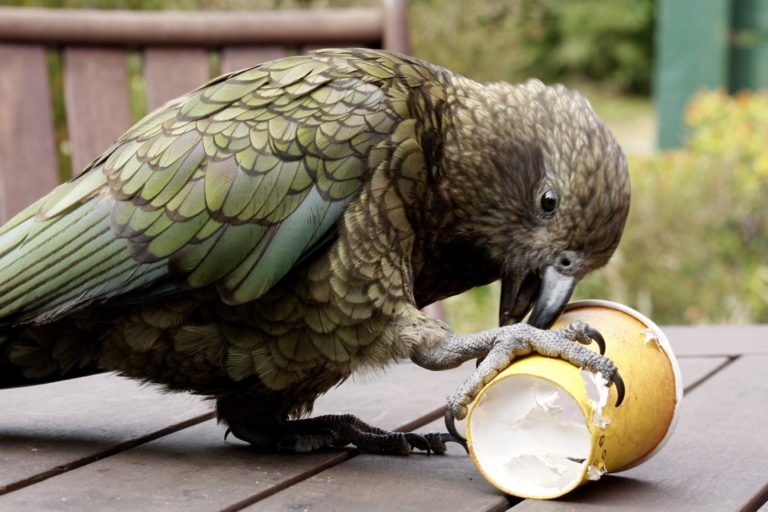
Conservation groups team up to help Mt Aspiring kea
When it comes to clever, New Zealand’s alpine parrots are up there with the smartest crows, African Grey Parrots and even monkeys.
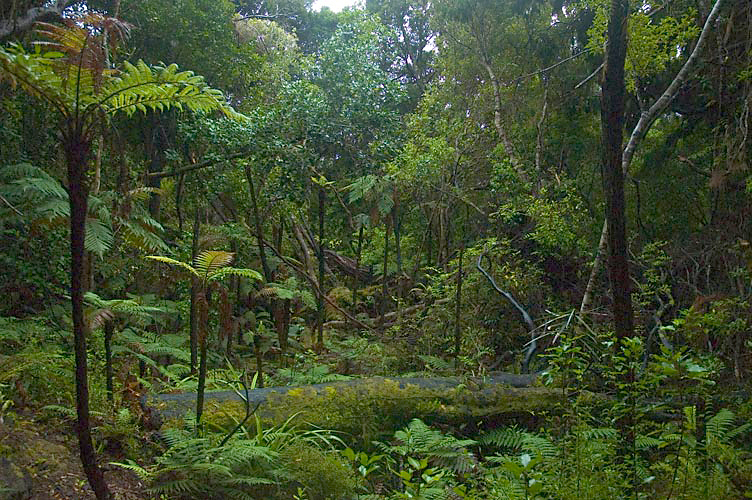
Bait residue issues
No-one wants to see the birds and other wildlife we’re trying to protect, killed or in any way harmed by the very methods we use to protect them from predators, either by consuming bait or being accidentally caught in traps.