
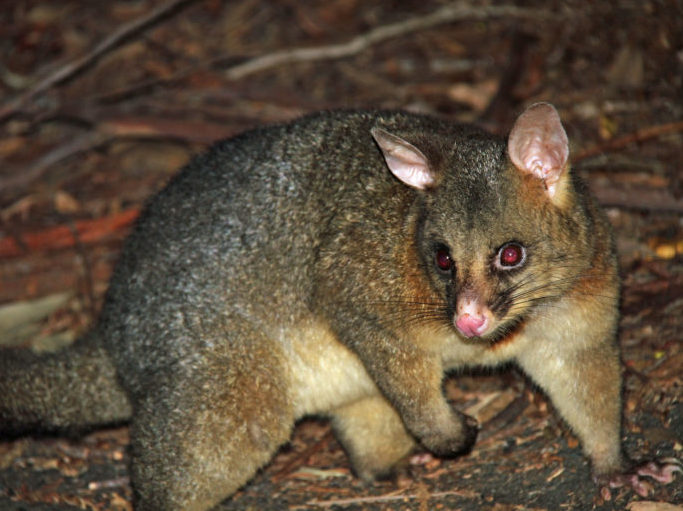
Possums and more possums – is a fur trade the answer?
Possums – those cute Aussie furballs are decimating New Zealand forests – so why don’t we just develop our fur industry and make money from the problem?
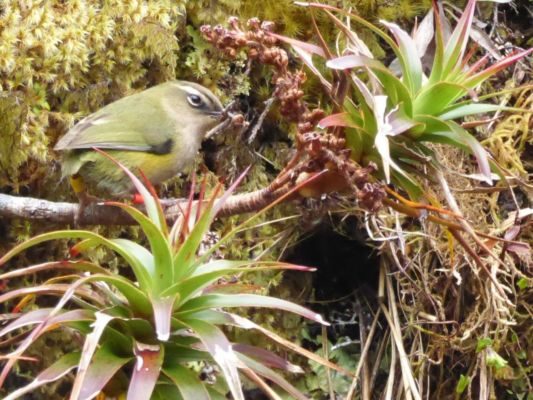
Wētā, wrens and other rare beasties
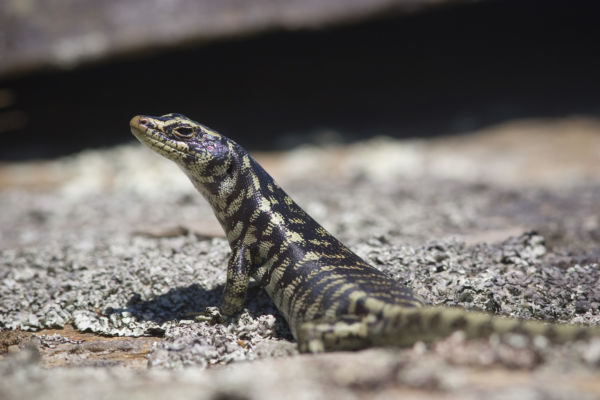
One of Colin O’Donnell’s main research interests is alpine fauna – rock wrens, wētā, other alpine invertebrates and hardy, rock-basking lizards who manage to survive above the bushline.
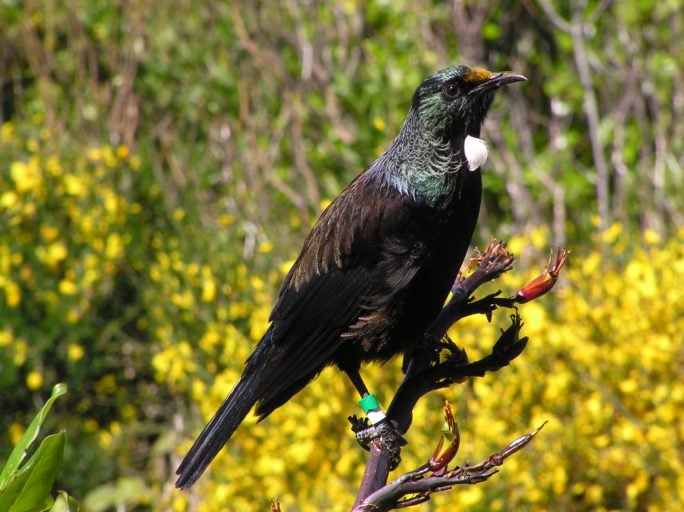
Research takes the long view on native species
Scientific research often involves painstaking, meticulous measurement, sometimes repeated over a period of years before the work is completed.
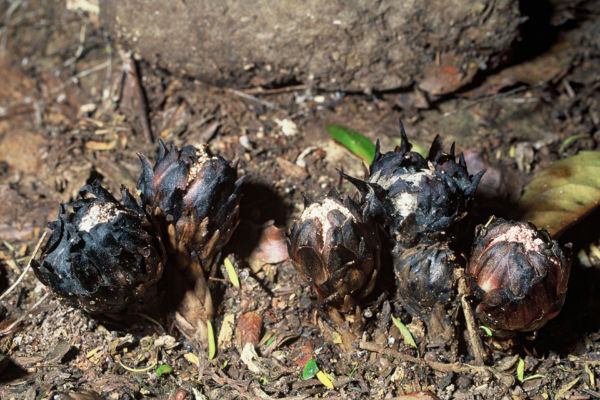
Batty behaviour intrigues scientists
Many of New Zealand’s native wildlife species are not only unique, they’re downright weird. Take our singing short-tailed bats for example.
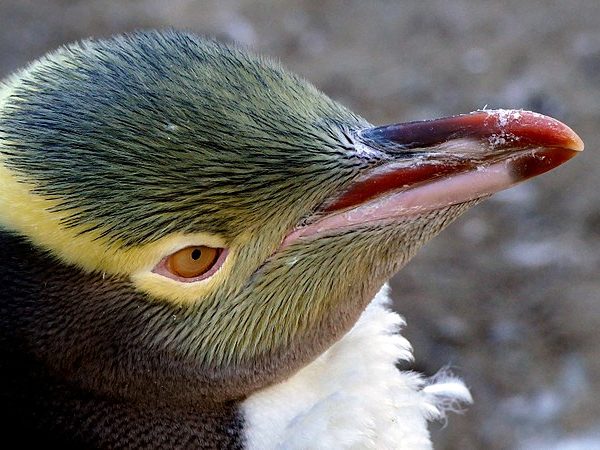
Phil Seddon – profiling predators in revealing detail
Professor Phil Seddon is Director of Otago University’s Postgraduate Wildlife Management Programme and has been involved in species restoration programmes around the world.
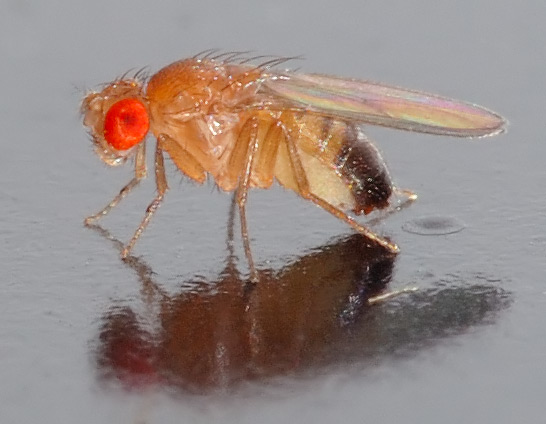
Trojan Possums – are they the next step?
It’s called the Trojan Female Technique and it’s involves a mutation in females that makes all their male offspring infertile.
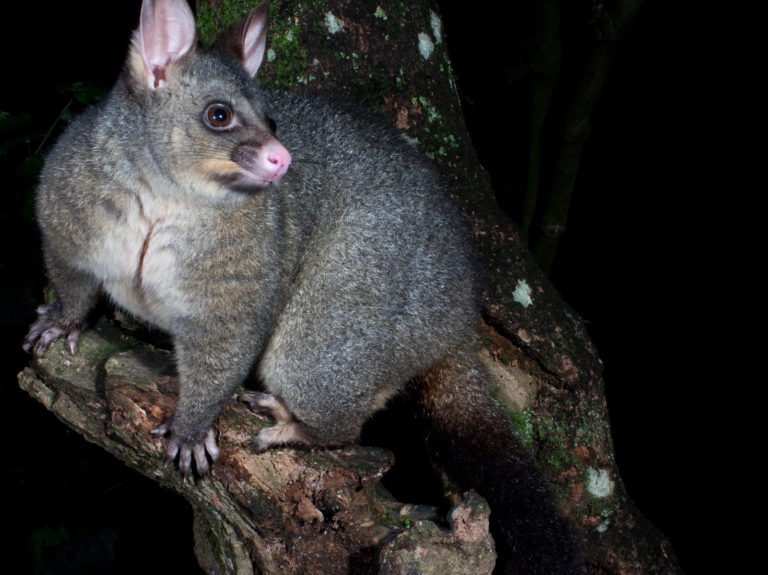
Detecting predators – can you count on chew-track-cards and WaxTags?
Fundamental to a well-managed pest control programme is detecting what predators you have and monitoring the changes in abundance.
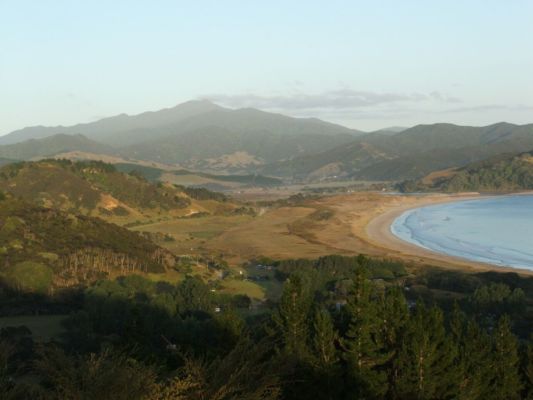
Advocacy and active predator control on the Coromandel
When a small group of Coromandel locals got together in 2000, wanting to do something for the environment, they could little have imagined the sheer scale of conservation work being done by their members today.

Learn how to get the most out of your Goodnature traps (webinar)
Robbie Van Dam from Goodnature discusses their automatic self resetting traps.
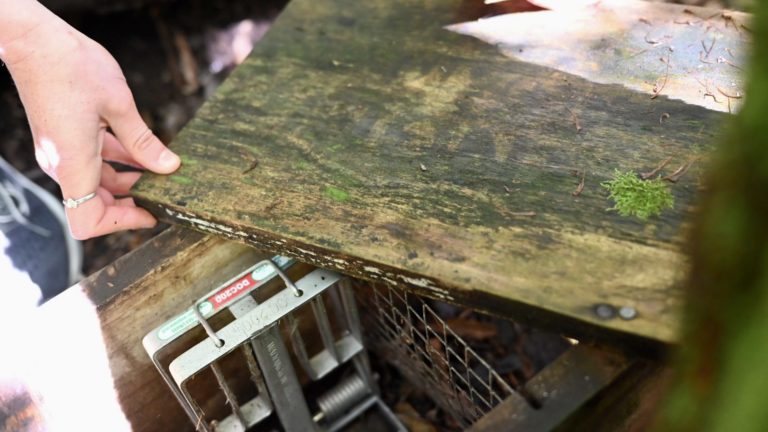
Learn how to get the most out of your DOC trapping series (webinar)
Darren Peters from the Department of Conservation discusses the DOC series of traps (150, 200 and 250).
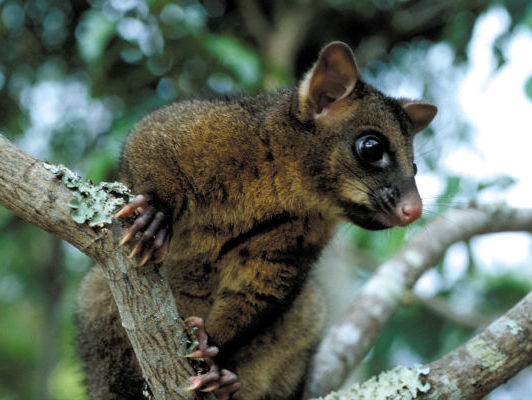
New ways to combat possums
Rest assured, New Zealand’s scientific community are beavering away to find new and better ways to combat possums.
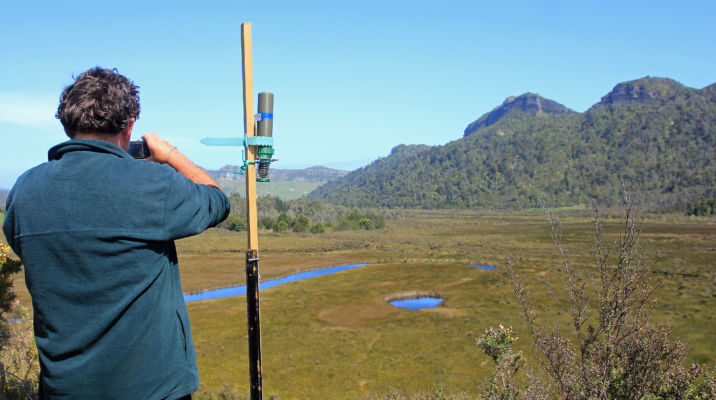
Secrets of Mangarakau Wetlands revealed
There’s something rather special about wetlands – and not just because they’re becoming increasingly rare. There is an air of secrets and mystery, of strangeness lurking just below the waterline. There is, for example, the mudfish.
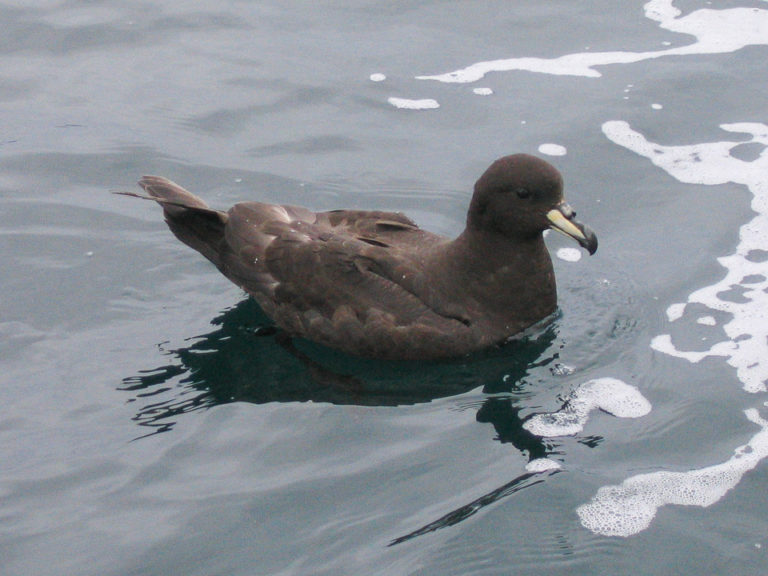
Friday afternoon reads… island recovery
For thousands of New Zealand’s sub-Antarctic mice, their sojourn on the Antipodes is almost over. Endemic beetle and moth populations will finally get a chance to recover and nesting seabirds will be free of encroaching rodent harassment.
Habitat modification – complex relationships
Habitat modification – what’s good for native wildlife and what isn’t? Wētā can thrive, living in the crevices provided by large introduced trees.
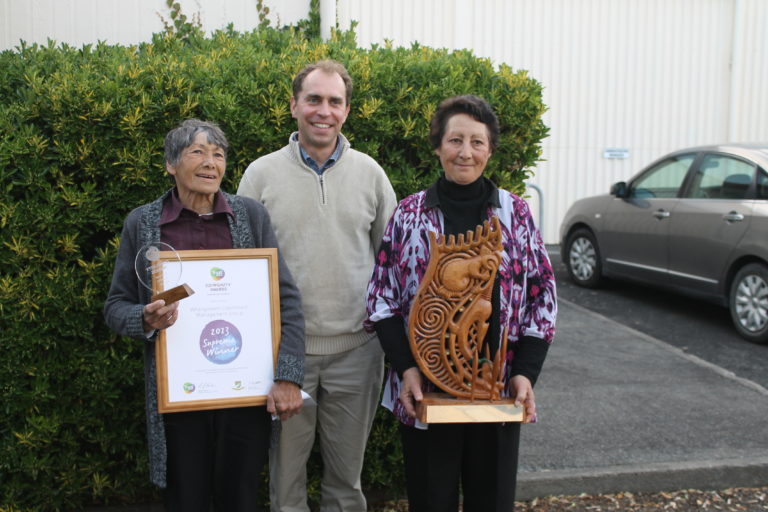
Local marae community inspires environmental change
In 2010 a proposed new wastewater system got people worried in the small, remote East Coast settlement of Mahia, located on the Mahia Peninsula, between Napier and Gisborne.