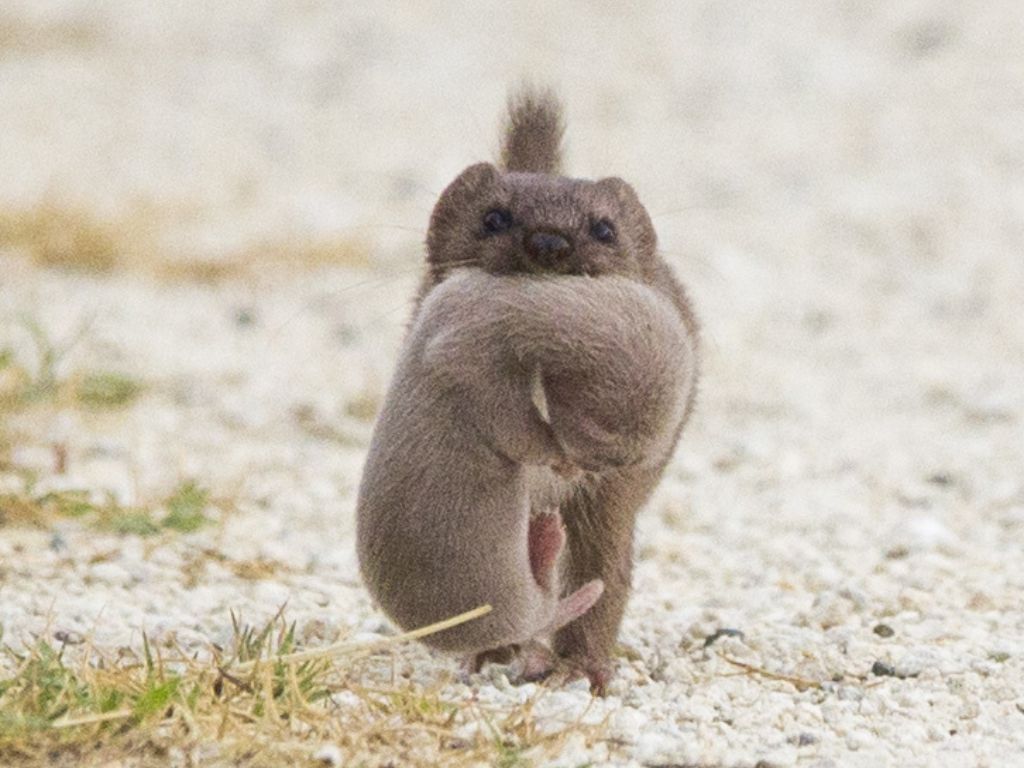
Weasels are found in low numbers across New Zealand, and compared with rats, possums and stoats, they’re the least understood of introduced predators. Small, swift and secretive, they were brought here to control rabbits, which backfired on humans, weasels and native wildlife.
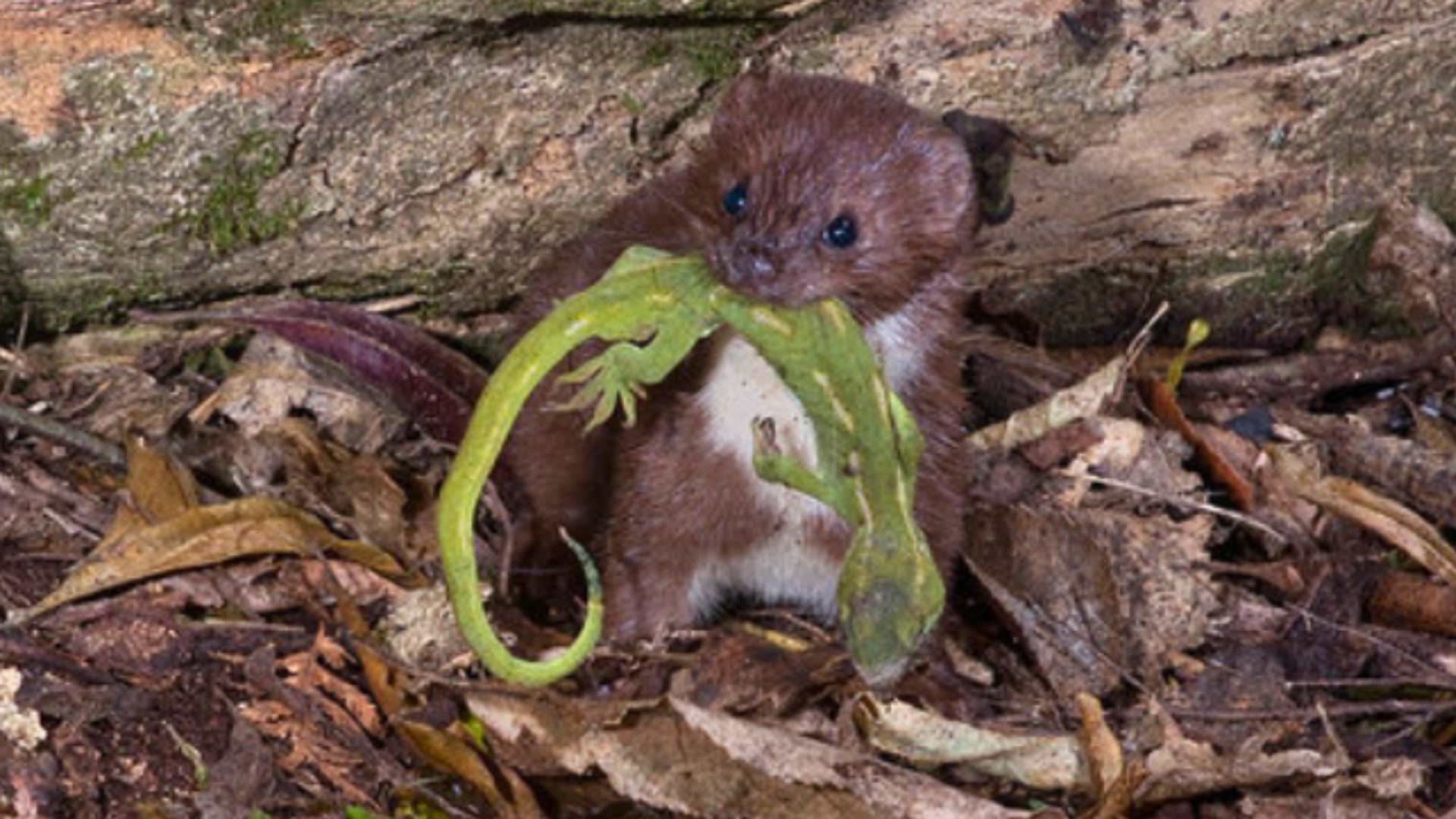
They’re not just small stoats
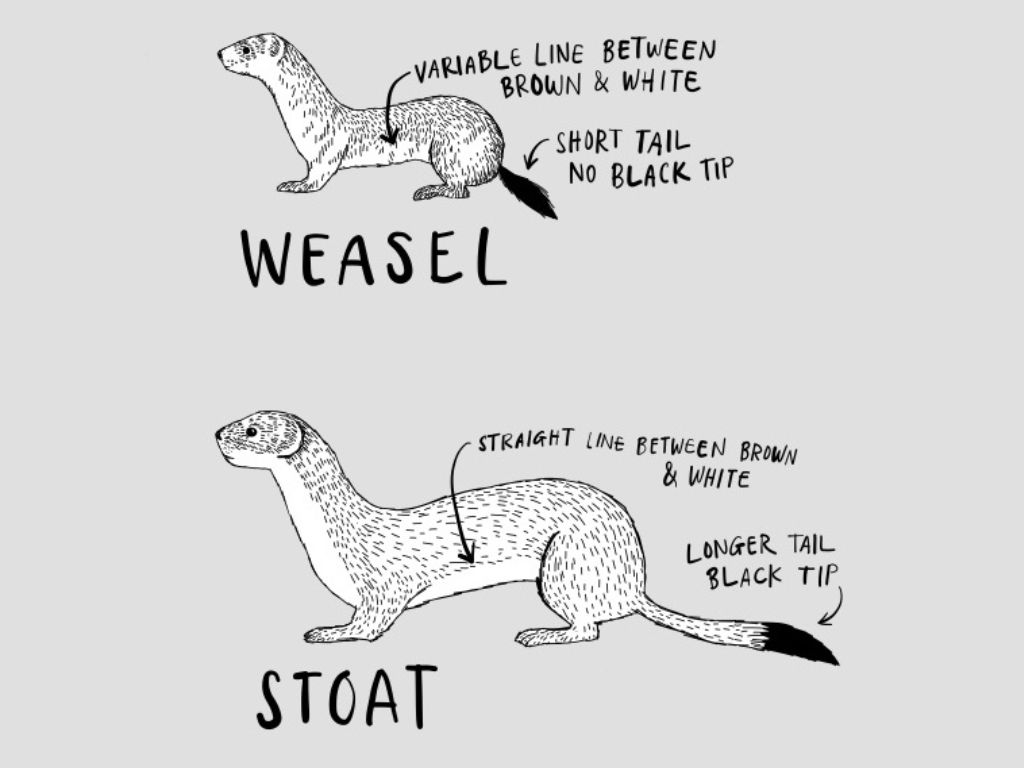
Weasels are related to stoats (they’re both mustelids), but there are two clear giveaways to tell the difference: weasels are smaller than stoats and do not have a bushy black tip on their tail.
Weasels grow up to 25cm long and are slinky, designed to fit through tight spaces when hunting prey. Think furry spaghetti. Stoats can reach 40cm and have a sturdier build, like a furry sausage. If you can get close enough to see, weasels also have a wavy line between their brown back and white belly fur, whereas stoats’ colour divide is much straighter. Both are excellent hunters, but weasels tend to focus on smaller prey like mice and young birds. Stoats are more ambitious and will hunt larger prey like young kiwi, kākāpō and even takahē.
Females can breed just months after being born
Weasels don’t waste time. Male and female weasels come together briefly in spring to mate, then part ways: there’s no pair bonding, and males play no part in raising the young.

Weasels are born naked, blind and deaf. Things accelerate quickly from there: by day 18, the young are eating meat, and after about seven weeks, they’re already hunters with adult-sized bodies. Female offspring reach sexual maturity at three months old (PDF, 3.6 MB), and if food is abundant, spring-born females may breed in late summer.
The timing can impact your predator control. Experts in our ‘Hands-on guide to weasel control (PDF, 2 MB)’ recommend increasing trapping during the summer months and pre-feeding unset traps during winter, when weasel numbers are lower.
They have voracious appetites
Weasels have a high metabolism and need to eat about a third of their body weight every day. In their native Europe, they eat mostly voles (sort of like hamsters) and mice. But here in New Zealand, with fewer small mammals available, birds, invertebrates, and reptiles feature more in their diet than in any other country. A study of weasel diets on the Purerua Peninsula in the Bay of Islands found that, in addition to eating mice, weasels also consumed birds, native invertebrates such as wētā, and reptiles, including the endemic copper skink.
Experts in our ‘Hands-on guide to weasel control (PDF, 2 MB)’ say catching mice near your traps or using mayonnaise inside the trap to attract mice can also draw weasels in, as they follow scent trails.
More weasels than stoats were introduced to NZ
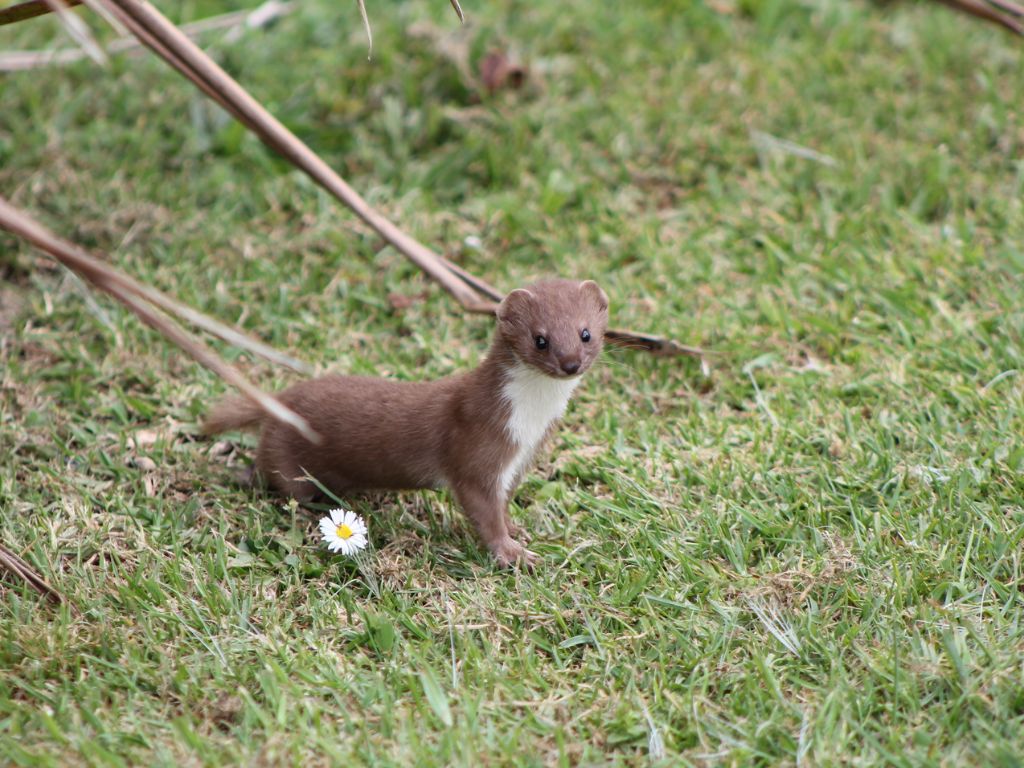
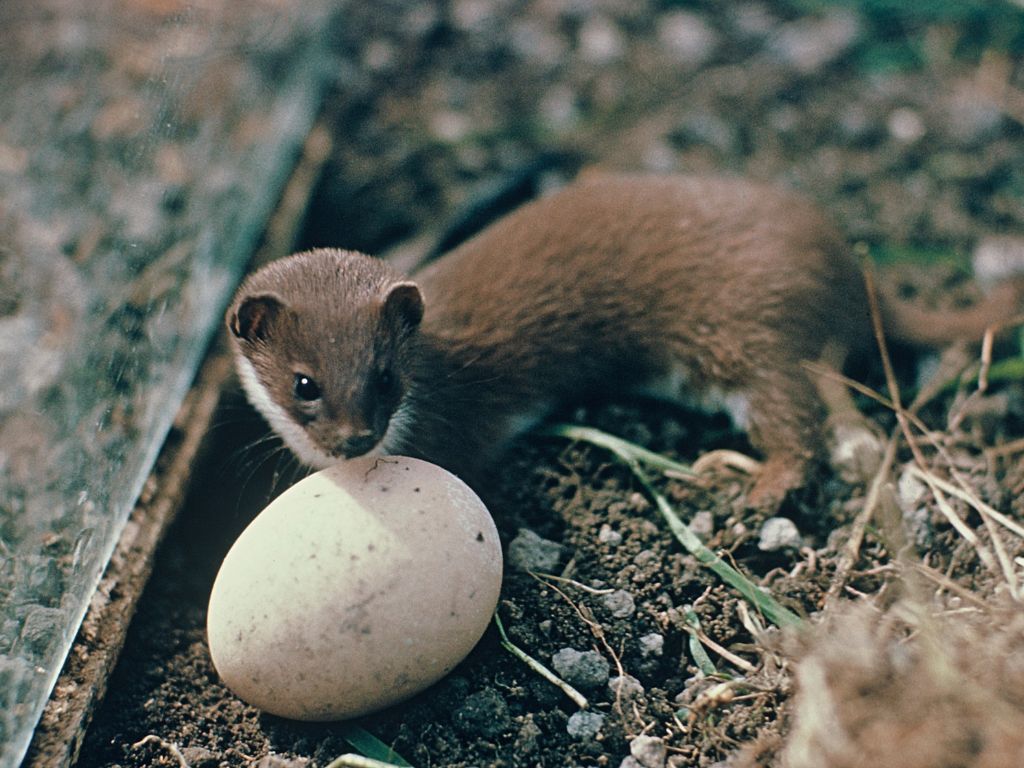
Because weasels were more common in Britain, more weasels than stoats were shipped to New Zealand to control rabbits. At first, the weasels thrived and spread throughout New Zealand, preying on small animals such as birds, mice, bats, lizards and frogs.
Well fed, they bred super fast and outnumbered stoats. But that didn’t last. Over time, small prey has declined, and weasels’ specialist small-prey strategy has stopped paying off.
Stoats, with their more flexible diet and ability to attack a wider range of prey, out-compete weasels and are now far more common. If you are catching a lot of stoats in your area and their numbers become low, you might start to see more weasels.
Most trapped weasels are males
As weasels are rarer and more patchily distributed in New Zealand, controlling them is generally a lower priority than controlling stoats. They can be caught in DOC 150 or DOC 200 traps; however, the factory trigger weight for these traps is 80g, meaning smaller, lighter female weasels don’t trigger them. To better target weasels, a DOC 200 manually calibrated to a trigger weight of 50g is recommended.
Males also roam more widely, increasing the chance they’ll come across a trap. One study found that around 75% of weasels caught in traps are male. It’s frustrating because removing females is far more effective. As weasels are promiscuous, taking out a female has a much greater impact on their population.