
It’s one of the biggest “what were they thinking” moments in New Zealand history. From today’s vantage point, the decision sounds unhinged, but putting aside judgment, why did it make sense at the time? And what can it teach us about unintended consequences today?
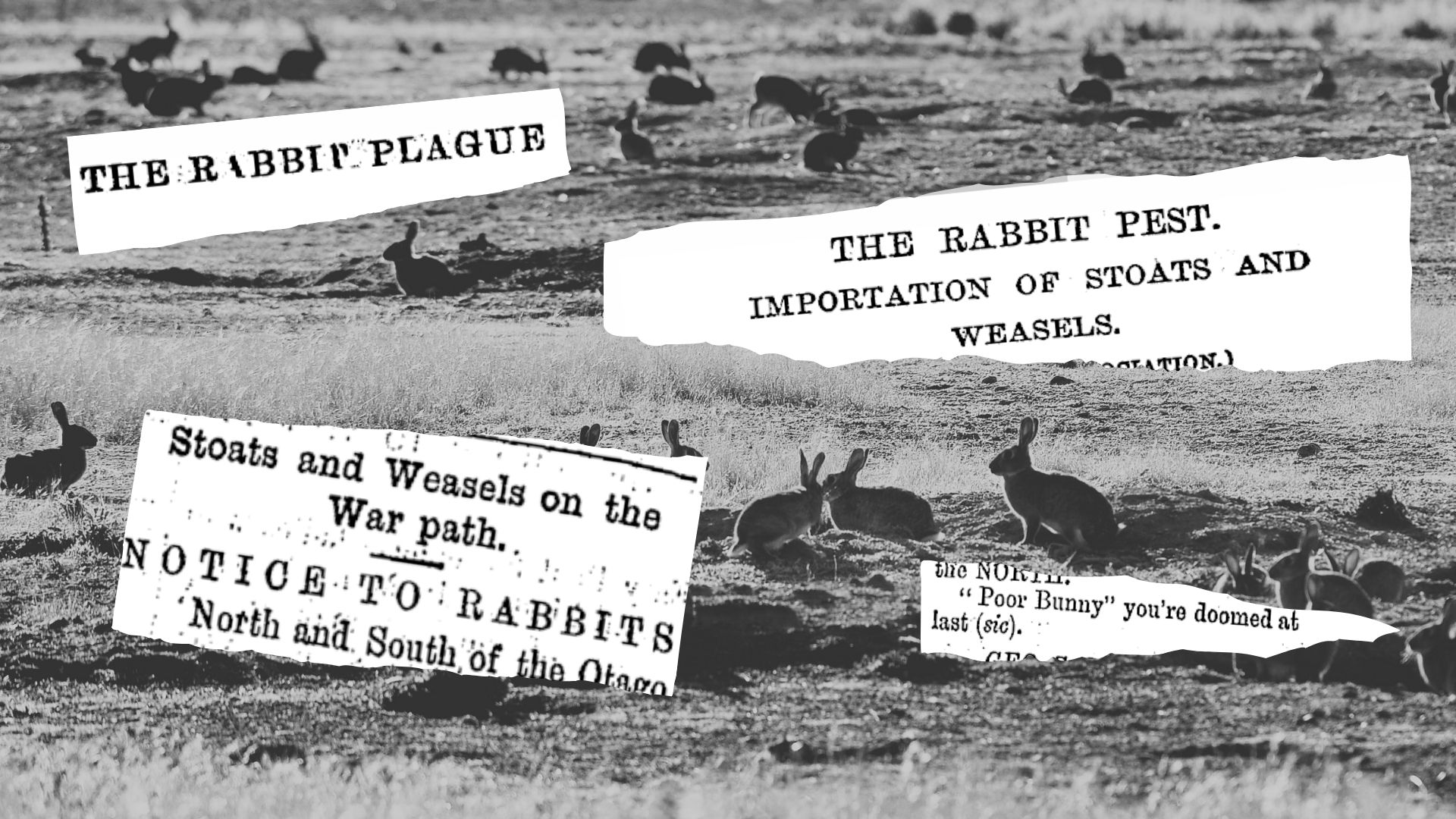
First, the government, its citizens, and acclimatisation societies introduced rabbits for food and sport. Then, when they exploded across the country, the decision was made to bring in stoats, weasels and ferrets to deal with them.
To understand why this (now) baffling decision was made, we have to go into the archives and travel back to the late 1800s…
Professor Carolyn King has done the hard work for us, spending years piecing together a paper trail from government records, farm diaries and personal letters. Her research is published in the New Zealand Journal of Ecology. What emerges is not cartoon villainy but well-meaning people making decisions they thought logical in the moment to save them from crippling economic losses.
A “tidal wave” of rabbits swept the country
Rabbits were spreading like “a tidal wave, causing inevitable ruin in their progress”, according to a report written by a chief stock inspector in Canterbury in 1889. The problem was impossible to ignore; rabbits were stripping pastures and threatening livelihoods.
Rabbits had no natural predators in New Zealand, so the solution was simple: reacquaint the ever-spreading rabbits with their natural predators.
Settlers were, at the time, generally more concerned about the effect stoats and weasels would have on their sporting activities, sheep and poultry, than on the impact on native birdlife. They also genuinely believed that introducing predators would be sufficient to control rabbits. That same Canterbury stock inspector wrote: “although I, in common with all sportsmen, regret their introduction, I am satisfied that they are, and will continue to be, the main factor in keeping the rabbit pest under [control] on the higher lands in the colony where it is impossible to deal with them effectively by any of the known means of rabbit destruction.”
The natural enemy arrives
Initially, ferrets were imported. Being semi-domesticated, ferrets were easy to obtain and breed, but were also vulnerable to canine distemper and cold, wet weather.
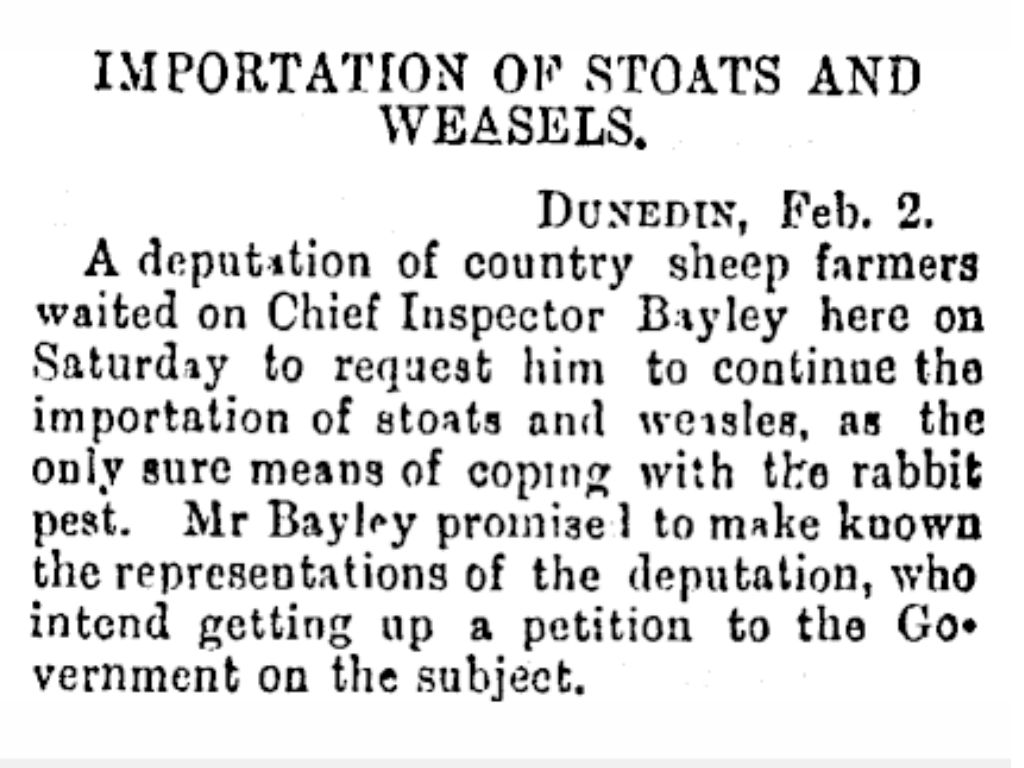
Stoats and weasels came next. Professor King’s research revealed that between 1883 and 1892, at least 7,800 stoats and weasels were imported to New Zealand in organised shipments.
The animals were sold and released only on the worst rabbit-infested pastures, but both species spread rapidly, reaching most parts of the North and South Islands within 20–30 years.
Protected by law
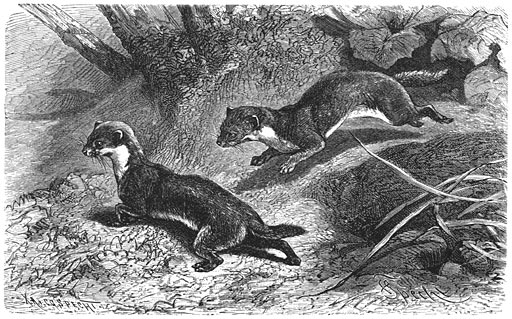
The new arrivals were highly valued – at least by some members of officialdom.
The government appointed a “Chief Rabbit Inspector“ who tightened up the previous rabbit-control legislation and organised the shipments of stoats and weasels.
In the hope of conserving every possible weapon against rabbits, a new Act placed all natural enemies of the rabbits under legal protection. Anyone could be fined up to £10 for killing a ferret, stoat, weasel or cat, even in areas where there were no rabbits.
Not everyone was happy, however – particularly when poultry started disappearing. But the minister for agriculture reiterated in an announcement in the Otago Witness that ferrets, cats, stoats, and weasels were protected, and the only legal remedy was to catch the predators alive and move them somewhere else.
Historical accounts are vivid and chilling in hindsight
Demand outstripped supply. The chief rabbit inspector had so many applications that many people missed out completely.
An article in the Otago Daily Times in 1884 recounted that stoats that had survived a stormy voyage over were released on an estate near Palmerston. Within a few hours, one stoat had travelled miles away and killed seven ducks.
“…they started work at once,” wrote a farm manager. “While we were watching them, a young weka rushed out from under a rock with a weasel hanging on, but it fell off with a mouthful of feathers.” Ten days after releasing them, the farm manager reported there were no rabbits to be seen. At the time, this was proof of success.
Reality sinks in
Public and private imports of mustelids stopped around 1894, and by the 1900s, the optimism was curdling.
The Otago Acclimatisation Society was in despair. In the Evening Star, they wrote that there was no use
“trying to establish game birds [in] our district, so long as the rabbits are with us. Ferrets and weasles (sic) are numerous everywhere, and are increasing in numbers every year.” By July 1908, the Clutha Leader reported
“Stoats and weasles are very plentiful now-a-days…the day will come when they will be ranked as the worst vermin in the country.”
By 1912, an Auckland Star report noted sadly that, “The Longwood forest (Southland) is infested with stoats and weasles, and it will only be a matter of a few years before the native birds are extinct in that locality.”
Even places that had never released mustelids weren’t spared. In Westland, where rabbits were scarce, surveyors noticed stoats and weasels spilling over from Otago. The West Coast Times in 1890 reported weasels were eating birds, including kiwi.
However, loss of native birds didn’t carry much weight in colonial decision-making. Three species of introduced rats had been eating their way through birds, bugs and lizards for decades, and mustelids just added to the problem.
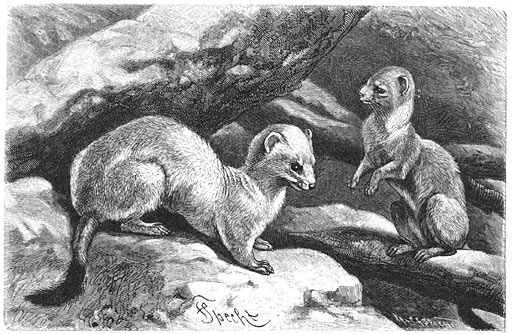
A prominent lawyer and naturalist, Sir Walter Buller, had repeatedly criticised the introductions, even calling the decision to introduce them a “crime”. The colonists expressed some regret about predation on introduced game birds, but native birds were considered unimportant and merely another casualty of “progress”, so the warnings were ignored.
To the farmers facing economic ruin from rabbits, introduced predators killing native birds was beside the point. Saving the wool industry was what mattered.
The legacy we live with
But as we know today, the mustelids never did get on top of rabbit numbers.
Their numbers thrived, and native wildlife, unevolved to defend against mustelids’ excellent hunting skills, are still paying the price.
This article is published in the New Zealand Journal of Ecology and is freely available online.