
The strange-looking tusks on male Mercury Island tusked wētā are more than just for show. Wētā jostle and try to flip one another over, sometimes pinning their opponent against a surface until it gives up. But when it comes to predators, they prefer to hide in a burrow – which wasn’t much use against introduced rats, which drove them to the brink of extinction.
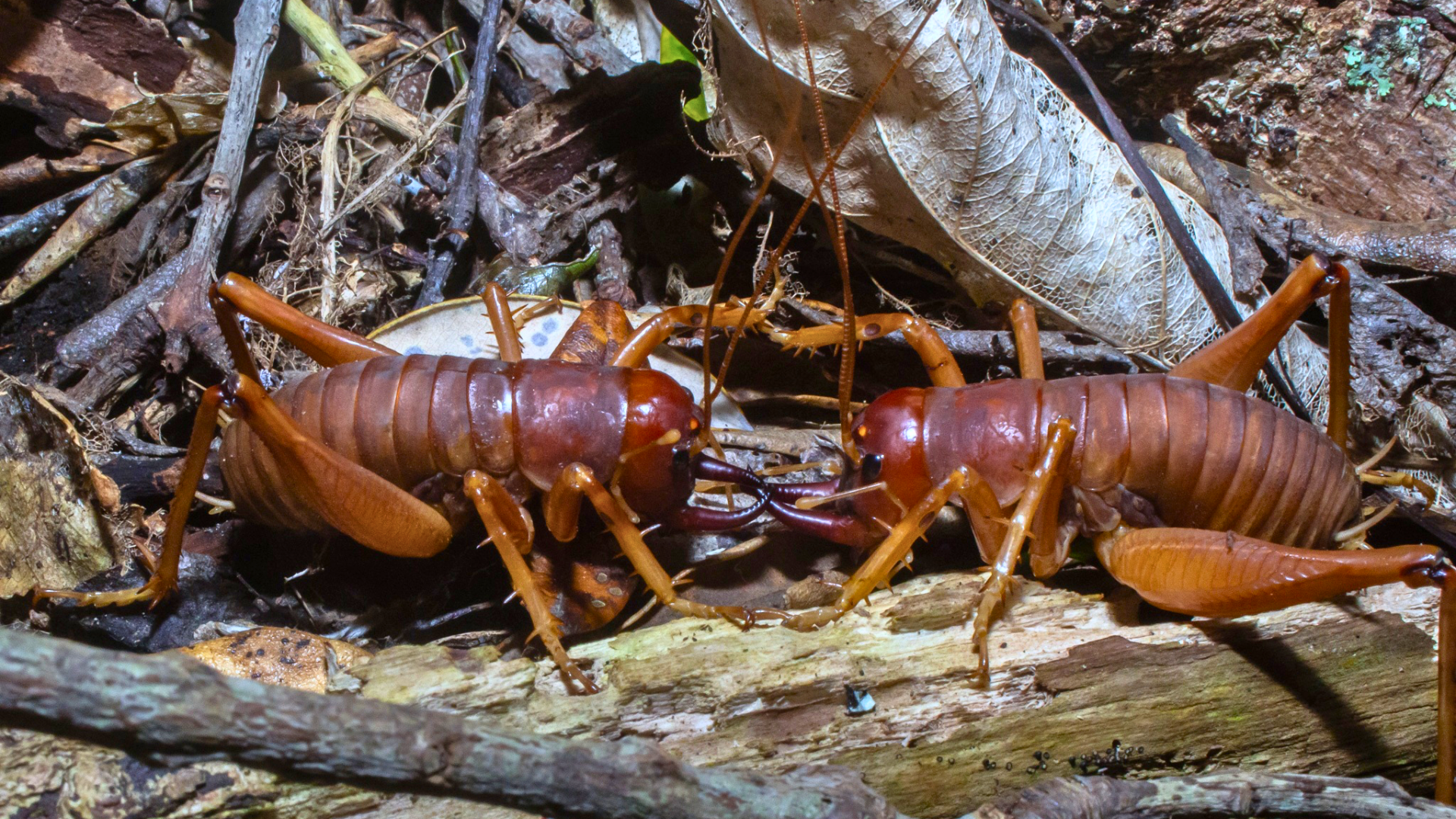
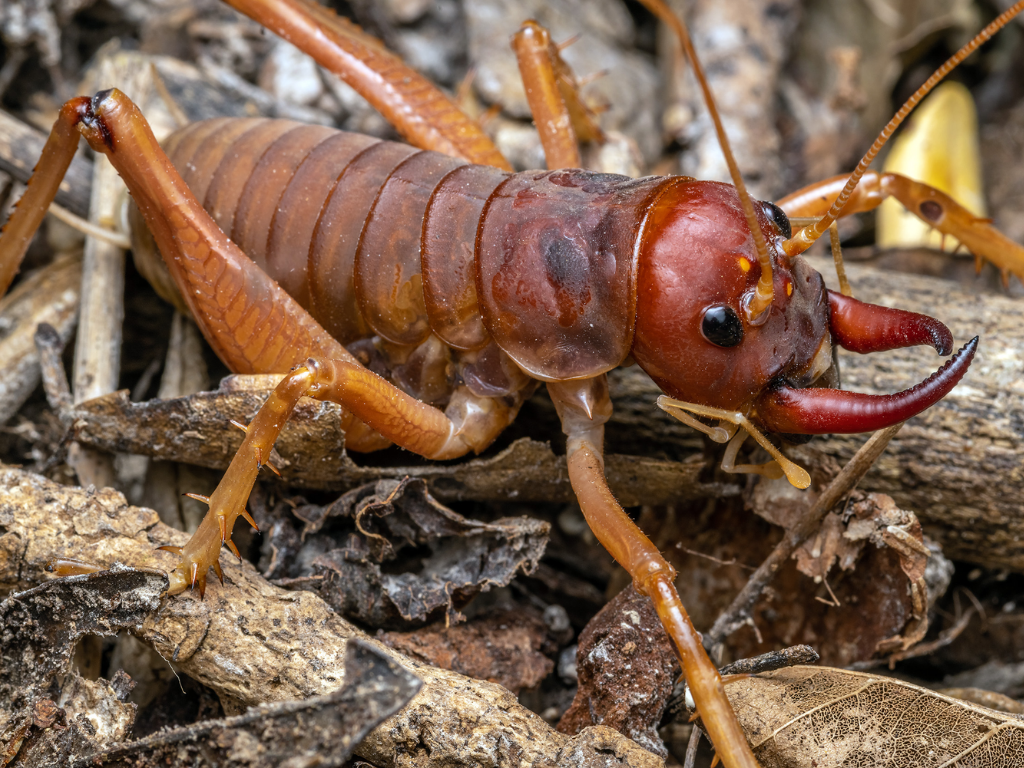
They look like something from science fiction. Bodies like armoured tanks, with a pair of impressive tusks. If cornered, they raise their front legs high off the ground, open their fierce-looking jaws, and sometimes lunge forward. They can also jump away or defecate foul-smelling liquid.
Despite their intimidating appearance, the Mercury Island tusked wētā (Motuweta isolata) are large, flightless, active at night, and prefer to hide in a burrow. This makes them an easy target for rats.
They are one of three species of tusked wētā found in New Zealand, and by far the rarest.
Facing the possibility of extinction in the 1990s, researchers translocated three Mercury Island tusked wētā from Ātiu (Middle Island) to start a captive rearing program.
Over the next nine years, their offspring were moved to multiple predator free islands off the Coromandel Peninsula.
An unexpected discovery
Simon Lamb wasn’t on Ohinau Island looking for tusked wētā.
The Wildlife Management International ecologist’s work is primarily with seabirds, but after spending nights on Ohinau Island monitoring flesh-footed shearwaters, he couldn’t help but notice the tusked wētā.
“You’re running around at night, trying to catch these birds, and you’ll see these little – well, they’re not that little – crazy creatures with these massive tusks, just jumping all over the place.”
On a busy night, Simon says, walking through the bush can become an exercise in avoiding them.
“They’re just like, pop, pop, pop, pop, pop.”
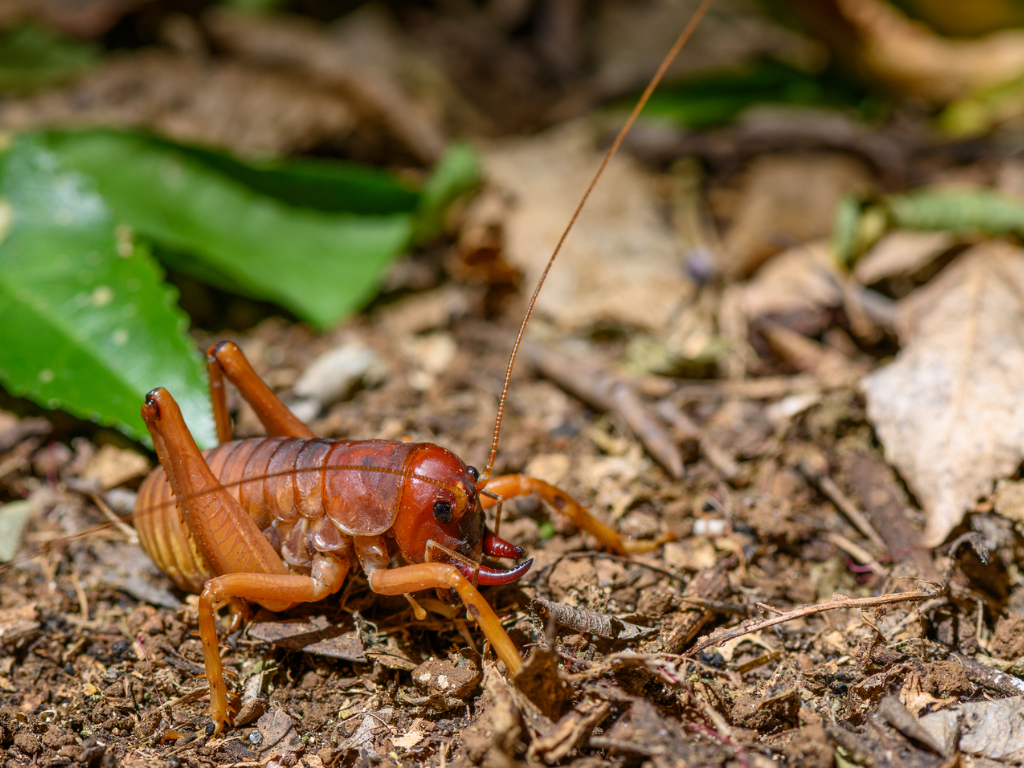
What he was seeing turned out to be a very good sign.
A recently released research paper in the Journal of Orthoptera Research brings together Simon’s observations and historical records to document the spread of wētā across Ohinau Island, providing evidence that the population is not only surviving but reproducing and expanding beyond its original release site.
An intervention
Through the 1980s and 90s, the Mercury Island tusked wētā population declined rapidly. By the early 1990s, it was estimated there were only around 120 individuals left; with the population so small and concentrated only on Ātiu (Middle Island), conservationists feared the species was heading towards extinction.
The Tusked Wētā Recovery Group was formed, and a captive rearing programme was established.
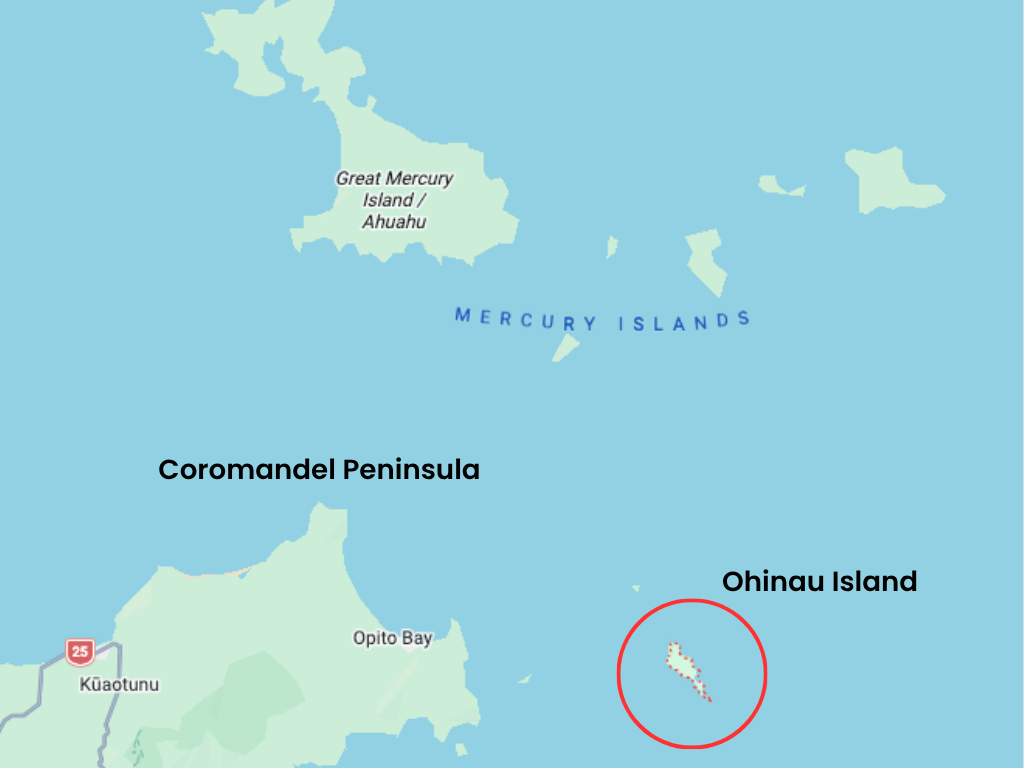
Captive-born wētā were released onto predator free islands in the Mercury Islands group, including Ohinau Island, owned by Ngāti Hei iwi.
The island had been cleared of introduced predators before the wētā were released, creating a safe place where they could establish.
When Simon began visiting the island from 2022 onwards, he noticed the wētā weren’t just surviving around their original release site – they had spread.
The animals had expanded from the eastern part of the island where they were released in 2007, all the way to its northern end, where Simon and his colleagues camp for bird monitoring activities.
The recovery programme had achieved its original goal of establishing the species on predator free islands, but there had been little follow-up documenting how the Ohinau population was doing. So Simon pulled together field observations and existing records to show what appeared to be a population continuing to reproduce across the island.
The comeback didn’t happen overnight
Five years after the wētā were released on Ohinau Island, they had spread 100 metres from the release site. When seabird monitoring began in 2016, some were sighted farther away, but they were still most common only near the original release site.
It was a pattern seen elsewhere. On Whakau (Red Mercury Island), where tusked wētā were released in 2001, they took up to nine years to travel 180 metres. Then things sped up, with the population expanding its range by 50 to 100 metres a year.
On Ohinau, the wētā have now spread from the eastern part of the island to the northern.
Their tentative comeback story shows what can happen when a vulnerable species has somewhere safe to live.
The species’ recovery is not simply a matter of captive breeding. The wētā needed predator free islands where they could be released and establish without rats picking them off.
As Simon puts it, a rat getting onto an island containing tusked wētā would have “a big juicy snack”.
Ohinau Island also offers an unusually safe environment in another way: it has few nocturnal native predators, with no tuatara, kiwi pukupuku (little spotted kiwi) or ruru.
So, for one of New Zealand’s strangest insects, the future is looking considerably less precarious than it once did.