
Cats are responsible for nearly all predation injuries treated at BirdCare Aotearoa, new preliminary research shows: a toll that represents only a fraction of the birds injured or killed across Auckland each year.
The country’s largest wildlife hospital treated nearly 40,000 birds between 2018 and 2025.
Predation was the third leading cause of admission at the hospital, which treats bird patients from the greater Auckland area. Most admissions were unrelated to predation, including orphaned chicks, window strikes, vehicle collisions and disease, but nearly 8,000 cases involved predator attacks.
Of those predation cases, a striking 93% were caused by cats.
The preliminary findings come from a retrospective study (PDF, 2 MB) led by Unitec School of Environmental and Animal Sciences student Paolina Lloren, who examined thousands of patient records to quantify the impact of urban cats on birdlife across Tamaki Makaurau.
Native species among the victims
While introduced birds made up a majority of admissions, reflecting their dominance in urban areas, native species still accounted for 22% of the birds treated at BirdCare.
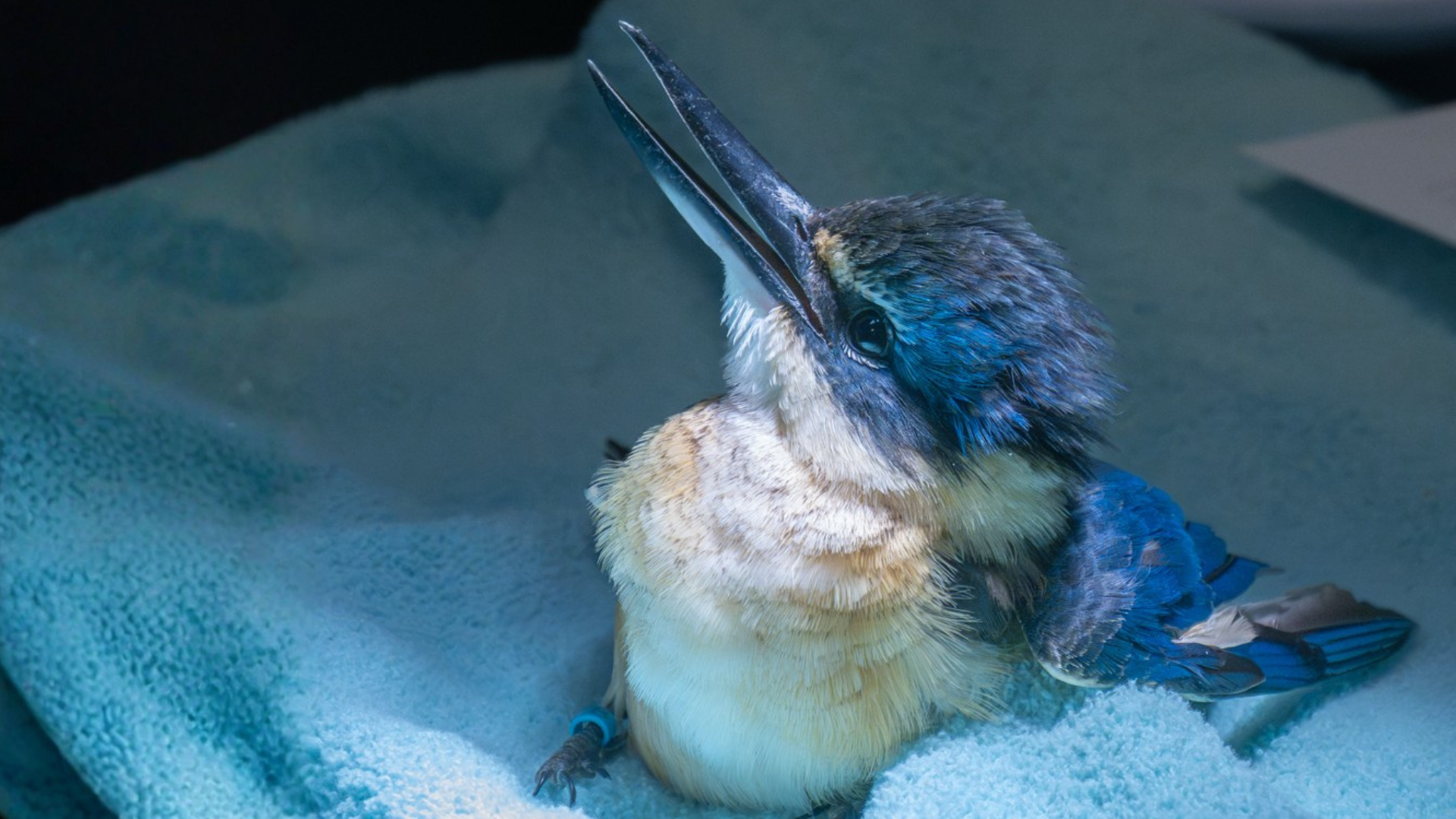
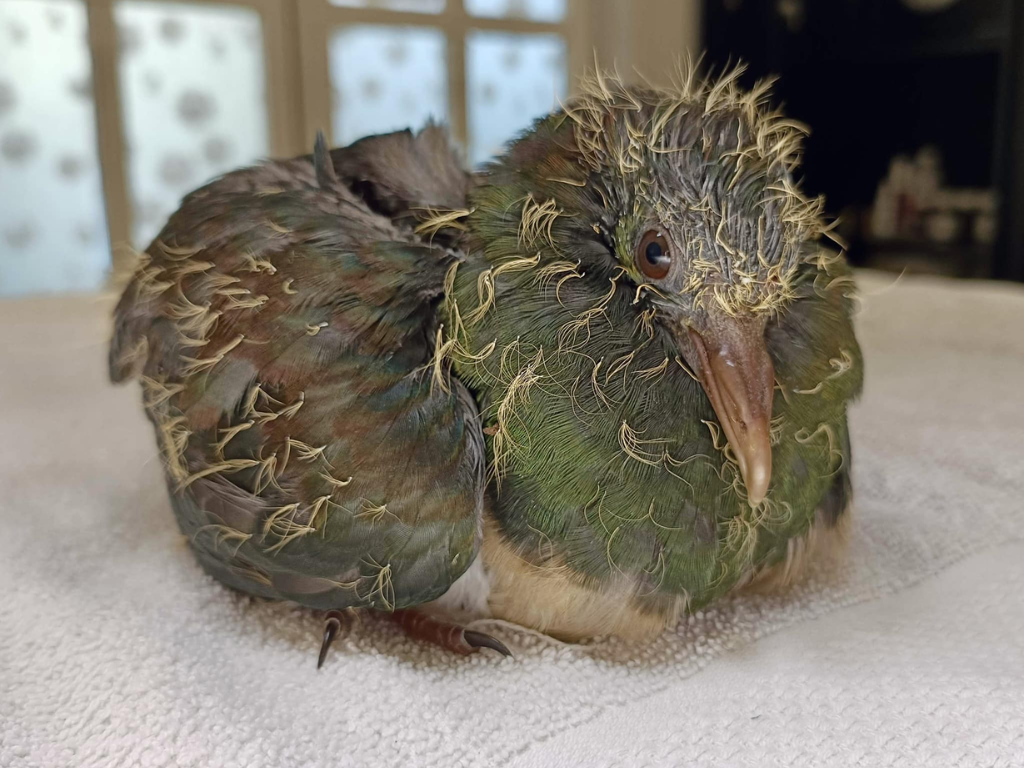
Tauhou (silver eye), tūī, and kōtare (sacred kingfisher), pukeko, kererū, pīwakawaka (fantail) were among the native birds most impacted.
Cats are among nature’s most efficient and lethal hunters. Here in New Zealand, they are both cherished companions and apex predators. Brought to New Zealand by European settlers, cats joined the motley crew of introduced predators wreaking havoc on birds, bats and lizards that spent the last 80 million years evolving in the absence of mammalian predators. This means native birds do not have effective defences against mammals.
Summertime sadness
Summer and spring were consistently the busiest seasons for cat-related injuries.
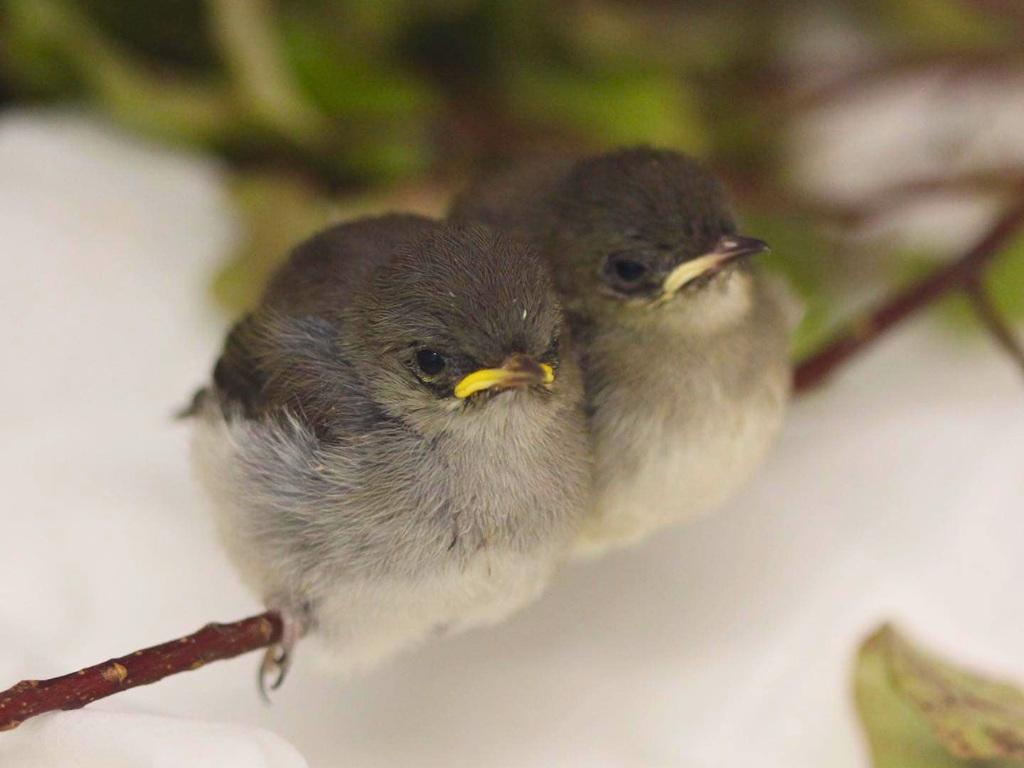
The spike corresponds to the breeding and fledgling seasons, when inexperienced young birds leave the nest or spend time on the ground. Bird parents encourage fledglings to leave the nest, and some baby birds will spend up to two weeks on the ground as they learn how to fly, while still being fed by their parents. Warm weather also means cats are more active outdoors.
BirdCare staff are used to the grim seasonal pattern.
“[Birds] often arrive looking intact, but a vet exam typically reveals puncture wounds (often punctured organs), fractured bones, and internal bleeding from crush injuries.
“The bacteria in cats’ mouths is deadly for birds, and will lead to infection if left untreated.
“Unfortunately, many of these birds arrive too badly injured to save. Our small team receives huge numbers of caught-by-cat fledglings (sometimes 20+ in a day),” BirdCare wrote in an online post.
Overall, nearly 79% of predation victims admitted during the study period died or had to be euthanised due to the severity of their injuries.
Tip of the iceberg
The study’s author concludes that wildlife hospital data provides valuable insight into urban predation patterns, but captures only a small slice of the total impact.
“Cat predation is widespread, seasonal, and often fatal, disproportionately affecting small-bodied birds…
“Wildlife rehabilitation data provide critical insight, but likely underestimate the true impact,” it states.
What are the rules for cats?
The study does not differentiate between owned and unowned cats.
In Auckland, 35% of households own cats, equating to an estimated 320,000 animals in the region, plus an unknown number of unowned cats.
Cats are not subject to the same controls as dogs. While dog owners must register, microchip and keep control of their animals, there is no nationwide requirement for cats.
The Auckland Council does not currently have rules regulating owned cats. While some regions have introduced rules around compulsory microchipping and desexing, the Auckland Council instead encourages responsible cat ownership.
Desexing owned cats helps limit the growth of stray and feral populations. Microchipping can help re-home lost pets and reduce unintended harm, for example, preventing owned cats from being caught up in local predator control efforts in areas of high biodiversity value.
In 2024, a public consultation, Aucklanders expressed support for strong, responsible cat ownership measures as part of a 10-year regional plan. That feedback, alongside input from mana whenua and experts, is now being reviewed. Any new rules would not come into force before 2030.
The study stops short of offering solutions, but wildlife advocates and the SPCA agree there are solutions to keep cats safe and happy, as well as wildlife.
One increasingly popular option is keeping cats indoors or in an enclosed outdoor space, called a catio (check out our article about five catios that will make your cat jealous). These secure structures allow cats outdoor access without roaming. The SPCA recommends this because it means cats live longer on average and are less likely to be injured by vehicles, fights, or disease.
Found an injured bird?
If you find a hurt bird (i.e. if there is blood, an open wound or a broken bone), immediately place it in a ventilated cardboard box lined with a towel or paper towels and keep it in a dark, quiet, and warm place to treat for shock. Avoid handling it, do not feed or give water, and contact a local wildlife rehabilitator, vet, or DOC (0800 DOC HOT). If you’re in Auckland, you can bring the sick or injured native bird into the centre between 10am – 2pm: 74 Avonleigh Road, Green Bay, Auckland. If you would like to help BirdCare continue caring for injured native and endemic birds, donations are welcome.