
The three rat species in Aotearoa New Zealand all have furry bodies, short legs and bald tails — but they don’t all behave the same. A little know-how about which species you’re dealing with can make your efforts much more effective.
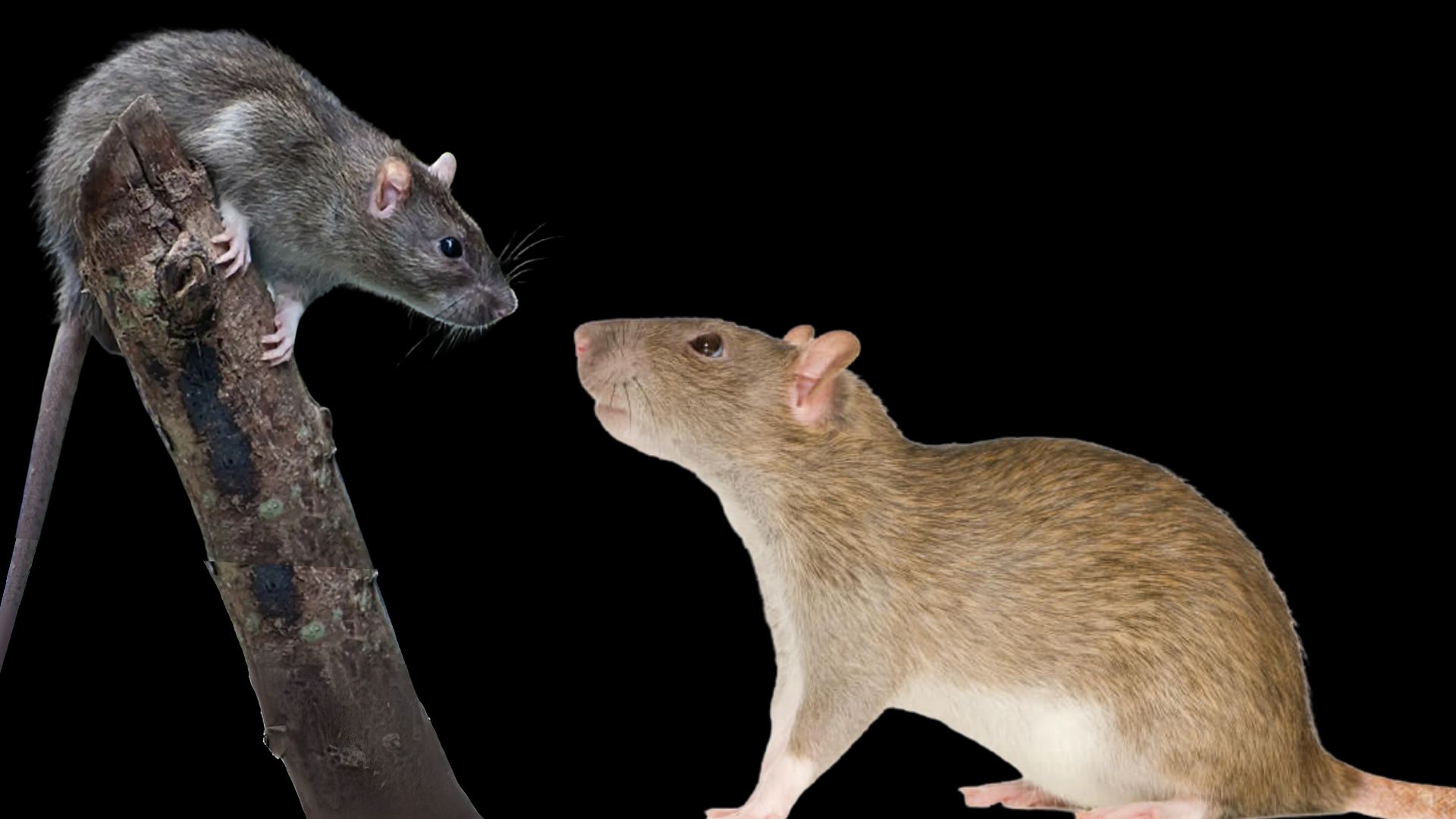
Meet the species
New Zealand has no native rats; the three species — ship, Norway, and kiore — arrived with early sailors. Kiore are less widespread, so this article focuses on the two species you’re more likely to encounter: ship and Norway rats.
As a general rule of thumb, ship rats are more common overall and tend to dominate in forests, while Norway rats are more likely to be found near waterways and human settlements.
Both can overlap, and sometimes you won’t know which is around until you catch a few. Tools like chew cards, tracking tunnels, and trail cameras can help you identify what’s in your area, too.
Once you know your rat, you can fine-tune your approach. All this information and more can be found in the ‘Hands-on guide to predator control’, which examines each introduced predator species in depth and provides advice and recommendations for effective control.
Ship rats: climbing, cautious critters
Ship rats (Rattus rattus) are smaller and sleeker, characterised by a pointed nose, large ears, large eyes, and a tail that is longer than their head and body.
They are strong climbers, spending a lot of time in trees, moving nimbly across branches to feed in the canopy. For predator control, placing traps in trees as well as on the ground will increase your chances of success. The D-Rat Supervisor, for example, is a trap that can be placed in trees. The NZ Autotraps AT220 is a tree-mounted possum trap that will also catch rats.
Ship rats dislike being around people, preferring dense vegetation. Overgrown banks, thick with exotic vines, are a favourite spot for nesting or sheltering. They are also reluctant swimmers, a characteristic that Zero Invasive Predators uses to its advantage, by using big, fast-flowing rivers and the ocean as natural barriers to slow the incursion into their project area in South Westland.
While all rats are wary of new things, ship rats are considered especially so. Predator Free Wellington, which has eradicated rats from the Miramar Peninsula in our capital city, has found ship rats are more afraid of new things.
Combat this trait by pre-feeding traps: leave traps unset but lured or bait stations filled with non-toxic bait for a week or two to allow the animal to become accustomed to the device and associate it with a food source. Using a mix of devices also helped Predator Free Wellington, as some individuals simply refused to enter enclosed tunnels. A bait station or trap with an open architecture has the trap or bait more exposed, with minimal housing or a shroud to meet legal requirements (e.g., a KK bait station), but this open shape comes with more risk to people, pets and non-target species.
Ship rats aren’t picky eaters, but do tend to have a bit of a sweet tooth.
“Rats, like people, are looking for a balanced diet,” says Tū Mai Taonga field staff Rylie Arnell, who has led successful eradication efforts on offshore islands around Aotea (Great Barrier Island). The Tū Mai Taonga team found tailoring lures to the season was key: “If their diet consists of heavy protein foods, such as insects, seafood and eggs, we have experimented with using a sweeter supplement like licorice or chocolate. If they are eating berries or seedlings, they prefer a protein-based food — like peanut butter.”
Suggested lures include peanut butter, Nutella, aniseed-flavoured lures, or local/seasonal food like apples, macadamias or walnuts. Those pointy ship rat snouts have a powerful sense of smell, so rub lure around trap boxes and use a scented blaze (like this one) generously.

For more expert-backed information on how to target ship rats, check out our species-specific guide (PDF, 6.7 MB).
Norway rats: stocky suburban swimmers
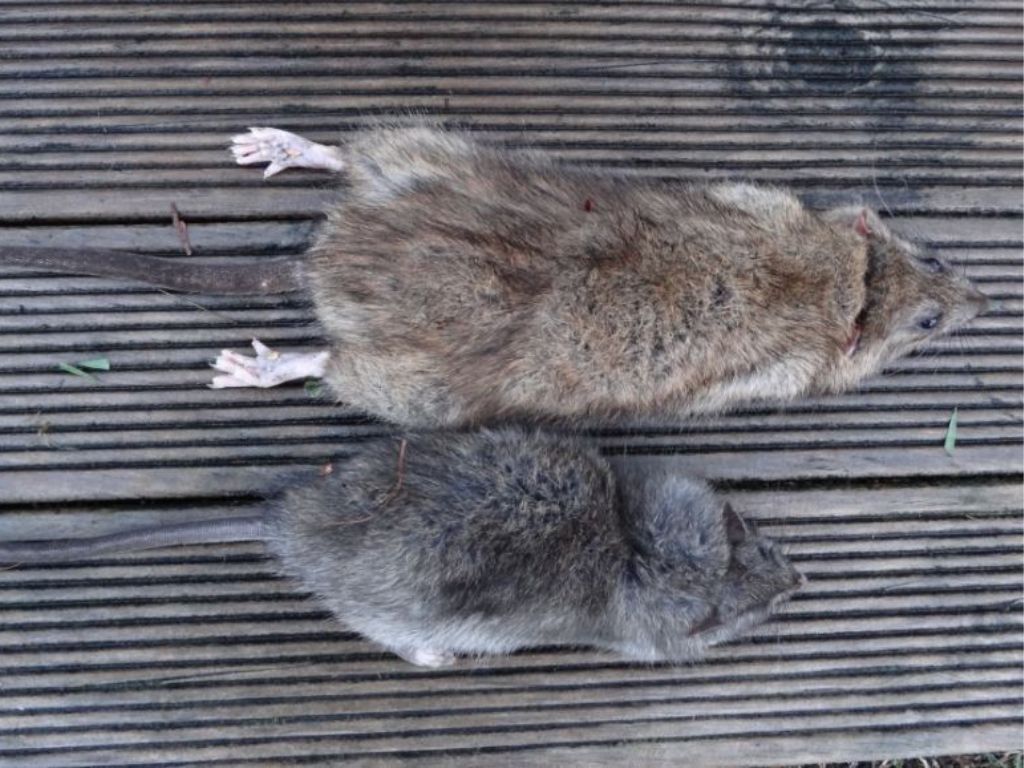
Norway rats are the heavyweights: large-bodied with a blunt nose, small eyes and ears, and a tail shorter than their head and body. Predator Free Wellington once caught a 523g Norway rat – their biggest on record.
Because of their size, they require more powerful traps than ship rats. The recommended choice is a stainless steel DOC 200 in a wooden box – a solid, long-term choice that can also catch stoats and hedgehogs. While Victor Professional traps are frequently used, many Norway rats are too large for them to be humane or effective, and can deter them from entering a trap again.
Norway rats are social and live in large colonies, where they communicate food preferences and scent. You’ll find them near human activity, like compost bins, sheds, rubbish areas and drains. These are good places to place traps.
They also burrow, and Predator Free Wellington successfully lowered traps and bait stations into burrow entrances to target them.
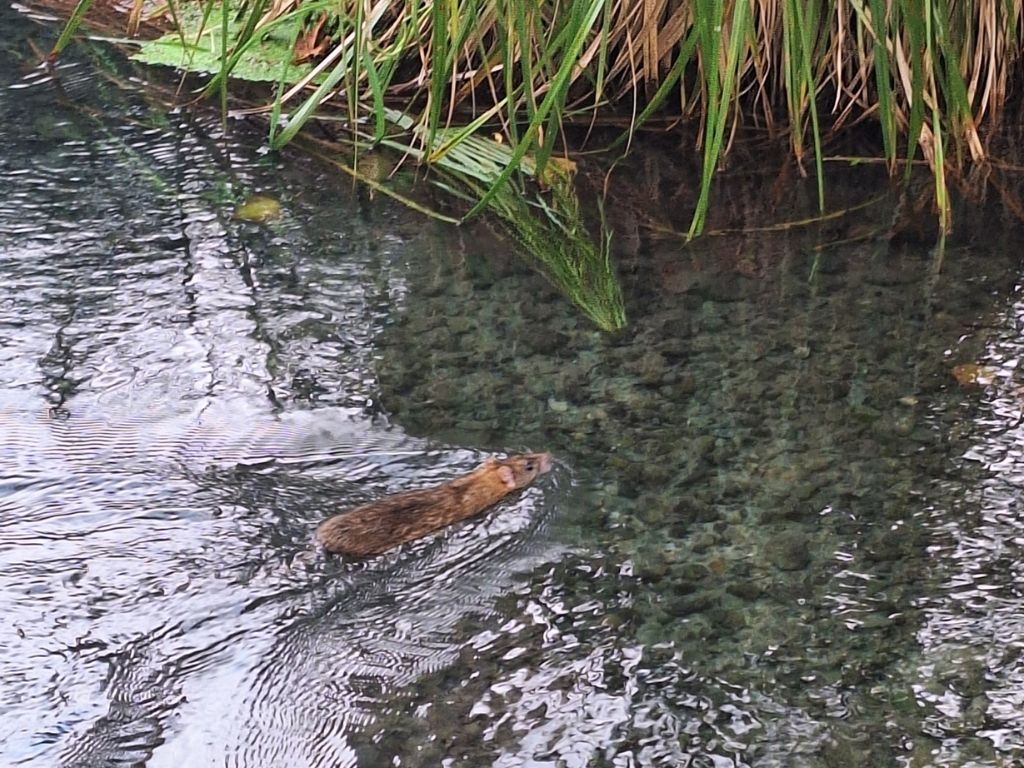
Unlike tree-climbing ship rats, they stick close to the ground, but they do like to swim, travelling across rivers and large stretches of water. Norway rats will also use the same paths or runs (unlike ship rats that move about their entire territory), which create well-worn paths from their nests to food or water sources. Moving unsuccessful traps and looking for these runs, usually along walls, fences, or pipes, is a good idea.
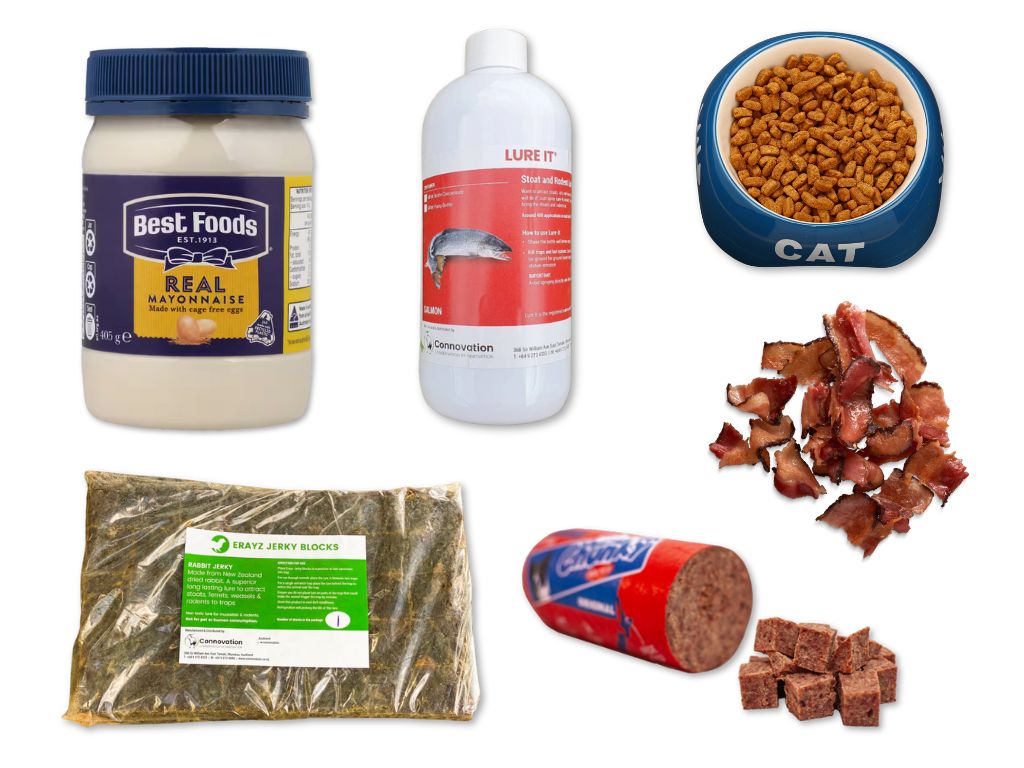
When it comes to food, Norway rats prefer fatty meat-based lures and proteins – so if you’ve only been using peanut butter as a lure, you won’t catch many. Cooked bacon, fish oil, or dried pet food or rabbit are recommended.
Try pre-feeding, placing a non-toxic lure in traps or bait stations. For example, securing a large chunk of rabbit in a mesh cage and pinning it to the ground, or scattering cat biscuits, dog roll, egg-based mayonnaise, fish oil or salmon pellets around your trap will increase interest (these lures can also attract mustelids or cats).
The rat will also bring it back to their colony, telling everyone your trap is an excellent source of tasty food.
For more expert-backed information on how to target Norway rats, check out our species-specific guide (PDF, 3.8 MB).