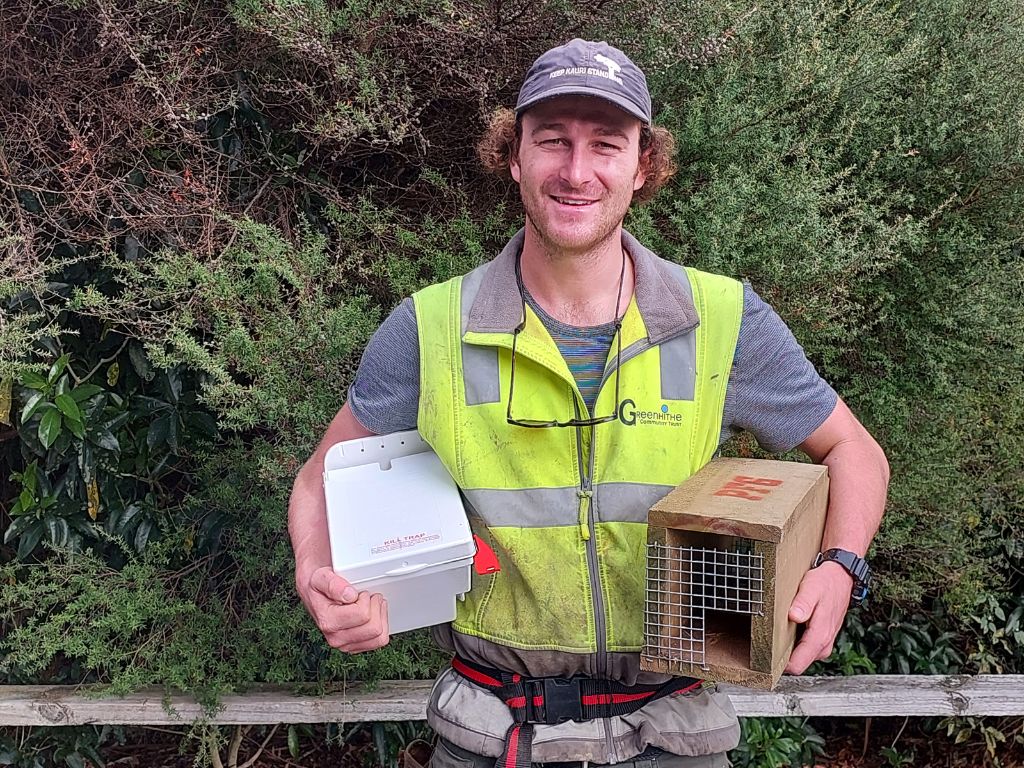
There’s no one-size-fits-all approach to predator control. In the hands-on guide to predator control, a group of experts agreed on seven solid principles that will help you make smarter decisions and get the most out of the time, money and people you have available.

These principles will provide strong direction for you to start with, leaving room for you to tweak your approach based on location, habitat, budget, season, time available, and experience. You can download the detailed breakdown of each principle here (PDF, 1.6 MB).
1. Know your outcomes and goals
Without clear goals, it’s hard to know if your work is making a difference. Begin by asking: What species am I protecting? What predators am I targeting? Am I aiming for initial knockdown or ongoing suppression?
Set realistic targets. Identify the native wildlife improvement you’re aiming for, and the reduction in predator numbers needed to get there.
Keep good records. Monitor predator numbers and changes in the species you are trying to protect. This will help you spot what’s working — and what’s not — and adjust your approach.
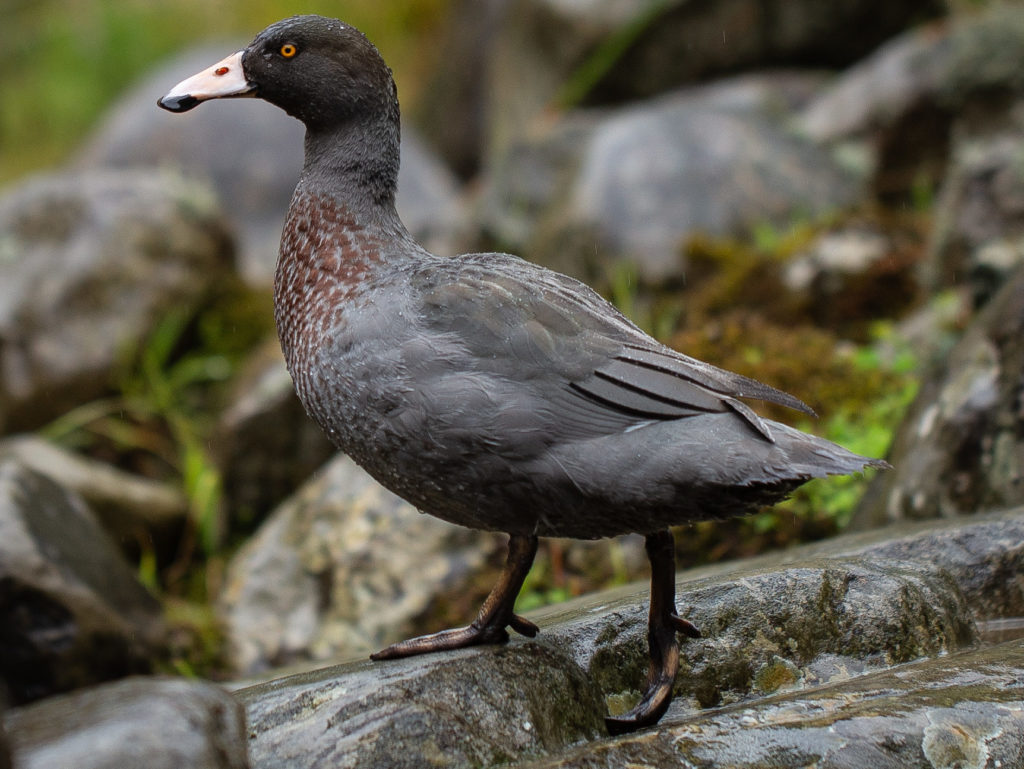
2. Understand your target predators
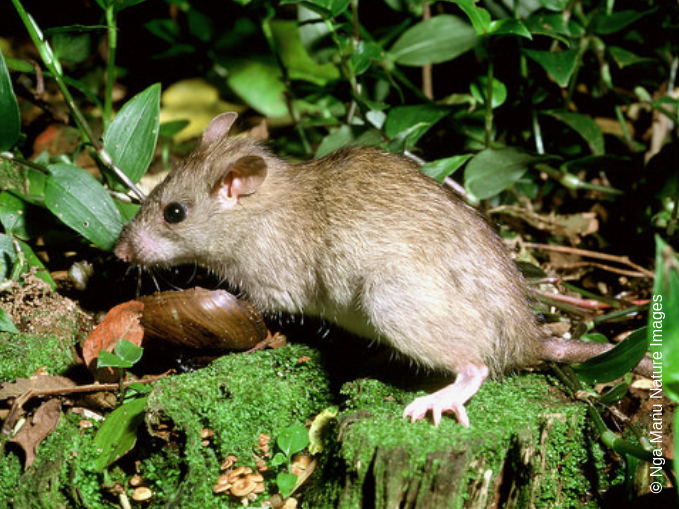
Animal behaviour isn’t static. It changes with season, habitat, and food supply. What works once may not work next time, so being curious and adjusting your approach will go a long way.
Think like your target predator. Try considering how predators behave in a specific location. Dense vegetation, food availability, waterways or human activity can affect how predators move and interact with traps. In these species-specific guides, we provide insights into introduced predator behaviour.
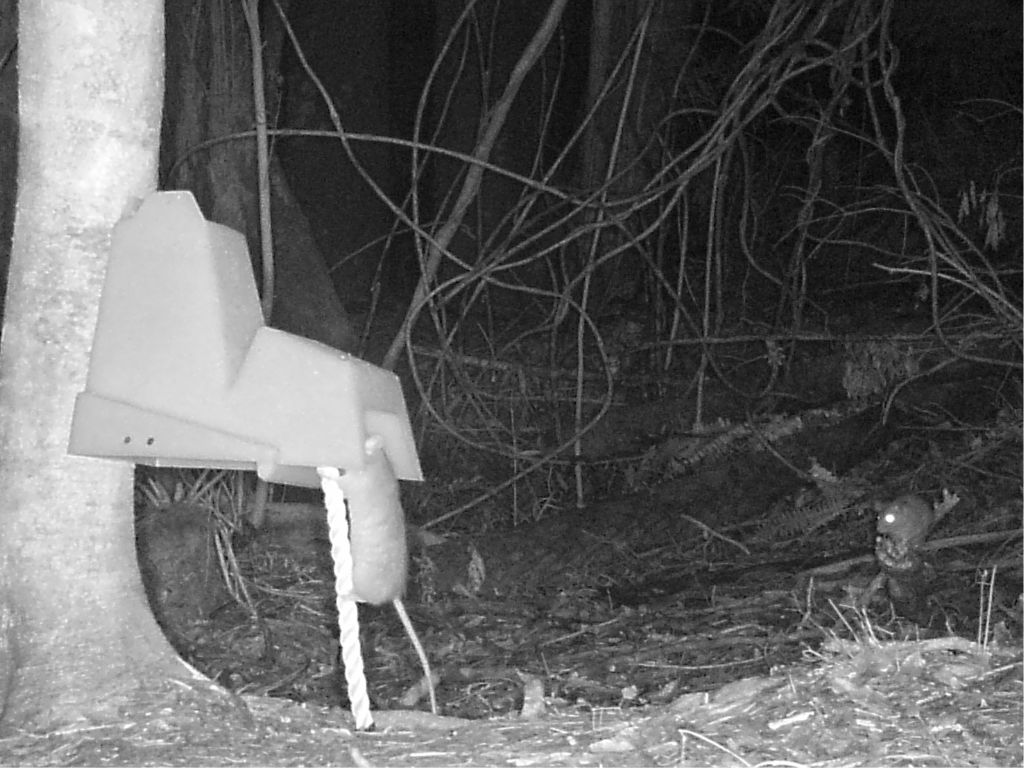
Try using cameras or tracking tunnels to understand how and why animals interact (or not!) with your traps and bait stations.
3. Take your time, reduce caution
If a predator has a bad experience with traps or bait stations (e.g. becomes scared of wobbly traps or gets sick from a sub-lethal toxin dose), they may avoid them for good. Building trust takes patience.
Pre-feeding builds trust, associates your device as a food source and increases the chance of success once traps are set or toxins added. Place unset traps with lure in place for a while before setting them, allowing animals to get used to them.
Animals may take a while to interact with devices, not necessarily because they are trap-shy but just cautious. Keep an eye on it and adapt your approach if needed.
4. Play the long game
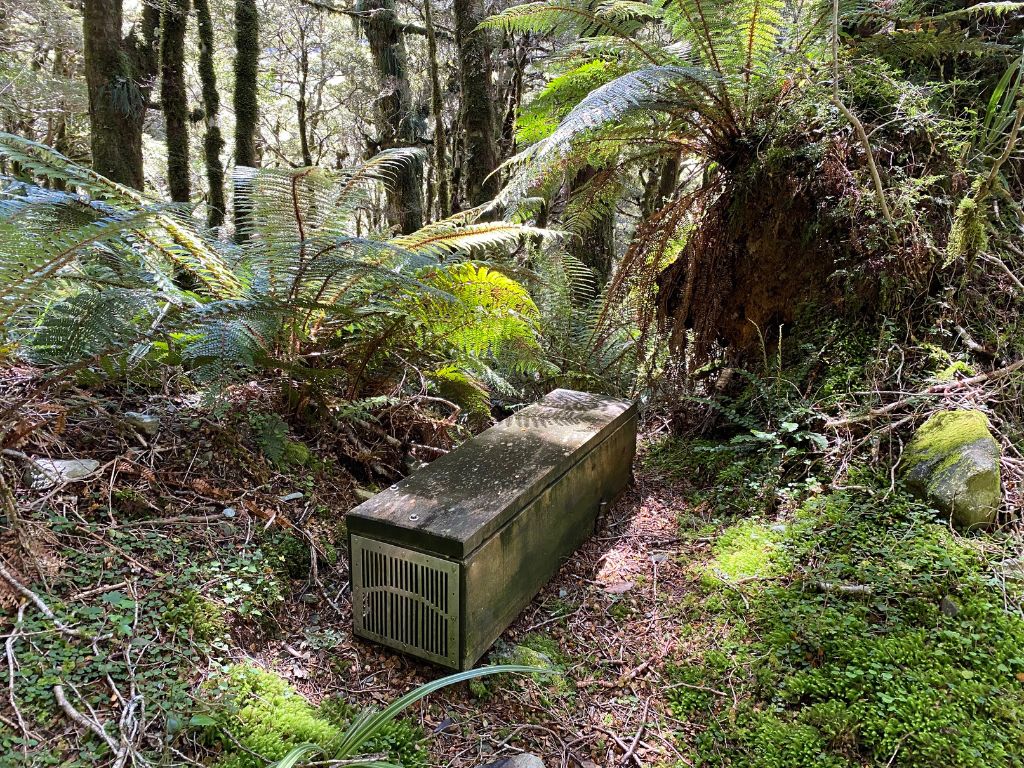
Upfront investment can save costs over time, so invest in durable and effective tools.
Your traps may not need to be safe for kea or kiwi right now, but if those species rebound or are reintroduced, consider what safety precautions you need in place.
It is useful to consider ‘cost per catch’ rather than ‘cost per trap’, i.e. a more durable and powerful trap might be a better investment than several cheaper ones.
More durable traps (e.g. treated wood and stainless steel) may be heavier to transport, but this effort is a one-off compared to replacing traps over time.
5. Maximise quality at every set-up
Small changes can have big impacts. It’s better to have fewer devices performing well than spread yourself too thin.
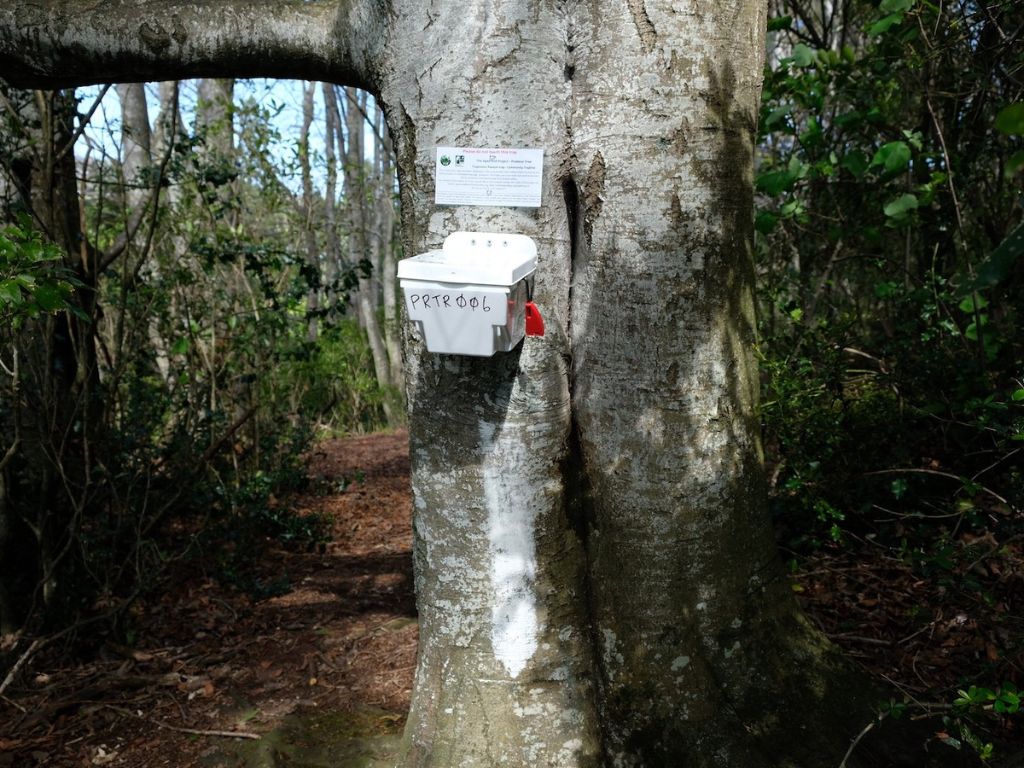
Your trap or bait station is competing with natural food sources and environments, so ensure it stands out to predators by making it appealing and inviting. Lure and blaze around the area, and scuff the entrance.
Schedule maintenance into your plan to ensure everything works as it should. Check that traps are calibrated, weight-tested and firing well, and that the lure is appealing and replaced regularly.
6. Be flexible: adjust device placement and timing
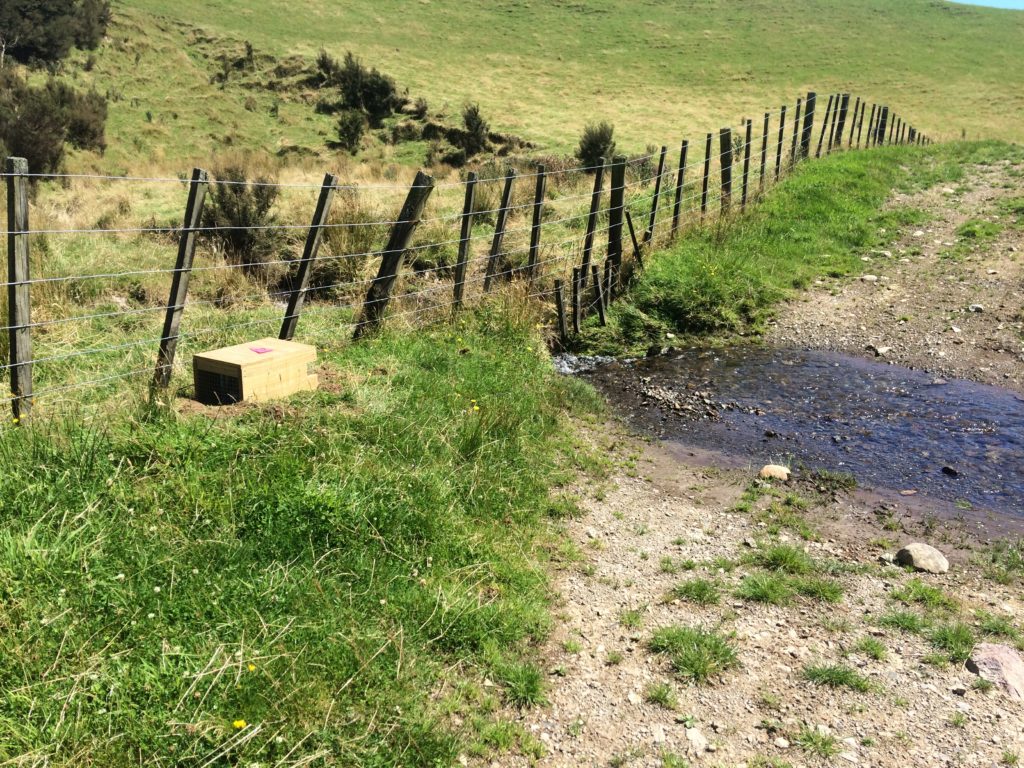
Observe what’s working and what’s happening in your project space. As predator numbers change, adjust device placement, seasonal deployment, and how often you check devices.
Place traps and bait stations along linear landscape features like ridgelines, rivers, and tracks where animals are most likely to travel. It is better to pick good natural features than stick to a rigid grid.
Consider the seasons and vulnerable times for the species you are trying to protect. You may need to intensify your efforts at certain times within the year, e.g nesting or change your lures based on seasonal availability of natural food sources.
7. Keep it real
Big goals are great, but only if they’re achievable. Every project has limits — budget, time, and people. Use these principles to improve the efficacy of your predator control, but tailor it to what you can sustainably manage.
Consider trap numbers, location and density. Weigh this against the number of people involved and how frequently they can service the traps.
Choose lures and replacement schedules carefully. Lures can lose appeal over time. Some lures (e.g. whole eggs) last longer; others (e.g. meat) dry out or rot quickly. Align your lure strategy with your trap-checking schedule to strike the right balance.