
Otago Peninsula is possum free, and residents have been enjoying the impacts: thriving native gardens, trees fruiting for the first time and more birds than many can remember.
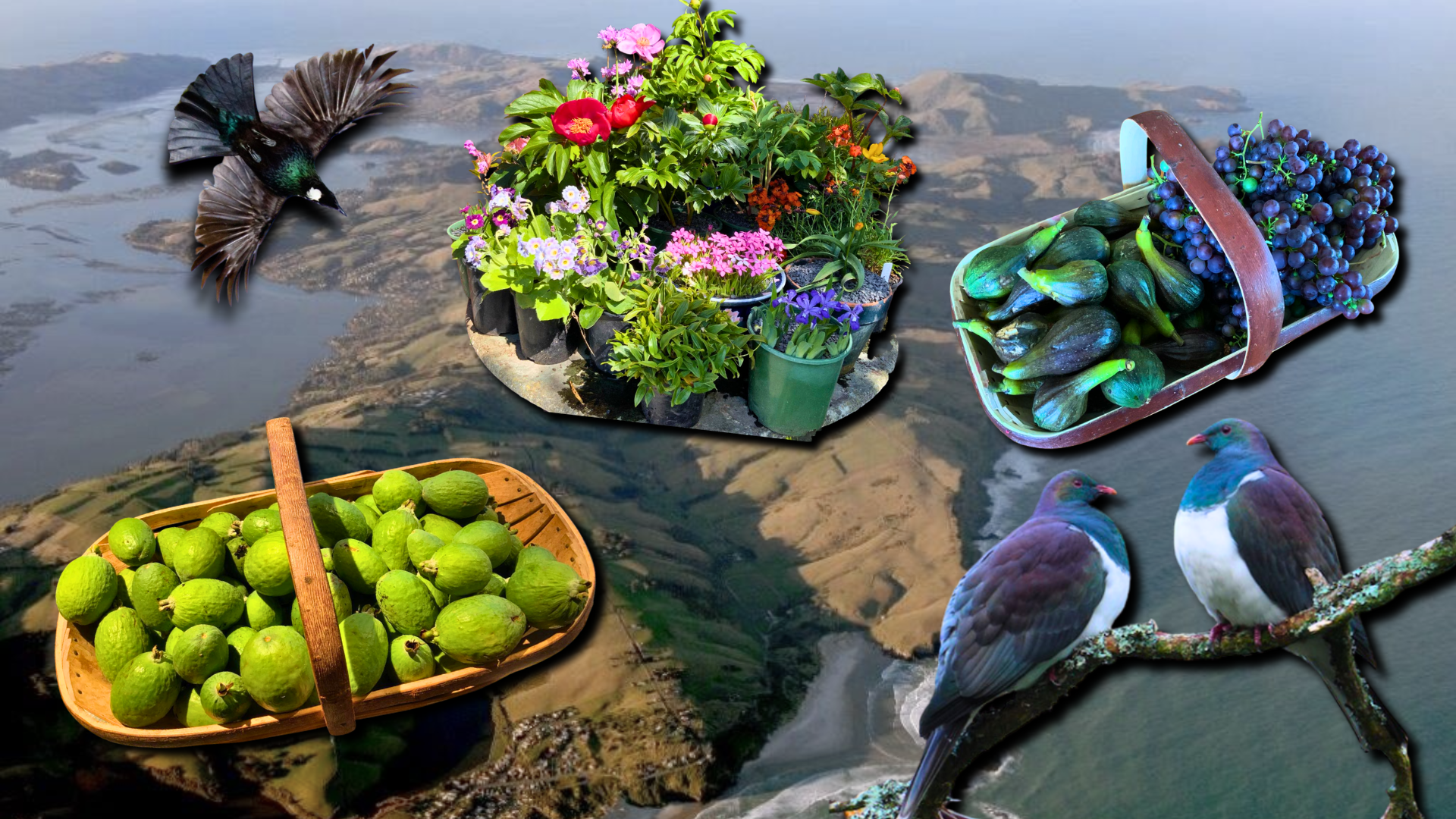
If you want proof of change, just stand still, look and listen. Across the coastal hills and sheltered valleys of the Otago Peninsula, the bush is more lush and the song of korimako (bellbird), tūī and riroriro (grey warbler) rings out.
More than 25,000 possums have been removed since 2011, and residents say they can see and hear the difference.
The peninsula-wide effort steadily squeezed predator numbers valley by valley. What began as the Otago Peninsula Biodiversity Group suppressing possums shifted to full elimination, led by Predator Free Dunedin: filling coverage gaps, using advanced technology, intensifying monitoring, and responding immediately to signs of possum return.
A forest where scrub once stood
Thirty years ago, Rob Tipa’s (Ngāi Tahu, Ngāti Kahungunu) property was mostly cocksfoot grass, scrub and weeds. Banana passionfruit tangled throughout, and ivy grew wherever it could. The land was deemed too unstable to build on, so Rob and his partner turned it into a native forest.
Tōtara and ngaio went in first.
“We had no idea how it could go from scrub hillside to established native bush,” Rob, who authored a book on traditional uses of NZ native plants, says.
It took some time for that growth to happen, hindered by possums and rats.
Possums particularly favour tōtara, eating shoots and buds, effectively killing off new growth.

“In the early days, we had [possums] running along our balustrade, playing chicken with our cat.”
As possum numbers declined and a canopy slowly formed (one that’s now 12 to 15 metres high in places), the native bush began to take off.
Ferns appeared on their own, with six native species self-establishing beneath the trees.
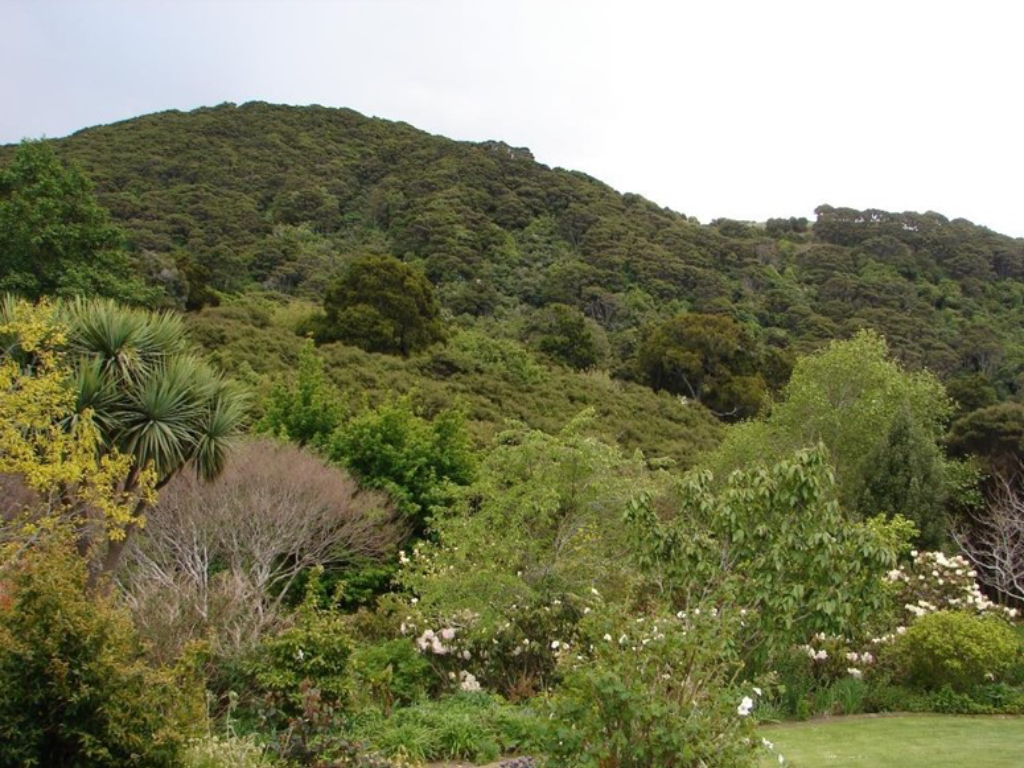
Peter Cooke, who runs Hereweka Garden Retreat, has watched a similar transformation unfold across his property.
When he bought the land in 1982, it had been cut over for firewood.
“Now it’s a forest. It’s an ecosystem.”
But like Rob, it didn’t happen overnight. For years, planting felt slow. Then, as the native trees matured and began dropping leaf litter, the soil changed, and fertility improved. Planting got easier.
“Now it’s going ahead in leaps and bounds.”
The garden is so different that sometimes, Peter says, they sit on their property and wonder how on earth they created it.
The chorus gets louder… a lot louder
Possums affect wildlife in several ways. They will prey on eggs and chicks, compete with tūī and kererū for fruit, nectar, and leaves, and also damage habitats by overbrowsing trees.
Rob remembers when tūī were seasonal; now they’re almost year-round residents. Two or three breeding pairs feed together as younger birds, likely born on the property.
“If we have the windows open, we’re woken by a dawn chorus we never used to hear,” he says. “[It’s] almost deafening.”
Rob credits his partner, Stella McDonald, for growing much of the fruiting trees that the birds now enjoy.
“She’s a very good gardener, really, she can grow anything.”
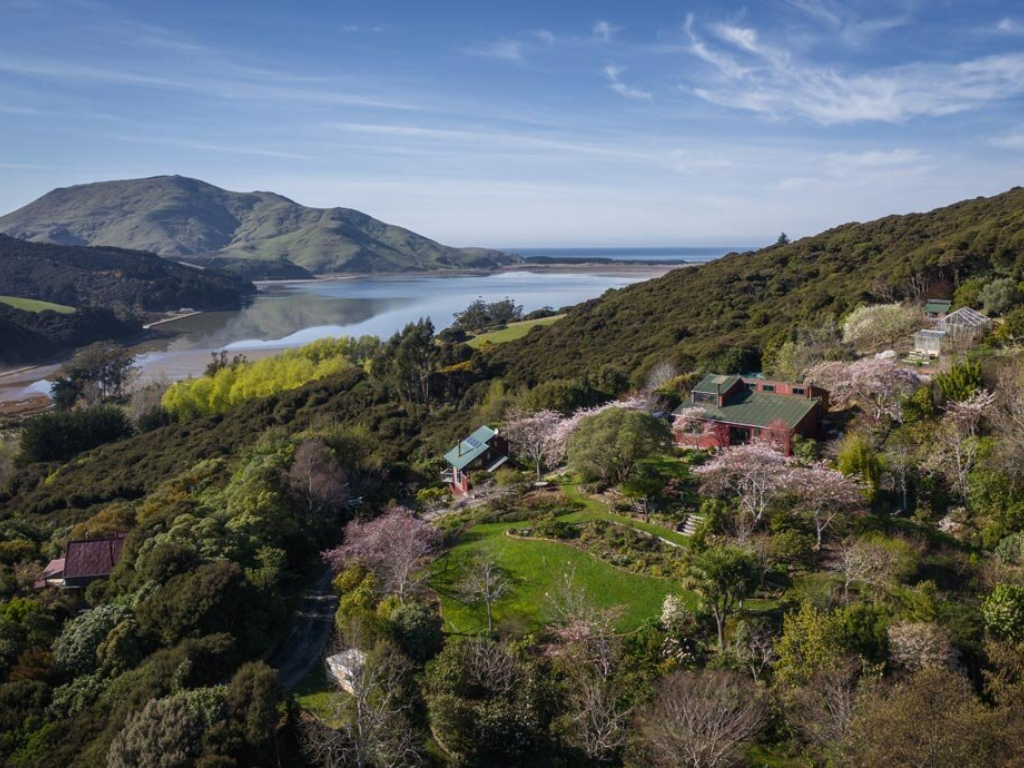
He calls her a plant whisperer – one who has helped turn the section into “our happy place”.
Peter’s timeline has been different, but just as telling. It took 18 years before he saw a tūī on his land, 22 before a kererū appeared.
Now both species are regulars. Even New Zealand’s smallest bird, titipounamu (rifleman), is present.
“The whole valley rings out with bellbirds and tūī,” he says.
For Peter, a thriving garden and birdlife are important in a different way too: for his business. There’s a small accommodation unit on the property where guests can enjoy a boutique eco-garden retreat. The flowering plants, the dawn chorus, are integral to that, he says.
“They absolutely love the area… the birdlife is prolific.”