
Every trapper has felt the same frustration when checking a trap and finding the lure gone, but the trap still set. Why is it disappearing, and what can you do about it?
Peanut butter, mayonnaise, Nutella and dried meat are tasty treats to lure in rats and stoats, but they aren’t the only ones who enjoy those flavours.
Sneaky mice, slugs and wasps will sneak in and nibble or slurp up your lure without triggering the trap.
For traps in wooden tunnels, mesh tea strainers are an excellent trapping accessory to help with this issue. Not for brewing the perfect cuppa, but for keeping your bait safe from non-target nibbles.
By placing your bait inside a mesh tea strainer and securing it in the trap tunnel, you can keep it safe from mice and slugs while still luring in your desired predators.
The scent will still escape to attract predators, but mice and insects can’t eat or haul the lure away.

Disappearing lures are so common that a frustrated trapper took to his 3D printer and created LureGard, an egg-shaped device to hold your lure.
It guards the Erayz, fresh meat or peanut butter, while also doubling as a fake egg to attract predators visually and is available to buy online.
Tea-strainers in action
Tracey Murray, trapping field officer for ‘Battle for the Banded Rail’, discovered the effectiveness of mesh tea strainers first-hand. She bought 150 mesh tea strainers online.
“You put the bait inside the tea strainer,” Tracey explains. “We aren’t targeting mice, but mice have been taking our bait and don’t set off the trap. The mesh stops the mice from getting it, so we don’t have to keep replenishing it as often. Using the mesh strainers also prevents wasps from eating the baits over the summer months when they are also a problem.”

It’s not just community groups getting creative with trapping solutions. The Department of Conservation (DOC) has also embraced the use of tea strainers in their large-scale eradication efforts on two islands in Fiordland.
After stoat prints were detected on Chalky Island and two rats were found on Resolution Island, DOC swung into action.
The team sourced 500 metal tea strainers to hold peanut butter, which rats love, and placed them inside the traps to stop mice from nibbling the bait.
To further protect the lure from mice, hang the strainer higher up in the trap beyond their reach. Placing bait high up on a nail on the side of the trap box has a similar effect.
If that’s not working, another option is tying down a firm bait, such as dried fruit, firm cheese, or a nut with a thin string (think cotton thread or dental floss) and then smearing it with Nutella or peanut butter.
Add another trap
Mice can be real troublemakers, not only stealing lure for other predators but on native wildlife. Mice eat native lizards and insects and even bird eggs and chicks.
If they keep getting into your trap, it’s time to bring in the reinforcements. Placing a mouse trap in the back of your trap box will deal with your mouse problem, and the catch will also attract introduced predators like stoats and rats looking for a meaty meal.
Check your trap
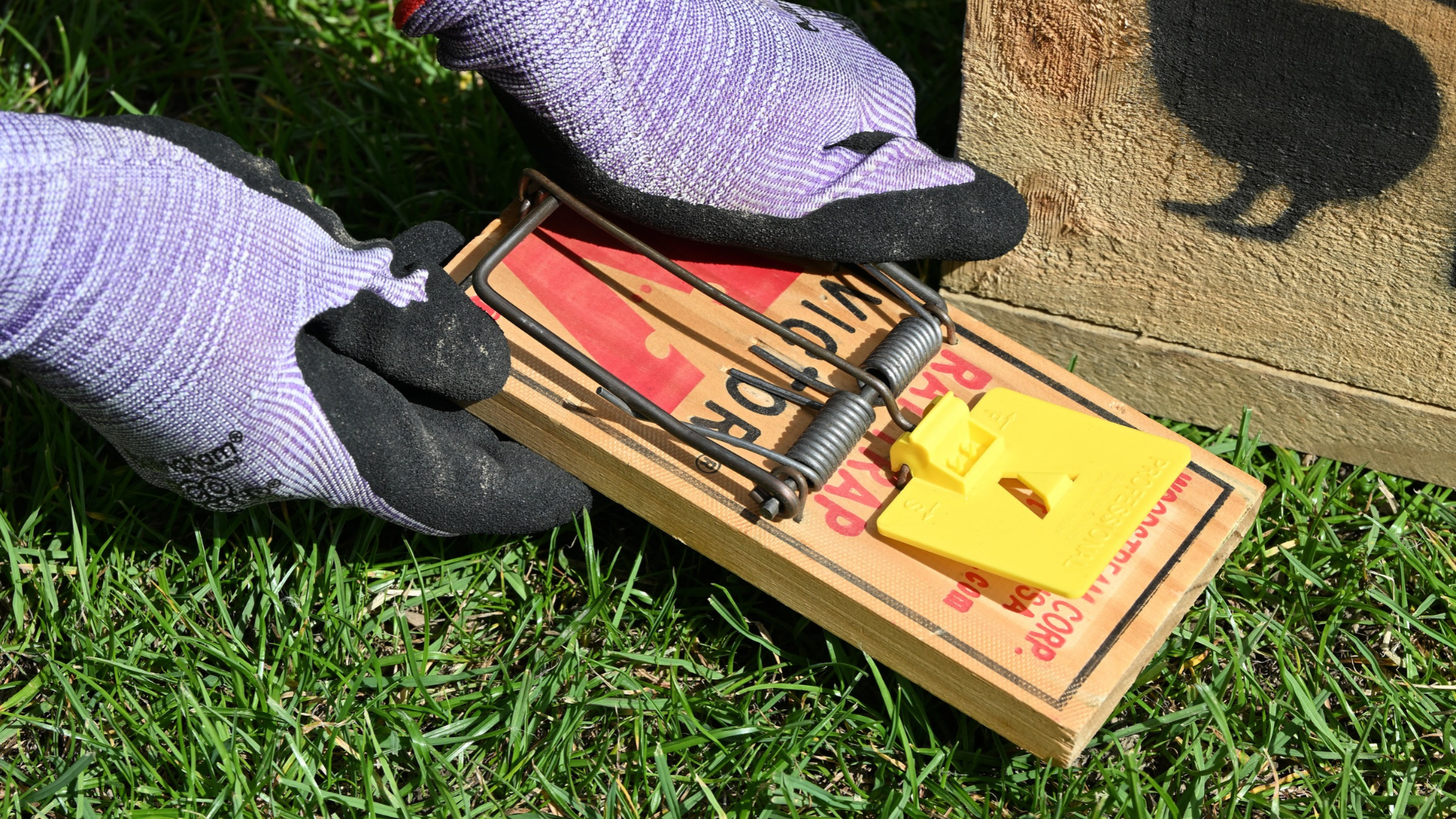
A missing lure could mean your trap isn’t set sensitively enough. If it keeps happening, test-fire your trap to check it is working. Make sure DOC series traps are calibrated correctly, and set Victor Professional rat traps to sensitive rather than firm. This will ensure the trap fires when a target steps on the treadle.