
Is peanut butter not attracting predators like it used to? Let’s shake things up with five lures that’ll make your trap the hottest dining spot for introduced predators.
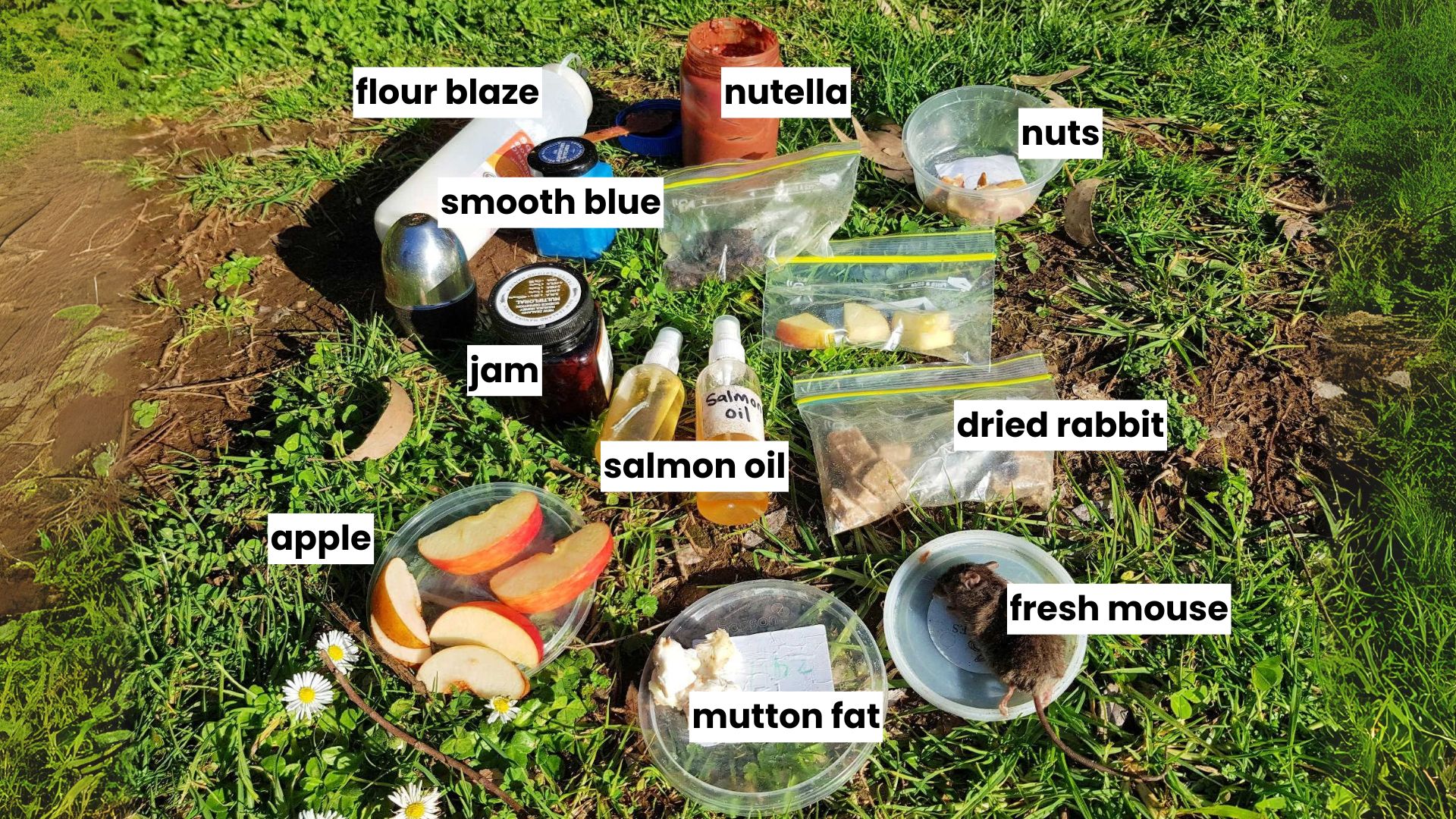
With their predator buffet, two New Plymouth trappers have really upped their game and their catches. Neighbours Janet Murdoch and Shelley Prestney started off setting a rat trap in their own gardens that they baited with peanut butter. Fast forward three years and they are now master urban trappers.
They’ve gone from looking in a trap and adding peanut butter, to now carrying quite a kit with them full of a smorgasbord of baits, or as Shelley says, “a predator buffet”.
They now check rat, stoat and possum traps, and their trapping kit is full of goodies, including different types of jam, a dead mouse, cinnamon, blaze, apple, oats, smooth paste, salmon oil and more. They have done a lot of trial and error, but also learned from experts such as Cam Speedy.
All that effort seems to be paying off as their catch rate has increased from what it was when they started out.
So, what’s the best lure to attract introduced predators to your trap? Unfortunately, there is no “perfect lure”. It all depends on factors such as the time of year, weather, and food availability. So it’s important to keep mixing things up and experimenting. Here are five enticing lures for you to try when peanut butter just isn’t cutting it.
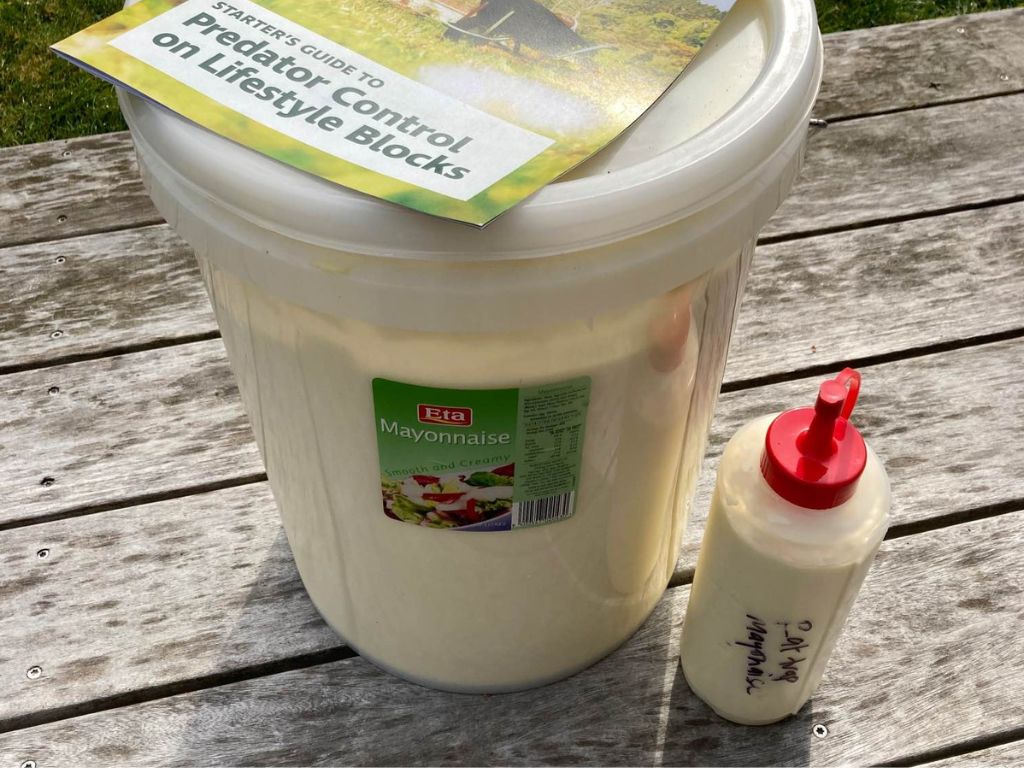
1. Mayonnaise
Egg-based mayonnaise attracts possums, rats, and stoats, as well as feral cats, because it’s fatty and protein-rich.
User Willowflat_warrior from a trap.nz forum shares their tip for extending your mayo mileage:
“A good way to both enhance [the mayo’s] appeal and to extend its field life is to give it a generous spray of white vinegar. Insects dislike vinegar, so the extra application is a good way to deter them for as long as possible. The extra vinegar also creates a stronger, longer-lasting smell, which increases the chances of predators finding traps.”
2. Raw mutton fat or beef fat
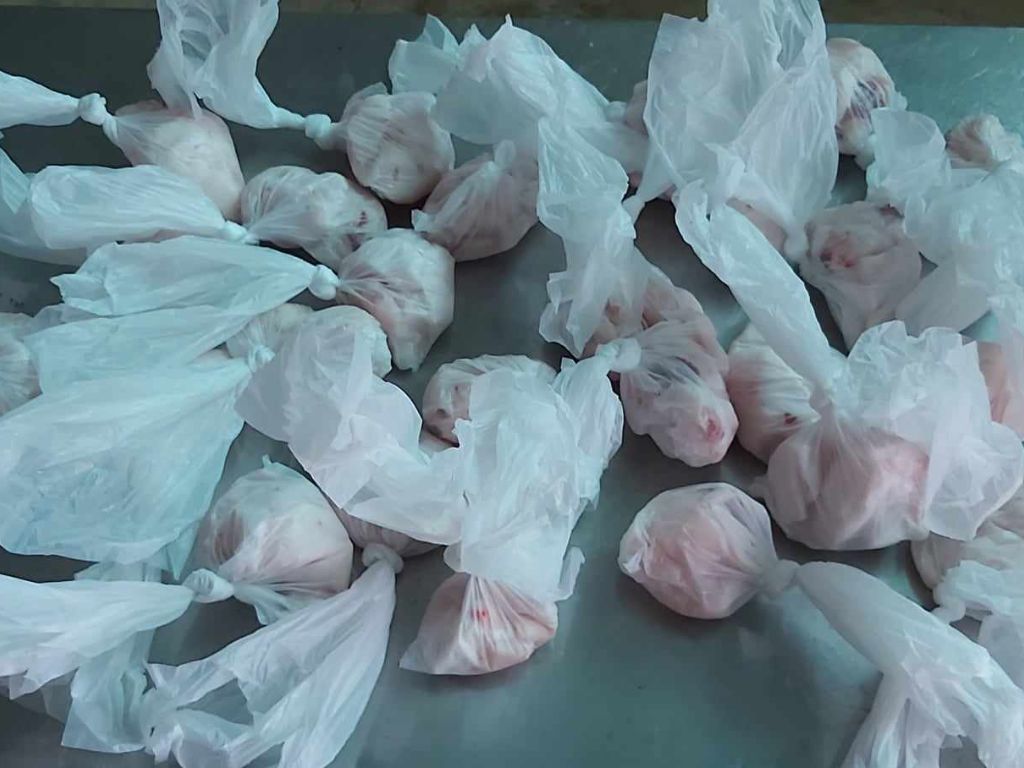
Raw mutton fat is a great lure for attracting stoats, ferrets and rats. Mutton fat can be hard to find (asking your local butcher is your best bet), so raw beef fat is another option, but not pork fat.
Freeze raw fat to prolong its lifespan. Rub the raw mutton fat on the mesh of your trap tunnels and add some inside your trap.
You can also lead a ‘Hansel and Gretel’ trail of fat leading to your trap. Be wary that this could attract cats and robins.
Avoid using cooked or rendered fat like dripping. Raw fat doesn’t go manky in warm weather and wasps aren’t attracted to it, so in areas where there are lots of wasps, this type of bait lasts longer.
3. Packaged lures
Convenient, targeted and long-lasting – packaged lures are another great option.
Eggs over easy, salmon oil, meat lovers or cinnamon delight – pick your flavour to suit your target predator’s tastes.
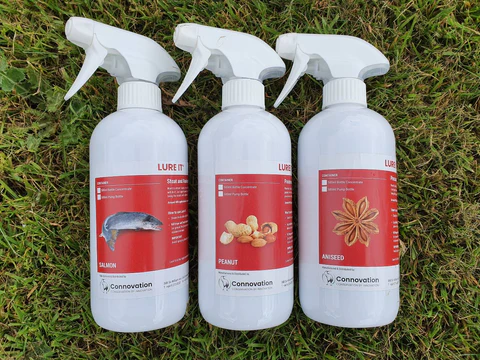
For example, Connovation sells Erayz jerky blocks, pastes, and strong-smelling spray lures in flavours like salmon, cinnamon, or chocolate, depending on what predator you are trying to attract.
Our online shop sells GoodNature lure pouches in several flavours, as well.
4. Flour blaze
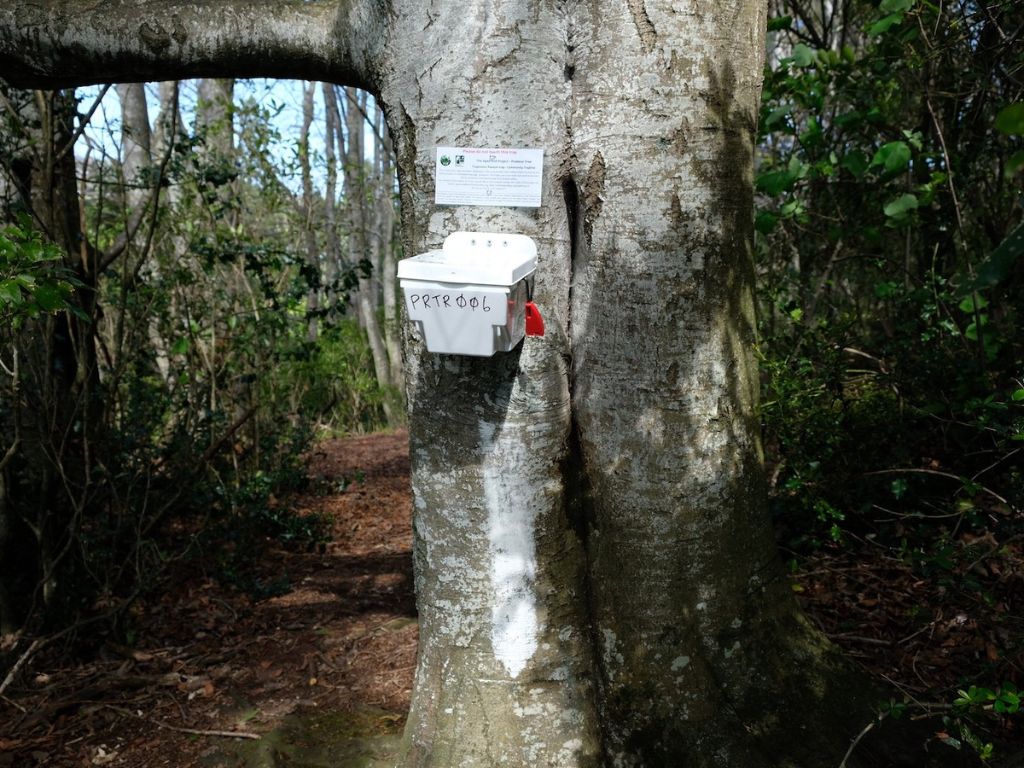
Possums forage using their sight and sense of smell. So using flour blaze, which is bright and smelly, is perfect for encouraging them towards your trap.
White flour is used as a visual attractant, icing sugar helps the mixture stick to the tree, and your chosen essence lures them in. See our effective recipe for possum sweet flour paste.
Once you’ve made your mixture, ‘blaze’ (sprinkle) the flour paste over and around the trees and ground near your trap (but keep it away from bait stations and traps because the flour will get all mouldy).
White flour stands out in the bush at night. The scent and sight of it will create curiosity and attract other predators. These creatures will create a scent trail on their paws, fur, and breath, leading possums right back to your trap!
5. Scrambled eggs
You may have already tried placing an egg in your trap as a great visual lure for rats and stoats.
Time to level up. Put a pin in the egg and blow out the yolk and whites, leaving the eggshell intact.
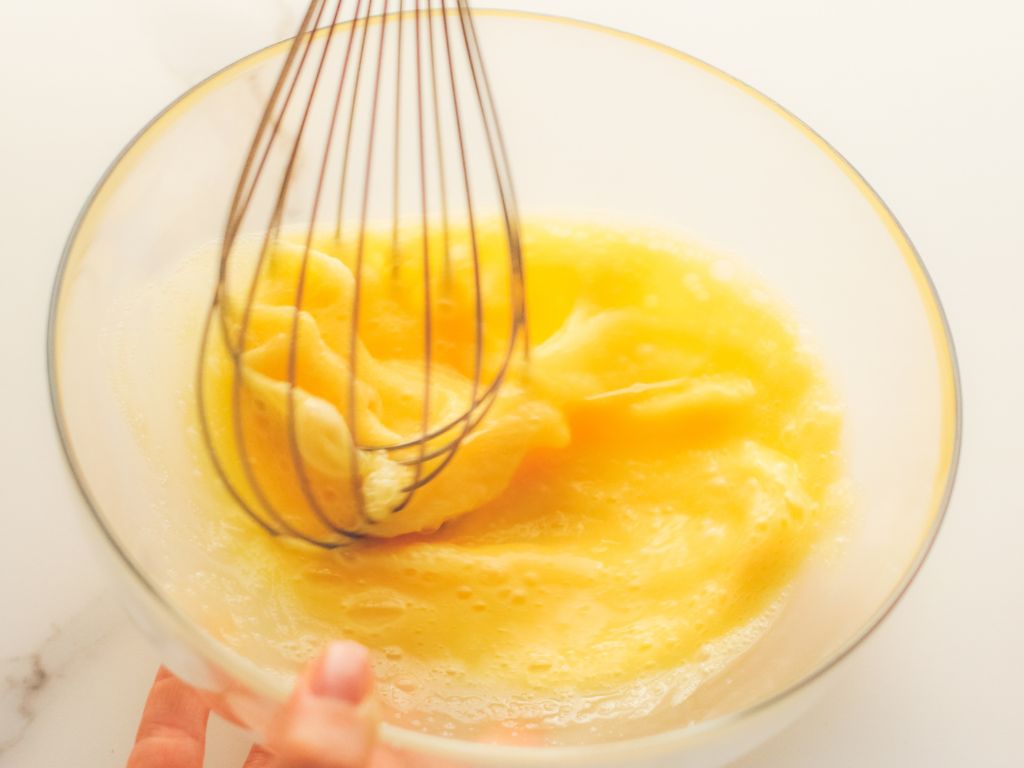
Whisk the yolk and white together; shaking them in a water bottle works well. Resist the urge to cook up a scrambled egg snack for yourself.
Place the eggshell inside the trap and squirt the egg mixture around the ground outside the trap.
This lure is perfect to use in spring and summer when birds are breeding, and eggs are found throughout the environment.
Finding the perfect lure requires experimentation and adaptation. There’s no one-size-fits-all solution.
You can give your new lure the best chance of success by:
- Cutting access to other food sources – like compost or rubbish bins.
- Take a page from trapping expert Cam Speedy’s book and try the one-third rule – one-third of the bait in the trap, one-third at the entrance, and one-third spread liberally in the vicinity. “Give away free stuff to bring them in.”
- Changing your lure regularly and disposing of it away from the trap.