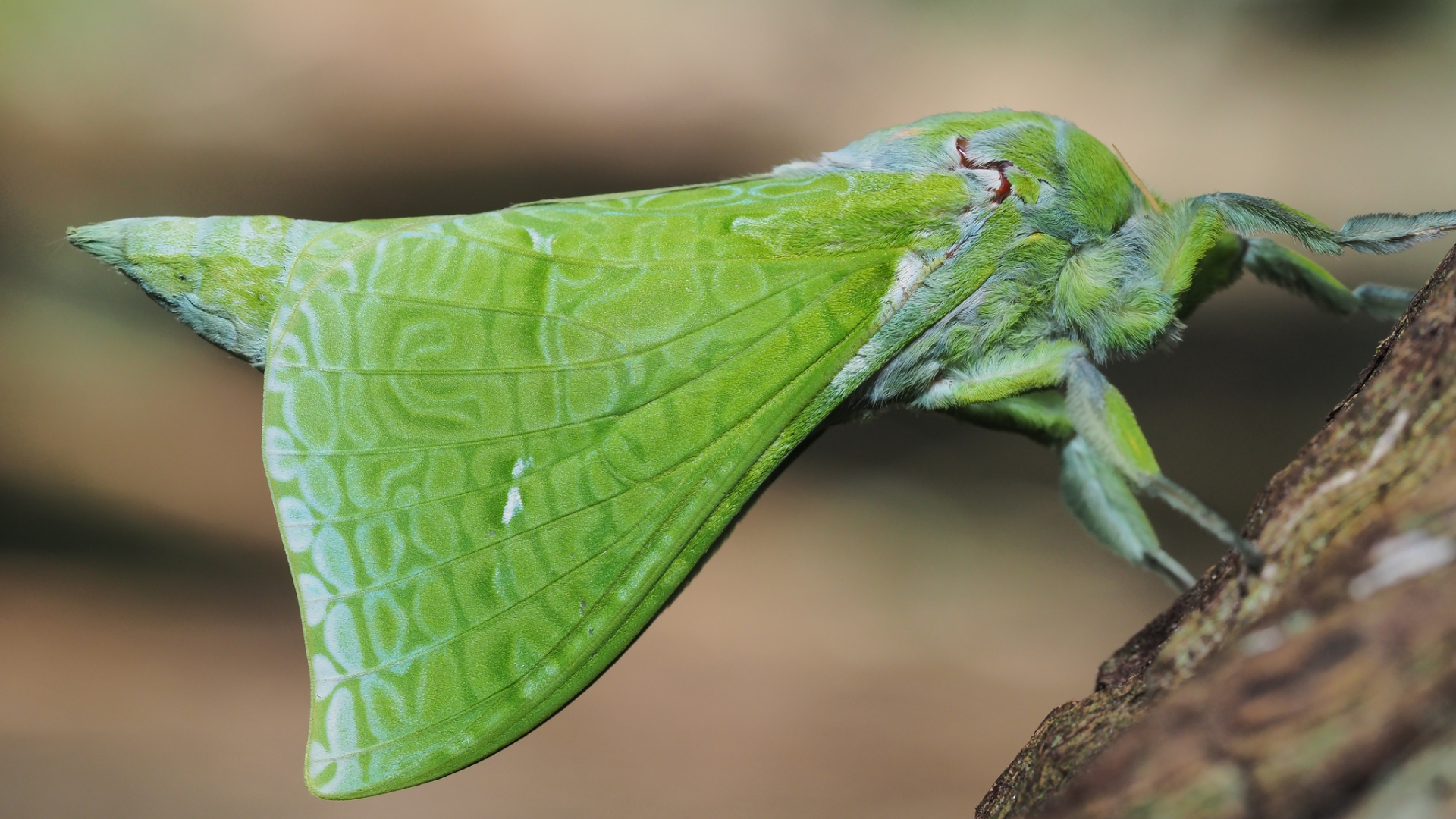
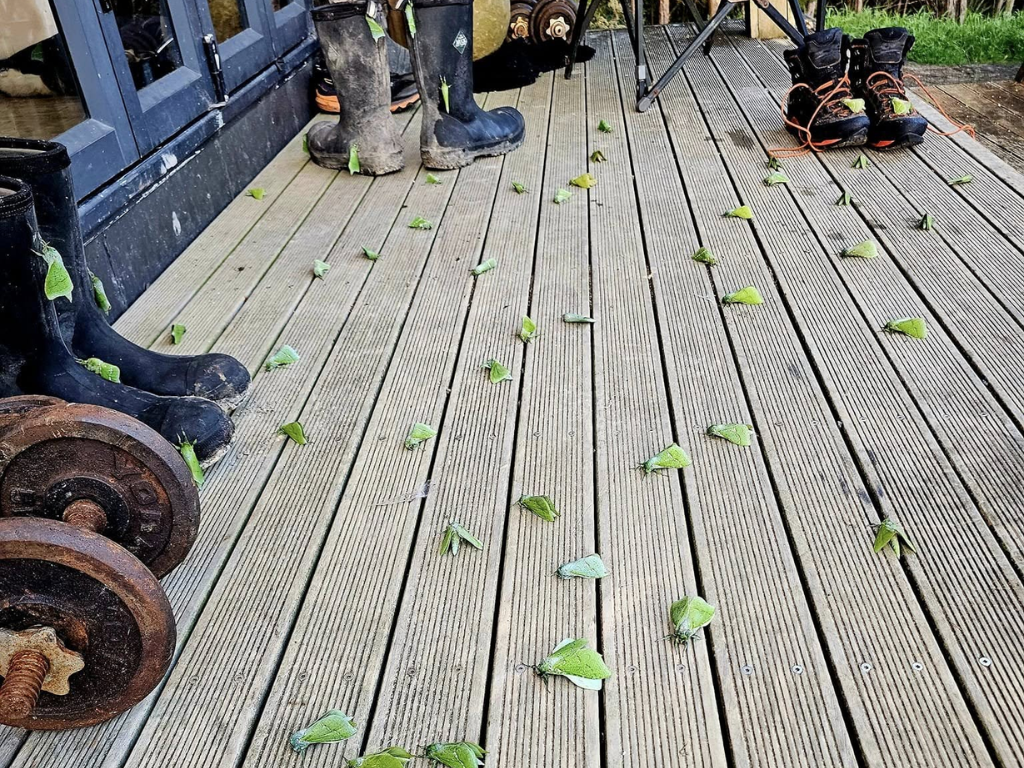
Great green moths are emerging from their cosy cocoon with only one thing on their minds: mating. October to December are peak pepetuna (pūriri moth) periods, but their lives are brief and focused, with only 48 hours to find a mate and lay eggs.
They only have 48 hours to live
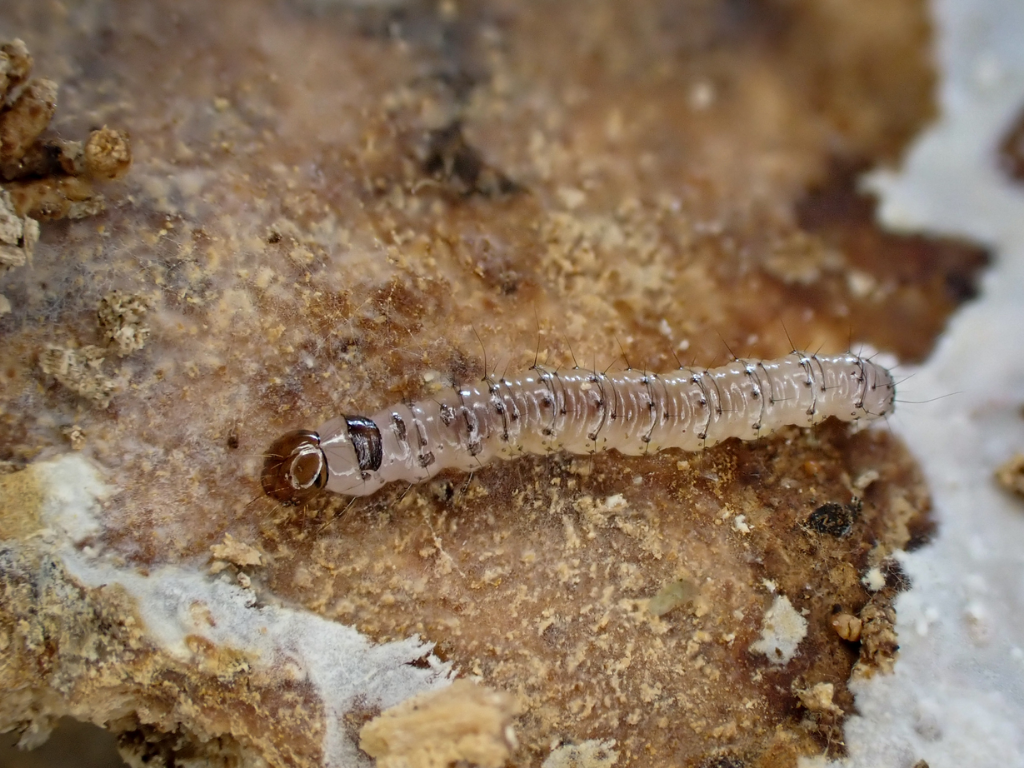
After five or so years as a tree caterpillar, living burrowed into pūriri, kanuka, beech, or putaputawētā trees, and then another six months as a pupa, the pūriri moth emerges in its green, velvety grandeur. Then the clock starts ticking.
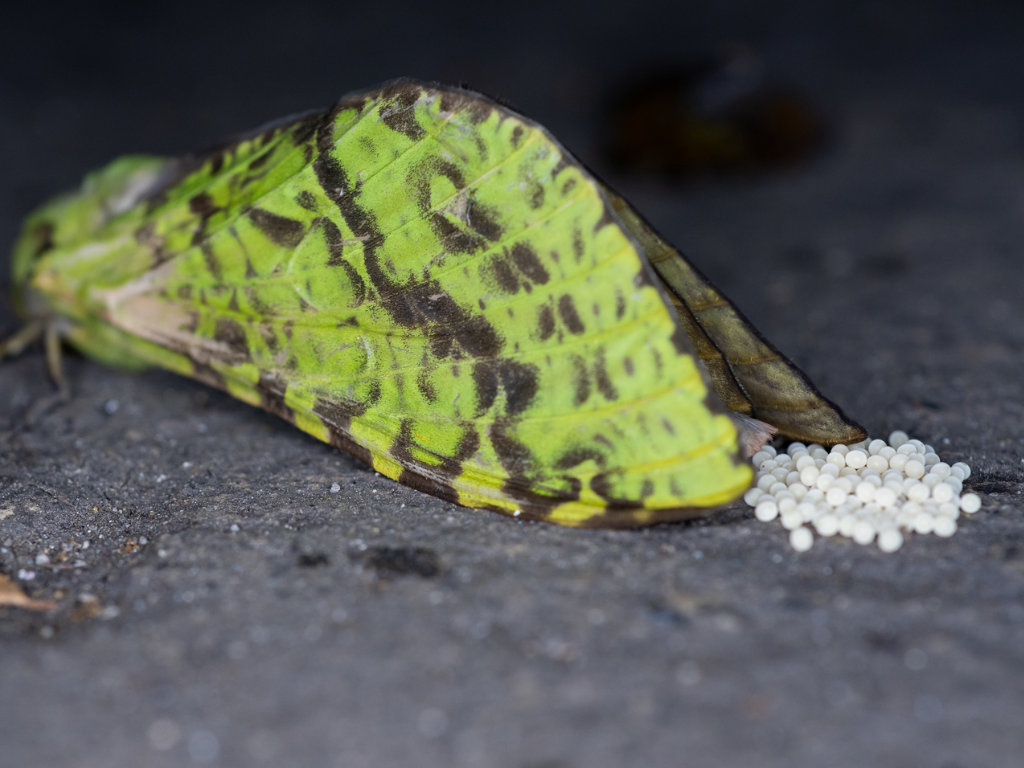
The adult moth lives for only 48 hours and has one task: mating. Females will follow pheromones exuding from organs on the male moths’ hind legs, homing in on the chemical signals. After mating, the male moths die. The female has a little more work to do, laying up to 2,000 pearl-like eggs only a millimetre round, and scattering them around the forest floor before her own brief life comes to an end.
They can’t eat
Adult pūriri moths have no mouthparts, so eating isn’t an option; instead, they rely on energy stored during their other life stages.
Pūriri moths are one of an estimated 1,880 butterfly and moth species (Lepidoptera) found in New Zealand, with 92% found nowhere else in the world. Some Lepidoptera species’ adults will sip sugar from flowering plants to prolong their lives, but for most, adult lives are so short they focus only on reproduction.
They are bigger than a bird
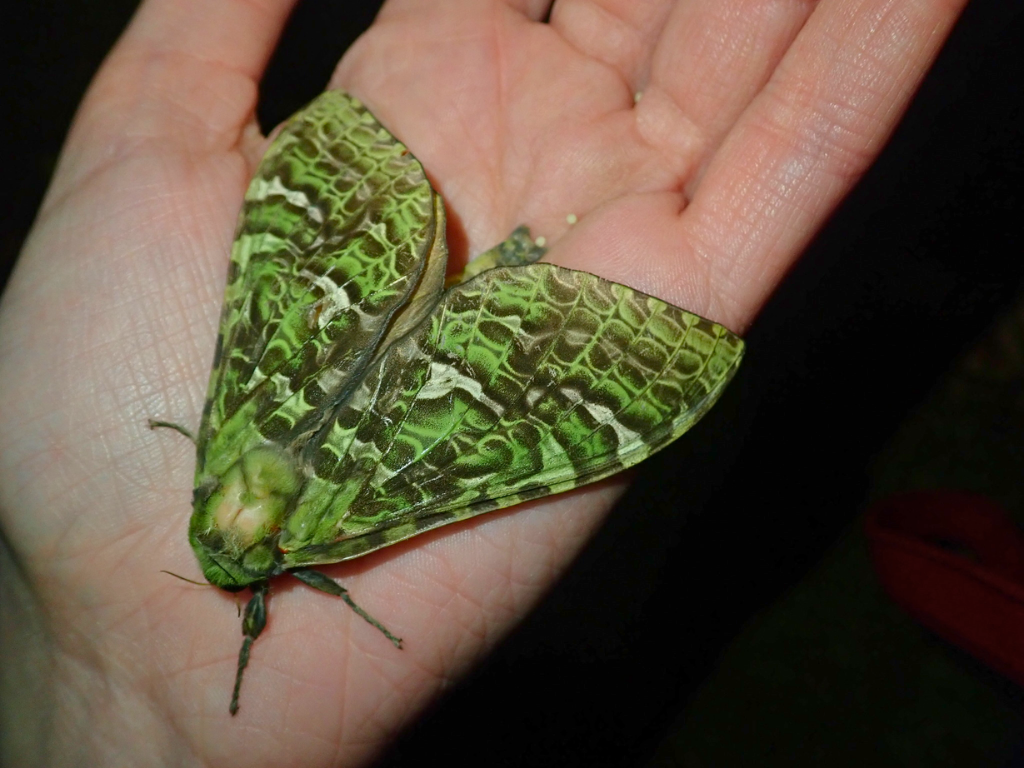
The female pūriri moth is the largest moth in Aotearoa, with a wingspan up to 15cm.
To put it in perspective, some of our smallest birds are shorter than a pūriri moth is wide. A titipounamu (rifleman) is 9 cm long, a pīwauwau (rock wren) around 10cm, a riroriro (grey warbler) 11cm, and the tauhou (silvereye) 12 cm.
The pūriri moth’s chunky, furry-looking bodies can take up most of a human palm, though we recommend resisting the urge to pick them up while they’re alive – they are moths on a mission after all, no time to waste.
They’re a meal for many predators
At different life stages, the pūriri moth is on the menu for a range of predators. Kākā will tear at tree trunks to reach caterpillars in their burrows. Evidence shows caterpillars as a primary dietary item for ship rats and Norway rats, but evidence of population-level impacts on particular moth species is lacking.
Ruru (morepork) and native bats will catch flying adult moths. Introduced mammals, including possums and cats, also prey on adults.
Pūriri moths are considered “not threatened” in the Department of Conservation’s 2025 threat classification report. Of the 439 moth and butterfly species included in the report, 154 are not threatened, while 231 are threatened or at risk.
The Department of Conservation identifies habitat change, climate change and invasive wasps as the three most severe threats facing moths and butterflies in Aotearoa.
They don’t all come in green
Pūriri moths are easy to tell apart from other moths. They are enormous, for starters, with vibrant velvety green forewings – except they don’t only come in green!
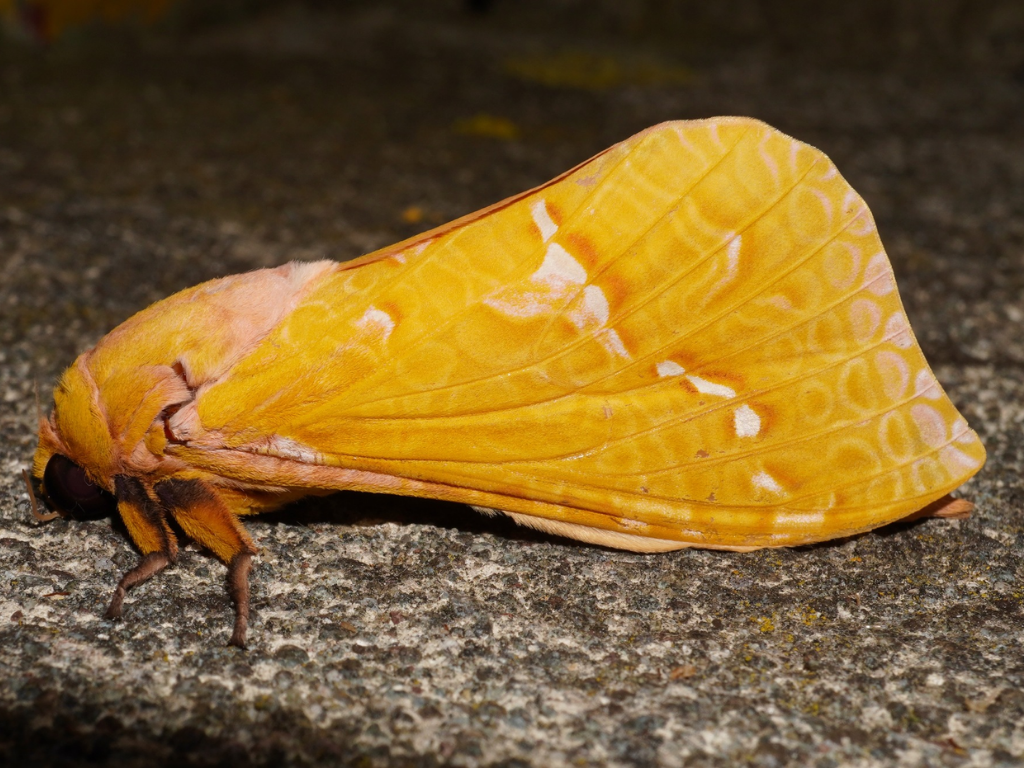
Colour variations, including blue-green, yellow, pink, and albino, have been recorded.
The sexes also differ subtly. The markings of the male’s forewings are white, while in females the patterning is more brownish-black.