
A rat trap in a backyard might seem like a small thing. Multiply it across thousands of homes, and it starts to be something much bigger. Thanks to the generosity of the Simplicity Foundation, we’re helping community groups grow their backyard trapping, get more people involved and give wildlife more room to thrive.
Groups funded by region
Northland
Project Bellbird
Once common in Northland, korimako (bellbird) are rarely heard around Waipū, but locals are working hard to get the tuneful song back. The Piroa Conservation Trust launched Project Bellbird, a community-wide effort to restore native wildlife by reducing rat and possum numbers.
After establishing an initial backyard trapping network in the first year of the project, the next phase focuses on keeping people involved, expanding the network, and improving trapping effectiveness. The group will also use ecology-informed monitoring to better understand where predators are active and target efforts where they can have the greatest impact.
Auckland
Te Henga/Bethells Beach
Predator control is going from the sand dunes to the streets at Te Henga (Bethells Beach). The rugged black-sand beach in West Auckland is home to endangered tūturiwhatu (dotterel), along with penguins and other coastal birds that rely on the coast to feed, nest and raise their young.
Introduced predators can move freely through gardens, streets, and reserves before running into traps at the dunes.
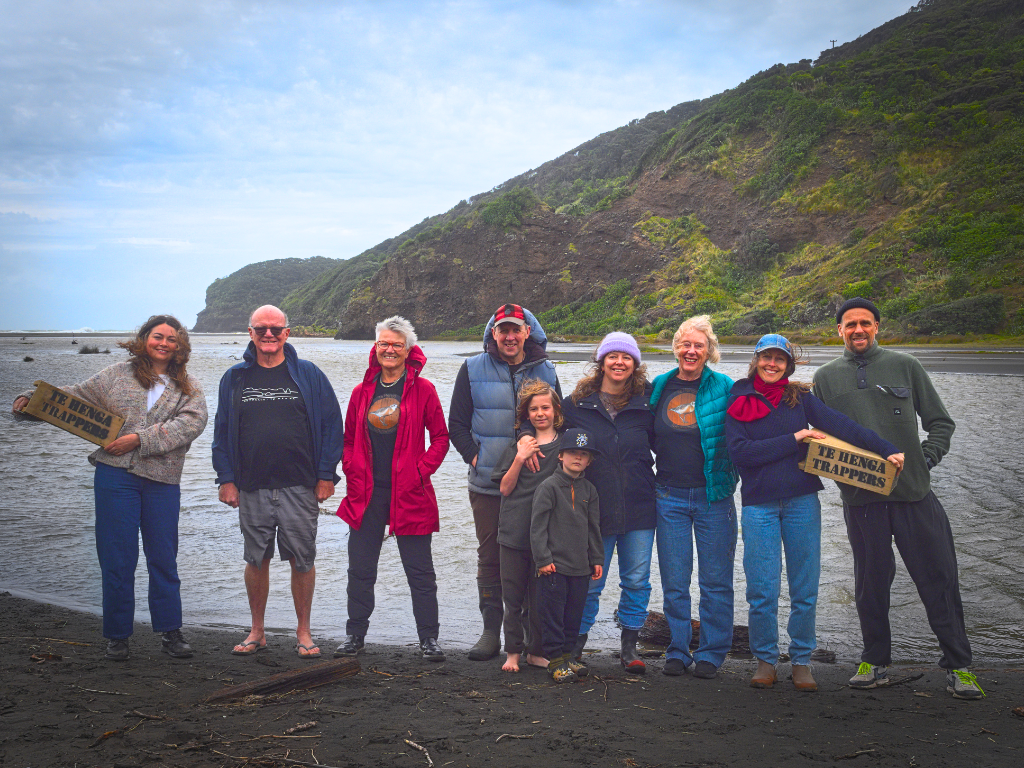
Te Henga Trappers believe it’s time to put a stop to that and will provide traps, training, and support for residents to build a buffer between residential areas and the beach.
Sustainable Waiuku
Volunteers have been protecting birds in the Waiuku Estuary, an arm of the Manukau Harbour, for years. Now, the community group wants to expand the work into the backyards of the 200 properties bordering the estuary to create a buffer zone.
Sustainable Waiuku will provide rat traps, monitoring tunnels and training to help households join the predator control network. Long-standing volunteers will work alongside families, new community members, Scouts, Guides, and Young Mariners to build tunnels, learn backyard trapping skills, and care for their local area.
Pest Free South Auckland
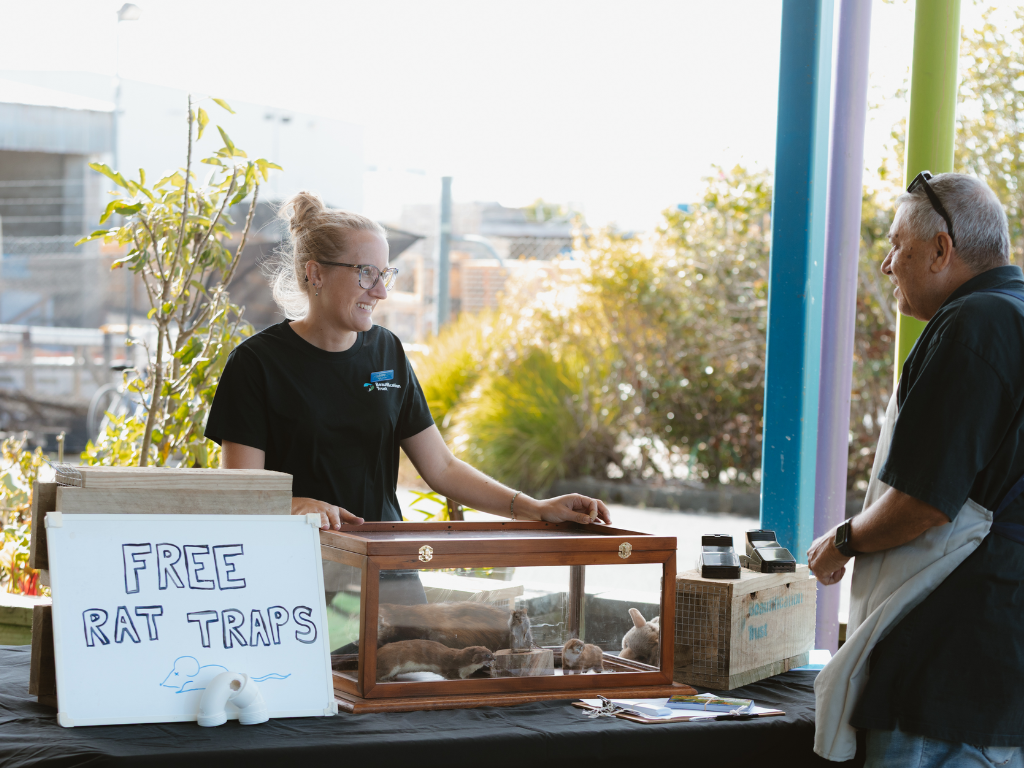
One in four homes across the suburbs of South Auckland are helping keep predator numbers down: that’s Pest Free South Auckland’s long-term ambition. To get there, the group is empowering local people with the tools and know-how to trap in their backyards.
Funding will go towards new traps to add to the more than 300 already distributed across Papakura and Manurewa.
Residents will learn how to set them safely, choose effective locations, report catches, and dispose of them.
Huia Trapping Group & Cornwallis Petrelheads
Three scenic coastal settlements along the Manukau Harbour in West Auckland are joining forces to grow backyard trapping. Huia Trapping Group is merging with the Cornwallis Petrelheads, and together they are bringing nearby Parau into the fold, creating a combined community of 492 households.
With new traps, the Huia group can help Cornwallis residents extend their regional park trapping into backyards, while also giving Parau residents the chance to get started. The goal is a bigger, more connected network that protects wildlife across the three communities and shares skills, expertise, and camaraderie.
Wellington
Pest Free Upper Hutt
A growing community of backyard trappers are helping restore native birdlife and bush across Upper Hutt, north of Wellington.
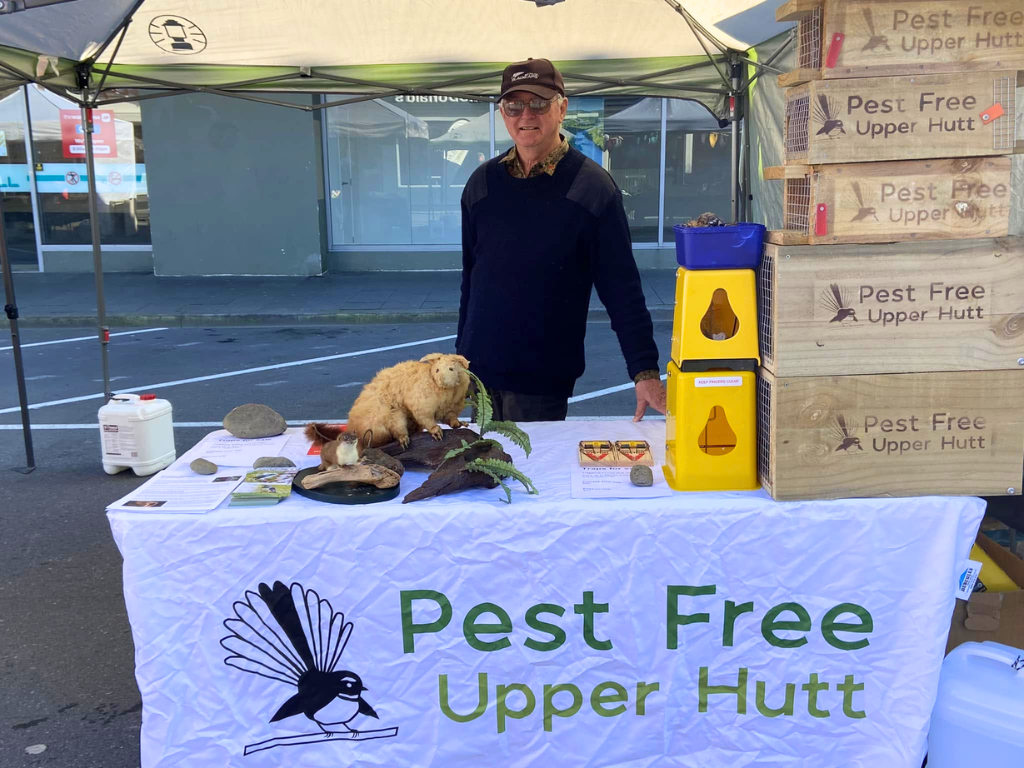
The volunteer group will use funding to provide rat and possum traps and tracking tunnels. Tracking tunnels will help the group understand predator activity and measure progress. They will recruit more households through schools, community events, and neighbourhood networks.
The goal is a bigger, more active backyard trapping network supporting predator control across Upper Hutt.
Predator Free Karori
Karori is in an enviable position: sandwiched between an ecosanctuary and a wild kiwi population on the surrounding hills. Predator Free Karori has already distributed 1,500 traps to local residents, but aims to expand to reach more of the 15,000 residents in what is often called New Zealand’s largest suburb.
The ultimate goal is to create a community where native birds, lizards and plants can flourish and backyard predator control is a normal part of life for Karori residents.
Predator Free Whitby
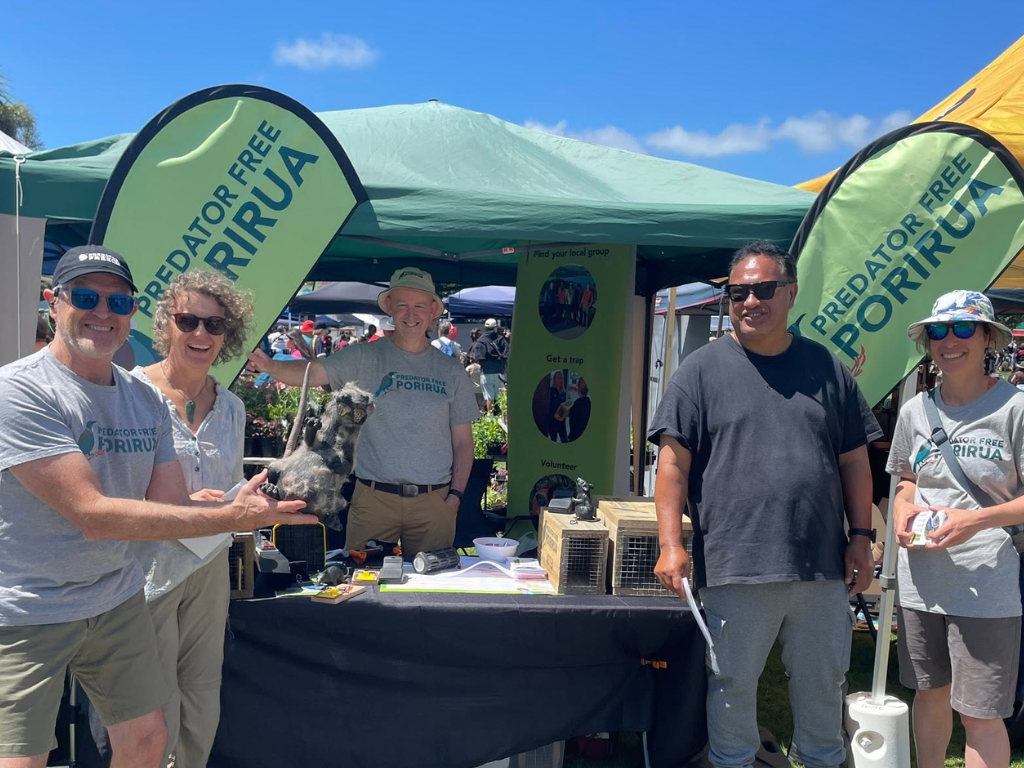
Predator Free Whitby has been growing its backyard trapping network since 2018, helping protect birdlife that live in parks and reserves in the Porirua suburb.
Nearly 550 traps are in the backyards of Whitby homes, but the group aspires higher, to reach 850 households, or 20% of the suburb. The next phase will focus on filling gaps in the network, particularly around reserves and keeping existing trappers engaged.
The suburb is part of a growing movement in Porirua, with 13 groups now active across the city.
Nelson-Tasman
Bays for Birds
From Tāpu Bay to Mārahau, new community group Bays for Birds wants to connect backyards into one big network of people protecting native wildlife.
Funding will help the group get started with essential traps and gear. They will reach households through community gatherings, social media and a flyer drop along the coast. They’ll also work with mana whenua to weave mātauranga Māori into the project and strengthen connections with wider conservation efforts, headed by Te Tauihu Environment Trust.
Māpua Dawn Chorus
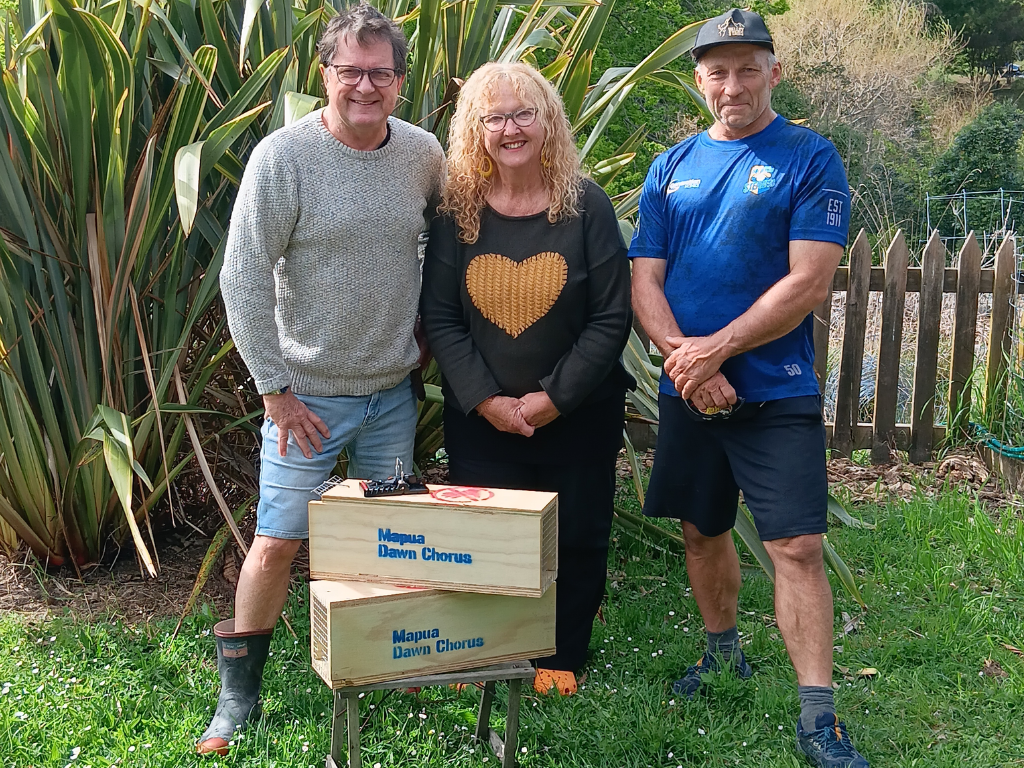
This community west of Nelson is working towards a village where birds, particularly shorebirds such as variable oystercatchers, can nest and raise chicks safely.
The group is planning a big push to grow its backyard trapping network, with local volunteers ready to buddy up with new trappers and teach them the ropes. The goal is to have one in every four households trapping, bolstering the existing reserve trapping and creating a stronger network for birds across Māpua and Ruby Bay.
Support from umbrella group Te Tauihu Environment Trust makes for a more connected effort across the region.
Moutere Birdsong
Moutere is a quiet rural community, best known for New Zealand’s oldest pub (open since 1850). Moutere Birdsong wants to bring the birdsong back. For the past four years, the community group has been nurturing predator control across farms, reserves and lifestyle blocks, much of it self-funded and supported by locally made wooden tunnels. Now the group is bringing trapping to the village. Funding will help residents get traps and learn how to use them.
Residents can hear about how to get involved through the grapevine, literally the Moutere Grapevine, a local newspaper. This group is also backed by Te Tauihu Environment Trust.
Ngawhatu Valley Pest Free
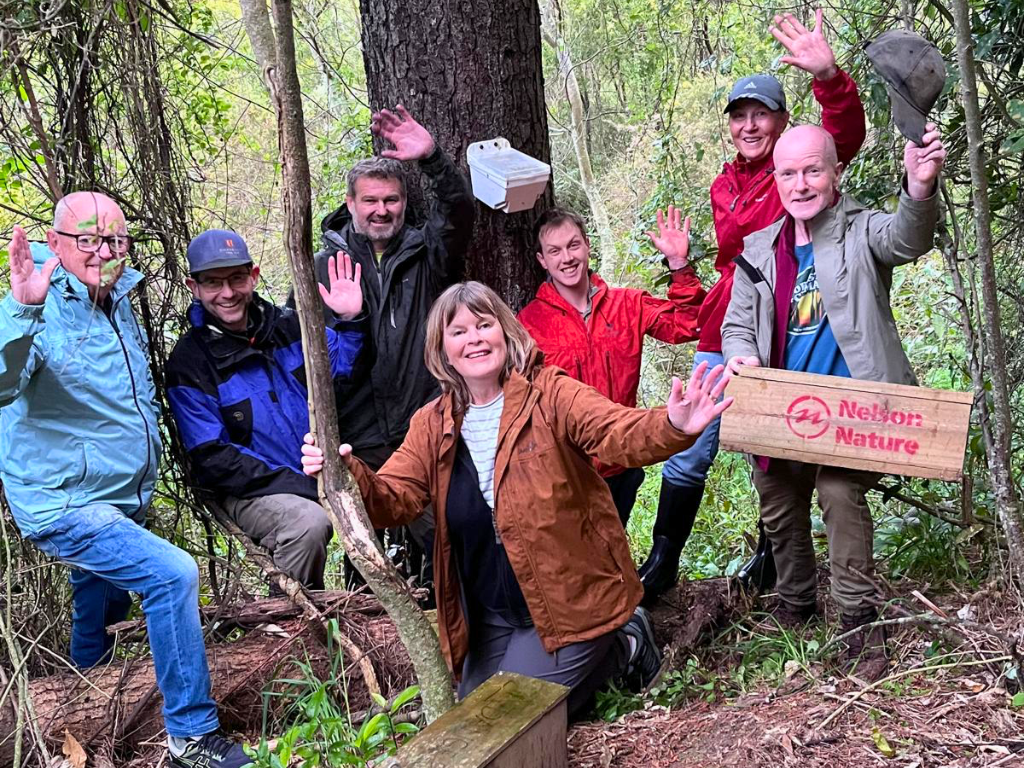
A new community group joins Nelson’s growing predator free movement. Ngawhatu Valley Pest Free will help extend the ecological corridor from Brook Waimārama Sanctuary into the suburb, giving wildlife more safe habitat.
The group wants predator control to be a multigenerational effort, enabling younger residents to take part, understand, and take responsibility for protecting native wildlife.
A team of 10 enthusiastic and motivated volunteers, including some with professional pest control and regeneration experience, will put the new funding to good use.
Canterbury
Predator Free New Brighton/Coastal Kaitiaki
For the past three years, Predator Free New Brighton has been establishing a network of traps through parks, reserves and backyards, becoming increasingly visible in the coastal suburb, 15 minutes from Christchurch city. The group is expanding into more backyards, with fresh funding to purchase traps to distribute at community events and wooden tunnel-making days. To keep trappers motivated, plans include introducing incentives, such as draws for small local business vouchers.
Otago
Otago Peninsula Biodiversity Trust
The Otago Peninsula is possum free, and the difference in blooming gardens and birdlife is noticeable. It’s a major coup, but the Otago Peninsula Biodiversity Trust isn’t resting on its laurels.
With rats, mustelids, and feral cats still threatening the peninsula, the Trust is doubling down on predator control.
Around 50 households already have traps in their backyards, but more are needed to build a more meaningful network. Funding will help the Trust offer traps and bait at a discount so residents can get started and join the effort.
Aramoana League Incorporated
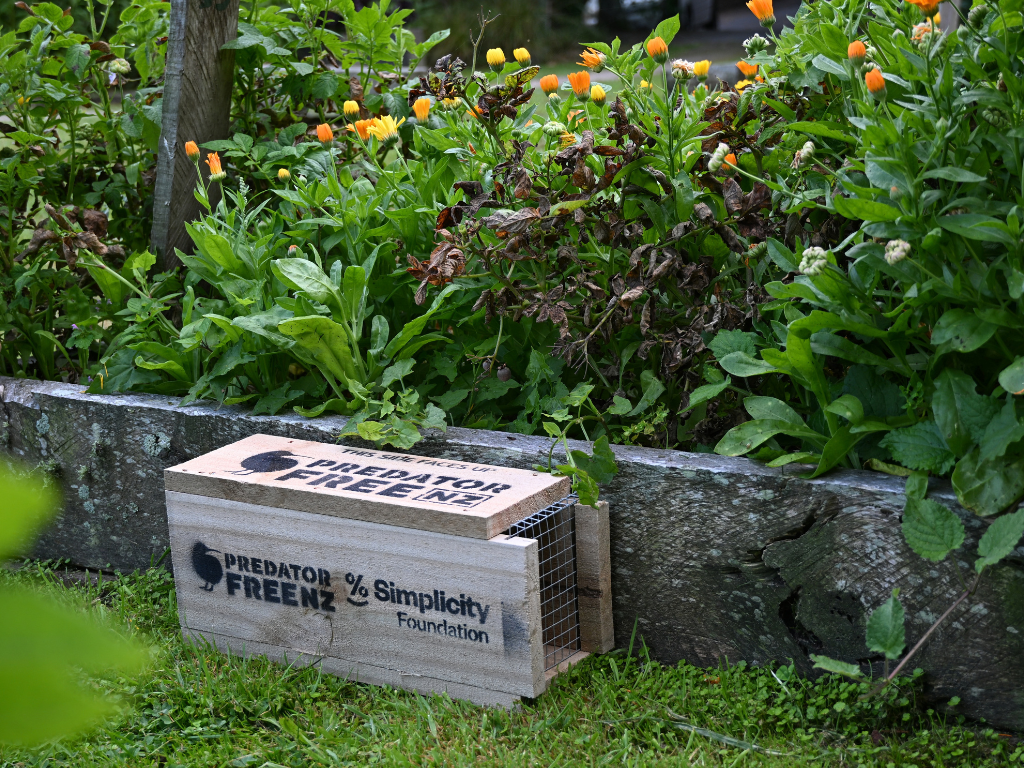
Few groups can claim 100 years of protecting and advocating for the interests of their community. Best known for an annual sports day, the Aramoana League is now turning its attention to protecting local wildlife and encouraging residents to put traps in their backyards.
Predator control is already underway around the town to protect penguins and shorebirds, and funding will help the League bring that effort into the township. By getting households involved, the League hopes to grow the local network and give wildlife an extra layer of protection.