It’s warming up, and days are getting longer. Many native birds are building nests, incubating eggs and gathering food for hungry chicks. Introduced predators, such as possums and rats, are also hungry after winter. Here are five ways you too can get busy and help nature.
Nature is what we love, naturing is how we protect it. The Department of Conservation encourages us to always be naturing.
1. Keep your garden messy
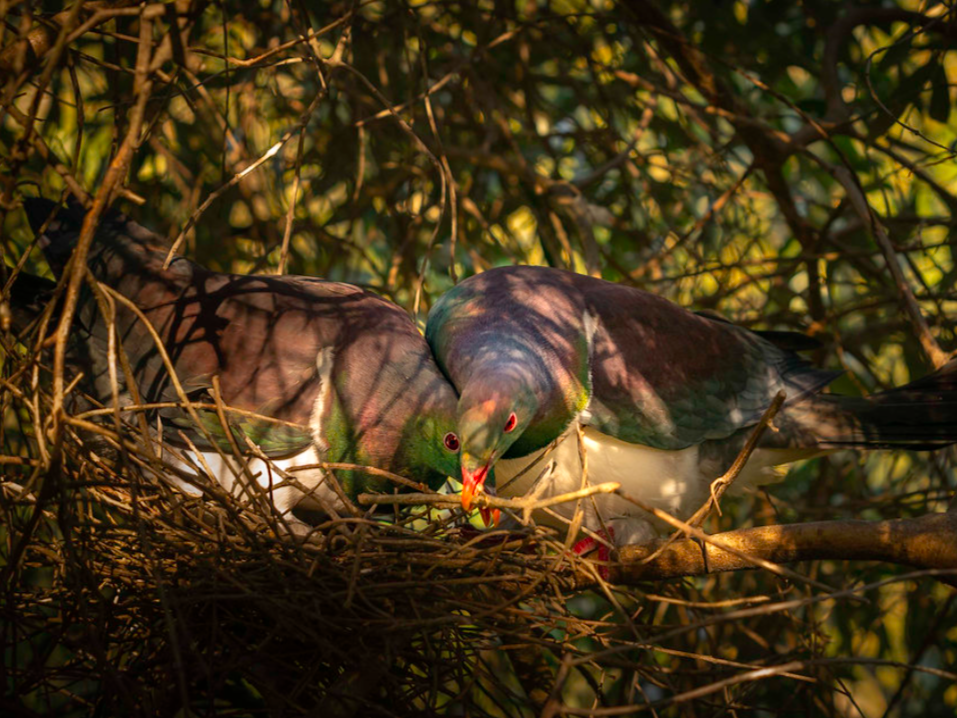
The majority of our native birds are in their breeding season now, including tauhou (wax eye), kererū, tūi, pīwakawaka (fantail), korimako (bellbird), kākā and ruru (morepork). These birds are all beginning to court, breed and nest.
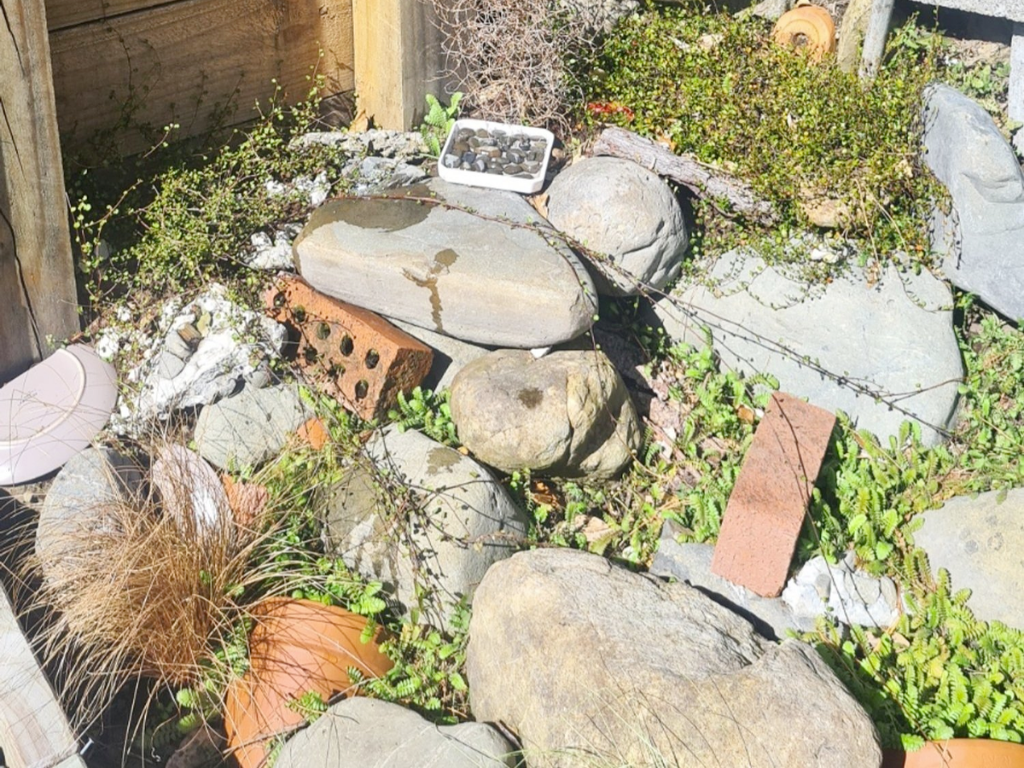
You can help them by keeping your garden messy, or designating a corner of the garden to pieces of grass, twigs, hay, feathers, moss, lichen, mud, spider webs, or dead leaves, which are great building materials for nesting birds.
A messy garden can also mean more kai for hungry birds. Letting leaf litter accumulate will attract insects like spiders, moths and beetles for birds to feed on.
If you’re doing some gardening in your backyard, check out our guide on what we think native birds would plant if they could.
2. Help injured or orphaned baby birds (or don’t)
In late spring and early summer, bird rescues receive hundreds of calls from concerned people who have come across a baby bird out of its nest. That’s because many baby birds (also known as fledglings) begin making early attempts to fly. And sometimes it can result in them being separated from their nest and their mother.
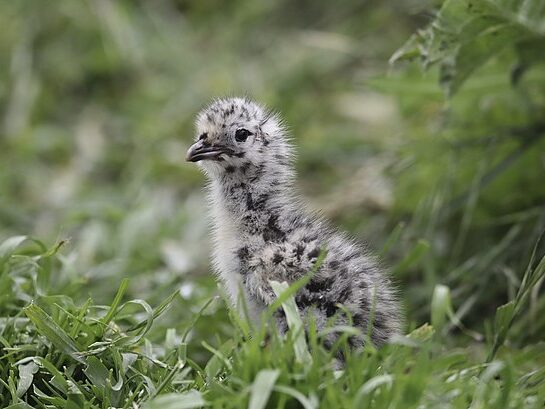
Some of these birds need to be rescued, and some don’t. Some fledglings may look like they need rescuing, but are actually healthy chicks still learning how to fly that are being tended to by their parents. In fact, fledglings often have a much better chance of surviving to adulthood if they are left in their own habitat.
The Wildlife Rehabilitation Network of New Zealand has an easy flow chart to follow to help you work out whether a baby bird needs rescuing. If you need additional advice, you can contact a local wildlife rescue from their website or call the Department of Conservation (DOC) on 0800 362 468.
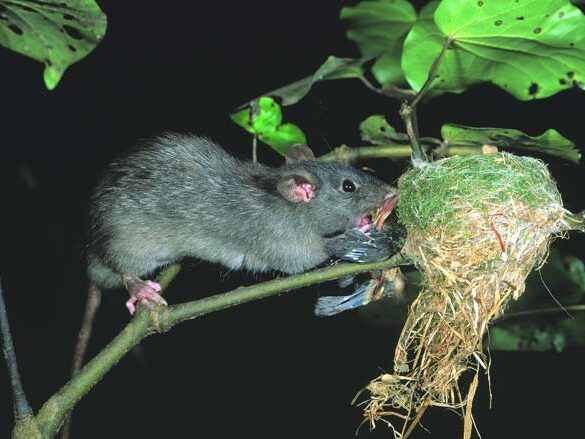
3. Stop rats killing native birds and their chicks
Trapping rats during spring is crucial as it’s when breeding and nesting birds are most vulnerable. Protect them by keeping rat numbers low.
If you don’t have a trap, buy one and let us help you set it up.
If you already have one, make sure you’re checking it regularly. If it isn’t catching anything, read our troubleshooting tips for making your trap irresistible to rats.
By minimising the risk of rat predation, you’re giving the young feathery families in your backyard the best chance at survival.
4. Protect your budding garden
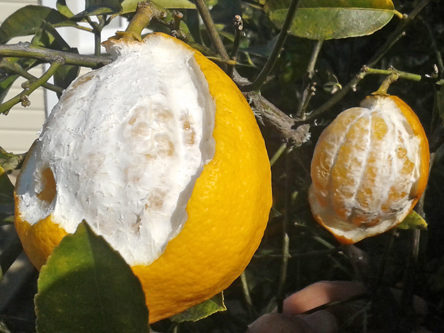
Possums love to feast on a budding garden. You’ll know a possum has visited your garden when:
- newly forming buds on roses or fruit trees are bitten off
- citrus fruits have their peels eaten
- vegetables are completely gone
- leaves are torn, half-eaten or left as jagged leaf stumps.
Prevent a possum from devouring your flowers, fruits and vegetables by setting a possum trap.
If you can, position the trap where the possum is most likely to interact with it on its way to your vegetable garden, fruit tree or rose bush and use our special sweet flour recipe to lure them to your trap. Check out our possum facts and control trips for more information.
5. Make a critter a home
With more than 110 species of skinks and geckos in New Zealand and countless insect species, you’re bound to have scaly, crawling neighbours in the garden.
Yet another reason to keep it, or at least one corner, messy with long grass, tree stumps and piles of leaves to provide homes for beetles and peripatus.
Go even further by finding a sunny spot to create a lizard lounge or build a wētā motel and share your garden with a critter from the age of the dinosaurs. A wētā motel is essentially a dry, wooden hole where the bugs can hide and be safe from predators.
Discover more big or little ways you can make a difference for nature this spring.